Domaine de l’Aigle à Deux Têtes
Côtes du Jura

Henri Le Roy crafts tiny quantities of profound, non-oxidative whites and finely-woven reds from organic vineyards in the Jura’s Sud Revermon.
Introducing the Producer
A Discovery in the Jura
Domaine de L’Aigle à Deux Têtes is the one-man show of Henri Le Roy, a biologist turned vigneron who farms three and a half hectares in the southern Jura. The famed white and grey-blue marls of the southern Jura impart a firm, saline edge to his wines, made in the ouillé, or non-oxidative style. Fine-grained and high‑energy, they combine the Jura’s mountain minerals with the silken depth of fine Burgundy in a way that feels simultaneously ancient and freshly charged.
History & Origins
A Biologist in Burgundy
Henri Le Roy’s journey from biologist to vigneron in the remote southern Jura began with scientific curiosity and turned into a lifetime of soulful craftsmanship.
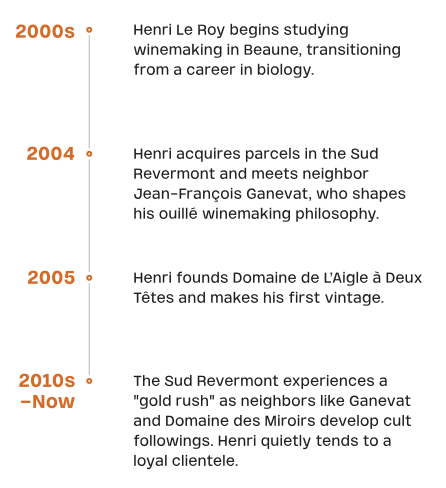
Although his education at a prestigious école in Paris led him to a career in biology, being a vigneron was always Henri’s true ambition. In the early 2000s, he began to study winemaking in Beaune, planning out his next steps.
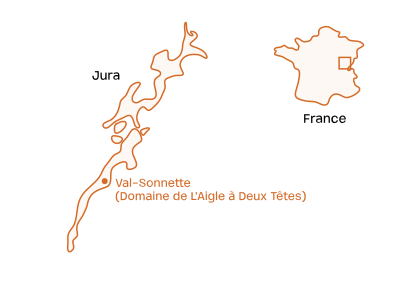
In 2004, his search for vineyards led him away from Burgundy towards the neighboring Jura. As he learned about the historic importance of the area and the quality of its terroir, Henri began to buy a handful of parcels surrounding the famed slopes of Rotalier and Grusse in the Sud Revermont.
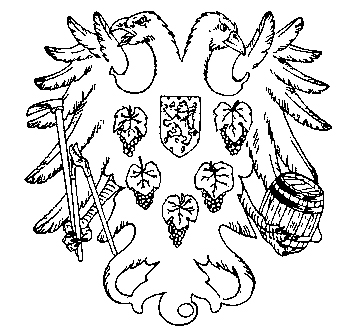
It was during this time that he happened to meet his neighbor, the legendary Jean-François Ganevat, who solidified his vision of ouillé winemaking. Emulating the purity found in Burgundy, Henri would eschew the oxidative winemaking for which so many in the Jura had become known. He christened his fledgling estate Domaine de L’Aigle à Deux Têtes, or “The Two-headed Eagle” in homage to the old Habsburg crest that flew over the region from the 15th to the 17th century.
Two decades later, Henri’s intuition has proven to be correct. In the intervening years, the Sud Revermont has seen a veritable gold rush as neighbors like Domaine des Miroirs and Ganevat have developed cult followings and command astronomical prices. All the while, Henri has quietly focused on serving a focused group of stalwart clients, resolute in his belief that his wines should be enjoyed by his customers at the table.
Producer Bio
Precision, Fortitude, and a Little Luck
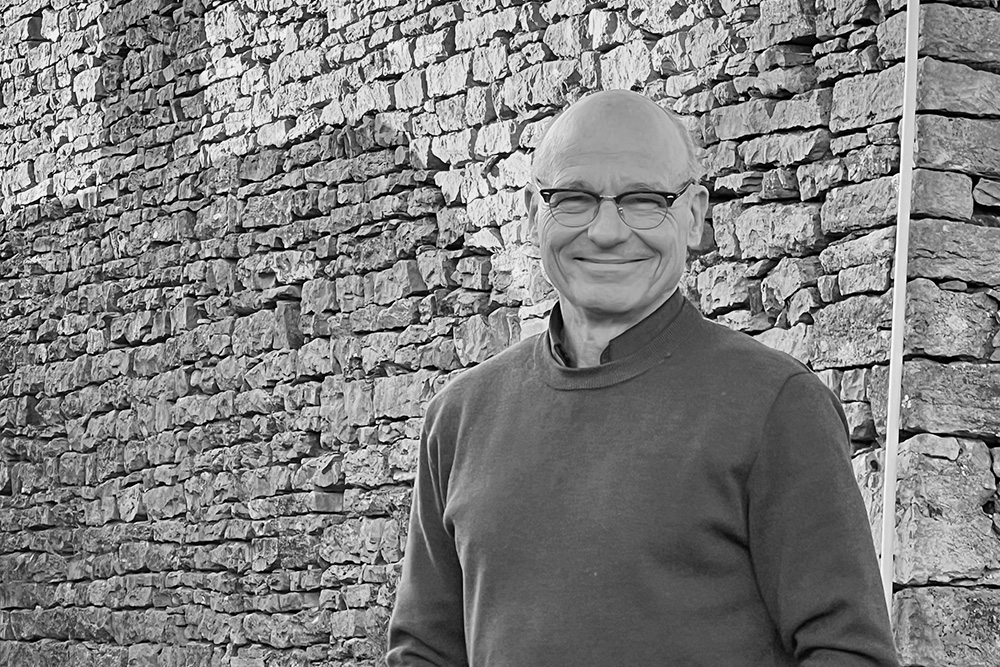
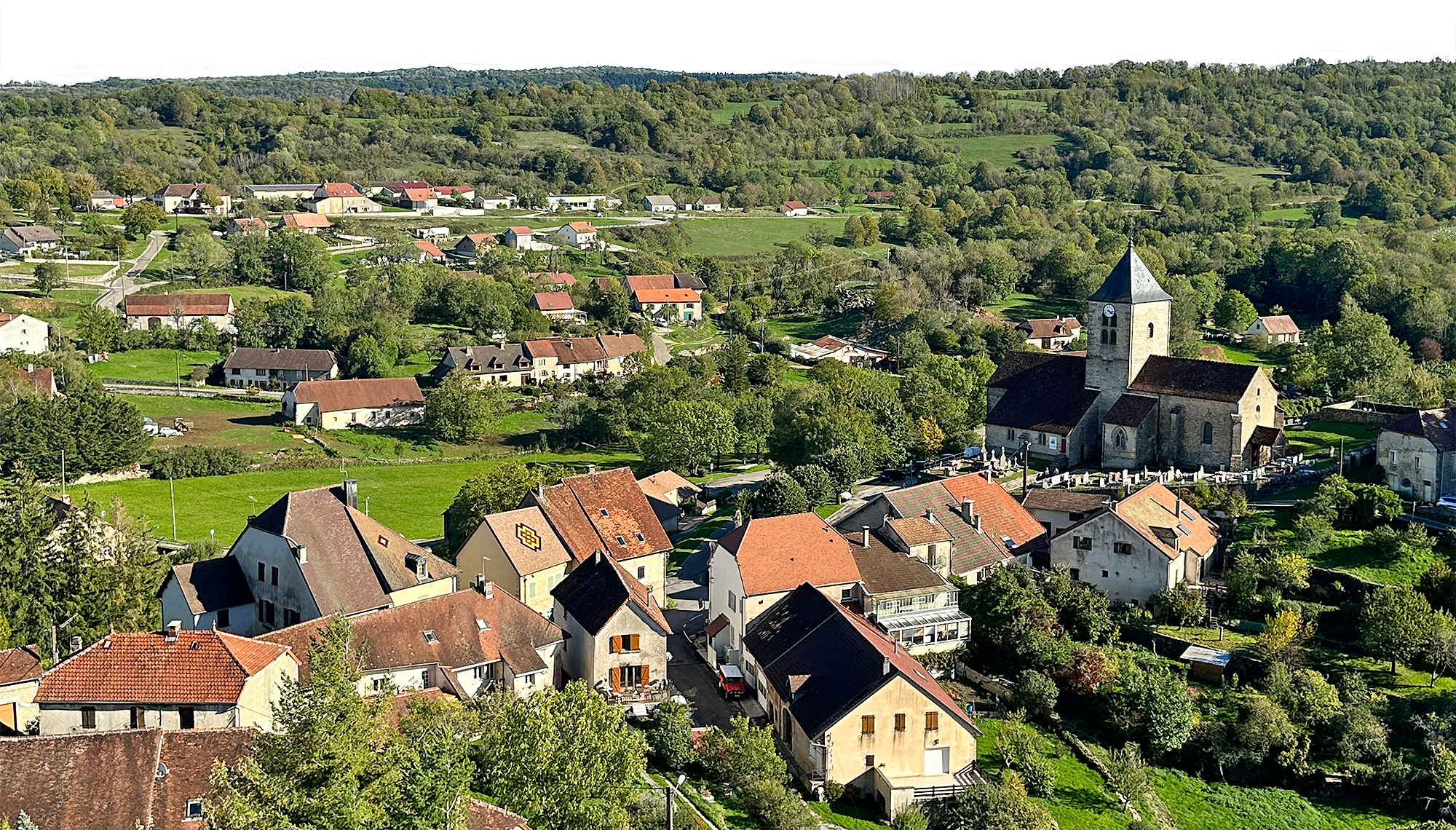
Henri farms several parcels in the Sud Revermont, surrounding the villages of Grusse and Rotalier. Herbicides haven’t been used for more than a decade, and although he forgoes certification, Henri works exclusively according to organic principles.
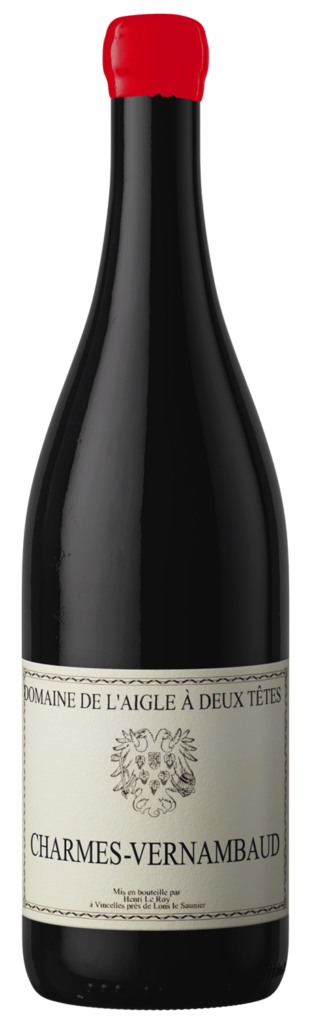
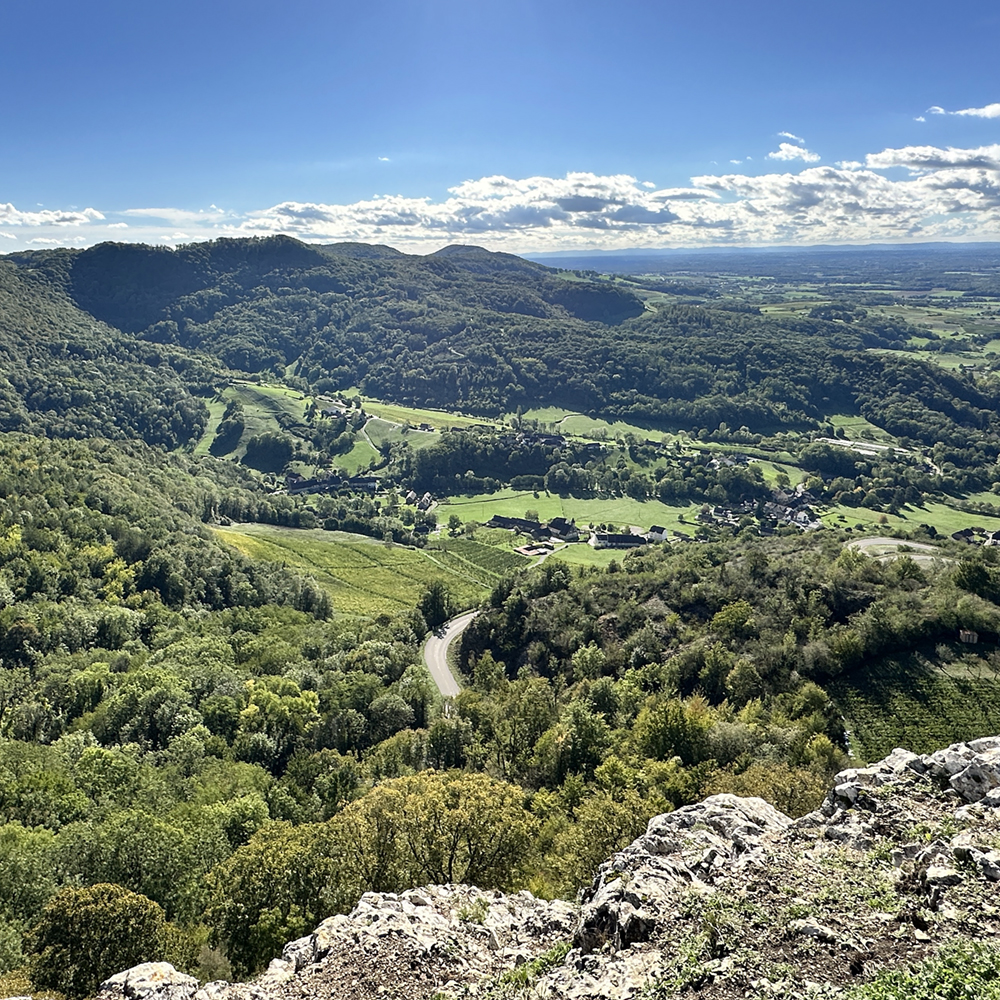
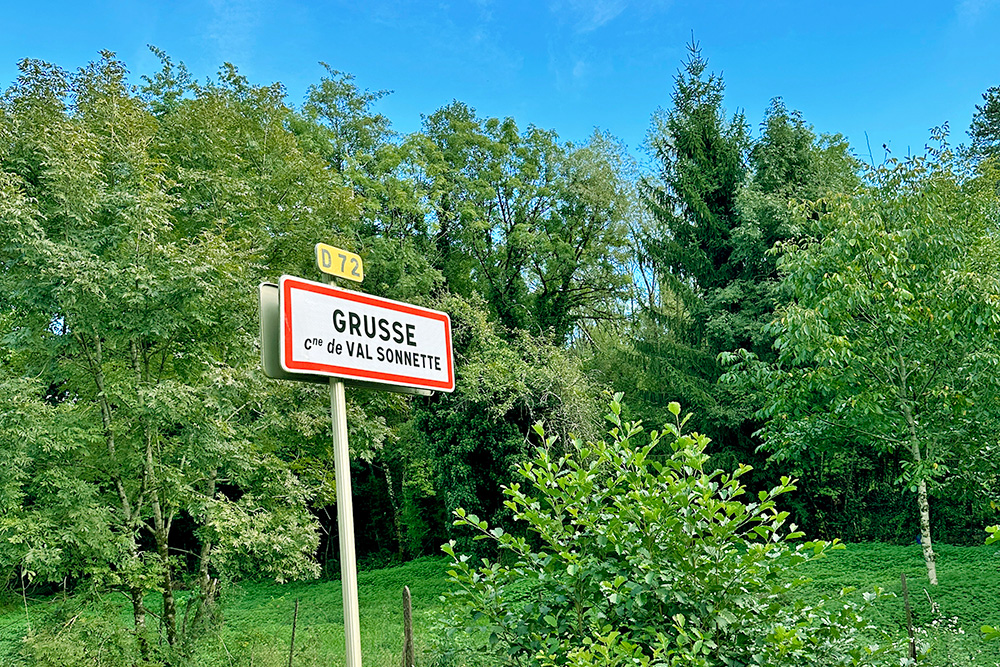
Just outside the historic village of Grusse, the Vernambaud vineyard sits beneath mountain cliffs near the quiet stream of La Sonnette. Here, Henri is in good company: the neighboring vineyard is tended by Kenjiro Kagami of Domaine des Miroirs. Southwest-facing chardonnay and pinot noir vines are planted on blue marl, surrounded by the forest on three sides. In a tongue in cheek nod to his early Burgundian ambitions, Henri calls the wines from this vineyard “Charmes-Vernambaud” and “Batard-Vernambaud”.
The Les Clous vineyard in Rotalier is planted to two of the grapes most strongly associated with the Jura, savagnin and poulsard. Henri chooses to call his savagnin by its local synonym, naturé, since the name doesn’t carry the connotations of wines made in the sous voile style in the same way that savagnin does.
Artisanal Scale
Taste, Concentrate, Dream
Shortly after Henri purchased Les Clous, Jean-François Ganevat pointed out that the property was also home to vines of naturé muscaté, a mutation of savagnin with less than half a hectare planted anywhere in the world. Seemingly an evolutionary link between traminer and savagnin, the naturé muscaté grape makes wines with intense aromas of white flowers and exotic fruits, with mouthwatering salinity on the palate.
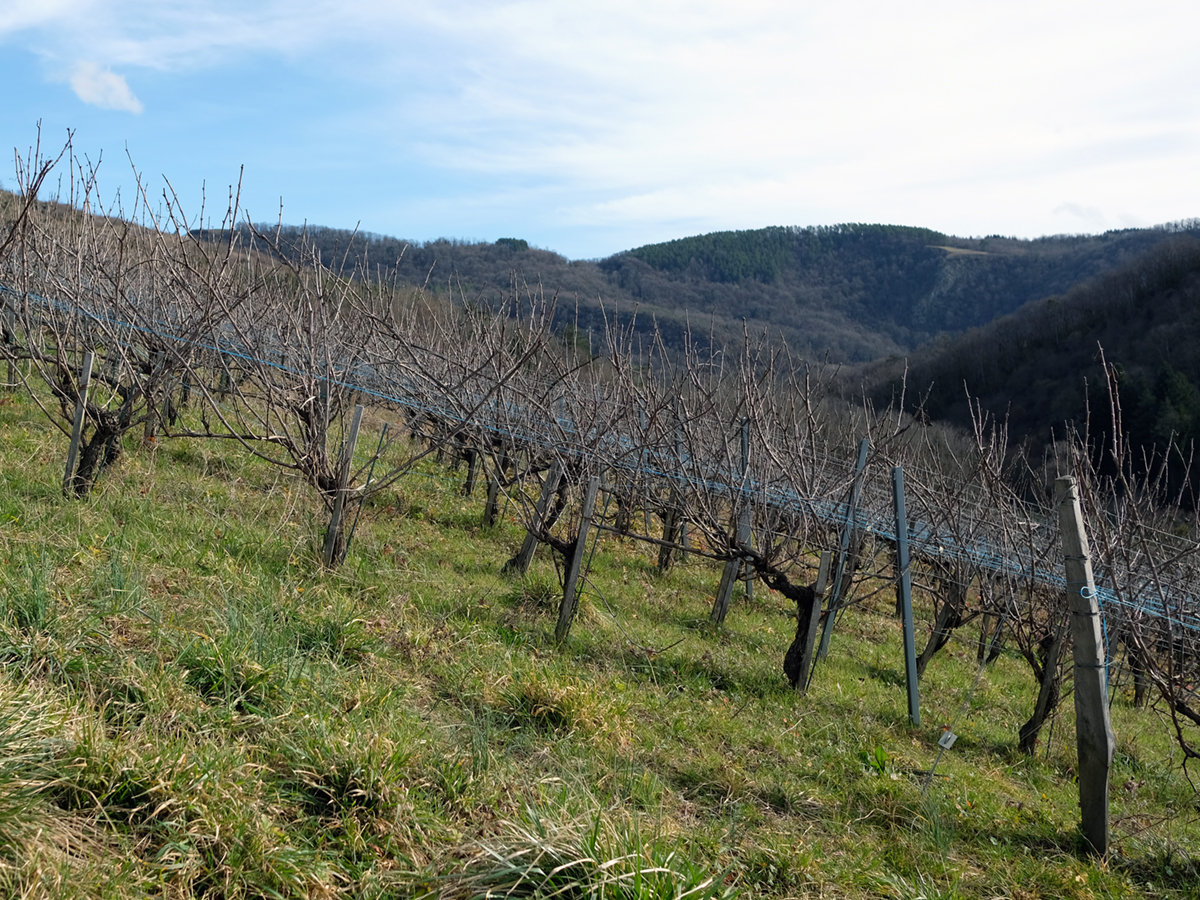
Growing grapes in the Jura takes immense precision, fortitude and a little luck. Yields are decidedly low, and growing is made even more difficult due to the high risk of frost. In the past decade, 2017, 2021, and 2024 were all frost years, with such severe damage that some producers didn’t vinify any wine at all. Henri’s current production is just under 15,000 bottles when the weather cooperates, but it’s not uncommon for it to dip below 10,000 bottles.
Following the lead of the region’s progressive masters like his neighbor Jean-Francois Ganevat, Henri avoids oxidative sous voile winemaking, choosing instead to carefully top up barrels to preserve purity and tension. Native yeasts guide both fermentations and malolactic conversions, and élevage unfolds undisturbed in wood with mindful SO₂ at bottling.
“The technical points are not the first things to talk about. Taste the wines, concentrate, and dream. That’s the important and relevant argument for the wines.”
— Henri Le Roy, Vigneron
Artisanal Scale
Discovery Amidst Commodities
Not long ago, some of the most in-demand producers in the Jura were regularly poured by the glass. Today, those same bottles disappear at a velocity that most appellations can only dream of. But when you consider the fervent fans of the Jura, the speculative nature of the top wines of the area, the risks of an uncertain climate, and the minuscule production, the price per bottle no longer comes as a shock.
But in a region where the best wines are often reduced to commodities to be traded back and forth on the secondary market, our connection with Henri Le Roy is a reminder that true gems are discovered by seeking character, not chasing trends.
Henri’s work embodies what De Maison stands for: an unwavering commitment to purity of place, discovery born of curiosity, and the championing of the unheralded.
Products
Wine
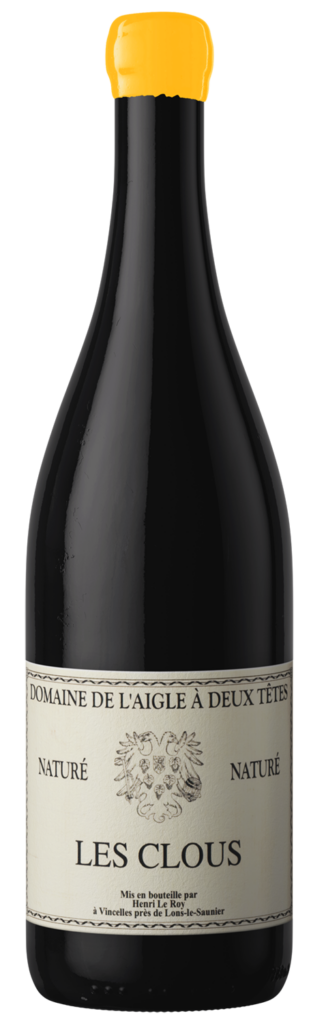
Domaine de L’Aigle à Deux Têtes ‘Les Clous’ Naturé 2023
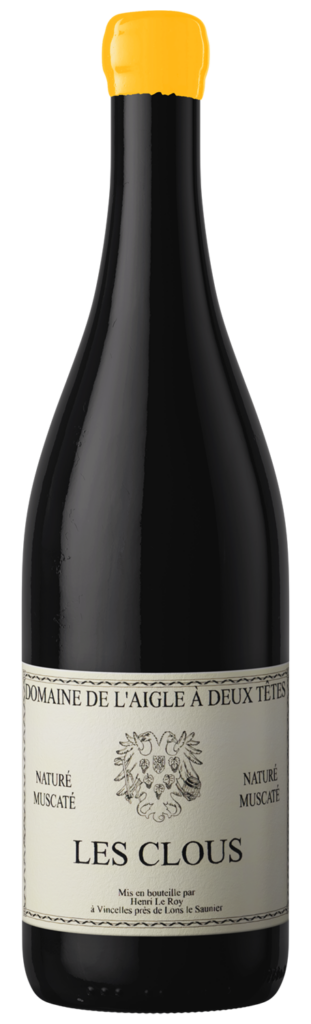
Domaine de L’Aigle à Deux Têtes ‘Les Clous’ Naturé Muscaté 2023
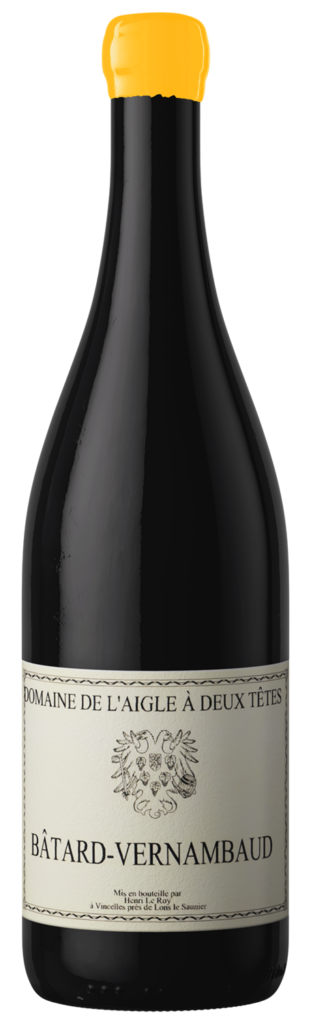
Domaine de L’Aigle à Deux Têtes ‘Batard-Vernambaud’ Chardonnay 2023
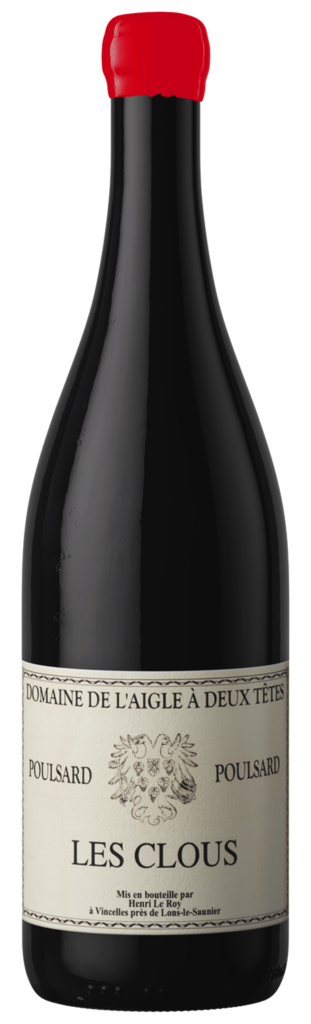
Domaine de L’Aigle à Deux Têtes ‘Les Clous’ Poulsard 2023