
Ostatu ‘Lore’ Rioja Alavesa Blanco 2023
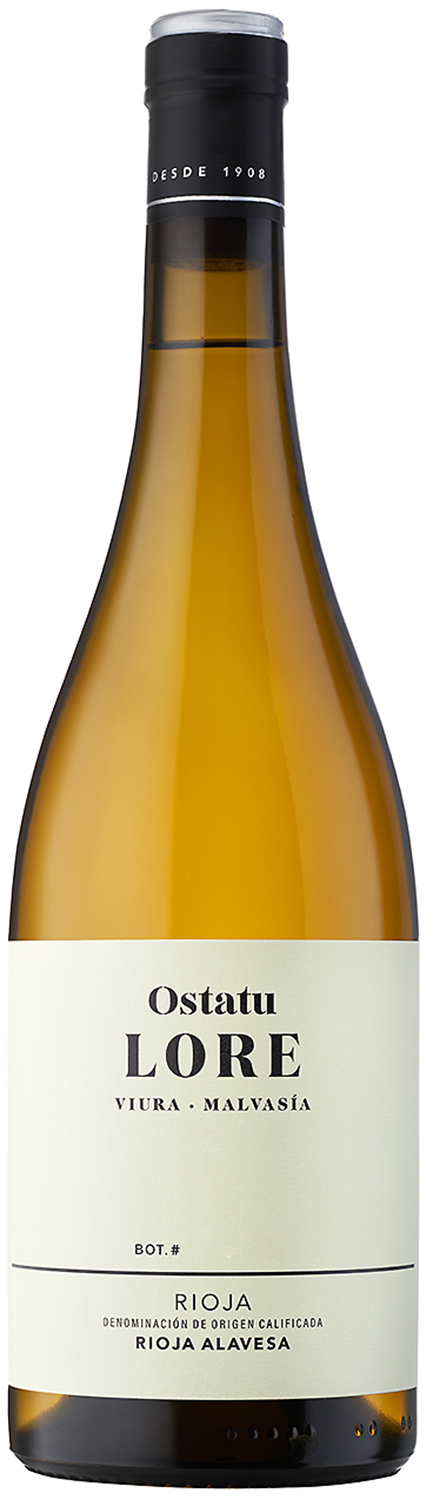
Ostatu ‘Lore’ Rioja Alavesa Blanco 2023
In their role as leaders for sustainability and regenerative farming in their native Rioja Alavesa, the Sáenz de Samaniego siblings obtained their organic farming certification for their entire production in 2022. This task was complicated immensely by the fact that, in Rioja, their dozens of tiny plots each had to be certified individually. The standard for organic viticulture is exceptionally high in Spain, making it a model for other nations. The fact that Ostatu owns and farms their single vineyards exclusively offers them total control from start to finish. Such is the dedication and commitment of the Sáenz de Samaniego family. If this were Piemonte, the wines would cost many times more than they currently do in Rioja Alavesa, exemplifying the inherent value there.
Ostatu’s Lore (Basque for ‘flower’) single-vineyard wine is unique, even among the family’s vast and varied portfolio of diverse plots. Located above 550m, and facing north up the slope of the sierra, the Valcavada vineyard is planted mostly to viura and malvasía grapes (along with roughly 40% tempranillo that makes its way into Ostatu’s red wines). The plants struggle against the climate, enduring late-season frost and some of the latest ripening of the estate. Planted in 1957, these vines have been battle-tested, developing thick woody trunks to cope with the cold.
The aromatic intensity and freshness delivered by the well-ventilated vineyard bears out in the complete Lore wine, which offers white florals and orchard fruits, wild rosemary and thyme, and beeswax and honey on the nose. This medium-bodied white wine combines alpine acidity with judicious barrel application, resulting in an exceedingly well-rounded and flexible pairing.
Vinification – After a manual harvest, 100% organic viura and malvasía grapes are destemmed and gently pressed before an eight-hour cold maceration. Fermentation begins with indigenous yeasts in 500L oak barrels, lasting for 27 days, followed by seven months lees-aging in the same barrels, with light, weekly bâtonnage. Afterward, the wine is cold stabilized and gently filtered before bottling.