



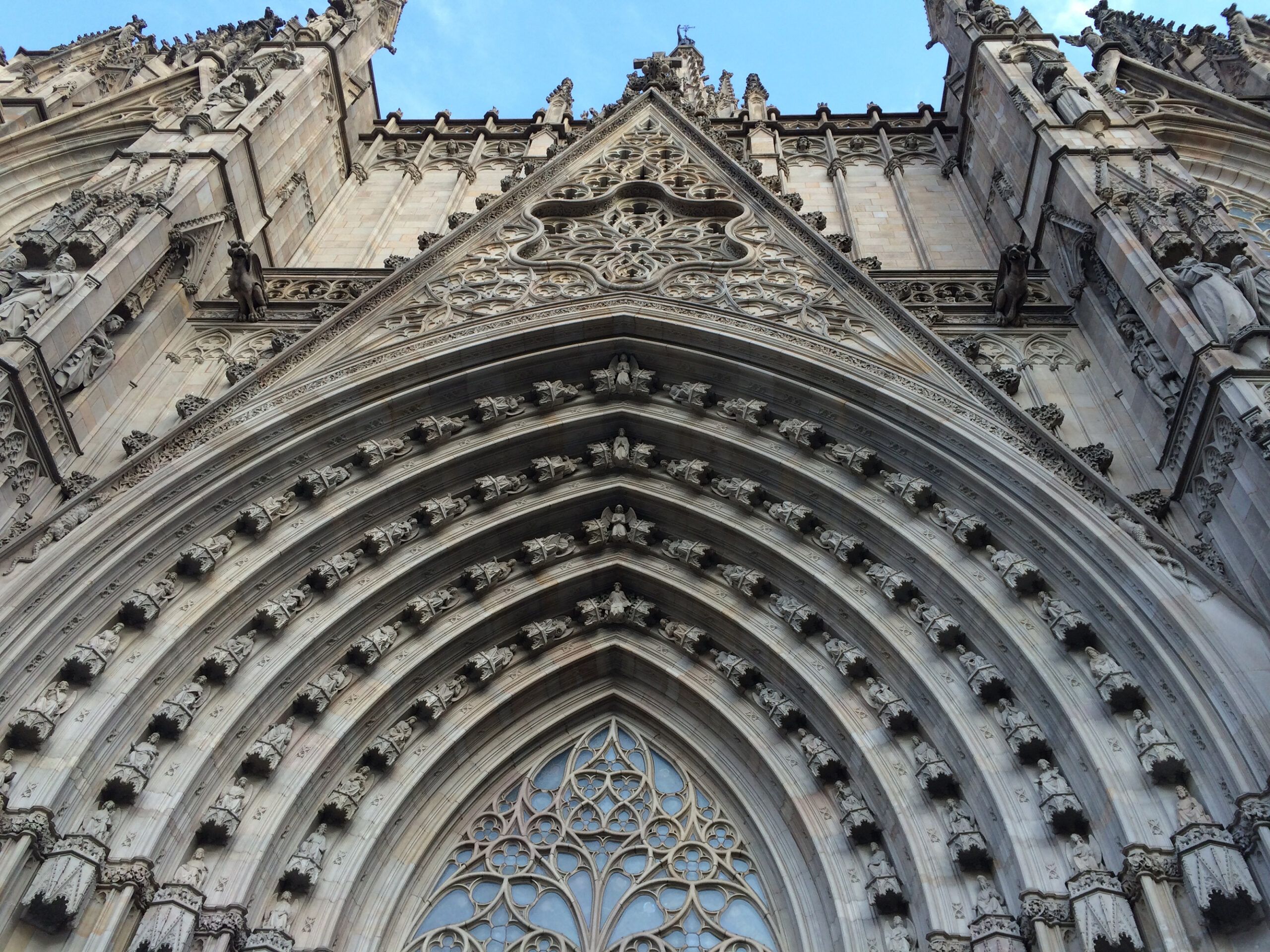
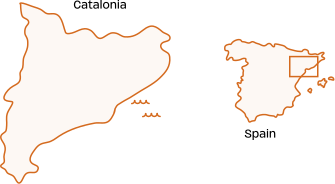
Catalonia
Northeastern Spain

Catalonia spans Spain’s northeastern Mediterranean coast, shaped by centuries of trade, migration, and cultural exchange. From Barcelona’s historic port to inland vineyards and slate-rich hillsides, the region balances long-standing wine traditions with a wide range of modern styles that have influenced Spanish wine well beyond its borders.

Mediterranean climate with coastal moderation and warmer, drier inland conditions.
Location & Setting
Coast, borders, and cultural crossroads
Catalonia is located on the Mediterranean coast of Spain along the border of France. The region has always been a crossroads, changing hands between various empires and governments over the millennia while its heart, Barcelona, holds status as a crucial port and trade center. For centuries Barcelona has attracted not just conquerors and merchants but also various artists, architects, writers, and immigrants of all stripes from across the world. They have all left their mark on the region and the city of Barcelona, creating a vibrant and distinctive metropolis.
Wine History
From ancient trade to modern recognition
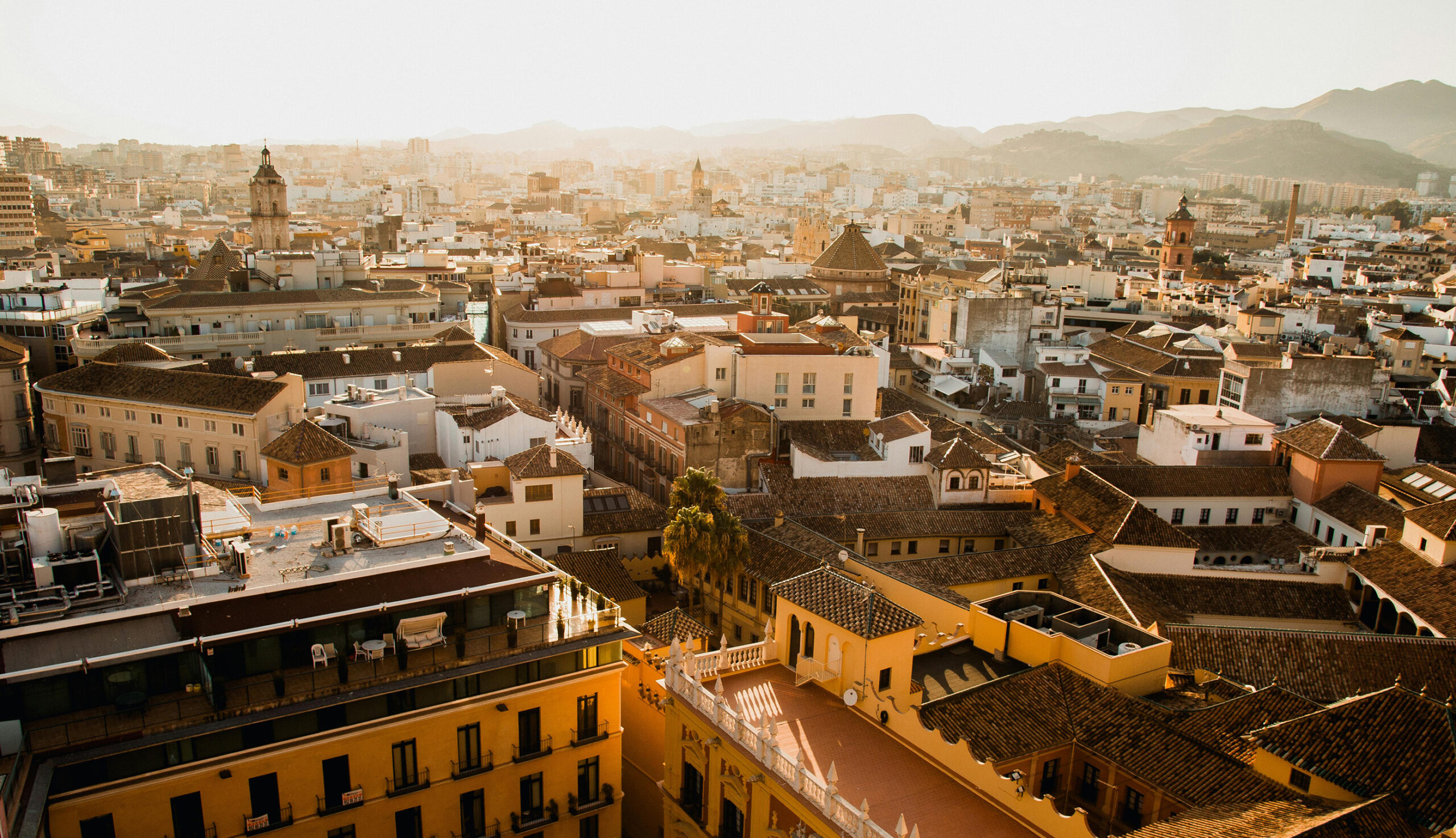
Catalonia’s wine tradition dates back to trade with the Phoenicians in the centuries before the Romans came to the area around 200 BCE. Even in those early days, Catalan wine was being exported across the Mediterranean, reaching markets as far as Egypt. Trade routes and export markets dried up following the fall of Rome and production all but ended in the following centuries under Moorish occupation. Slowly but surely winemaking traditions returned to the area, and by the fourteenth century, Catalonia would become known for the style of heavy, red wines that would gain international recognition for Priorat in the late twentieth century. In the latter half of the 19th century, the Spanish traditional method sparkling wine, cava, was developed in Penedès; vineyards decimated by phylloxera were replanted with white grapes for cava, and the style quickly gained popularity. Change continues to define Catalonia: today, Barcelona is one of the world’s most-visited cities, famous for its food and wine scene, as well as some of the most forward-thinking cocktail bars in the world.
Contemporary Culture
Dining, cocktails, and gin revival
While the Spanish Gin Tonic may have originated in the txokos of the Basque Country, it is Catalonia’s dining scene that turned this now iconically Spanish cocktail into a national institution. Many of Barcelona’s top chefs returned home from these txokos and added the cocktail to their culinary programs. Taking the same care in their mixology as their cooking, they elevated the simple British Gin & Tonic by focusing on the aromatics of the gin, enhancing it through the use of top quality tonics and carefully selected garnishes. Spanish Gin Tonics caught on, becoming a central part of Spanish culture. This growth has inspired the rise of craft gin distillation in Catalonia and throughout Spain, which has now become a leader of gin culture throughout the world.
Cava
Penedès
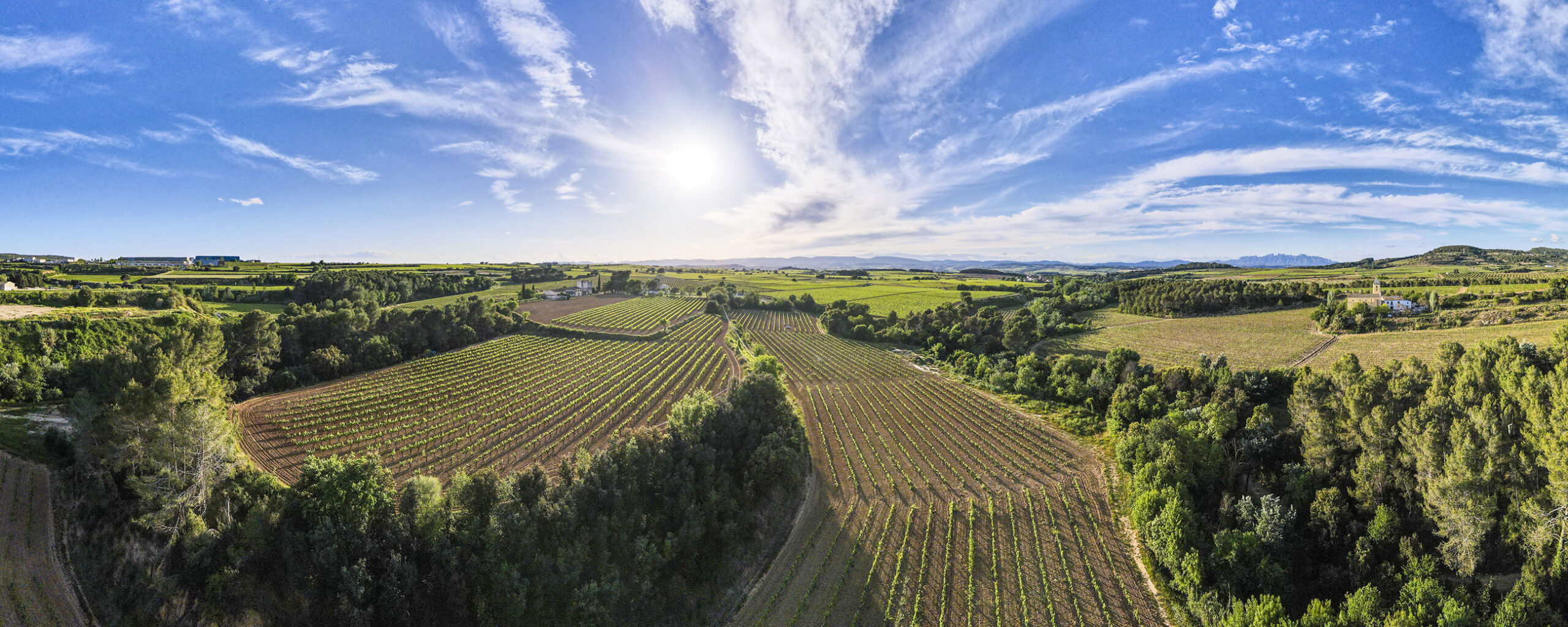
Penedès is a large viticultural region with wide-ranging climatic differences. It is home to the Cava denomination of origin, where 90% of the wines designated “Cava” originate. There are three separate microclimates: the Baix Penedès lies close to the Mediterranean Sea and has a hot climate with low-altitude vineyards. The Mitja-Penedès is a higher-altitude area (250 to 500 meters) where most of the high quality grapes originate. The Alt Penedès (500 to 850 meters) is the best growing climate due to the coolness at higher elevation. Many delicate grapes such as Chardonnay, Pinot Noir and Cabernet Franc are planted in this sub-zone. The main grapes used in Cava are Macabeo, Xarel-lo and Parellada. Due to its proximity to France (an hour and half by car) many foreign grapes are being planted and added to the cava blends. In addition, there are red still wines being made that display stunning elegance and quality.
Slate
Priorat
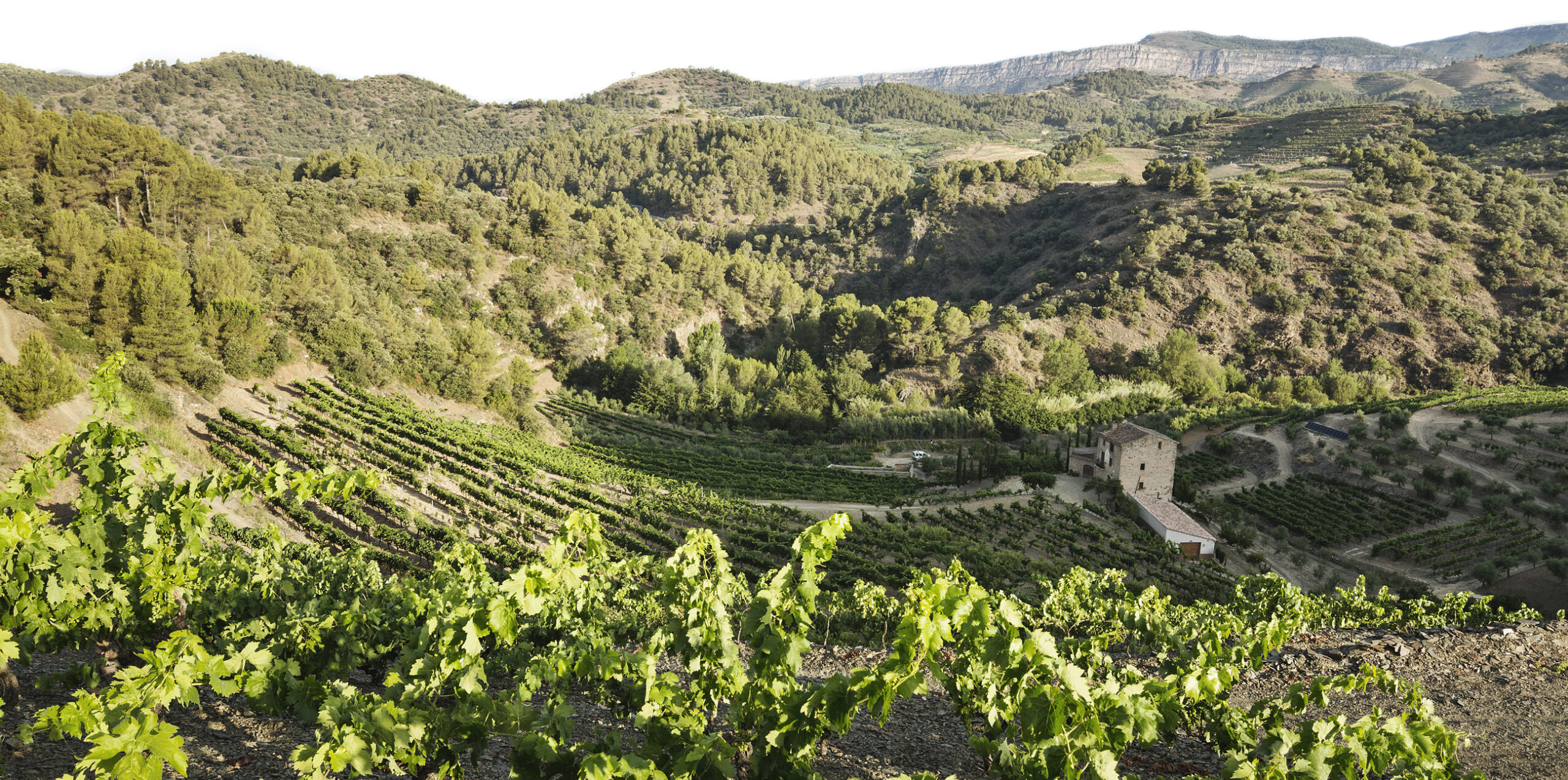
Priorat is a small region 150 kilometers southwest of Barcelona with a harsh climate. The region is made up of old and dark stones, known as Llicorella, covering an irregular combination of hills and ravines of a multitude of exposures and elevations buffeted by the intense sun and the northerly Cierzo wind.
On the northern horizon, the cliffs of the Sierra de Montsant loom over this small land of holm oaks, olive, and almond trees. Samsó (Carignan) and Garnacha vines planted on the slate soils are the predominant varieties. The river valleys along with the unique geography of various exposures and elevations produce wildly diverse wines from what is a very small denomination.
Producers
Wines from Penedès
Avinyó
Penedès | Catalonia
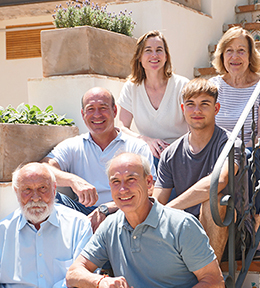
A family-run estate in Penedès that is a leader in well-cellared, organic, premium artisanal Spanish sparkling wine.
Wines and Spirits from Priorat

Costers del Priorat
Priorat | Catalonia
Small Priorat producer focused on garnacha and carignan grown on steep llicorella slopes, expressing the region’s rugged terroir with restraint and balance.
BCN
Priorat | Catalonia
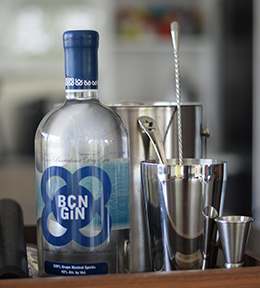
Utilizing grapes from Terra Alta and botanicals from around the Mediterranean, this boutique distiller and vermut producer is integral to the Barcelona aperitif and cocktail scene.