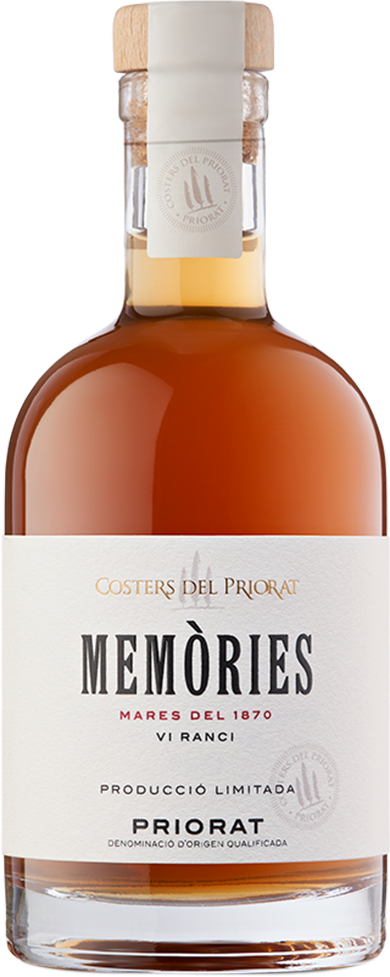
Costers del Priorat
Priorat | Catalonia

Costers del Priorat is defining the category of new, classic Priorat. Prioritizing the elegance of old vines over modern technical wizardry, they offer a transparent, site-specific masterclass in Priorat’s ancient terroir.
Introducing the Estate
The Guardian of l’Antic Priorat
A quiet but powerful movement to honor history and pride of place is gaining prominence in Priorat. At the heart of this renaissance is Costers del Priorat, where winemaker Jose Mas Barberà is dedicated to capturing the complex, unadulterated essence of the region.
Jose’s vision for Priorat champions a shift from international artifice to local transparency. Working with vineyards in eight “viles,” or towns, in Priorat, he reflects the region’s diversity and natural elegance through village-specific wines made from old vines.
History & Origins
From Heroic Silence to Global Renown
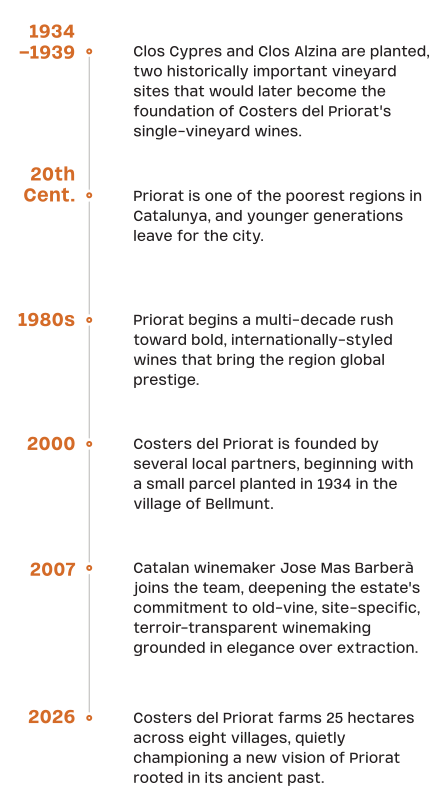
Thirty years ago, Priorat was the poorest region in Catalunya. Younger generations fled its rugged, vertical landscapes for the ease of the city, leaving silence to settle over its historic, slate-filled vineyards. In the years since, a multi-decade rush toward “shined-up” modern wines has made Priorat one of Spain’s most prestigious wine regions. But as tastes change and the wine world moves away from the styles that catapulted the region to fame, the cost of sacrificing authenticity for an international style has become clear.

In the face of pressure to make wines for outsiders, Costers del Priorat—slopes of Priorat, in Catalán—established itself as a quiet giant by making wines for Priorat itself. The winery was founded in 2000 by several local partners, who began making wine from a small parcel planted in 1934 in the village of Bellmunt.
In 2007, they were joined by Catalan winemaker Jose Mas Barberà. Since then, Costers del Priorat has worked to bring its vision of Priorat to life, grounded in respect for historic terroirs and a commitment to making wines in which strength is best expressed through freshness and elegance.
The Vision Behind Costers del Priorat
A David in a Land of Goliaths
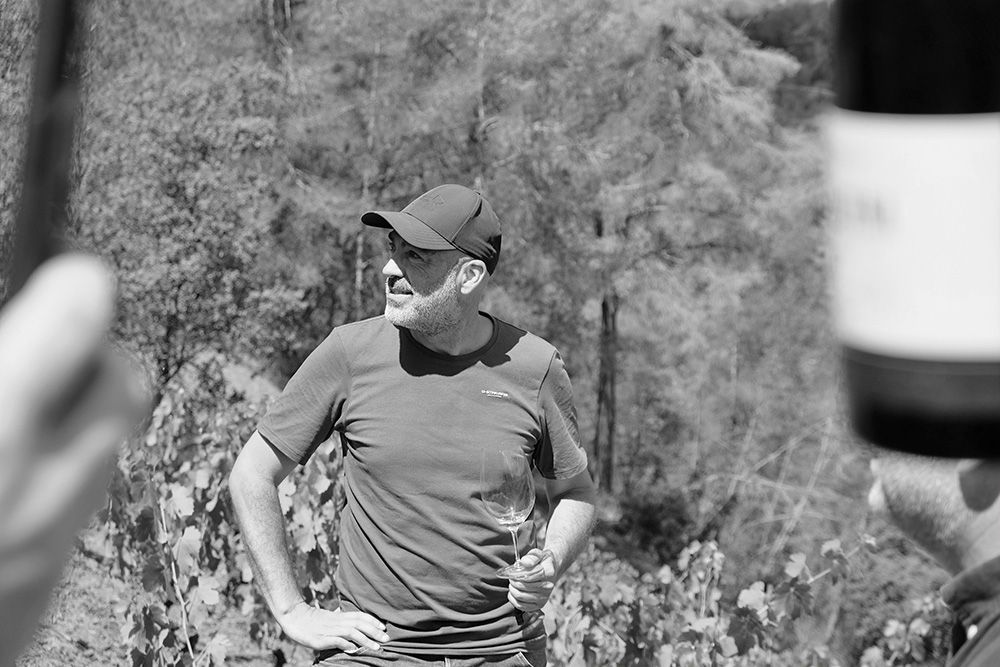
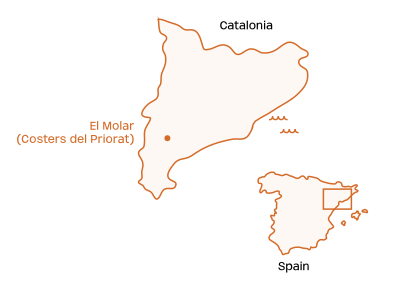
While much of the modern Priorat narrative focuses on the “renaissance” of the 1980s, Costers looks to revive traditions that predate global trends. Looking to the region’s tradition of village wines, they farm 25 hectares in eight villages: El Molar, Bellmunt del Priorat, Gratallops, Masos de Falset, La Vilella Baixa, Torroja del Priorat, Porrera and La Morera del Monstant.
Carignan (known locally as samsó) makes up the majority of the plantings, including Clos Cypres and Clos Alzina, two historically important sites planted before 1940. Once overlooked, this ancient grape is now viewed by many as the ideal variety for this extreme landscape.
Overseeing the old vines of carignan and garnacha that cling to vertiginous terraces, Costers operates as a David in a region of industrial Goliaths. Jose’s work is the opposite of the over-extraction and heavyhandedness that once defined Priorat; instead, he champions lift, transparency, and a vibrant energy that honors the grit of the generations who carved and cared for these terraces by hand.
Terroir
Of Slate and Soul
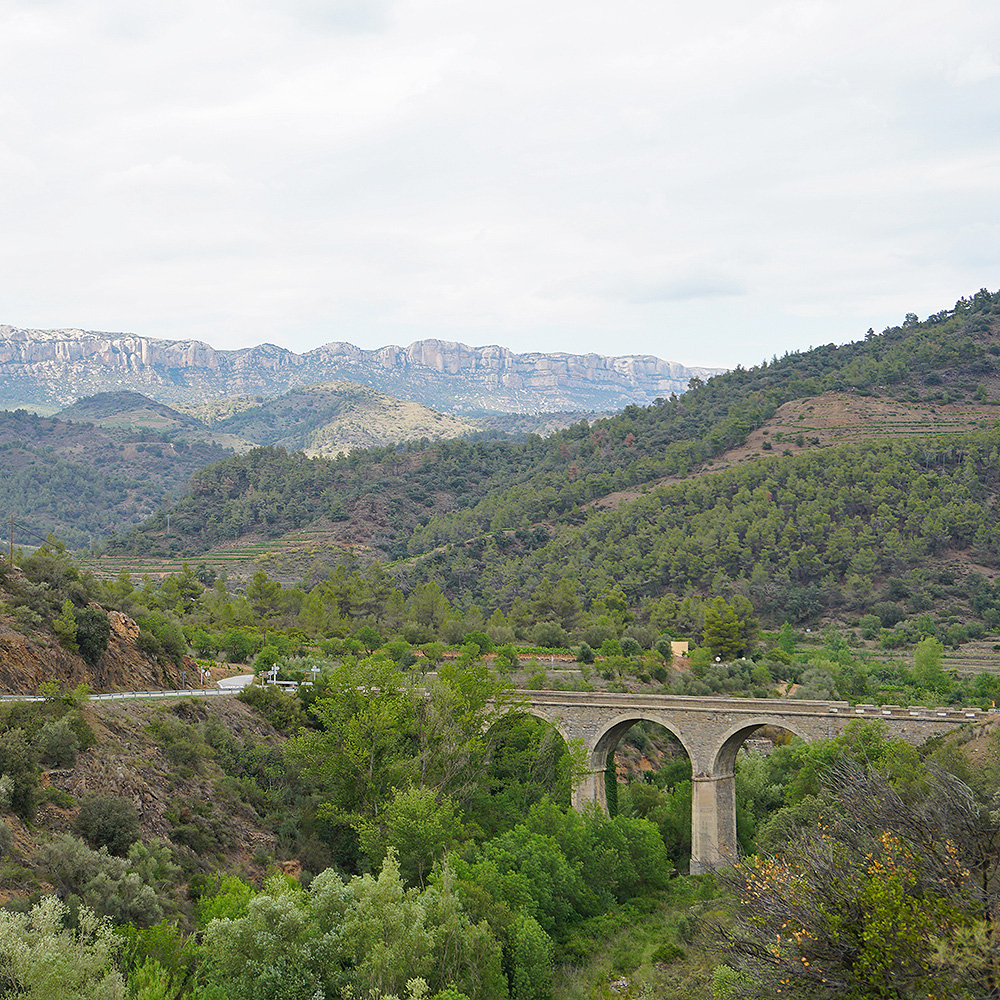
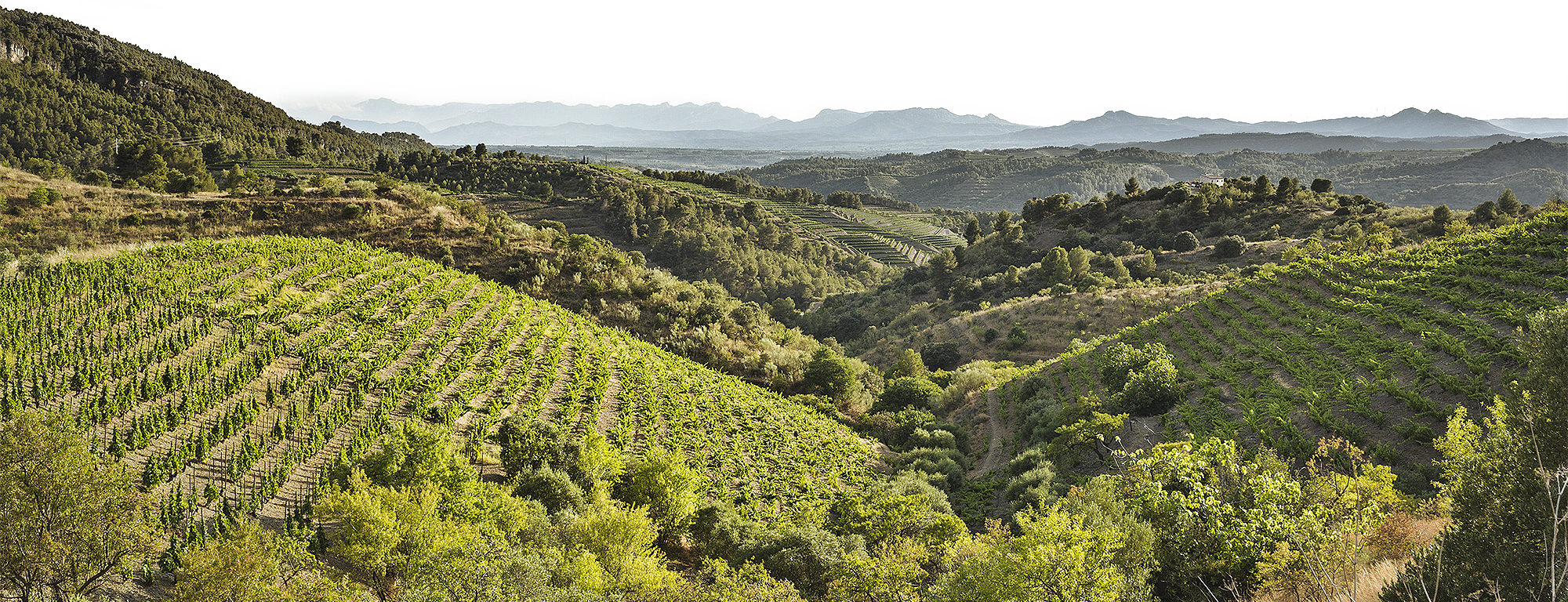
A tiny 12-square-kilometer enclave defined by steep slopes with altitudes from 120 to 800 meters above sea level, Priorat is a world of varying exposures. Only 15 kilometers from the coast, the region benefits from cooling Mediterranean breezes that sweep in from the north, moderating the intense Catalan sun.
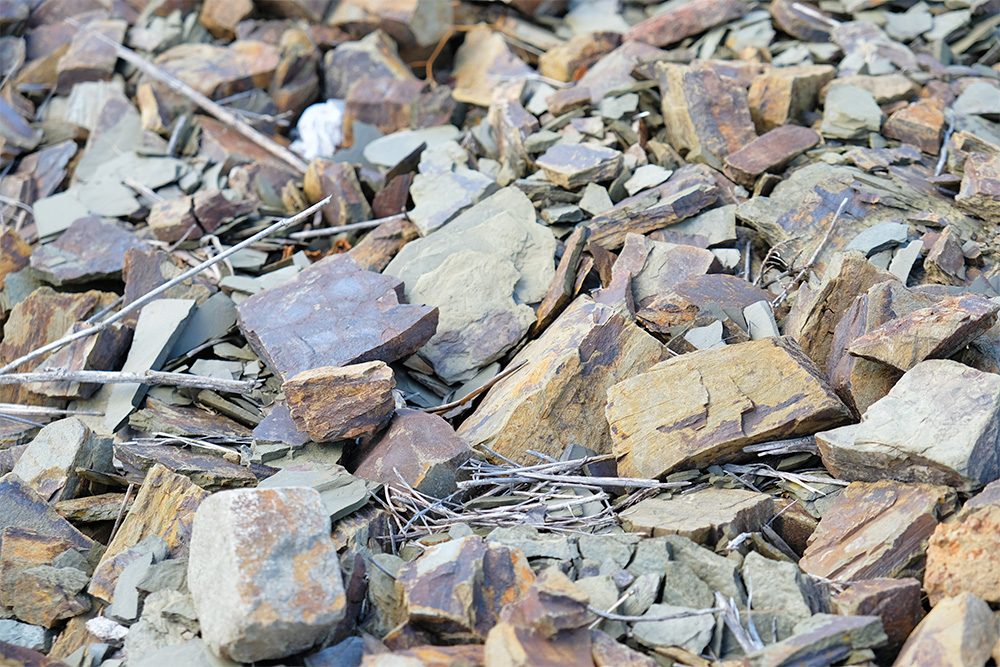
Here, the struggle of the vine is not a metaphor, but a centuries-old reality of survival. To understand these wines is to understand the tension of the costers, or slopes. At the heart of it all is the ancient Devonian slate known locally as llicorella. The dark-colored slate absorbs heat, allowing grapes to attain full ripeness, and the well-draining soil forces vines to struggle for water, challenging them to produce fruit of extraordinary character and complexity. At the same time, the dramatic altitude and the proximity to the Siurana River provide a cooling breath that preserves acidity.
Jose works these slopes with truly heroic viticulture, regularly scaling gradients exceeding 50%. Here, tractors are a fantasy; even the mules refuse to venture up to the steepest plots. Farming is organic, with no herbicides or pesticides, and humility dictates every decision in the vineyard. As Jose says: “These vineyards don’t belong to us. When I pass away, these vineyards will remain here… This is a magical place.”
Process & Philosophy
Rigor and Restraint
In the cellar, the philosophy is one of principled restraint. Understanding that Priorat’s terroir is best expressed quietly, Jose avoids the “blueberry-oak” clichés of the recent past. He vinifies with precision and simplicity, and his philosophy is deceptively minimalist: “If you don’t want to eat it, don’t put it in the tank.“
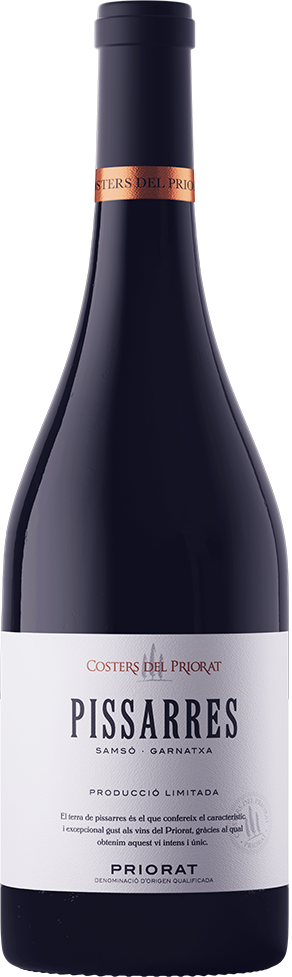
The blended terroir wine, Pissarres, paints a broad picture of the landscape, while the Rocafosca bottlings focus on specific barrel selections from choice vineyards. The single-vineyard wines, Clos Cypres and Clos Alzina, showcase the limitless potential of old vines on Priorat’s hills.
His philosophy is the opposite of “one size fits all.” All the wines spontaneously ferment with indigenous yeasts, but aging takes place in large oak, cement, and amphora, depending on vineyard and vintage. For the white wines, he champions brisat, a traditional Catalan skin-contact method that bridges the gap between ancient texture and modern purity.
By removing the noise of modern intervention and emphasizing elegance over power, Jose allows the region’s true soul to express itself.
Products
Wine
Costers del Priorat Pissarres 2023
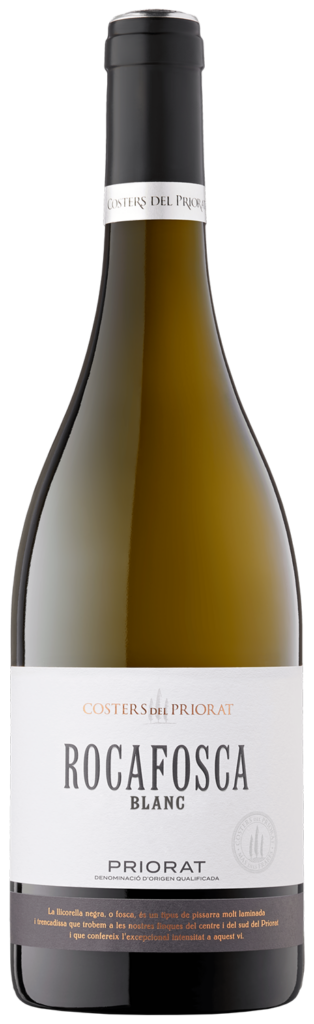
Costers del Priorat Rocafosca Blanc 2024
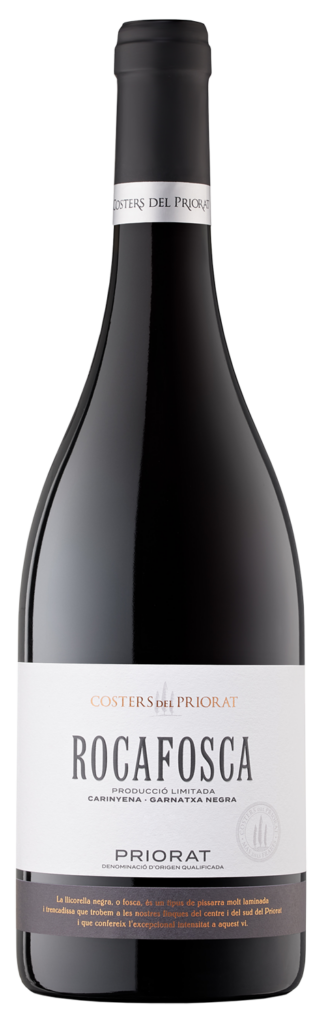
Costers del Priorat Rocafosca 2022
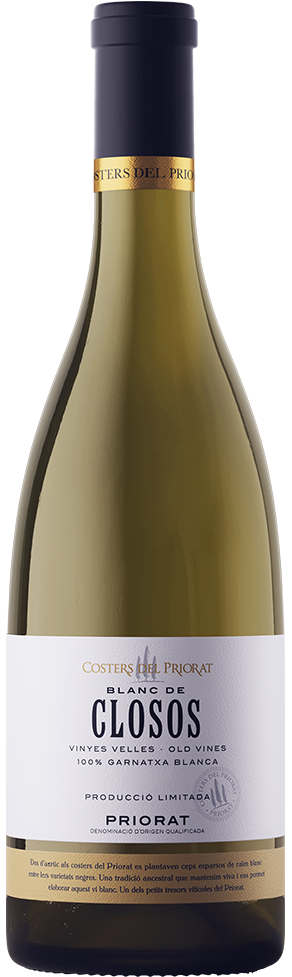
Costers del Priorat Blanc de Closos Priorat Blanc 2020
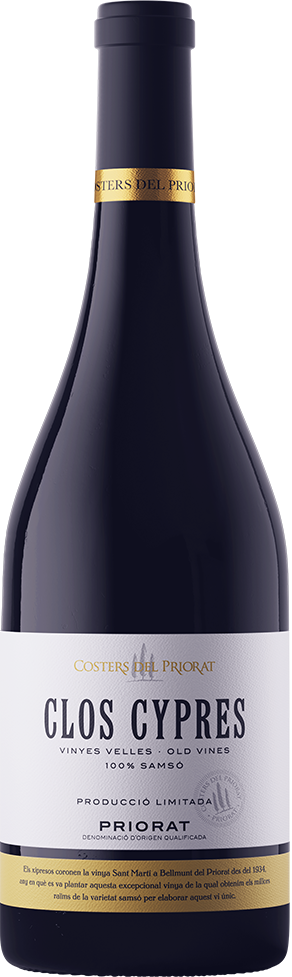
Costers del Priorat Clos Cypres Priorat 2019
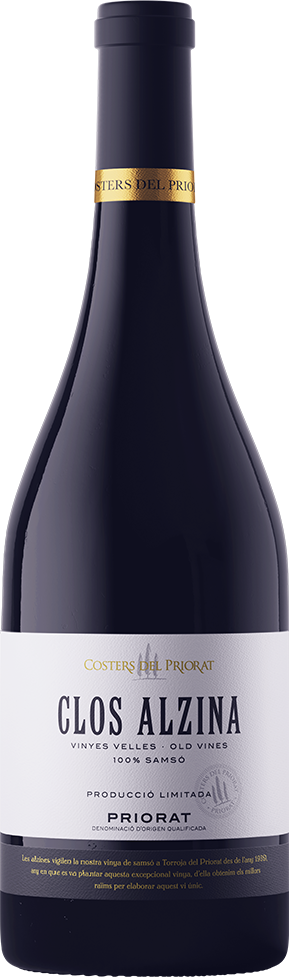
Costers del Priorat Clos Alzina Priorat 2022