Avinyó
Penedès | Catalonia

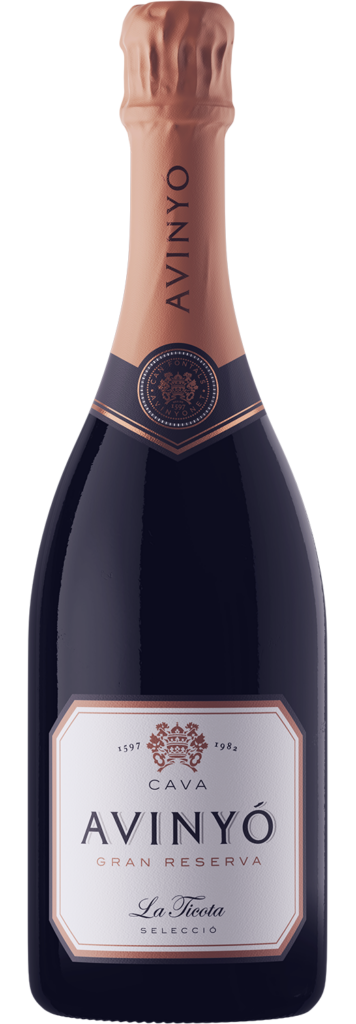
Cava Avinyó is a premier, artisanal sparkling wine house located in Avinyonet del Penedès, where the Esteve family has lived since 1597. Operating above the expectations of the industrial Cava machine, Avinyó’s spirit of innovation and their respect for tradition sets them apart as one of the finest producers of Cava.
Introducing the Estate
Head and Shoulders Above the Rest
Avinyó Cava has long operated by its own standards, making wine at a level far above the demands of their surroundings. A constant desire for self-improvement and a relentless drive for quality have defined the way they work for generations. The family still lives and works in the village of Avinyonet del Penedès, where their family home, Can Fontanals, has stood since 1597.
As De Maison Selections’ first import, we are proud to say that their wines continue to embody the Catalan saying that graces every bottle: “Del most flor, amb la dedicació i el rigor de l’obra artesanal ben feta”— “From the best part of the harvest, with the dedication and rigor of finely-crafted artisanal work.”


History & Origins
Pioneers of Quality
Until the late 19th century, the Esteve family made their living from growing and selling grains, legumes, and wine. But when phylloxera crossed the border from France into Spain, the family was dealt a double blow: the pest completely destroyed their vineyards, and the subsequent failure of the region’s banks wiped out their savings.
Faced with starting over, Joan Esteve Marcè looked for opportunity in their hardship. He developed a plan to rebuild, focusing on the production of quality grapes for winemaking. In 1889, he traveled to France and returned with new, phylloxera-resistant rootstocks, which he used to replant the entire estate. Joan’s gamble paid off, and he spent the rest of his life building up the family winery.
The same spirit of innovation that sent Joan to France prompted his son, Joan Esteve Nadal, to follow in his father’s footsteps. Even as the family continued to sell the majority of their production to the large Cava houses, Joan “Junior” honed his winemaking craft in France, learning how to make world-class sparkling wine. He would later bring the first tractor to the Penedès region in 1957, and expand the family’s vineyard holdings by planting more traditional grapes such as xarel-lo, macabeo, and parellada.
The first wine labeled as Cava Avinyó was produced in 1982, and the Esteve family gradually became known to locals as a source for incredible hand-made sparkling wines from traditional grape varieties. Today, third-generation Xavi Esteve and his siblings, Luis, Pedro Juan, and Mercé, continue to care for their family home and protect the Esteve family legacy.
Ceramics
Artisans of the Land

The need to find new sources of income during a couple of very bad vintages when hail wiped out their production led the family to start a parallel project related to ceramics. Josefina Nadal, Joan Esteve Nadal’s wife and the family matriarch, is a celebrated artist who studied at the Escola Massana in Barcelona and makes tiles, plates, and ceramic murals in the traditional style and methods of Cerámica Catalana developed in the 1800s.
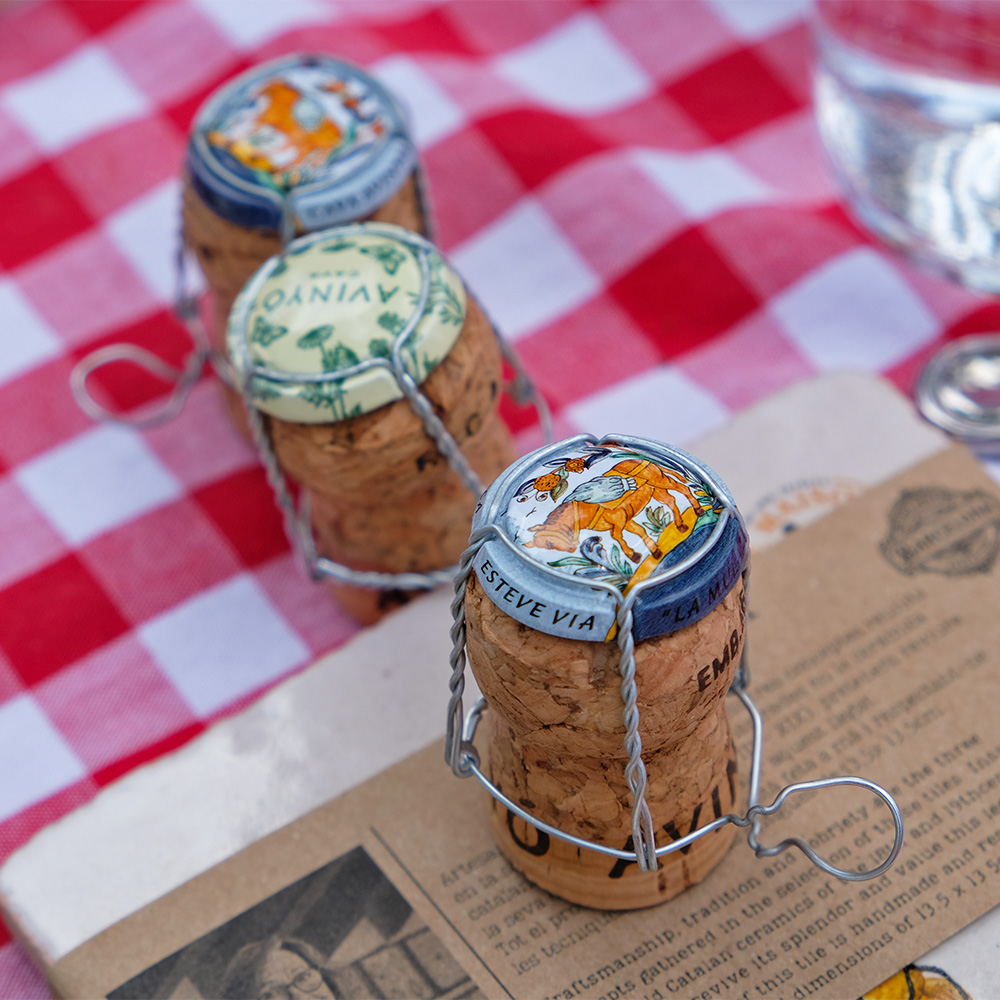
Her work was a much-needed breath of fresh air in a moment of economic suffocation for the family. The ceramics business, begun out of necessity and continued out of vocation, remains strong to this day. The capsules that adorn Avinyó’s corks are based on original, handpainted tiles made by Josefina using the same pigments that were used in the 18th century. She does not use any of the synthetic pigments commonly found today, an authentic approach that differentiates her tiles from the mass-produced ones found in tourist shops. Each of the capsules in a series coincides with a different disgorgement, and today they are regarded as collectables.
The family’s two crafts are both ways of expressing the land. They share a way of working and a philosophy based on knowledge of the earth and craftsmanship as a starting point for creation.
As the Esteve family says: “We love the land and we’re passionate about being able to express ourselves through it. We choose it, care for it, and work it, and that’s why we describe ourselves as ‘artisans of the land.’ ”
As the current generation continues to make incredible wines from vineyards that they farm with great care and respect. In the family tradition, we can expect excellence for generations to come.

Vineyards & Farming
A Cava of Place and Process

Avinyó believes that to make a great Cava, the most important factor is the time spent in the vineyard. As a result of this commitment to origin and ancestral agricultural methods adapted to modern times, all their vineyards are certified organic.
They also follow some principles of biodynamic viticulture: for example, they plow in summer during a waning moon to conserve soil moisture, and plow in winter during a waxing moon to dry the soil and encourage evaporation. For them, these practices allow nature to feed on its own energy.
Avinyonet del Penedès sits in between the better-known towns of Vilafranca del Penedès and Sant Sadurní d’Anoia, in the eastern part of the Alt Penedès. Thanks to its privileged position, the Mediterranean-influenced climate is moderated by gentle daytime breezes and cooler nighttime temperatures, providing ideal conditions for optimal grape ripening. Deep, well-draining, silty-loam soils are rich in calcium carbonate, ensuring a balanced harvest, even in years of drought.
The Esteve family home, Can Fontanals, sits just 100 meters from a 2,800-year-old archaeological site where evidence of viticulture and wine consumption has been found. Archeologists have discovered seeds of vitis vinifera along with imported Phoenician ceramic material and elements linked to early grape growing. Thus, we could say that the first documented vineyards in this part of the Iberian Peninsula may have been the ancestors of Cava Avinyó’s modern vines.
Process & Philosophy
Excellence and Innovation

Avinyó has always exceeded the standards set by D.O. Cava: all their wines are made from certified organic, estate-grown grapes, and are vintage-dated. No reserve solera wine is used to alter either the expression of the vineyard or correct for a “house-style”.
The minimum aging for their flagship Reserva Brut cuvée is 24 months, above the minimum 18 months the designation requires, and their Gran Reserva is aged for double the required time. All of their Cavas are classified as Cava de Guarda Superior, and they are one of just 18 wineries in the D.O. to have the Elaborador Integral seal, meaning everything in the winemaking process from vineyard to bottle is done on site.
After a night-time grape harvest to avoid oxidation and for optimal temperature, the grapes are pressed very gently in a pneumatic press. The base wine is fermented in temperature-controlled stainless steel between 14°C and 16°C. After cold stabilization, the wine begins its secondary fermentation in bottle with the addition of yeasts and sugar in late January, then aged a minimum of 24 months on the lees for their Brut and Brut Nature cuvées and a minimum of 60 months for their Gran Reserva bottling. Each shipment of wines is disgorged on-demand for refrigerated transport to the US, so flavors are always fresh and vibrant.
Two very special wines, a direct-press Rosé Reserva and Blanc de Noirs Reserva, are produced from a single-vineyard planted entirely to pinot noir, Finca La Fassina, located on the geographical limit of Avinyonet del Penedès on a cool-climate site, protected from the winds of Levante where pinot noir prospers.
Never content to rest on their laurels, the Esteve family has also ventured beyond traditional Cava with their incredibly popular Petillant, a light, refreshing, lightly sparkling wine made from Muscat de Frontignan with a small percentage of xarel-lo and macabeo.

Pushing the Standards
Steadfast in Quality

Today, DO Cava is fighting to shake off the reputation for making industrially-produced, cheap sparkling wine that it developed at the end of the 20th century, driven by large, industrial houses that commodified the category to the point of driving both grape and wine prices into the ground.
This race to the bottom means that most Cava does not come from estate vineyards, let alone organically-farmed vines. Rather, they are industrially produced from an anonymous re-fermented base wine, aged for the bare minimum, adorned with a fantasy label from a winery which does not exist, and shipped off to unsuspecting consumers.
Amid this situation, Avinyó is one of the few producers who has stood the test of time as a beacon of quality. The dire situation in which Cava finds itself only drives the resourceful Esteve family to push their standards of quality higher with every vintage, setting themselves in bold contrast to companies who do not farm their own fruit or even know the origin of their grapes.
Products
Wine
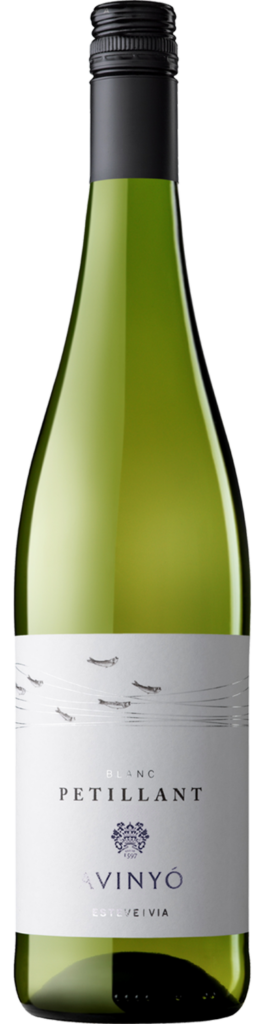
Avinyó Petillant 2025
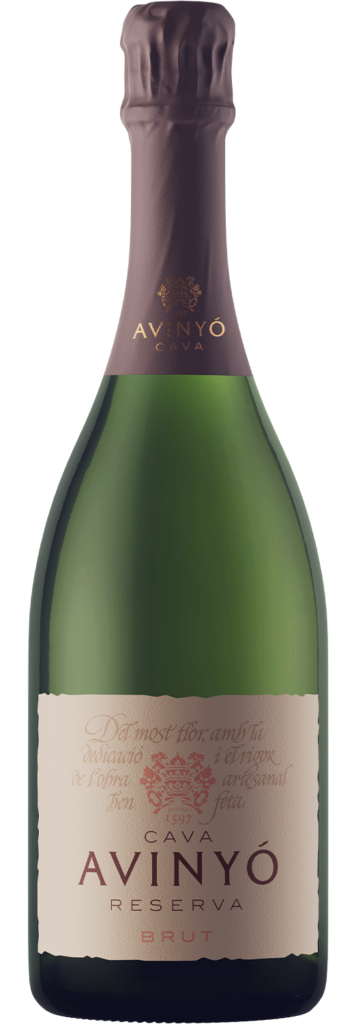
Avinyó Cava Brut Reserva 2022
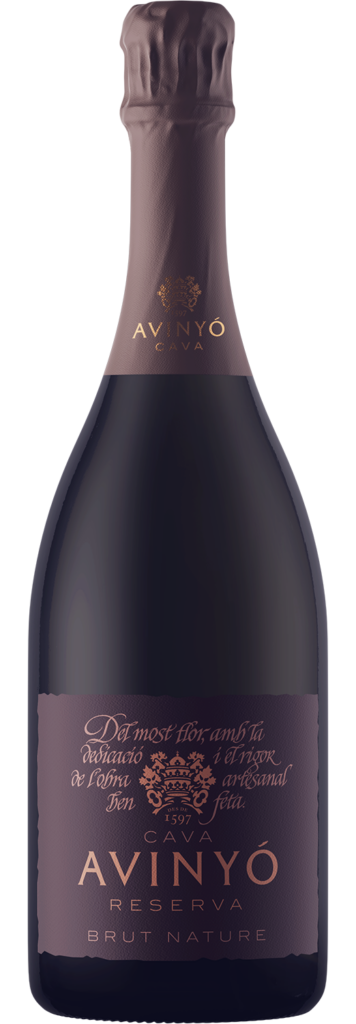
Avinyó Reserva Brut Nature Cava 2021
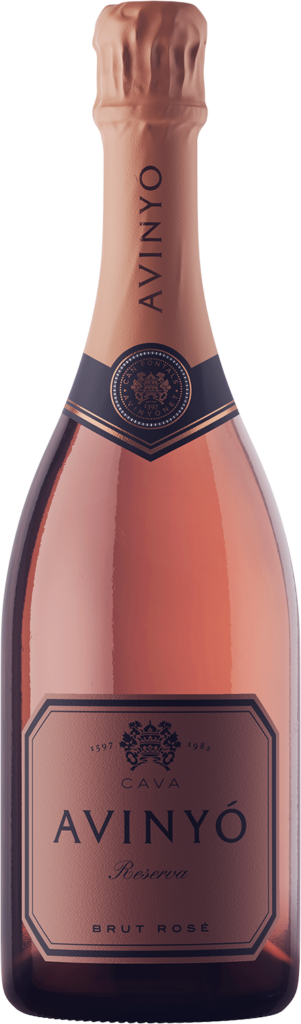
Avinyó Rosé Reserva Brut Cava 2023
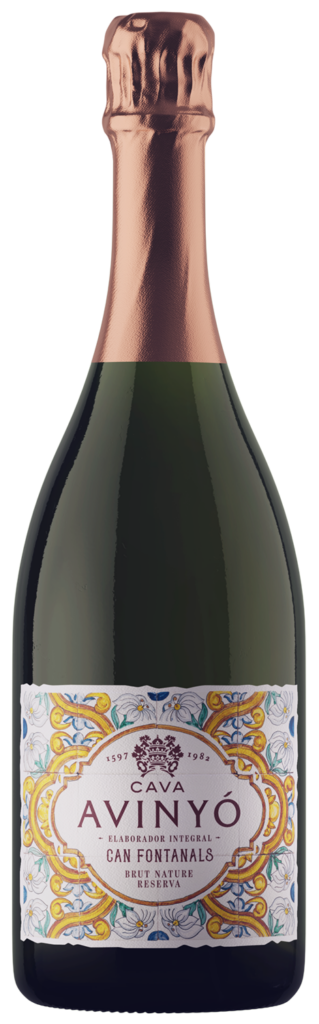
Avinyó ‘Can Fontanals’ Cava Reserva Brut Nature 2020