Pierre Brocard
Côte des Bar | Champagne

Grower-producer Thibaud Brocard is the young and dynamic fifth-generation to run his family estate, where he makes pure, high-energy wines of resonant mineral impact from the limestone terroir of the Côte des Bar, the southernmost area of Champagne.
Introducing the Producer
Five Generations of Class
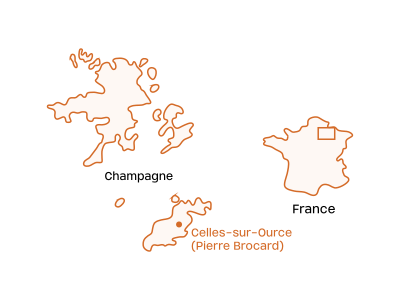
Vigneron Thibaud Brocard is the fifth generation to work his family vineyards near the village of Celles-sur-Ource, within the Barséquanais area of the Côte des Bar, the southernmost subregion of Champagne.
A deep-thinking and committed vigneron, Thibaud rigorously pursues the best practices for living soils in the vineyard and delineated, energetic wines in the cellar. Stylistically, he focuses on purity: native yeast ferments, vinifying primarily in stainless steel, and longer lees-aging for complexity.
All of these practices make for broad-shouldered, direct wines with long, bombastic mineral finishes that express the Kimmeridgian and Portlandian limestone soils of the area.
History & Origins
A Nine-Hundred Year Legacy
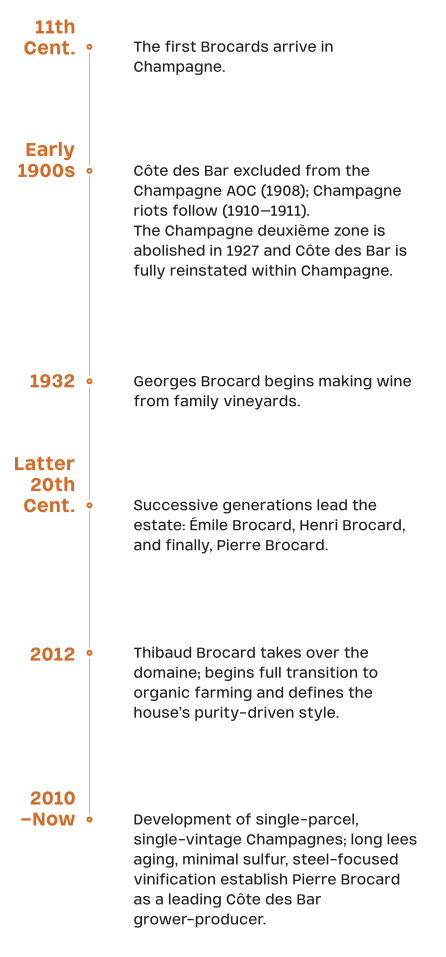
The Brocard family settled in Champagne to grow grapes in the 11th century. In 1932, Thibaud Brocard’s great-great-grandfather George Brocard began making wine from the family’s vineyards in the Vallée de l’Ource. George was then followed by Emile Brocard, Henri Brocard, and then Pierre Brocard, Thibaud’s father, for whom the current company is named. Thibaud officially took over the family Champagne house in 2012.
Producer Bio
A Clear Vision
Thibaud’s vision is laser-focused toward the clear transmission of the energy and singularity of his terroir. At Pierre Brocard, the sole interest is in pursuit of delineated wines of exceptional purity, minerally charged by the limestone terroir of the Côte de Bar. After spending five years apprenticing with respected names in Burgundy, Thibaud became the fifth generation of the Brocard family to take over the domaine and its 6.5-hectare vineyards in 2012.
He produces one multi-vintage champagne and several single-vintage, single-variety champagnes from chardonnay, pinot noir, and pinot meunier, a vinous rosé champagne, as well as still wines that are emblematic of the north- and south-facing vineyards on the famed Kimmeridgian and Portlandian soils that the Côte de Bar shares with Chablis.
Thibaud’s Philosophy
A Vigneron, Through and Through
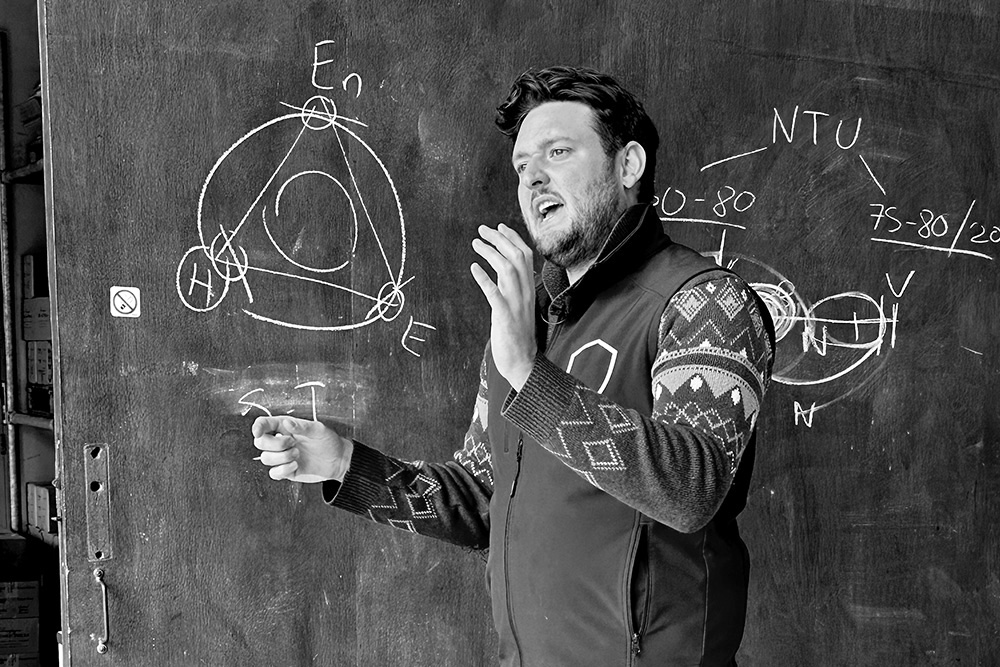
Thibaud uses a combination of organic, biodynamic, and regenerative farming practices in his forested environment of Côte des Bar. He works his vineyards by hand with a balance of intensity and sensitivity learned from years of experience.
He uses no synthetic chemical products in the vineyards—a rarity in an area where liberal use of chemicals in the vineyard is the standard. Anti-rot and anti-oidium products are all natural, and he carefully fights mildew with tiny doses of copper, as he is sensitive to its overuse.
While Thibaud chooses not to certify his wines—he is not a dogmatist—and is vehemently against farming or winemaking trends, living soils are of the utmost importance to him as he believes the vigneron’s job is to be responsible for his terroir.
In the cellar, experience has resulted in a simple approach: with rare exceptions, he vinifies in steel with spontaneous fermentations using native yeasts from the vineyards, followed by long aging on the lees, the sparing use of dosage for balance, and bottle-aging before release.
“My way of working with the vineyards and wine is very simple. In my eyes, understanding and taking care of my vineyards is the biggest part of my job as a winemaker. I make mostly vintage wines from single grape varieties, without blending, from single parcels. Plots are always vinified separately with native yeasts, with extra-long aging on the lees.”
Thibaud Brocard
Vineyards & Land
A Riotous Terroir
At the turn of the century, the Côte des Bar was thought of as a distant land, often viewed with distrust by those in the central Marne. This attitude led to the exclusion of the Côte des Bar from the Champagne AOC in 1908, culminating in the Champagne riots of 1910–1911 and the assignment of a secondary status to the Aube: Champagne deuxième zone. Needless to say, the vignerons of the Aube were none too happy with their relegation to a lesser designation, and one can easily imagine their determination to prove the value of their terroir when the deuxième zone was finally abolished in 1927.
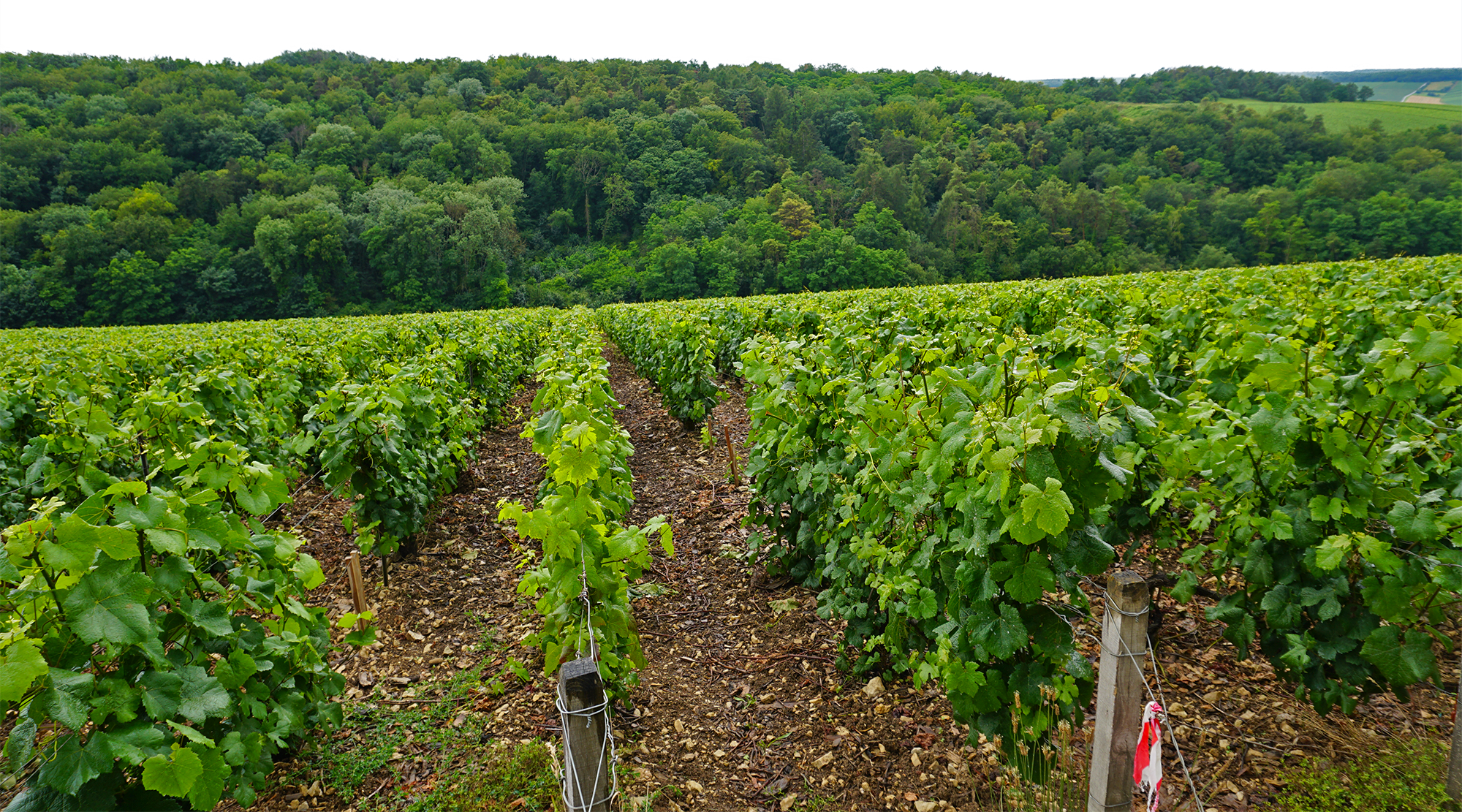
But in reality, temporarily being shut out from Champagne may have benefited the vignerons of the Aube. Because of its years of relegation, the Côte des Bar became a hidden gem of polyculture, with a patchwork of idyllic hillside vineyards set above lush valleys lined with small rivers. This landscape funnels air through the valleys, augmenting the quick turns of both warm and cold temperatures, increasing pressure for disease, and creating a high-wire act of tension in the great wines of the area.
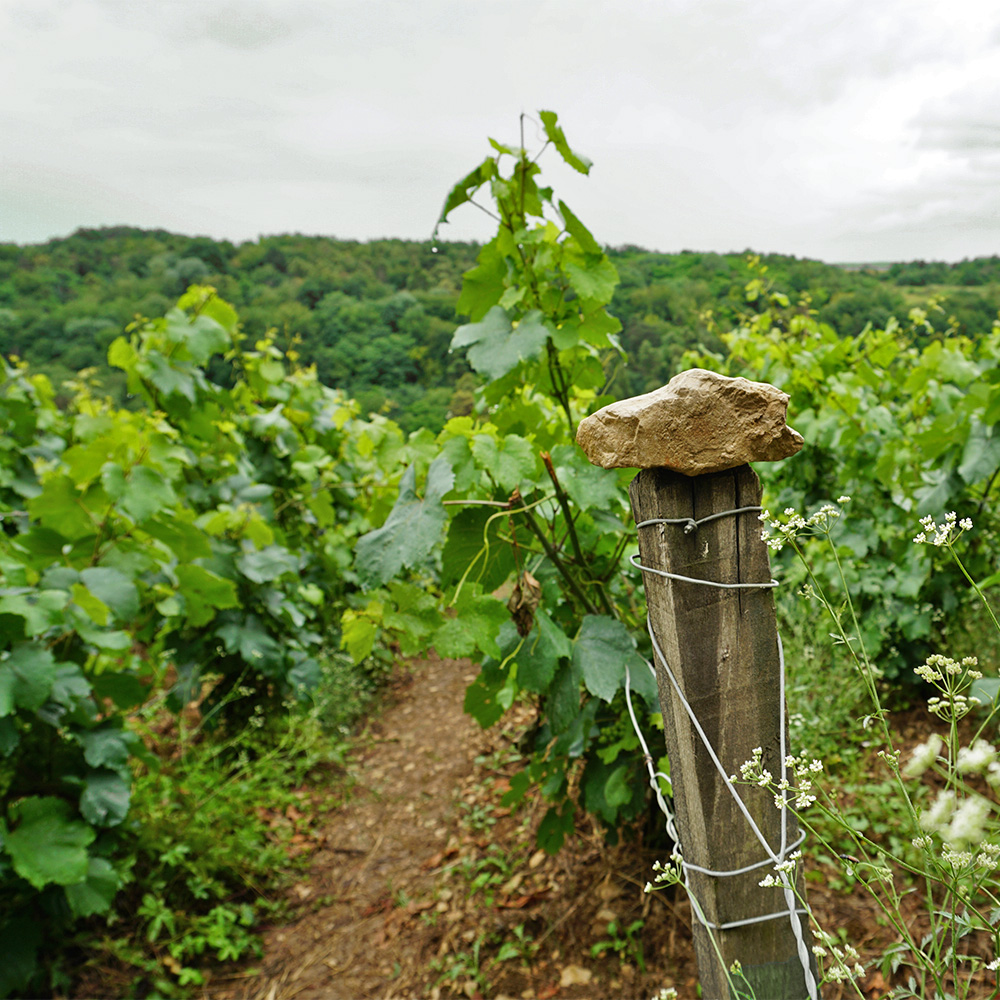
Pierre Brocard’s estate vineyards are located near the village of Celles-sur-Ource in the southern Barséquanais area of the Côte des Bar. The Ource empties into the Seine river downstream of Celles-sur-Ource, bordering the two neighboring communes Bar-sur-Seine and Merrey-sur-Arce. The Brocard family farms vineyards on both sides of the Ource river, with both northern and southern exposures.
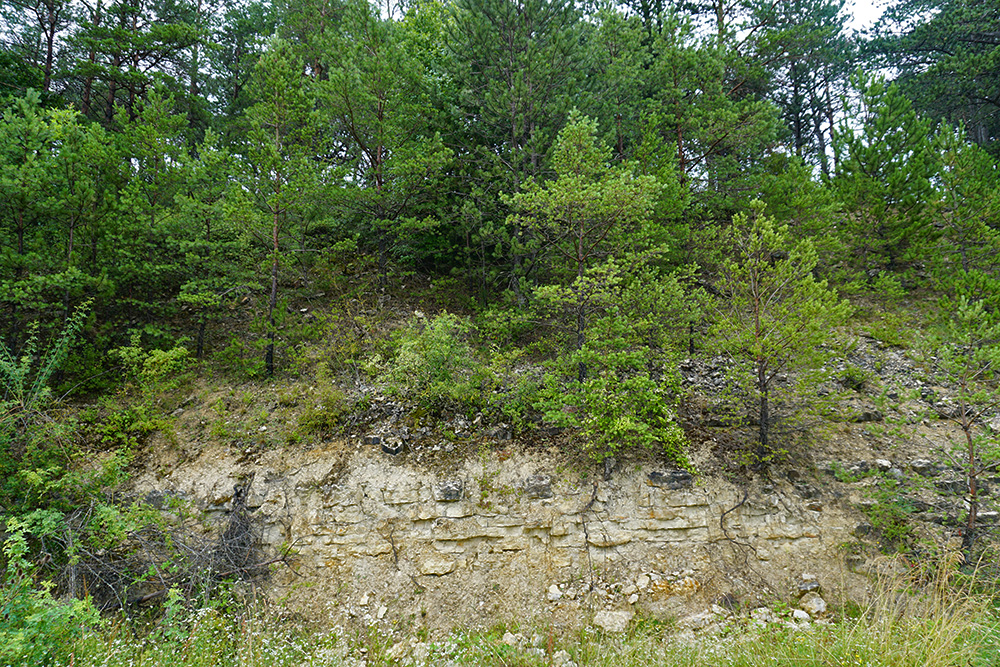
Soils in the Côte des Bar consist of limestone from two different parts of the Jurassic period: Kimmeridgian limestone marl from 150 million years ago, which belongs to the second stage of the Upper Jurassic period, and the slightly younger Portlandian limestone. Kimmeridgian soil has dense, compact layers of limestone and clay marl containing the abundant fossils of tiny oysters and other marine organisms. Portlandian limestone is harder and more brittle, with calcareous marl, and is usually found on plateaus and near the crests of hills.
Thibaud transitioned all of the family vineyards to organic farming upon his return to the estate in 2012. He does not use any synthetic chemical products in the vineyard, and mildew is carefully managed with tiny doses of copper, as he is sensitive to its overuse. Vineyards have been glyphosate-free for more than 20 years due to an early decision by the family to stop the use of herbicides, a rarity in the area.
In The Cellar
Steel & Patience
In the cellar, Thibaud prefers to vinify primarily in stainless steel over oak barrels, as he feels a neutral vessel preserves each parcel’s terroir expression.
Grapes are handpicked and sorted in the vineyard before being gently crushed in a vertical Coquard press. Free-run juice goes into cement tanks for a cold soak before fermentation with native yeasts, in order to give each wine the profile of its vineyard.
Thibaud prefers long lees-aging in bottle for a period of three to five years, as well as an average of nine months of post-disgorgement aging in bottle to allow his wines the proper time to integrate before release.
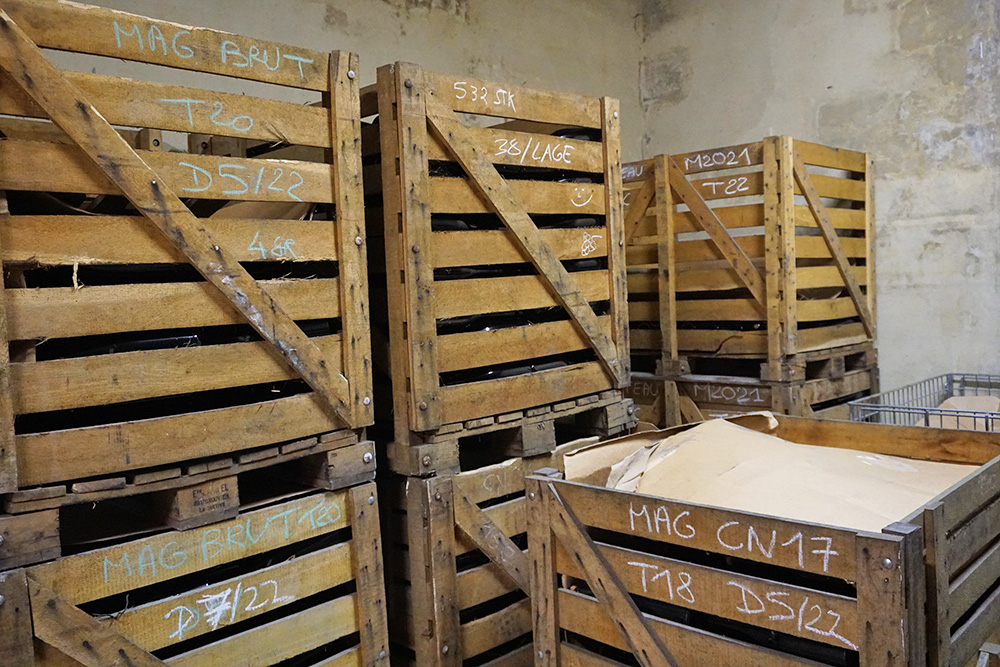
He keeps the use of sulfur dioxide in the winery to the absolute minimum by using nitrogen to protect his tanks and solera while preserving fruit and clarity of expression. The resulting wines have little to no sulfur added, with an average of 18-32 mg/l of total SO2 depending on vintage and cuvée. All the champagnes at Pierre Brocard are unfiltered and bottled without cold stabilization, and fined gently using bentonite.
‘Dits-Lieux’, Pierre Brocard’s multi-vintage cuvée, spends two to three years on the lees in bottle before release, and is a terroir expression of ten parcels primarily made up of pinot noir, supported by chardonnay and pinot blanc.
The heart of his production comes from a south-facing parcel of chardonnay and pinot noir planted in 1975 on Kimmeridgian and Portlandian soils surrounded by forest and protected by a wall of limestone called Val Frion. From this parcel, Thibaud produces two single-vineyard, single-vintage wines: Contrée Noire, from pinot noir, and Aube Saline, from chardonnay. Both are released after a minimum of 4-6 years on the lees in bottle without dosage. Thibaud also produces a small amount of Rosé de Saignée, a single parcel 100% Pinot Blanc called ‘Absimilis’, and Égarée from the high part of his Frion cru and still coteaux that are unbridled electricity in bottle.
Products
Wine
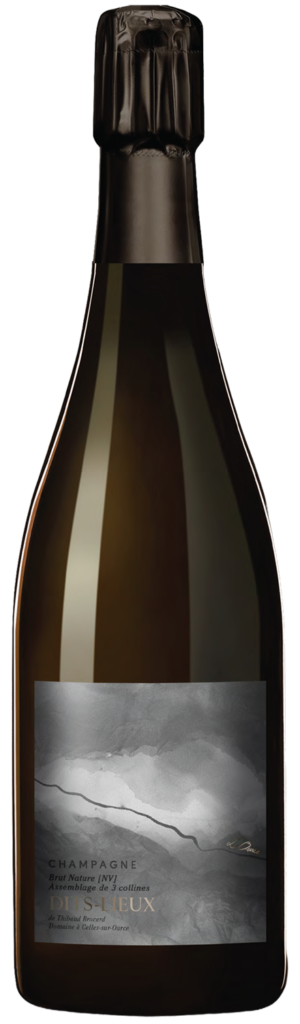
Champagne Pierre Brocard ‘Dits-Lieux’ Brut Nature Assemblage NV
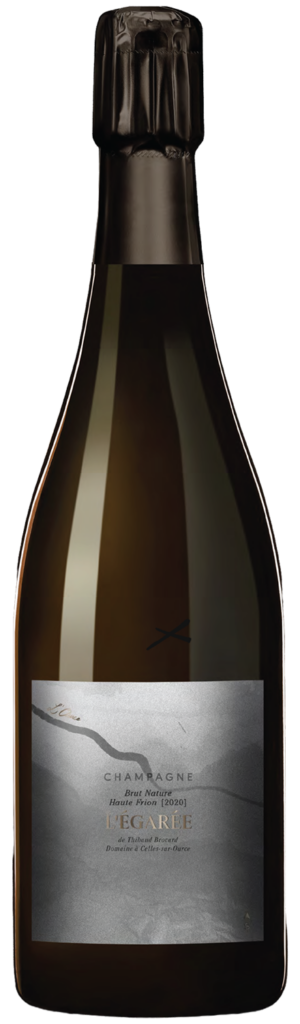
Champagne Pierre Brocard ‘L’Egarée’ Brut Nature 2022
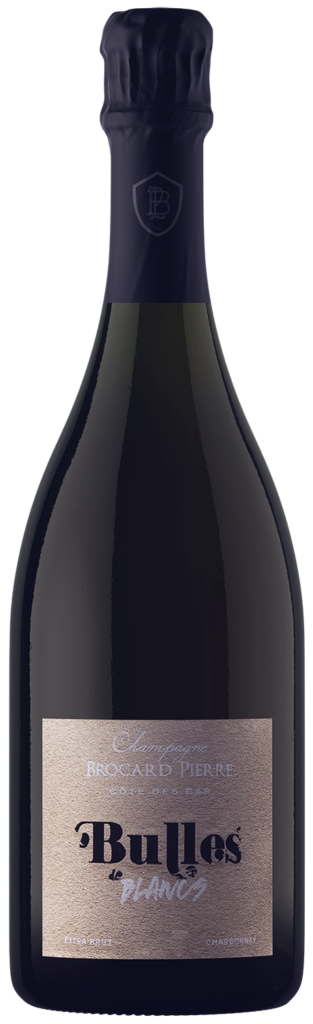
Champagne Pierre Brocard ‘Bulles de Blancs’ Extra-Brut 2018
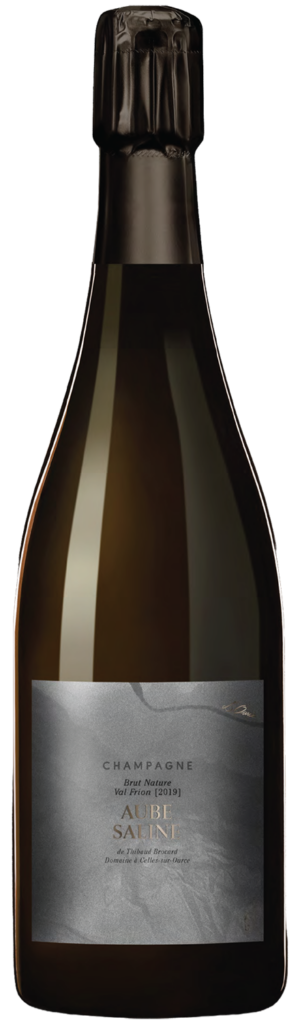
Champagne Pierre Brocard ‘Aube Saline’ Blanc de Blancs Brut Nature 2019
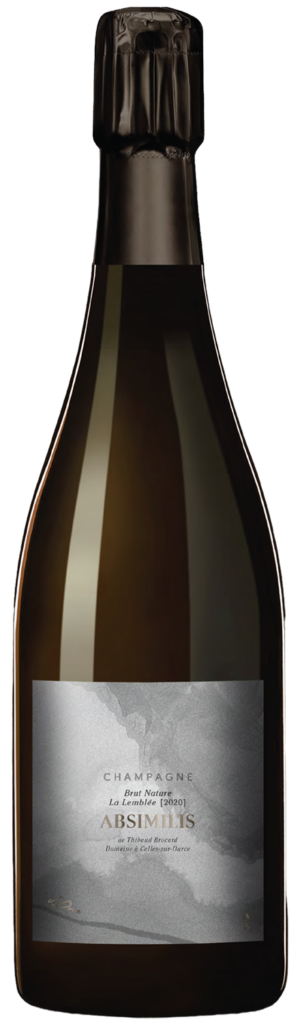
Champagne Pierre Brocard ‘Absimilis’ Blanc de Blancs Brut Nature 2019
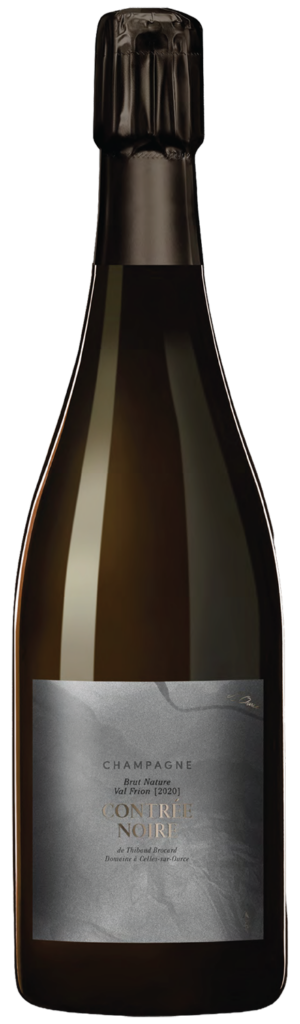
Champagne Pierre Brocard ‘Contrée Noire’ Blanc de Noirs Brut Nature 2019