



Rioja
North-Central Spain

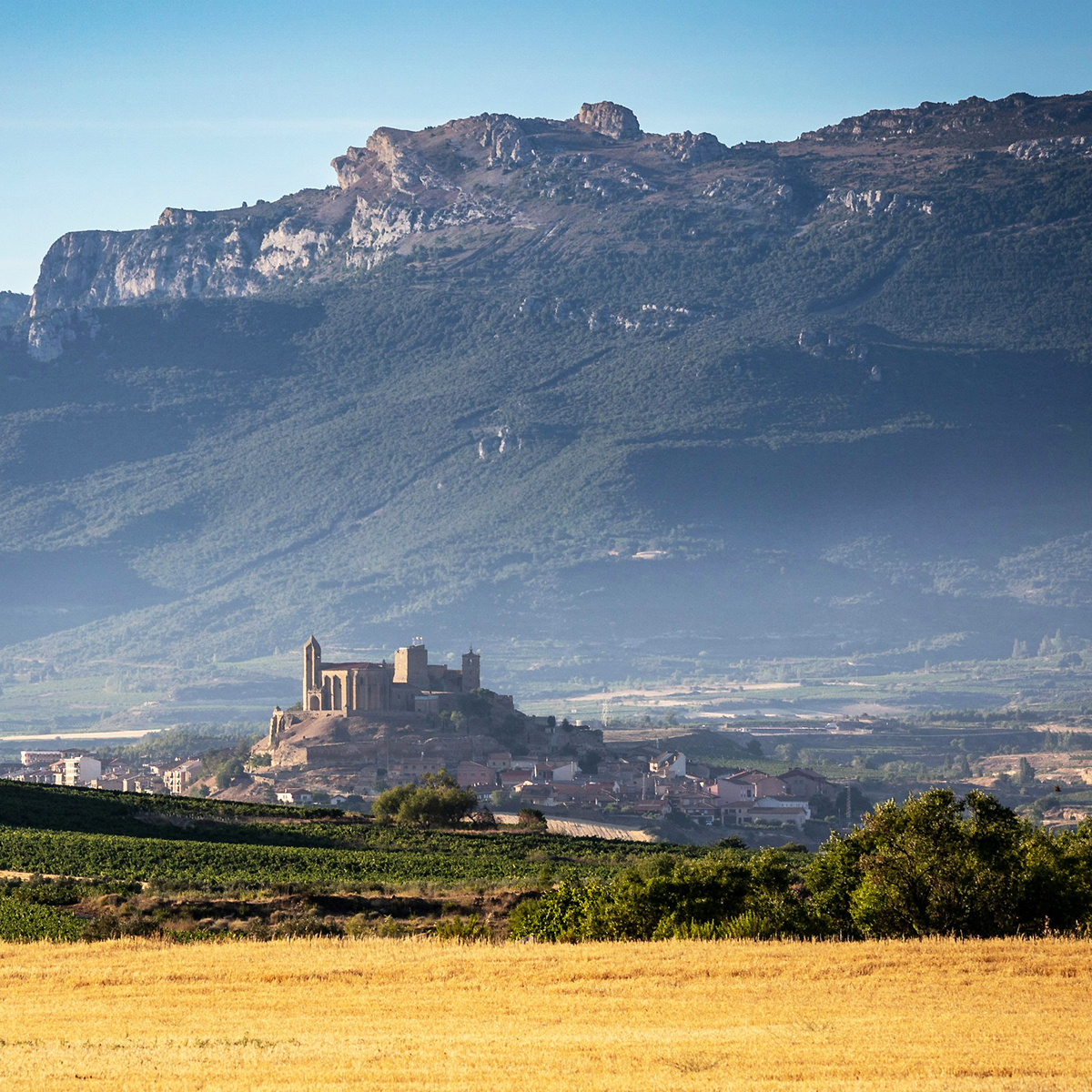
Rioja is the oldest, and probably most famous, wine region in Spain. With a wealth of grape varieties, microclimates, elevations, and soils, Rioja is a world of diversity that has slowly begun to awaken in the 21st century.

A temperate climate with Atlantic influence from the mountainous, coastal north and Mediterranean influence through the Ebro Valley to the southeast.
Goegraphy & Geology
A Whole World in Seven Valleys
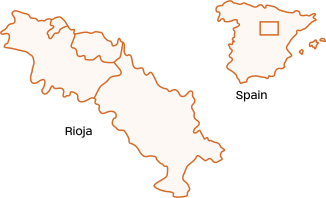
Spanning 120 kilometers in length, Rioja’s vineyard area is half that of Bordeaux and three times the size of Burgundy. Barely 200 meters of altitude separate its westernmost village, Haro, from its easternmost, Alfaro.
The main soil types in Rioja are clay and alluvial, with higher proportions of chalk or iron depending on the area. In Álava, soils are mostly calcareous clay, nutrient-poor with a high proportion of chalk, and difficult to cultivate. They are typically around one meter deep, with solid rock beneath. Deep, compact ferrous clay soils are mostly found on hillsides and higher elevations in the southeastern parts of Rioja. Meanwhile, alluvial soils can be found along the banks of the Ebro River and throughout the valleys formed by its seven tributaries: the Oja, Tirón, Najerilla, Iregua, Leza, Cidacos, and Alhama rivers.
Vineyards benefit from annual rainfall of between 400-600 liters per square meter, and around 2,000 hours of sunshine per year.
Subregion Breakdown
Discovering the Complexity Therein
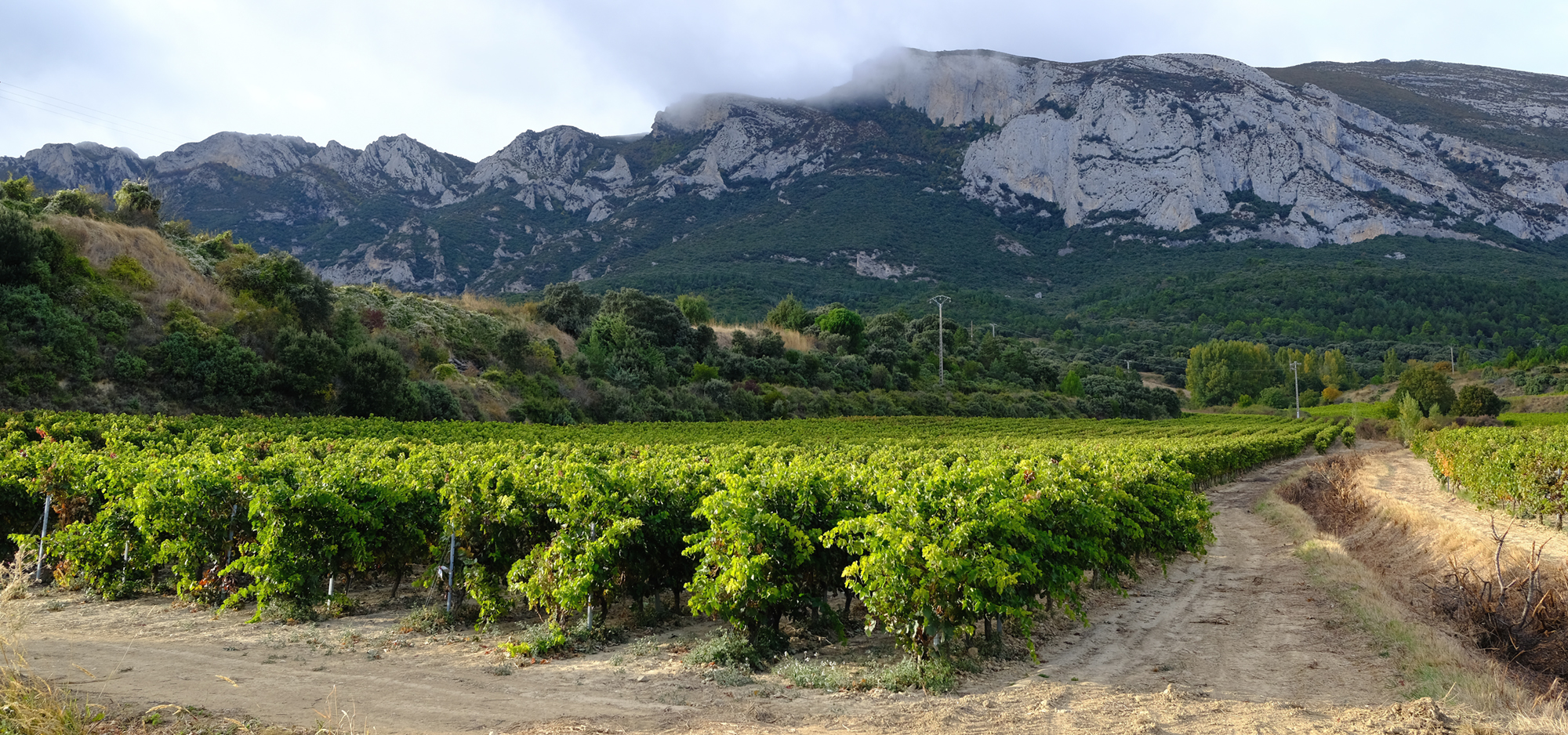
The region is often put into the box of one single style, and much of the wine world still considers Rioja only through the lens of barrel aging. At De Maison, we firmly believe that Rioja is one of Spain’s most exciting wine regions, with an enormous potential for greatness, and we’re proud to champion producers who are part of a terroir-focused reawakening.
Rioja has traditionally been divided into three zones of Rioja Alta, Rioja Alavesa, and Rioja Oriental (formerly Rioja Baja), but its climate and soils are much more complex than these broad zones. To forge a new understanding of Rioja and its wines, it’s important to reconsider its subregions from a modern viewpoint.
In their 2019 book Rioja: Vinos Silenciosos, Alberto Gil and Antonio Remesal Villar divided Rioja into as many as eight zones based on approaches to grape growing and terroir patterns. Their aim, which aligns very much with our approach to Rioja, was to define the region “not by political or administrative borders, but by microclimates, soils, grape varieties, and cultural practices.”
It would be a long read to lay out all of those subregions here, so we’ll limit our focus to the zones where our producers work.
The Sonsierra
The Mountain Rioja Heartland
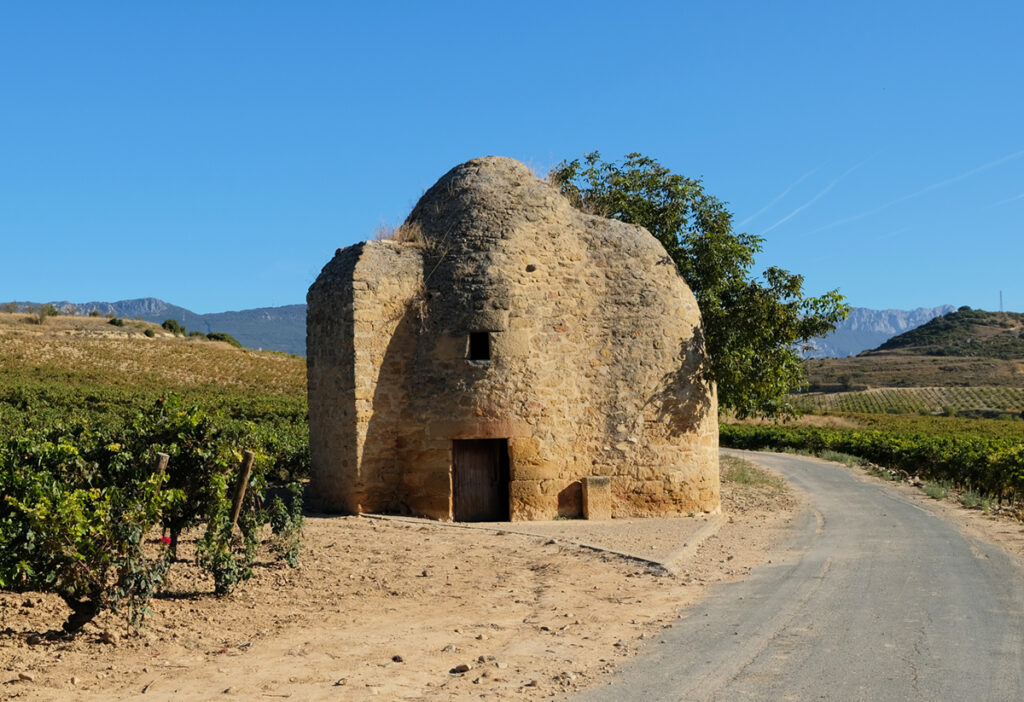
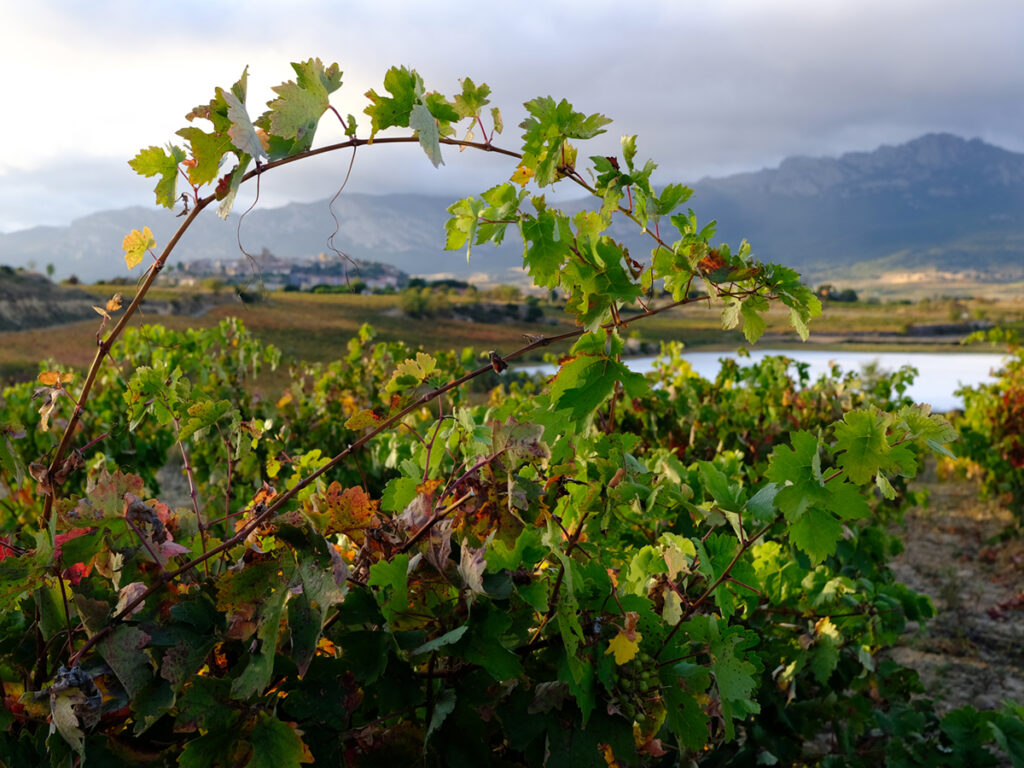
The northernmost part of the Ebro River Valley, tucked in the shadow of the Sierra Cantabria, is known as the Sonsierra. This region has a strong Atlantic influence in the western part, which gradually weakens and transitions to a more Mediterranean climate to the east.
The western part of the Sonsierra runs along the base of the Sierra de Toloño mountain range, encompassing both the Basque province of Álava and the autonomous community of La Rioja. Notable villages include Labastida, San Vicente de la Sonsierra, Briones, Ollauri, and Ábalos, where tempranillo is the most-cultivated grape. The irregular landscape results in vineyards with many orientations, exposures, and soils. Vineyards can be found from just over 400 meters above sea level on the banks of the Ebro to almost 800 meters ASL at the foot of the mountains. Plot sizes vary, with small parcels of old vines next to larger, more recently-planted vineyards. For the most part, soils are brown clay-limestone, with alluvial influences closer to the Ebro. Annual rainfall is around 500 millimeters, with dry autumns, rainy springs, extreme cold in winter, and extreme heat in summer.
Moving east along the Sierra Cantabria, the Sonsierra is fully in the Basque Country, near villages such as Laguardia, Samaniego, Villabuena, and Leza. Here, the climate is more continental in character than Atlantic, but there are maritime influences from both the Atlantic and Mediterranean. The Sierra Cantabria protects vineyards from the cold northern weather and its rain shadow makes summers very dry and hot. Winter temperatures are cold, but less extreme than those to the west. Soils here are similar to the western Sonsierra, and vineyards tend to be the same small, tempranillo-dominant groupings of parcels planted on different exposures and orientations.
Finally, to the south, near the meander in the Ebro that separates the Basque Country from La Rioja, vineyards are on terraces at different heights above and along the riverbank. The Ebro creates a special microclimate, softening temperature contrasts and creating fog and mist in the winter. Here there are more alluvial, sandy soils, with river stones and gravels of different sizes mixed in. This means soils drain well and force vine roots to grow deeper.
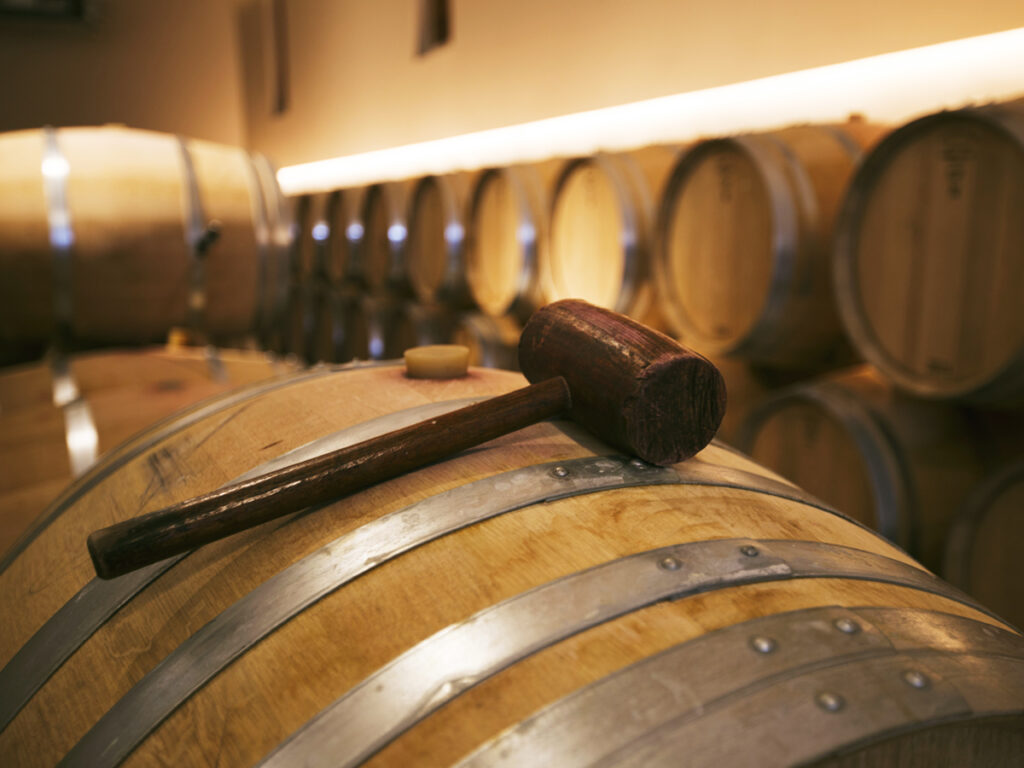
Barrel-Aging Legacy
A Story Written by Wood & Time
DOCa Rioja has strict labeling requirements based on aging classifications, but they don’t always reflect the reality on the ground. In the past, these requirements defined the quality levels of a wine, but their emphasis on aging and volume—a winery cannot label a wine as Crianza if they have fewer than 50 barrels, for example—means that many smaller wineries making terroir-driven, quality wines are left out. Many wineries that emphasize terroir and quality over volume age their wines far longer than what defines a Crianza or a Reserva, but for various reasons are forced to use the green “Genérico” label, the same label used for young wines.
All bottles sold under DOCa Rioja are marked with a color-coded sticker to signify their classification.
- Genérico (green) – These wines are traditionally unaged and released immediately after production. In recent years, this category has also come to include wines aged by methods different than those prescribed by the other classifications.
- Crianza (red) – Red wines must be aged for a minimum of two years, with at least one year in 225L oak barrels. White and rosé wines must be aged for at least six months in 225L oak barrels.
- Reserva (maroon) – Red wines must be aged a minimum of three years with at least one year in 225L oak barrels. White and rosé wines must be aged a minimum of two years between barrel and bottle with at least six months in 225L oak barrels.
- Gran Reserva (blue) – Red wines must be aged a minimum of five years with at least two years in 225L oak barrels followed by at least two years in bottle. White wines must be aged a minimum of four years with at least six months in 225L oak barrels.
Rioja wines defined by aging will always have a fanbase and a role to play in the greater Spanish wine landscape. However, the fact that they fundamentally ignore terroir in an area in which the scope of elevation, soil type, and climate variety is so very wide has always been a handicap, flattening these very meaningful differences under oak.
Regulation Revolution
A New Village- and Vineyard-Focused Era
The most recent progressive change in regulations from the Consejo Regulador of Rioja have acknowledged the desire for more transparent labeling that reflects the true origin of both the grapes and the final wine. As of 2024, Rioja DOCa now recognizes Vinos de Pueblo, meaning ‘village wines’, allowing producers to highlight a single (of 144) specific Rioja village by name, such as Samaniego or Laguardia. Previously, including a village name (as is de rigueur in most premier wine regions, like Burgundy) was illegal. The Vinos de Municipio designation was added in 2017 seeking to change that; however, it included the additional structural hurdle that the grapes had to be vinified in the same village in which they were grown.
Vinos de Pueblo maintains those same restrictions under a new name. However, to offer an added level of specificity, while allowing producers to make their wine in a different village from the vineyard, you’ll now see ‘Viñedo en’ (‘Vineyard in’) on labels. The Lindes de Remelluri wines are a great example of this, as each wine comes from a unique single site within the greater village cited on the label, but all are vinified at Granja Remelluri in Labastida. Fittingly, Telmo Rodríguez was one of the principal agitators pushing for such a change.
2017 also brought about the Viñedo Singular classification, recognizing exceptional vineyards that must be at least 35 years old, with low yields, and harvested by hand, albeit after certification by a DOCa tasting panel.
Now, winemakers have significantly more leeway to shift focus between village, vineyard, and cellar as it best suits their end goals. While this may appear to be the dawn of a brand new era in Rioja, it is, in fact, a reversion back to the way wine used to be made before outside influences created the conditions that incentivized consolidation, the infamously strict aging regimen, and the domination of tempranillo (and tempranillo only). The Rioja revolution that has only just begun, with exciting times are ahead for the region, and the scores of new acolytes that are coming aboard for the ride.
Producers
Wines from Rioja Alavesa
Cosecheros de Labastida
Labastida
A group of five growers, each making one wine from his family’s best vineyards in the ancient city of Labastida, following the cosechero tradition.
Luberri
Elciego
Led by the legendary Florentino Martínez Monje, Bodegas Luberri makes easy-to-pair, joyful wines based on inventive, meticulous farming in the heart of Rioja Alavesa.
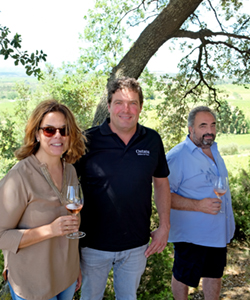
Ostatu
Samaniego
A family-owned winery in the shadow of the Sierra de Cantabria, making mountain wines from small organically-farmed vineyards.
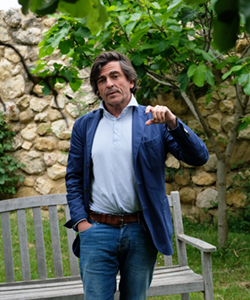
Remelluri
Labastida
An iconic Rioja proprety, crafting terroir-driven wines from organically farmed, estate-grown grapes, emphasizing village identity, sustainability, and low-intervention winemaking.
Wines from Rioja Alta
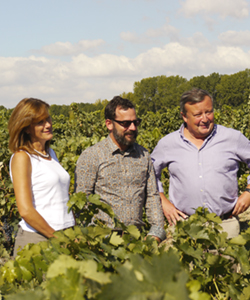
Conde de Hervías
Torremontalbo
An incredible micro-winery in northern Rioja Alta producing high quality single-vineyard wines from historic vineyards.