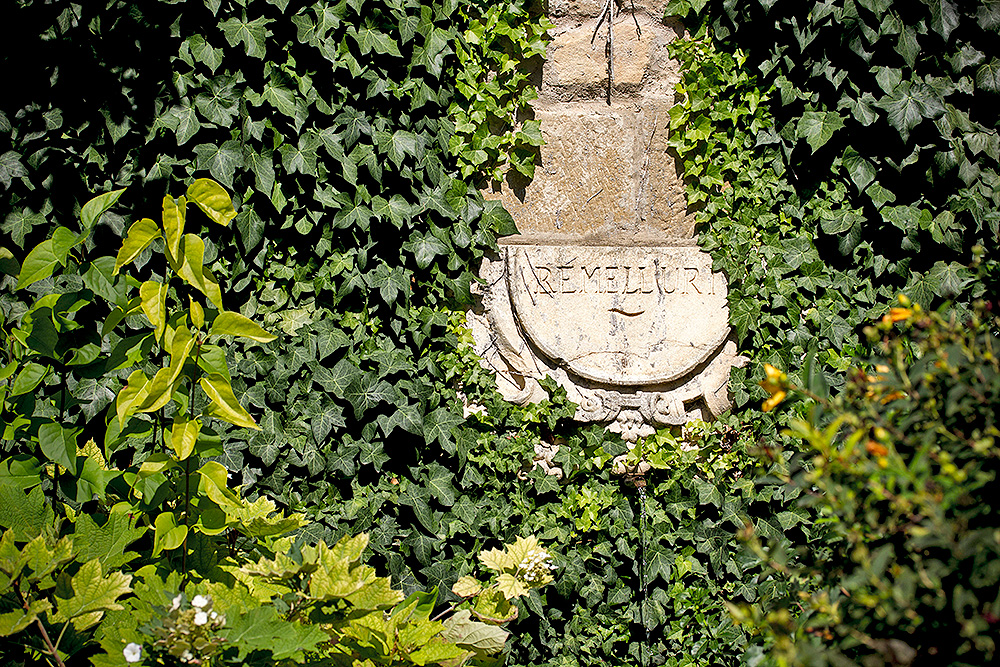
Remelluri
Rioja Alavesa

Remelluri is an iconic Rioja estate crafting terroir-driven wines from organically farmed, estate-grown grapes. Led by siblings Telmo and Amaia Rodríguez, it emphasizes village identity, sustainability, and low-intervention winemaking.
Introducing the Estate
The Return of Terroir in Rioja
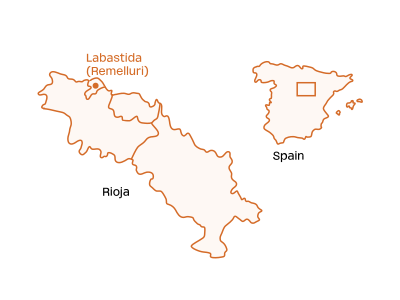
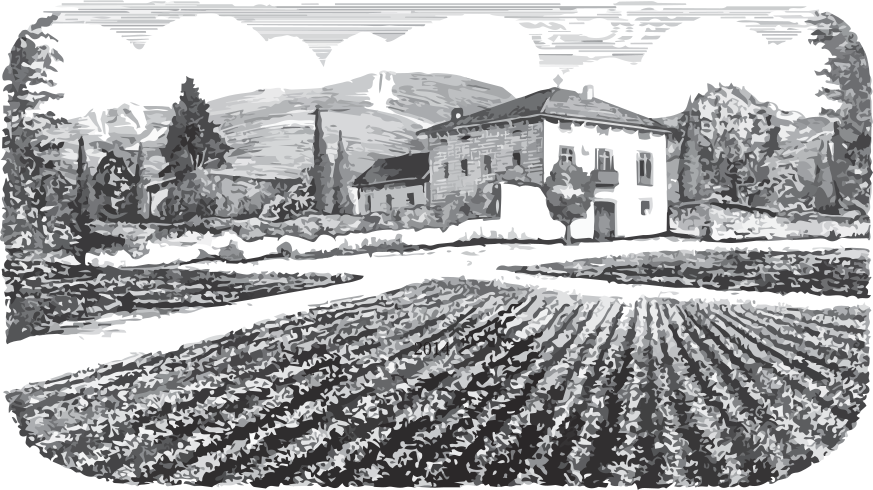
In a region where industrial wines still dominate the narrative and terroir has been overshadowed by trademarks, Remelluri is leading a fundamental shift in the way we think about Rioja. In the shadow of the Sierra Cantabria mountains, just northeast of the village of Labastida in Rioja Alavesa, siblings Telmo and Amaia Rodríguez care for the historic Granja Nuestra Señora de Remelluri, which has been cultivated since the 14th century and has never seen the use of chemicals.
Remelluri does not produce a Genérico or Crianza; its Reserva is the flagship wine, and all of its wines are made from organically farmed, traditional grape varieties grown exclusively on the estate, in sharp contrast to much of Rioja, where blends from purchased fruit are the norm.
Since the introduction of the Lindes de Remelluri project in 2010, Remelluri has been instrumental in driving the wider regional conversation back toward terroir, with Rioja’s villages front and center. As Telmo says, this is not a revolution, but a restoration—the return of terroir to its rightful place in Rioja. Drawing on its long and storied history, Remelluri is forging a path for the future of world-class wines in Rioja and across Spain.
History & Origins
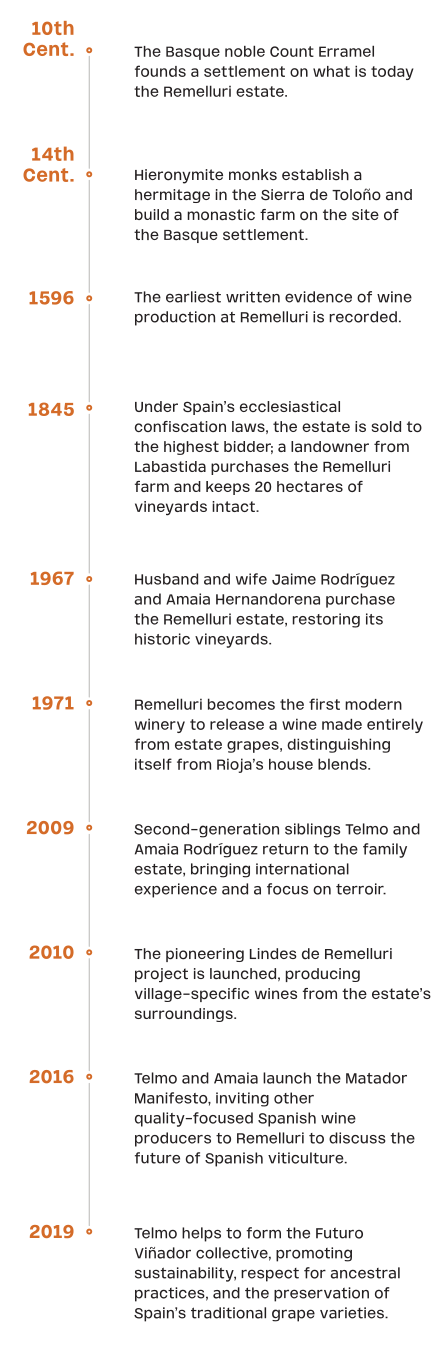
One Thousand Years of History
The Remelluri estate has been settled since the 10th century, when a Basque nobleman called Count Erramel founded a small village on the site called Erramelluri, or “land of Erramel”. Over the centuries, this would evolve into Remelluri. The central part of the estate is home to an ancient wine press carved into the rock, likely one of the oldest traces of winemaking in Rioja.
In the 14th century, Hieronymite monks built a hermitage in the Sierra de Toloño mountains and a shrine and farm directly below on the site of the Basque settlement. The earliest written evidence of wine production at Remelluri appears in a 1596 account book kept at the Labastida town hall, which records annual deliveries of wine from the Granja, or farm, of Nuestra Señora de Remelluri. The monks left in the 15th century, but hermits continued to care for the shrine well into the 1800s.
The estate was later placed under the authority of the Real Divisa, a communal organization made up of the villages around the Sierra de Toloño that managed the vineyards and cared for the pilgrims who came to pray at the shrine. In 1837, during the First Carlist War, the shrine was burned by Liberal troops, and in 1845, under Spain’s ecclesiastical confiscation laws, the land, buildings, and even the hermitage were sold to the highest bidder. A landowner from Labastida acquired the main core of the property and kept 20 hectares of vineyards, which remained unchanged until 1967.
That year, Jaime Rodríguez and his wife Amaia Hernandorena came to Rioja from Irún in the Basque Country, where Jaime worked as an archaeologist and Amaia as a writer and artist. Captivated by the ancient property, Jaime purchased the Granja de Nuestra Señora de Remelluri and began restoring its historic vineyards. Both Jaime and Amaia were always forward-thinking, with incredible respect for culture, creativity, and craftsmanship. In keeping with their non-conformist spirit, Remelluri became Rioja’s first modern estate wine with the 1971 vintage, standing out from a conservative wine culture based on house styles and blends of purchased grapes.
After a childhood spent watching their parents lovingly restore the Remelluri estate, second generation Telmo and Amaia Rodríguez struck out on their own in the world of wine. Amaia worked closely with Domaine Leflaive to hone her approach to viticulture, and Telmo learned winemaking by working with Gérard Chave, Domaine Clape, Château de Beaucastel, and Domaine de Trévallon. After returning to Spain, Telmo and his winemaking partner Pablo Eguzkiza founded Compañía de Vinos Telmo Rodríguez, spending years perfecting their craft and gaining international recognition for their advocacy of forgotten regions and native varieties throughout Spain. In 2009, upon their father’s retirement, Telmo and Amaia returned to their family winery with a vision for the future of the estate that was laser-focused on place.
Their return was the beginning of a new era at Remelluri, marked by a renewal of purpose and a commitment to uncovering the estate’s full potential. Breaking with their father’s choice to use fruit purchased from local growers, Telmo and Amaia chose to make Remelluri exclusively from the estate’s own grapes. To honor both their new vision and Remelluri’s historical relationships with local growers, Telmo launched the Lindes de Remelluri (Borders of Remelluri) series in 2010, using grapes his father had formerly sourced from the surrounding villages.
Terrior
Mountain Rioja
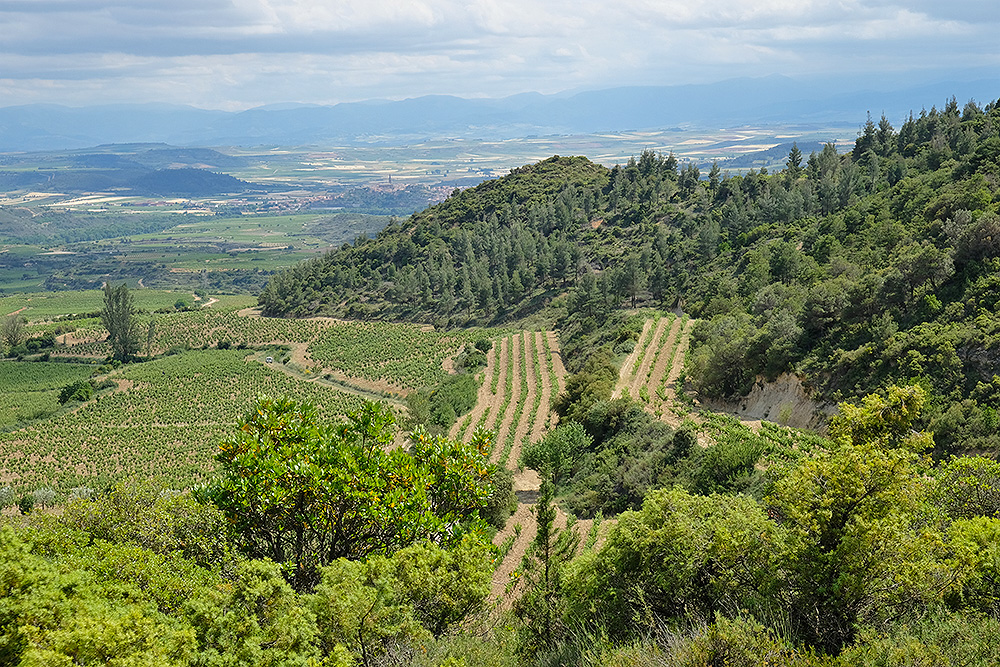
Remelluri sits tucked into the slopes of the Sierra de Toloño mountain range, a subdivision of the Sierra Cantabria that forms the northern limit of Rioja. Their vineyards are the highest in the region, with vines planted between 500 and 950 meters above sea level. This altitude means Remelluri is almost always the last to harvest in Rioja, and it’s common for them to be picking well into October or November.
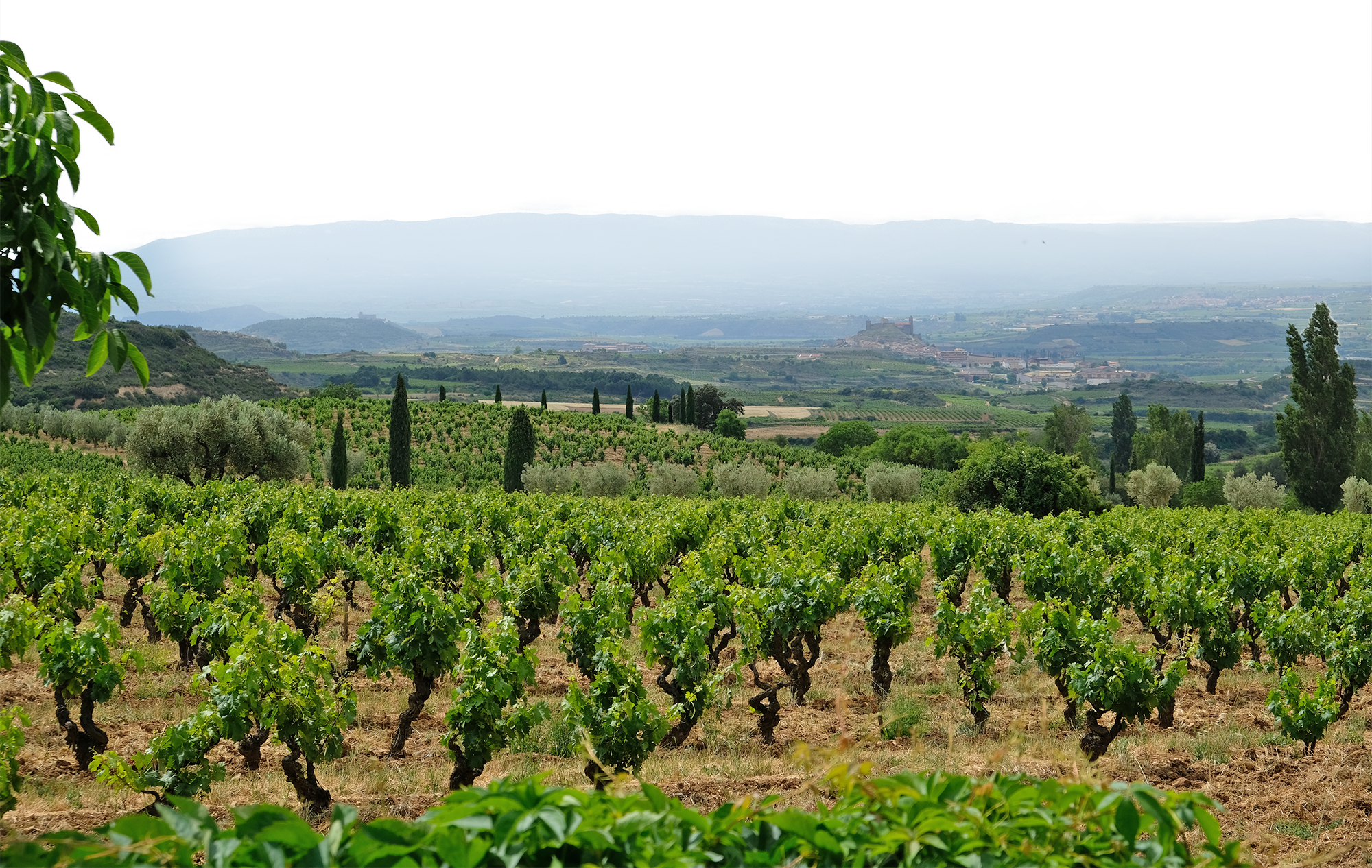
The estate consists of over a hundred and fifty individual plots planted to indigenous varieties, with some vines over 100 years old. Vineyards are planted across three valleys just above the village of Labastida, in terraced amphitheaters following the contours of the mountainside. This shelters them from the harsh weather on the leeward side, but allows them to enjoy the influence of the Atlantic ocean, which provides abundant rainfall and much lower temperatures that lend grapes incredible acidity and freshness. Poor, stony soils with layers of calcareous clay give considerable structure for aging, and the fluctuation of cool nights and warm days offers the ideal conditions for long phenolic ripening, resulting in complex and nuanced aromatics.
These are mountain wines that have more in common with the great nebbiolo-based wines of Italy than the typical Riojas of the plains below, naturally built to age gracefully for decades.
Farming
Organic Since the Beginning
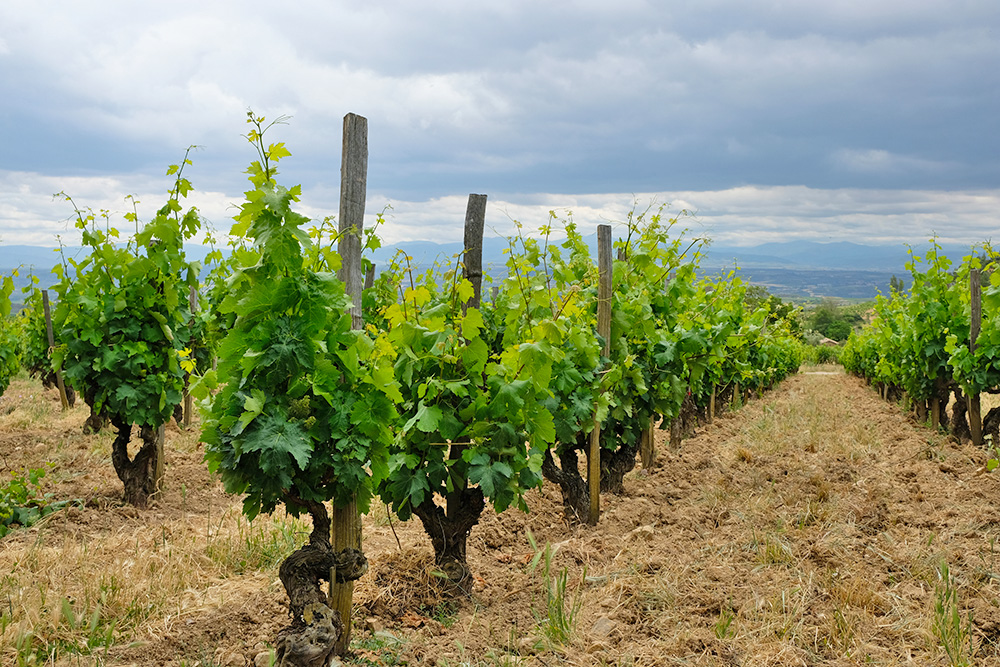
Each generation to care for the Remelluri estate has farmed using organic principles, and chemicals have never been used at the property. The entire production has been certified organic since the 2014 vintage. Today, Amaia Rodríguez uses an integrated system of agriculture with great respect for the environment in which there is no division between the individual elements of the vineyards and the surrounding ecosystem. As viticulturist, she is constantly studying and designing ways to improve the property, bringing it more into symbiosis with its surroundings.
She maintains and nurtures hedges and trees planted to complement the vineyards, as well as a fruit and vegetable garden and a rich and productive native bee colony, the wax from which is used to seal the coveted Remelluri Blanco. Her stewardship also includes the ancient buildings and roads that make up the property, preserving them for the next generation. As she says, “one cannot really own Remelluri; the project is always alive and bigger than any one person. We are only the current stewards of the land, guiding it until the next generation takes it over and doing our best to uncover the truth of what the land gives us.”
Process & Philosophy
Origin Over Process
Remelluri makes wines of origin, not process. True to this philosophy, in the winery everything is done by tasting and the feel of the team, not by formula. The goal is for each wine to offer a snapshot of a moment in time, and Telmo and the team make their decisions based on how they feel each vintage will best express itself.
For the estate reds, primarily tempranillo, garnacha, and graciano are hand-harvested and transported in small boxes directly to the winery, where whole clusters are destemmed and crushed. The must spontaneously ferments with indigenous yeasts in a combination of stainless steel tanks and foudres for the Reserva and entirely in old open-top foudres for the Gran Reserva. After fermentation, the wines are aged in only French oak, using a combination of barrels and large foudres, with the Gran Reserva spending an average of 30 months in oak and the Reserva an average of 21 months. The wines are bottled unfiltered with minimal sulfur to emphasize purity and undergo extensive bottle aging before release.
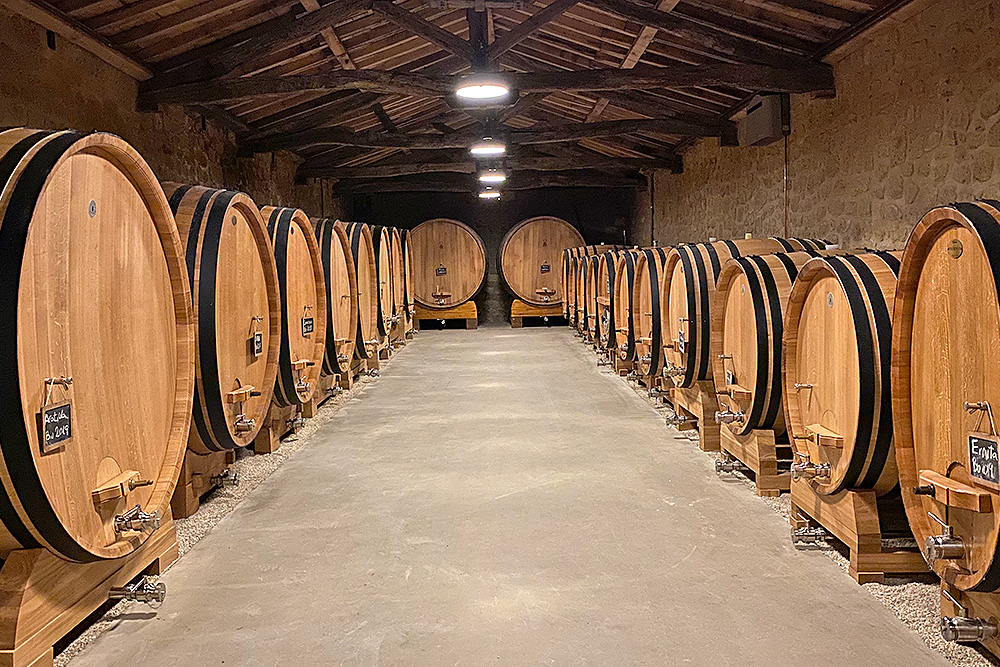
Remelluri Blanco, perhaps the estate’s most special wine, is assembled from about 8.5 hectares of single plots planted from 605m to 805m and yielding a paltry 12 hl/ha: Doroño, Villaescusa, S. Esteban, Cerraja, Valderemelluri, San Cristóbal, Canales, Uzmendi, Transistor, Tabiques, and Cerraja. Each plot is separately fermented with indigenous yeasts in barrels, foudres, and cement vats before aging for 12 months in barrels, foudres, and concrete eggs. The plots are then blended together and aged eight more months in large neutral casks.
The Wines
The Wines of Remelluri
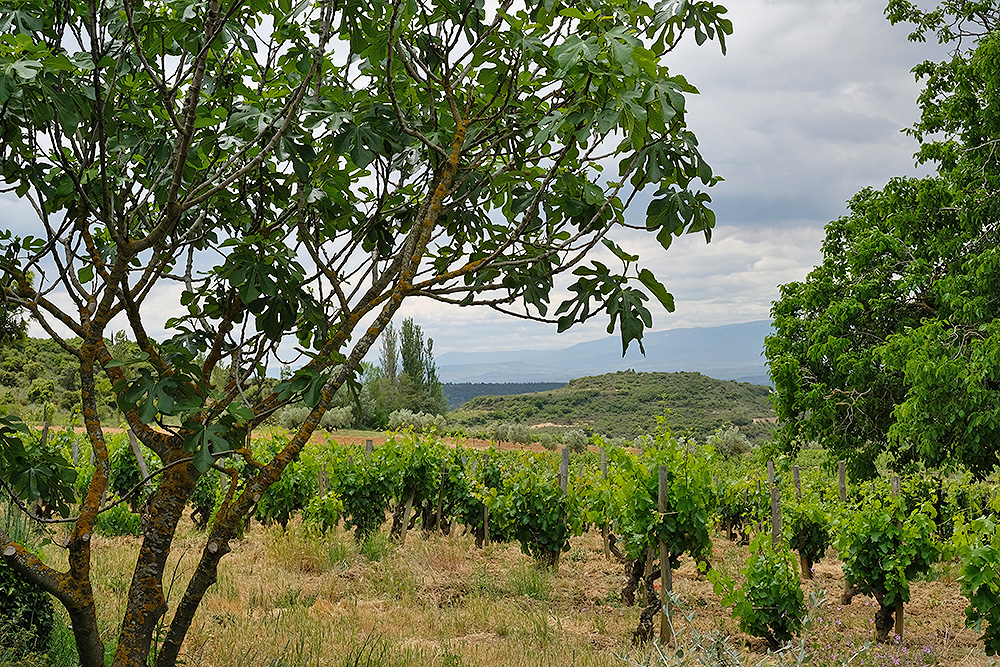
Remelluri Reserva is the original wine from Granja Nuestra Señora de Remelluri, sourced from 153 organically-farmed plots in 25 sites across the property. Only indigenous, bush-trained varieties planted as far back as 1918 are used, with vines averaging 40 years old. The blend is primarily tempranillo, garnacha, and graciano with very low yields of 29hl/ha. Remelluri Reserva is made with low intervention, and bottled unfiltered, with minimal sulfur added at bottling.
Granja Nuestra Señora de Remelluri Gran Reserva is a top selection from only the best vintages, made in small quantities from the oldest and most important vineyards at the estate, representing the purest essence of the property. Only indigenous varieties are used, with vines averaging over 70 years old. The blend uses a high proportion of old garnacha vines planted from 680 to 780m, with tempranillo and graciano as well. Remelluri Gran Reserva is made with low intervention, and bottled unfiltered, with minimal sulfur added.
Remelluri Blanco has been Telmo’s passion project since his early days as a winemaker, and has become one of the most coveted and sought after cult wines in all of Spain. When Telmo was just beginning his foray into winemaking, his father would never let him experiment with Remelluri’s red wines. Instead, he was given free rein to create a white wine. Inspired by his time in France, Telmo set out to make a “human-scale” wine that spoke of people and place.
By using a large number of co-planted white grape varieties and gentle, low-impact élevage, Telmo ensured that Remelluri Blanco speaks only of terroir, rather than any particular grape or process. In doing so, he illuminated a path forward for world-class, terroir-driven white wines in Rioja.
Lindes de Remelluri
Village-Based Rioja
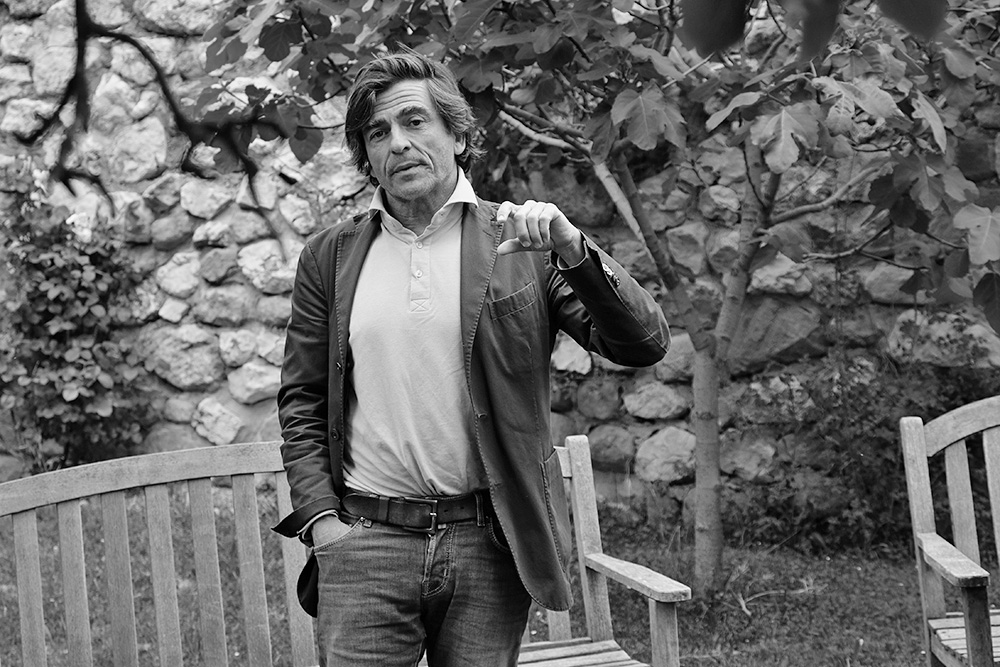
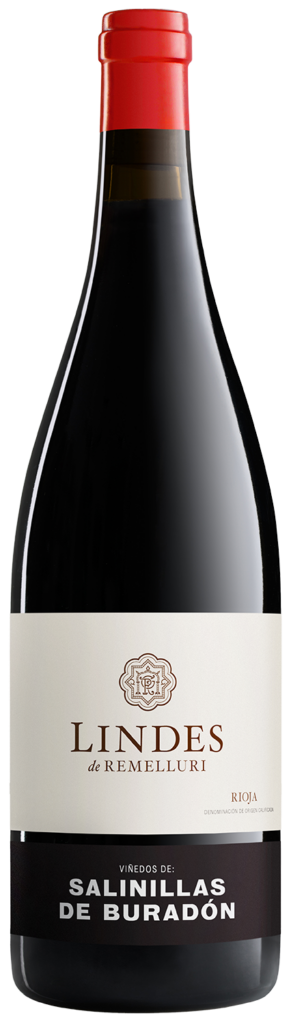
Upon their return to the Remelluri estate in 2009, Telmo and Amaia Rodríguez decided to break with their father’s choice to use fruit purchased from local growers and return to making Remelluri exclusively from the estate’s own grapes. To honor both their new vision and Remelluri’s historical relationships with local growers, Telmo launched the Lindes de Remelluri (Borders of Remelluri) series in 2010, using grapes his father had formerly sourced from the surrounding villages.
The Lindes de Remelluri wines were the first in Rioja to have village-specific labelling, something that was illegal when Telmo first began to make them in 2010. Although village-specific labeling is standard practice for other top wine regions, it has remained a radically progressive idea in Rioja, where the dogma of house style has been protected at all costs. Thanks to Telmo’s progressive vision, in 2017 the Rioja DOCa allowed village names to appear on wine labels for the first time.
Lindes de Remelluri explores the unique characteristics of each village, emphasizing the identity and character of village-specific wines and their grape growers by demonstrating their unique potential through the lens of excellent viticulture, gentle vinification, and élevage.
The wines receive the same amount of care that goes into Remelluri’s estate reds. Rather than using winemaking and technique to transform them, Telmo aims for consistency across the range so that each wine reaches the full potential of its terroir. Grapes are hand-harvested in small crates and spontaneously fermented with native yeasts in stainless steel, with spontaneous malolactic fermentation and 12 months of aging in French oak barrels of various sizes and ages.
Products
Wine
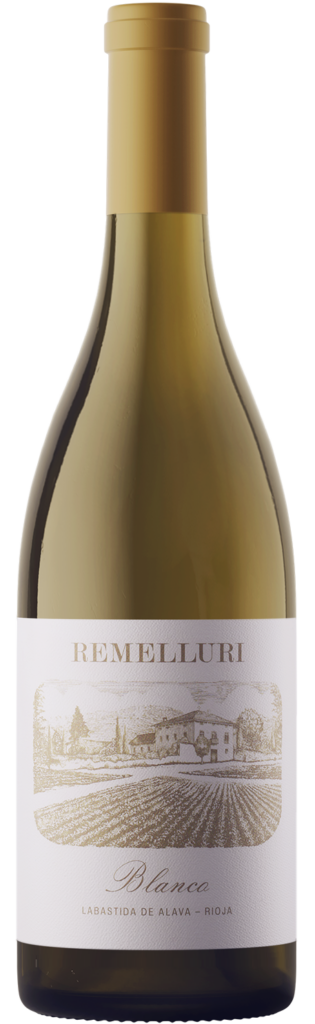
Remelluri Rioja Blanco 2022
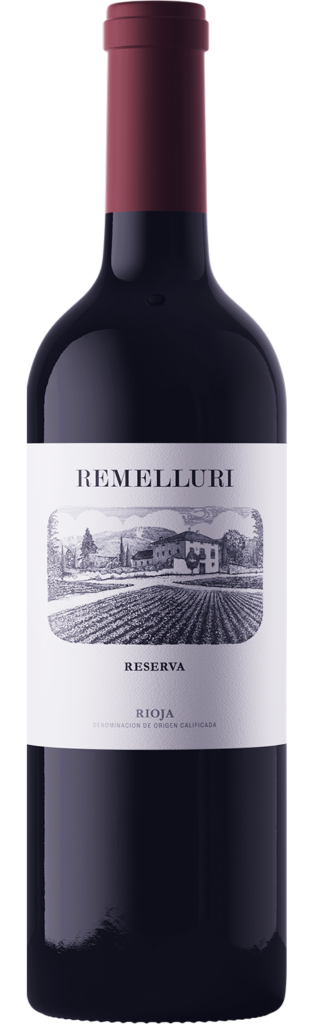
Remelluri Rioja Reserva 2018
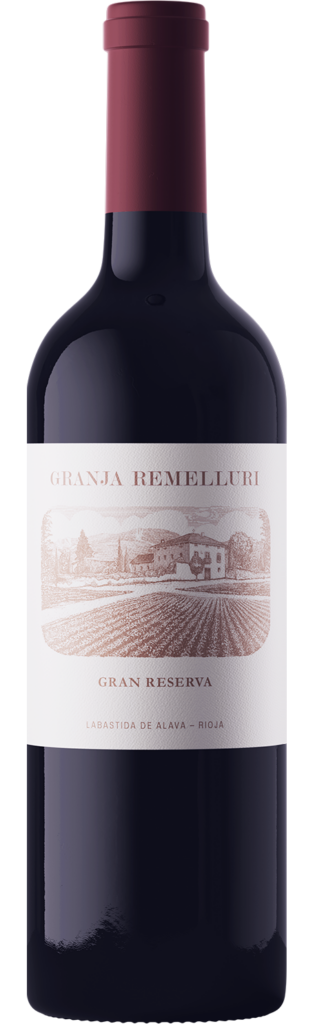
Remelluri Granja Remelluri Rioja Gran Reserva 2015
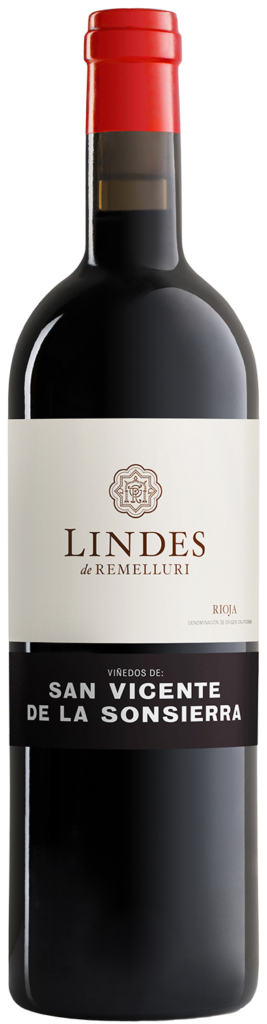
Lindes de Remelluri Viñedos de San Vicente de la Sonsierra 2021
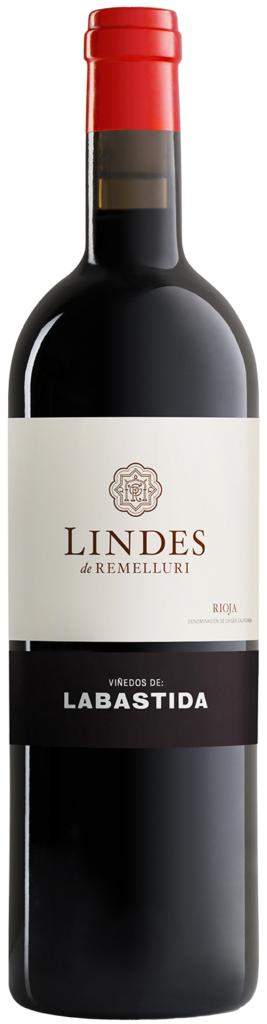
Lindes de Remelluri Viñedos de Labastida 2021
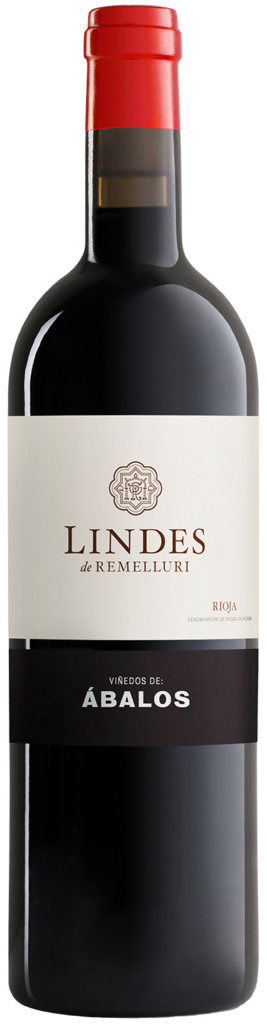
Lindes de Remelluri Viñedos de Ábalos 2021
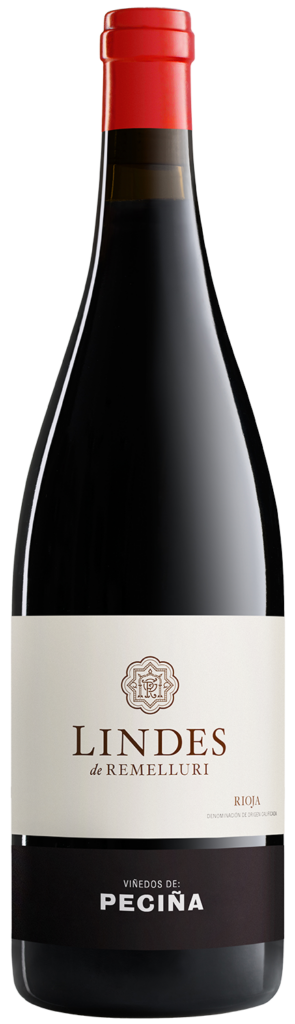
Lindes de Remelluri Viñedos de Peciña 2021
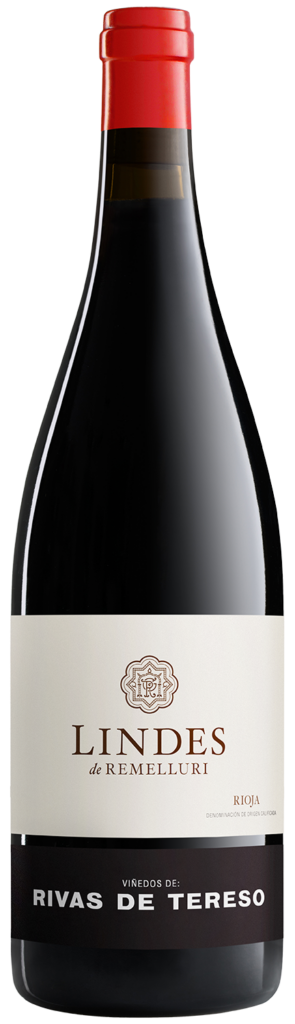
Lindes de Remelluri Viñedos de Rivas de Tereso 2021