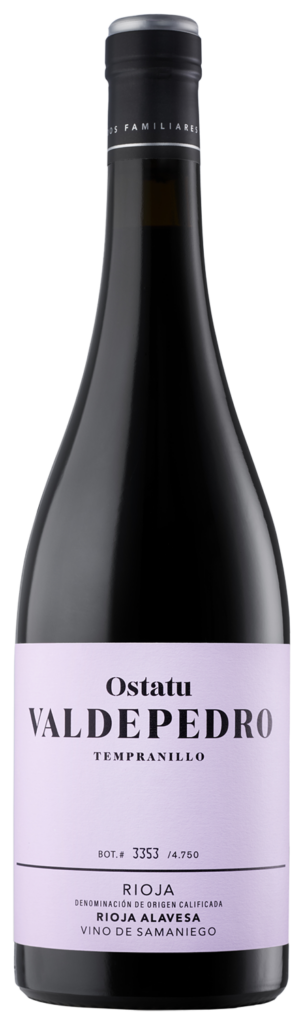
Ostatu
Rioja Alavesa

Ostatu is pure Alavesa mountain wine, drawing comparisons to the wines of Italy’s Alto Piemonte and Valtellina. The Sáenz de Samaniego siblings and their incredible, old certified-organic vineyards at the foot of the towering Sierra Cantabria combine to make some of today’s finest Rioja.
Introducing the Producer
Freshness, Elegance, and Family
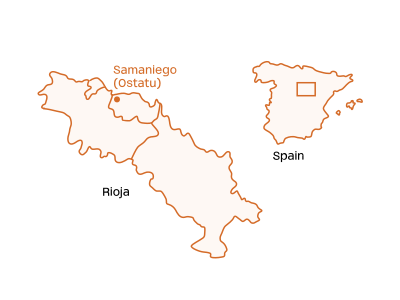
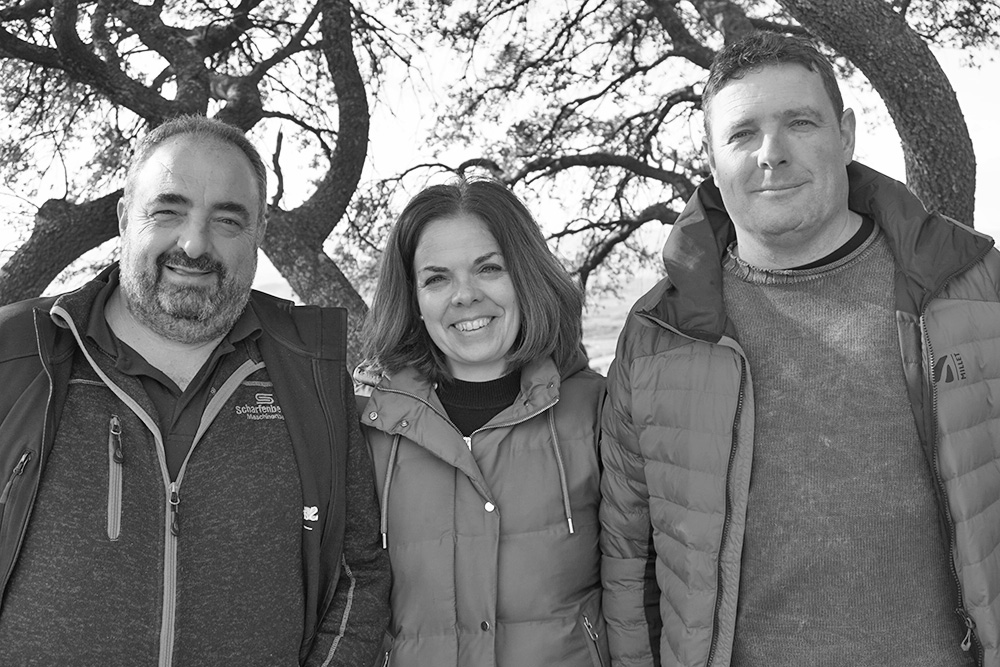
Ostatu is a family-owned winery in Samaniego, Rioja Alavesa, making mountain wines from vineyards tucked in the shadow of the Sierra de Cantabria. From their roots operating a roadside inn for travelers, the Sáenz de Samaniego family have always been champions of their land and of quality products. Today, siblings Mariasun, Gonzalo, Iñigo, and Ernesto lead Ostatu’s focus on sustainable, regenerative viticulture, making wines that reflect the freshness, fruit, and elegance that could only come from Rioja Alavesa.
History & Origins
A Family Legacy, Reimagined
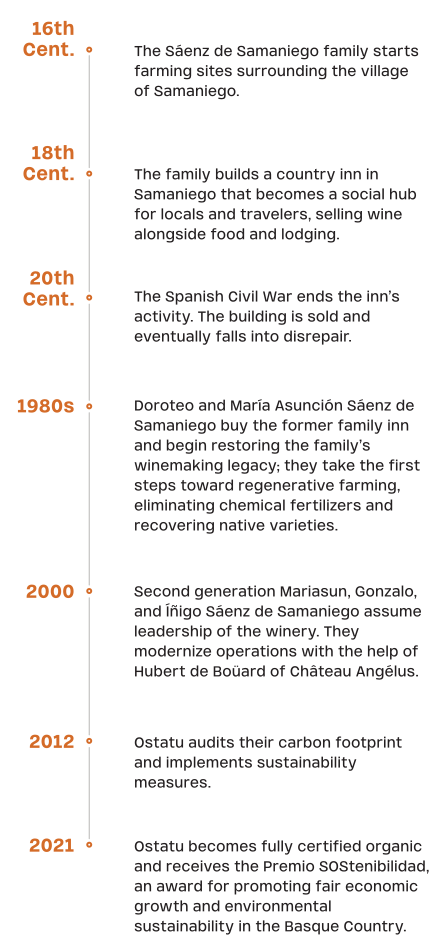
The Sáenz de Samaniego family have been in their village for so long that it became part of their surname. The family has been living and farming in Samaniego, in Rioja Alavesa, since the 16th century, when their ancestors made wine in underground cellars carved into the rock.
In the 18th century, the family built a country inn that would become the social hub of Samaniego, selling wine to locals and providing meals and rooms for travelers on the road between Laguardia and Vitoria. In the 20th century, the Spanish Civil war put an end to the thriving business, and the inn was sold. As the years went by it fell into disrepair, and eventually was put up for sale after its roof collapsed.
Enter Doroteo Sáenz de Samaniego, who decided to purchase the building and begin recovering what had been his mother’s family home. Doroteo renovated and expanded the house and in 1986, he and his wife María Asunción took the leap into making and marketing their own wines, founding Bodegas Ostatu.
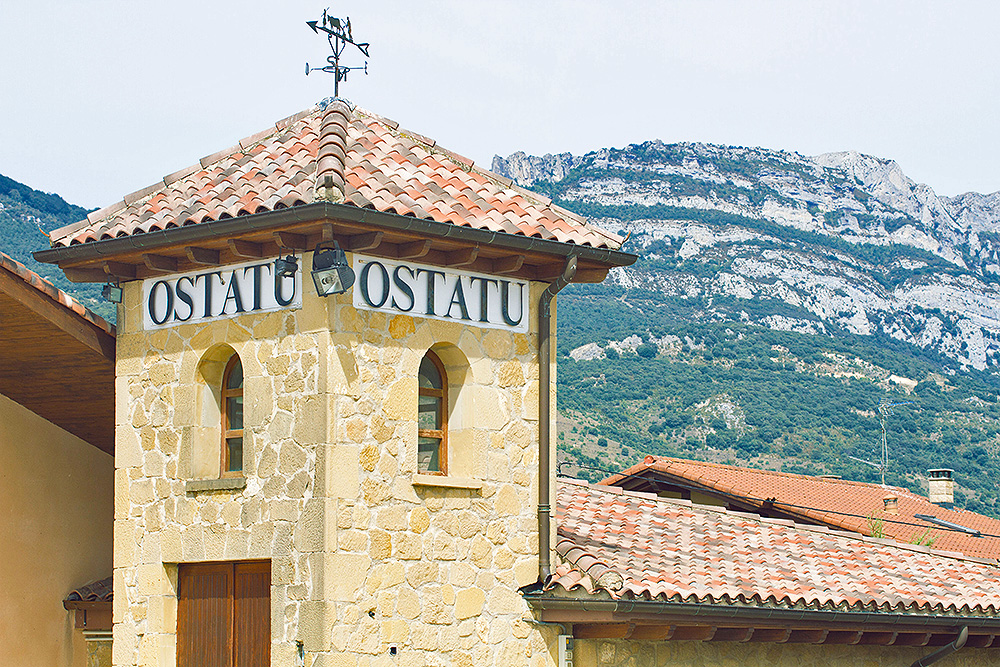
Rioja Alavesa is home to a slew of wineries named after their founders, but Doroteo and María Asunción decided to set themselves apart by using a single word unrelated to the family name: Ostatu. Their choice reflects the winery’s past as an inn, or ostatu in Basque. The short, easy-to-remember name conveys the Sáenz de Samaniego philosophy, rooted in hospitality and generosity of heart.
Upon Doroteo and María Asunción’s retirement in 2000, their children Mariasun, Gonzalo, and Íñigo took over the responsibilities of the winery. A friendship with Hubert de Boüard de Laforest of Château Angélus in Saint-Émilion led them to modernize the winery in 2002, and set them on the journey towards sustainability and organic viticulture.
The Vineyards & Landscape
Alavesa Elevation
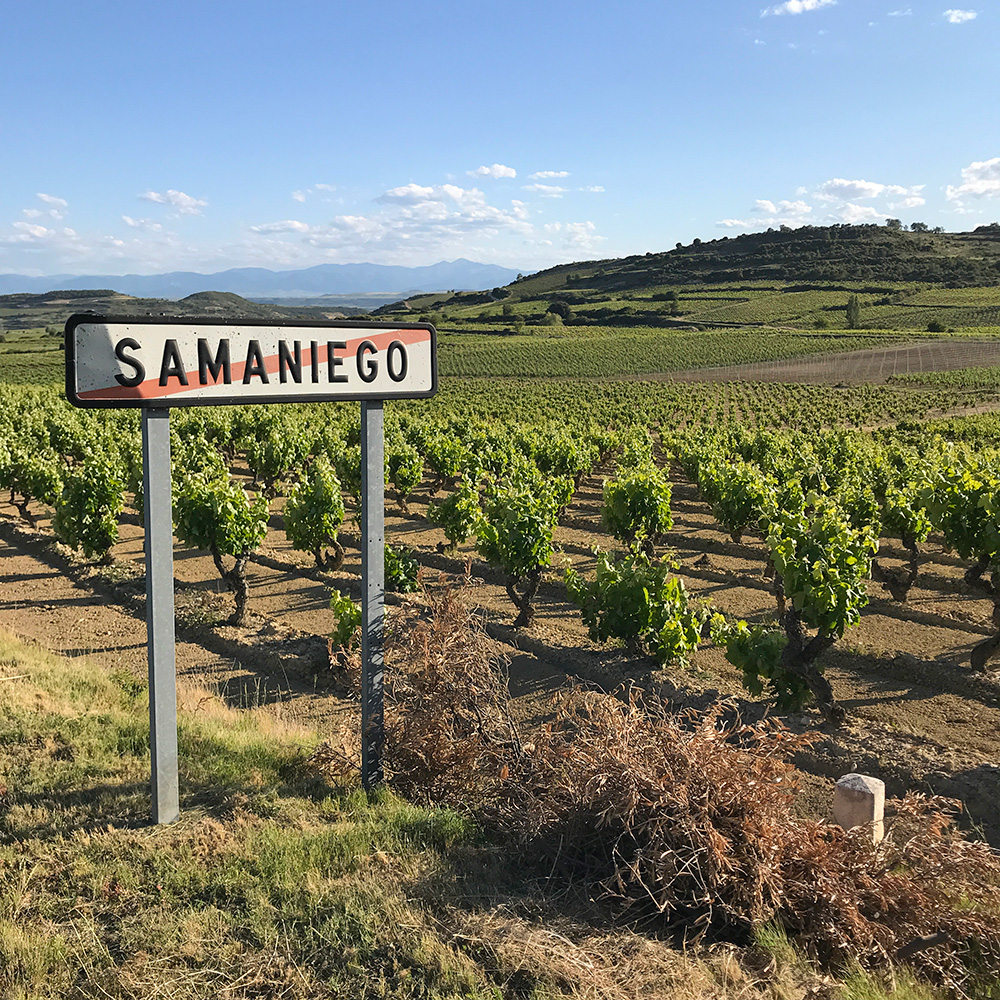
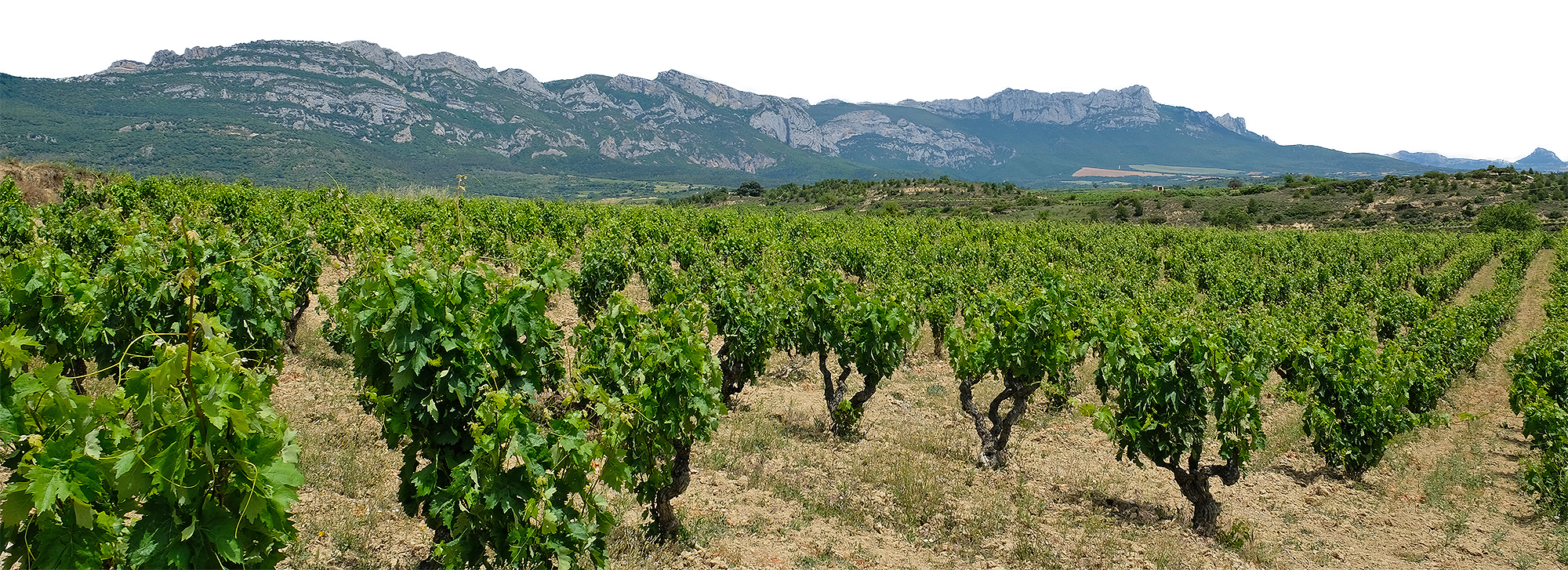
Ostatu is known throughout the area for its exceptional vineyards, which are managed by Gonzalo with his brothers Íñigo and Ernesto. Together, they care for 36 hectares of estate vineyards which are divided into 50 micro-plots spread across the villages of Samaniego, Leza, and Laguardia. All of the vineyards are farmed organically, certified through ENEEK (The Basque Council for Organic Production and Food). Most are planted to tempranillo, but they also grow graciano, mazuelo, garnacha, viura, and malvasia.
Whether red, white, or rosé, Ostatu is pure Alavesa mountain wine, born of an extreme climate. Sameniego is located directly in the convergence of Rioja’s Atlantic and Mediterranean climatic influences. This lends a certain austerity and structure to the wines, setting them apart from the wines of other subzones.
The vineyards are planted between 450-650 meters above sea level in the foothills of the Sierra de Cantabria mountains. Here, nutrient-poor calcareous clay soils create ideal conditions for grapes to thrive. Thanks to the elevation provided by the mountain range, Ostatu has progressively planted vineyards at higher altitudes over the past 30 years to counteract the rise in temperatures experienced in other parts of Rioja Alavesa. The mountains largely block the humidity coming from the north, allowing only a small amount through, while channeling cool northern winds toward the southern slopes where the vineyards are located. This creates fresh, optimal conditions for balanced ripening. As a result, Ostatu’s wines are fresher, with greater fruit intensity and vibrant acidity.
Process & Philosophy
Harmony Between Man & Nature
Ostatu has always embraced a regenerative approach to farming. Doroteo took the first steps in the 1980s by eliminating chemical fertilizers and recovering native grape varieties that were at risk of disappearing. Over the last 20 years, the second generation has extended his vision of sustainability across every area of the winery, based on a simple but powerful principle: caring for the environment means caring for the future and for the generations to come.
Their approach improves soil quality and environmental health while also enhancing the excellence of the wines. Through the Viñadiversidad project, launched in 2021, Ostatu seeks to create a natural balance in which biodiversity plays a central role in the vineyard. In this way, the vineyards function as true agricultural ecosystems, supporting pollination, biological pest control, and soils that act as carbon sinks.
Beyond caring for the land, sustainability is central to the past, present, and future of the Sáenz de Samaniego family. Since auditing the winery’s carbon footprint audit in 2012, they have reduced bottle weight, switched over to LED lighting, standardized labels and packaging, and replaced their former diesel boiler with a biomass system. They have also installed a self-consumption photovoltaic system that generates the equivalent of 32,600 kWh of solar energy per year. This allows the winery to produce approximately 30% of its own energy and to reduce annual CO₂ emissions by 10,360 kilograms, the equivalent of planting 213 trees.
Products
Wine
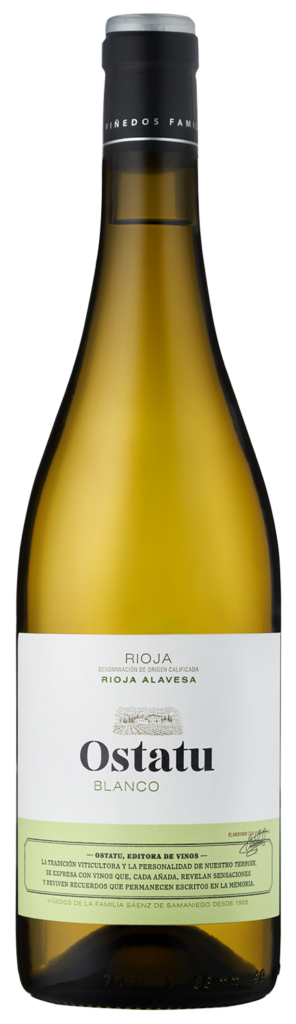
Ostatu Rioja Blanco 2025
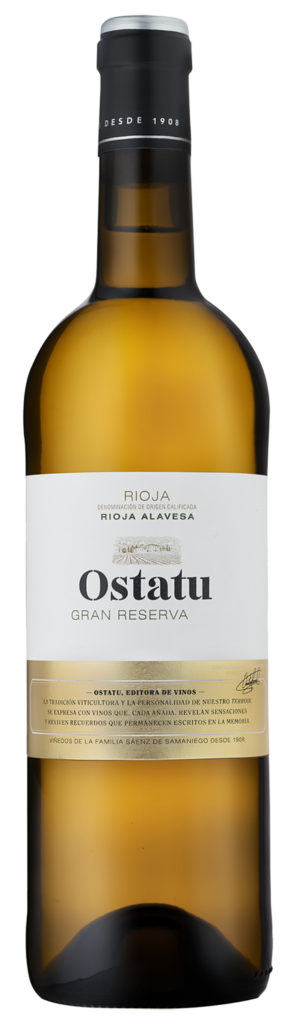
Ostatu Gran Reserva Blanco Rioja Alavesa 2019
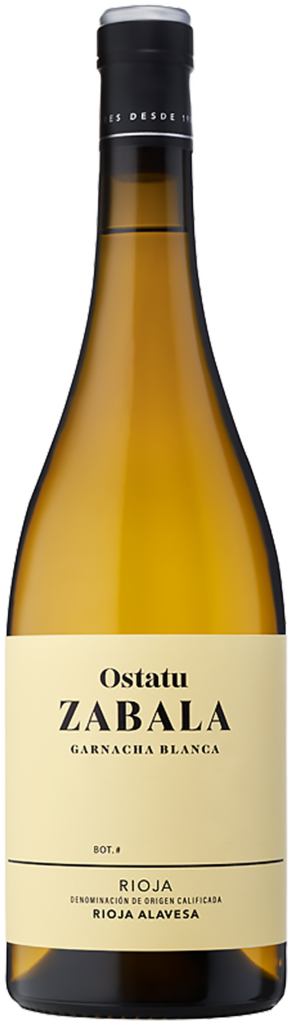
Ostatu ‘Zabala’ Rioja Alavesa Blanco 2022
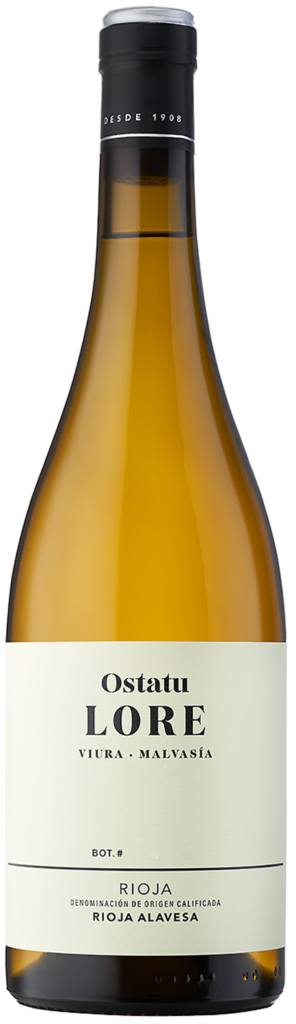
Ostatu ‘Lore’ Rioja Alavesa Blanco 2023
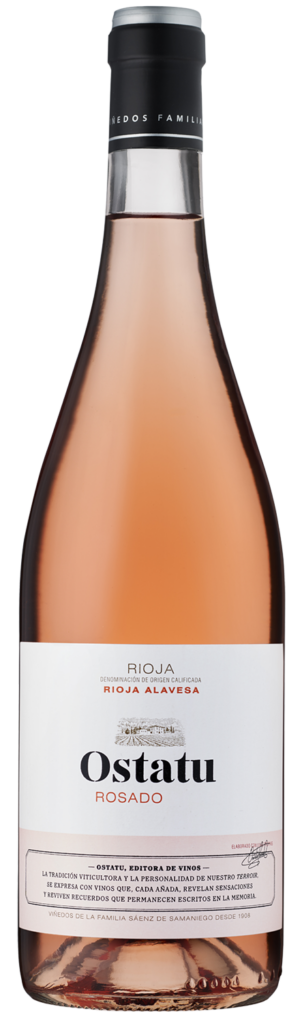
Ostatu Rosado Rioja Alavesa 2025
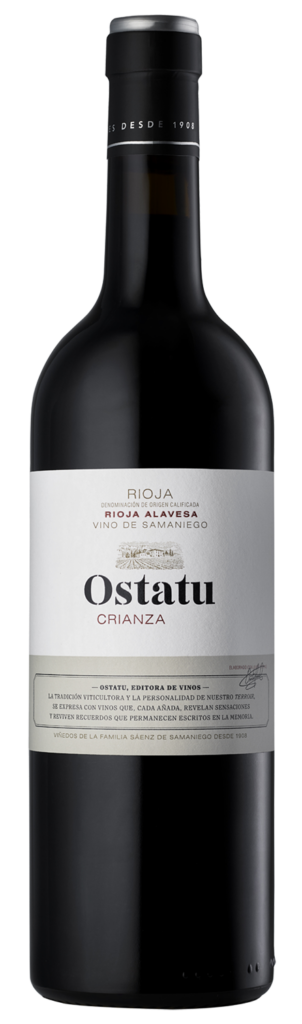
Ostatu Crianza Rioja Alavesa Vino de Samaniego 2022
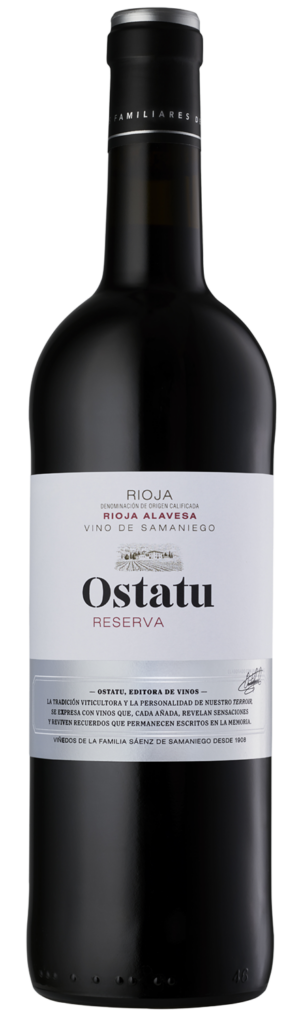
Ostatu Reserva Rioja Alavesa 2020
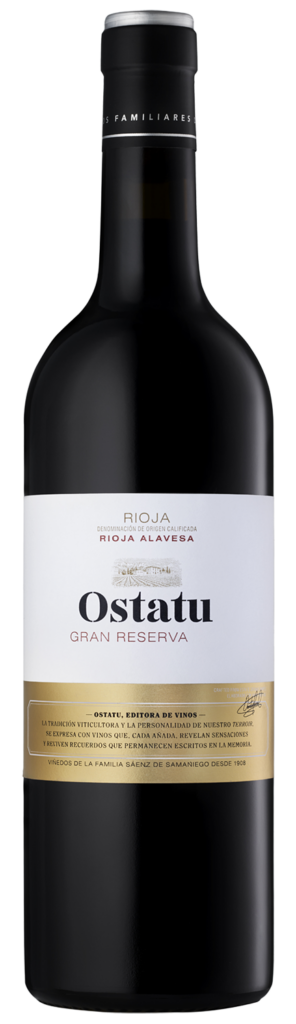
Ostatu Gran Reserva Rioja Alavesa 2015
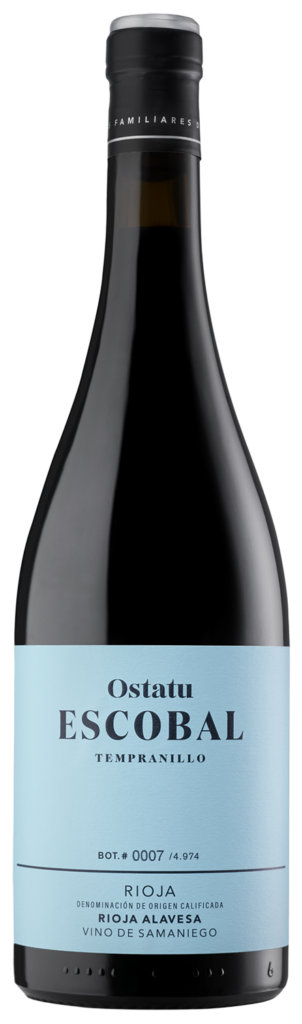
Ostatu Escobal Vino de Samaniego Rioja Alavesa 2021