



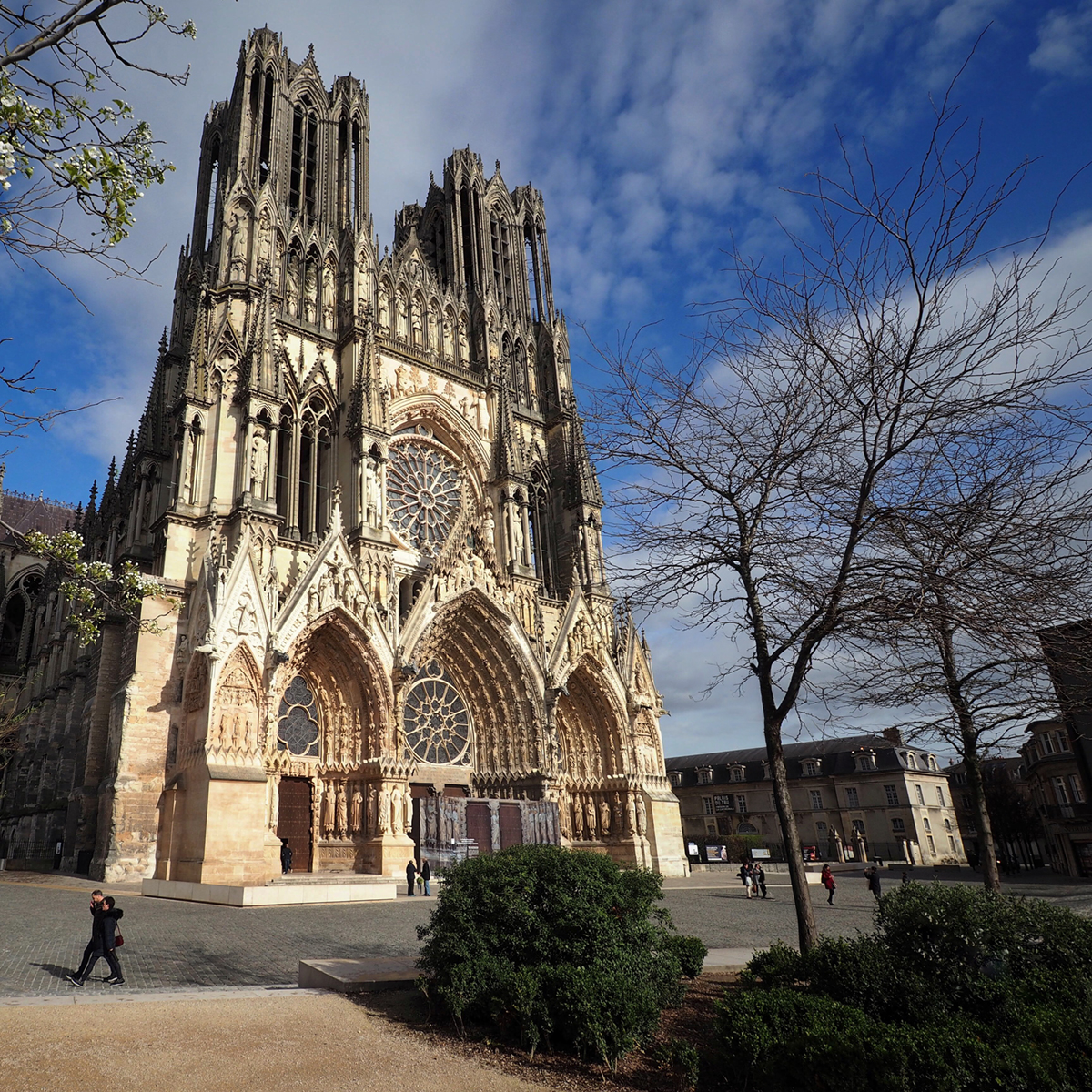
Champagne
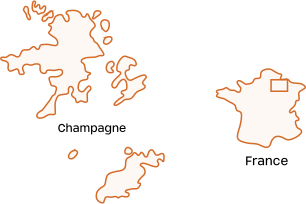
Northeast France

If there’s one name that captures the attention of wine industry professionals and consumers alike, it’s Champagne. From the famed, chalk-laden slopes of the Côte des Blancs and grand hills of villages like Aÿ to the Kimmeridgian soils of the Côte des Bar and tranquil village of Beaunay in the Coteaux du Petit Morin, Champagne is not only one of the most exciting areas for wine in the world, but truly one of its greatest.

A generally mild climate, averaging 11°C (52°F), prone to cold snaps in winter and powerful storms in summer.
City & Culture
The Rise of Quality through the Vineyards
Today, Champagne is in the midst of a dramatic shift towards quality and experimentation, driven by an explosion of the number of grower-producers in both famed villages and yet-unheralded reaches of the appellation. Farming organically or biodynamically, highlighting the terroir, and broadening their cellar-practices, these new-wave growers have challenged the appellation’s old guard to improve their quality. In short, there has never been a better time to drink Champagne than today.
Geography & Regions
Historic Hills
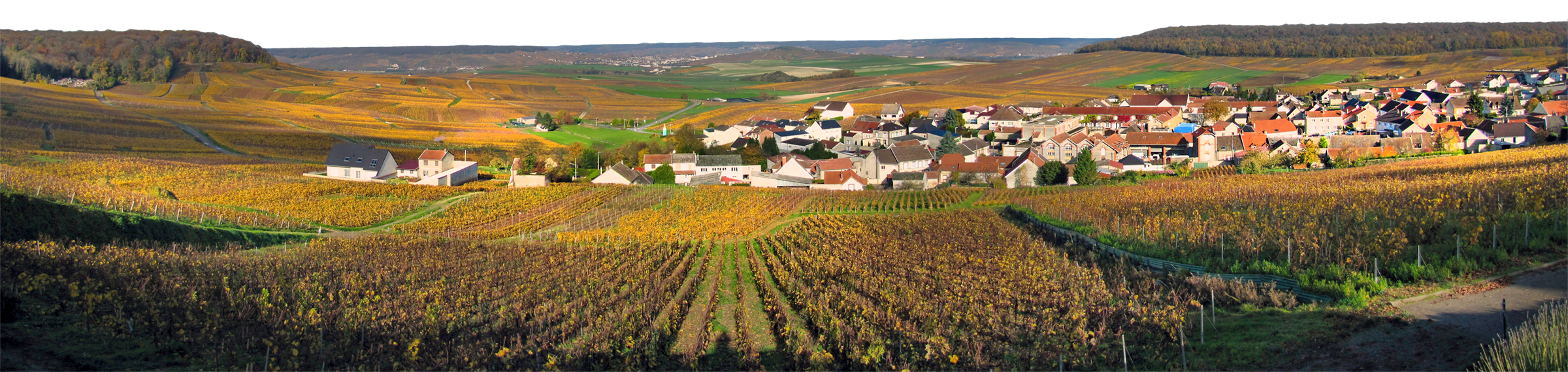
Côte des Blancs – Known for its pure white chalk bedrock, this 3,100 ha area is planted predominantly to chardonnay on mostly east-facing slopes and includes some of the most famous Grand Cru villages of Champagne. It’s here that the Waris-Larmandier family farms their historic vineyards in the village of Avize.
Montagne de Reims – Though heavily associated with pinot noir, pinot meunier and chardonnay also thrive in Montagne de Reims’ diverse soil and exposures. Peter Liem notes that the Petite Montagne is particularly notable for pinot meunier, while the eastern villages of Villers-Marmery and Trépail are well-suited for chardonnay.
Grand Vallée (de la Marne) – At nearly 2,000ha, the Grand Vallée includes some of the most hallowed Grand Cru of Champagne, perhaps most notably Aÿ. It encompasses nine villages planted to a majority of pinot noir, followed by chardonnay and pinot meunier. The wines from this area tend to be broader and regal..
Vallée de la Marne – In this frost-prone river valley of 81 villages covering just under 9,000ha, full flavors coupled with wide-bodied wines on clay topsoils are typical. Cool climate-loving pinot meunier is particularly dominant, with nearly 75% of all plantings.
Coteaux Sud d’Épernay – A smaller area of vines at around 1,200ha, the Coteaux’s 11 villages are planted primarily to meunier and chardonnay on a highly varied terroir series. High finesse and silky, full-bodied wines typify this region.
Coteaux du Morin – Located just 15 miles from Épernay, beyond the tip of the Côte des Blancs, many Champenois refer to this area as the Val du Petit Morin, after a small tributary that runs through it. Here you will find 900ha of vineyards planted primarily to chardonnay and meunier, with diverse soils including black silex within the rolling hills and pastures. Here, in the tranquil village of Beaunay, Margot Laurent farms the vineyards of Oudiette x Filles.
Côte de Sézanne, Vitryat and Montgueux – Together, the Côte de Sézanne, Vitryat and Montgueux cover around 2,200ha. Often lumped in with the Coteaux du Morin, they are planted predominantly to chardonnay. Like the Petit Morin, they are relatively unknown due to the devastation caused by phylloxera in the early part of the 20th century. The terroir here varies significantly: the Sézanne shares the Campanian chalk of the Côte des Blancs, Vitryat (an area historically revered for forward and open-fruited chardonnay) is on a base terroir of Turonian chalk, and the southern facing and chalky hills of Montgueux tend to give tropical tones to chardonnay.
Côte des Bar – Nearly 70 miles south of Épernay, this region shares close ties to Burgundy; for one, its vineyards sit on Kimmeridgian marl, the same soil of neighboring Chablis. At nearly 8,000ha, this area is pinot noir country and is made up of 63 villages in the Aube. Côte des Bar may be the most exciting area in Champagne today, not least because it’s home to the regal, precise wines of Pierre Brocard in the western part of the appellation.
Terroir & Style
Chalk, Terroir, and Grape Varieties
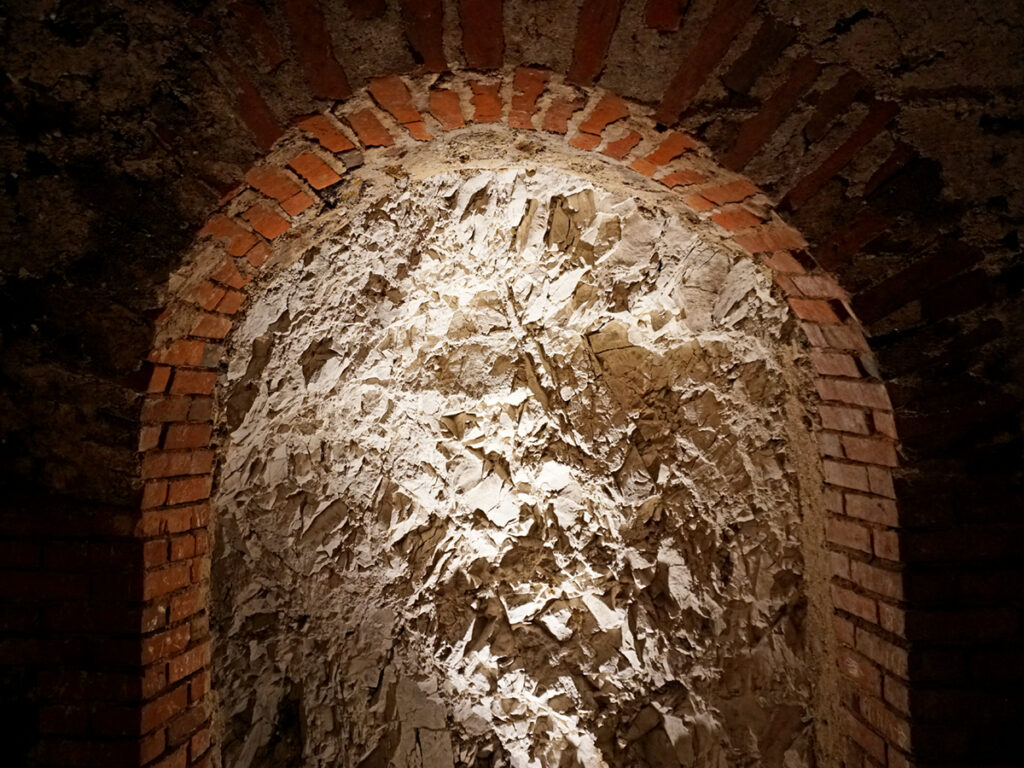
One only has to witness the chalk in a deep cellar in Champagne to understand its revered place in the regional terroir. Today, it is clear that Champagne has a vast and varied terroir that extends well beyond the chalk. Sands, clays, marls, limestone and various ages of chalk make the region a veritable kaleidoscope of terroir to be captured in bottle.
Champagne’s three primary grape varieties are pinot noir, chardonnay and pinot meunier. Other grapes allowed in Champagne that have experienced a small but significant resurgence are arbanne, pinot blanc, pinot gris and petit meslier.
Producers
Côte des Blancs
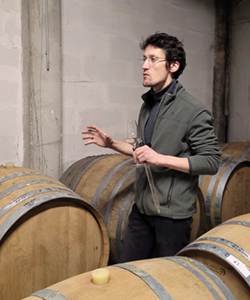
Waris-Larmandier
Avize
A leading grower-producer biodynamically farming old Grand Cru vines to craft silky, deep, and precisely delineated champagnes.
Vallée de la Marne
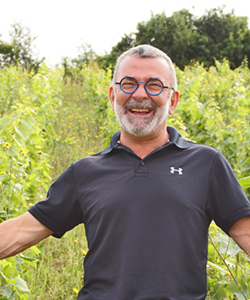
Christian Gosset
Äy
Drawing on 35 years of experience, Christian Gosset makes intense, electric champagnes from the majestic Grand Cru terroirs of Aÿ.
Coteaux du Morin
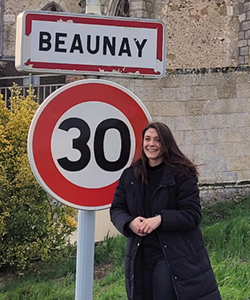
Oudiette x Filles
Beaunay
Vigneronne Margot Laurent crafts expressive, singular champagnes, following the legacy of her mother and grandmother.
Côte des Bar
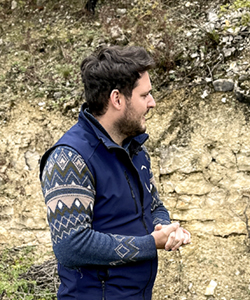
Pierre Brocard
Cellers-sur-Ource
The young and dynamic Thibaud Brocard, fifth-generation grower-producer, makes pure, high-energy wines of resonant mineral impact.