Waris-Larmandier
Côte des Blancs | Champagne

Champagne Waris-Larmandier is a leading grower-producer in Avize, biodynamically farming old Grand Cru vines in the Côte des Blancs to craft silky, deep, and precisely delineated champagnes.
Introducing the Estate
The Three Roots of Waris-Larmandier
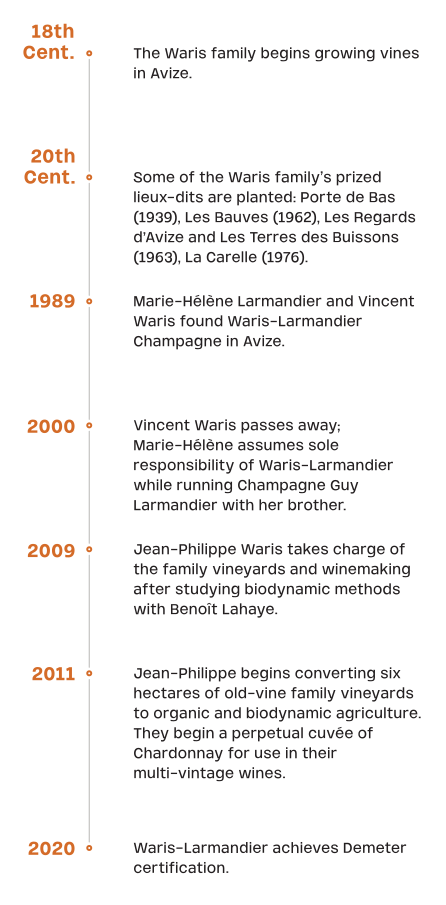
Champagne Waris-Larmandier was founded in 1989 by fifth-generation vigneronne Marie-Hélène Larmandier and her husband, Vincent Waris. In 2000, following Vincent’s untimely death at just 33 years old, Marie-Hélène assumed sole responsibility of Waris-Larmandier while also managing her family estate, Guy Larmandier, with her brother, François.
In 2009, the dynamic next generation took over the leadership of Champagne Waris-Larmandier, spearheaded by eldest-son and biodynamic specialist Jean-Philippe Waris, who took charge of the vineyards and winemaking. He was joined by his brother, architect Pierre-Louis, and sister Inès, a ceramicist, sculptor, and designer who is responsible for Waris-Larmandier’s beautiful floral labels based on the family home’s windowboxes.
Together, they form the racines de trois, or “three roots” of Waris-Larmandier. Each sibling contributes their own unique part to the artistic vision of this dynamic domaine, which has a total production of around 50,000 bottles from six hectares of vineyards primarily located in the Côte des Blancs.
History & Origins
The Larmandier Line
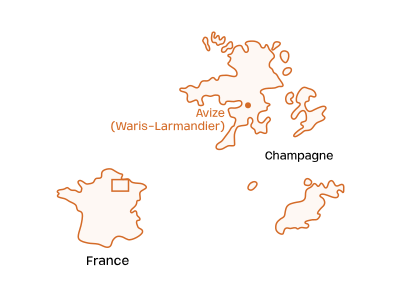
The Larmandier family tree reaches back to the 18th century, and its branches form a veritable “who’s who” of the important winemaking families in the Côte des Blancs. Marie-Hélène’s brother François is the winemaker at Guy Larmandier; her cousins own Larmandier-Bernier in Vertus, and other cousins own Pierre Gimonnet. The roots run deep on the late Vincent Waris’ side of the family, too: the Finnish-descended Waris family has been growing grapes in Champagne for five generations.

The Vision Behind Waris-Larmandier
Coming Home
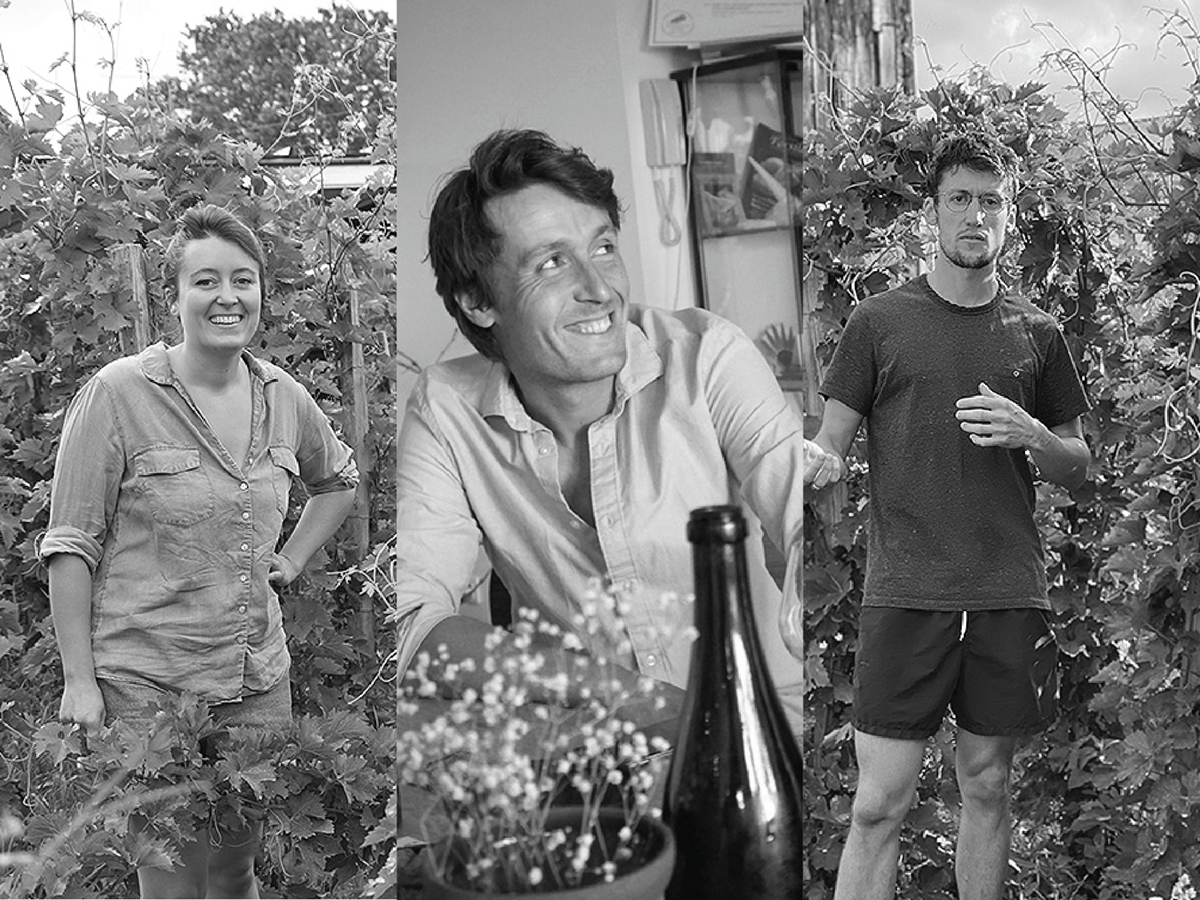
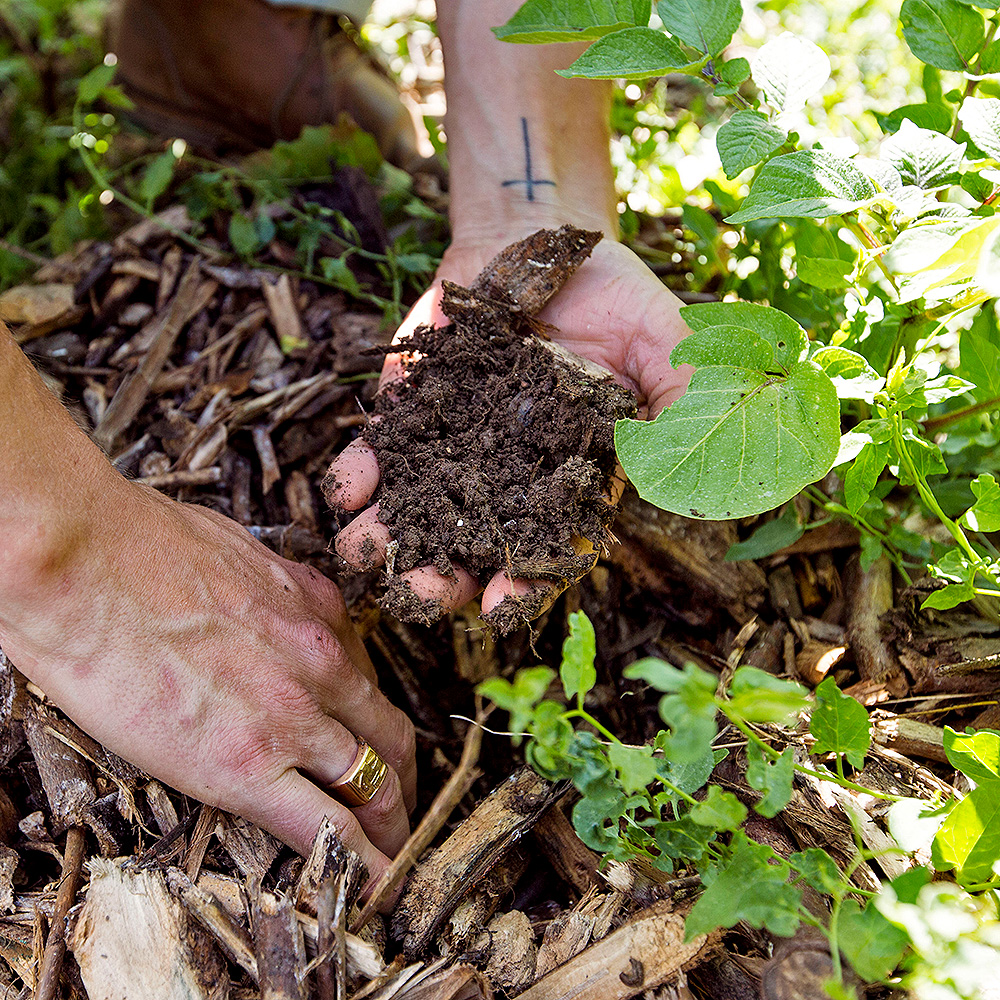
After working with Benoît Lahaye to learn biodynamic farming, Jean-Philippe Waris took charge of his family’s six hectares in 2009 and began converting them to organic and biodynamic agriculture. Applying regenerative practices to enhance soil health and fruit quality, Waris-Larmandier earned Demeter biodynamic certification in 2020. This is the understory of this domaine: the tireless pursuit of living soils and vibrant vines to produce energetic fruit in a winegrowing region not known for healthy soils.
Eventually, all three artistically-minded Waris-Larmandier siblings returned to their native village of Avize, transforming their way of life and organizing it around their artistic and agrarian sensibilities. Jean-Philippe, Pierre-Louis, and Inès share a bold vision for the future, which includes transforming their holdings to polyculture farming with a biodynamic vegetable garden planned for a hospitality kitchen they are building in an old barn.
Vineyards & Land
Grand Cru Biodynamic Vines
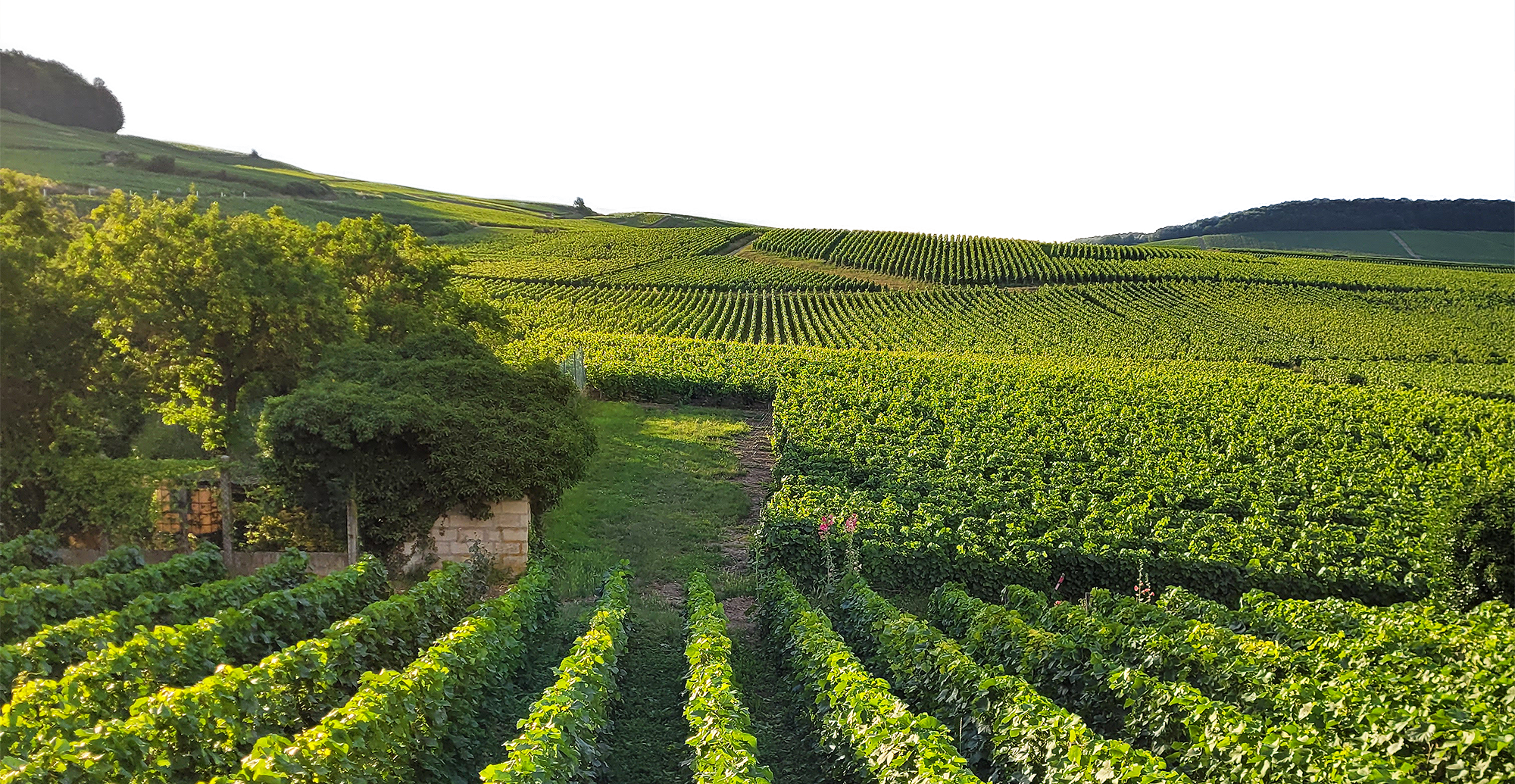
Waris-Larmandier owns six hectares of Grand Cru, biodynamically-farmed chardonnay vineyards in the villages of Chouilly, Cramant, Avize, Oger, and Le Mesnil-sur-Oger. They also farm small, pristine plots of pinot noir and pinot meunier in the Montagne de Reims, along with select plots in the Côte des Bar.
The family holdings are centered around a collection of Grand Cru lieux-dits that make up one of the most impressive groups of historic sites in all of Champagne to be bottled at one estate. Some of the vines are in excess of 70 years old, and very few are less than 40 years old.
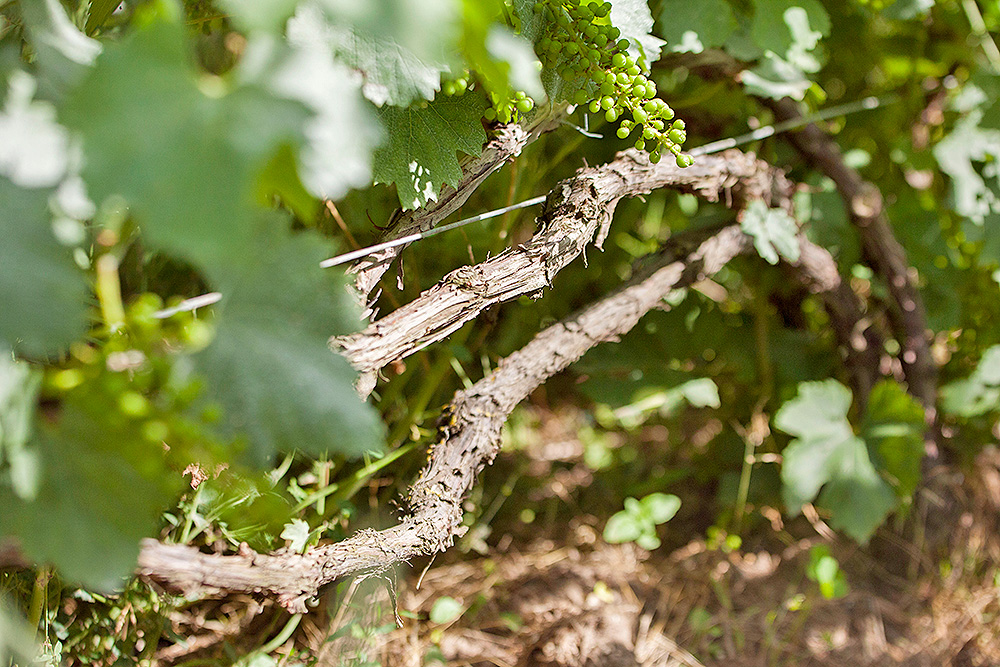
One of Jean-Philippe’s recent projects is the transition away from the typical guyot vine training system, which is low to the ground. Instead, he is raising the vines into a modified single-curtain canopy. The first vineyard where they made this change is directly visible from the main road from Cramant to Avize—when some of the old guard in Champagne saw it, they thought the Waris-Larmandier family were insane. However, Jean-Philippe’s innovative and iconoclastic vision has proven effective: good canopy management allows for more airflow in the bunches, keeping them healthier and protecting them from deadly frosts and pests.
The Difference Makers
Searching for Complexity, Building upon the Past
The Waris-Larmandier family have absolute respect for each terroir, with a clear focus on site-specific parcellaire Champagne. Everything is taken into account so that each individual vineyard, vintage, and cuvée reveals itself in the most honest, clear way possible.
The wines here are primarily divided into two respective creative directions: multi-vintage expressions built on substantial reserves of older base wines, and a mind-bending group of single-vintage, lieu-dit bottlings from historic parcels aged until they are ready for release. Ever the innovators and searchers, there are always bottlings that are explorations—expressions they are interested in going further with. A visit years ago included a mineral bomb of sans soufre Coteaux Blanc Le Montagne Sacrée of Grand Cru Chardonnay.
Not content with only being outliers in their innovative approach to biodynamics and regenerative farming, Waris-Larmandier stylistically challenges the Champagne status quo in three primary ways: they bottle at a lower pressure in the “Perlé” style, they utilize a perpetual solera (or cuvée) in the multi-vintage bottlings, and they age their base vintages longer for complexity. There is no winemaking recipe; they vinify each harvest in tune with their intuition of what will be best in bottle and best represent their land.
In 2011, they began a perpetual cuvée of Chardonnay, primarily from the Grand Cru of Cramant, in a single, used 21-hL barrel. They use this solera in their multi-vintage line, filling it with each year’s wine for layered complexity and increased amplitude and depth.
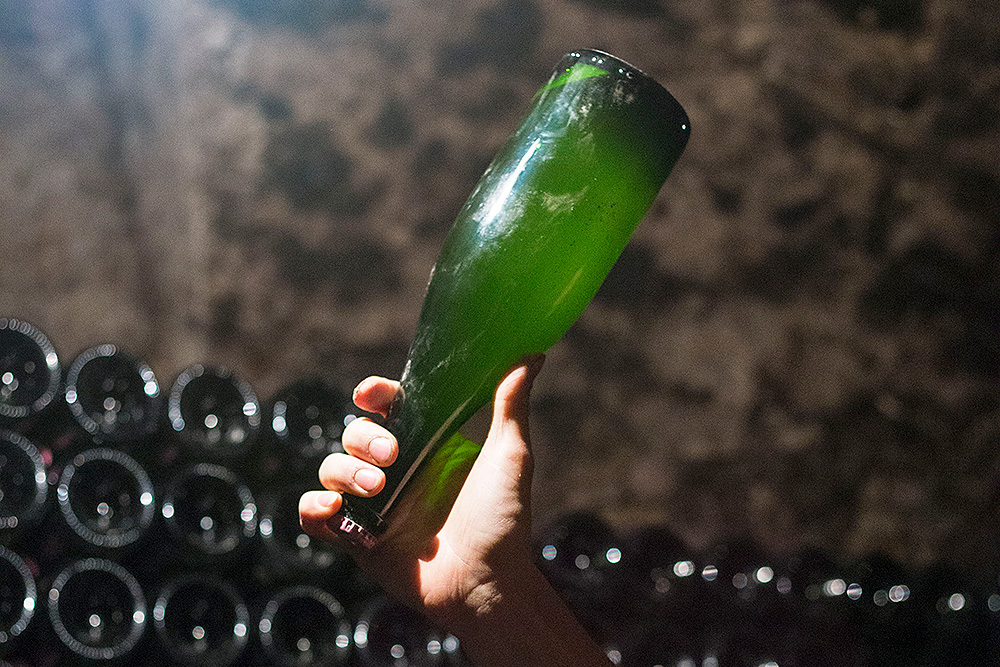
While many producers in Champagne age their wines on the lees longer than required for multi-vintage champagnes, very few practice deep, long aging like Waris-Larmandier. For example, the base wine for a multi-vintage bottling like Particules Crayeuses often comes from 5–7 years before the release year.
The View from the Cellar
Respecting Terroir in the Cellar
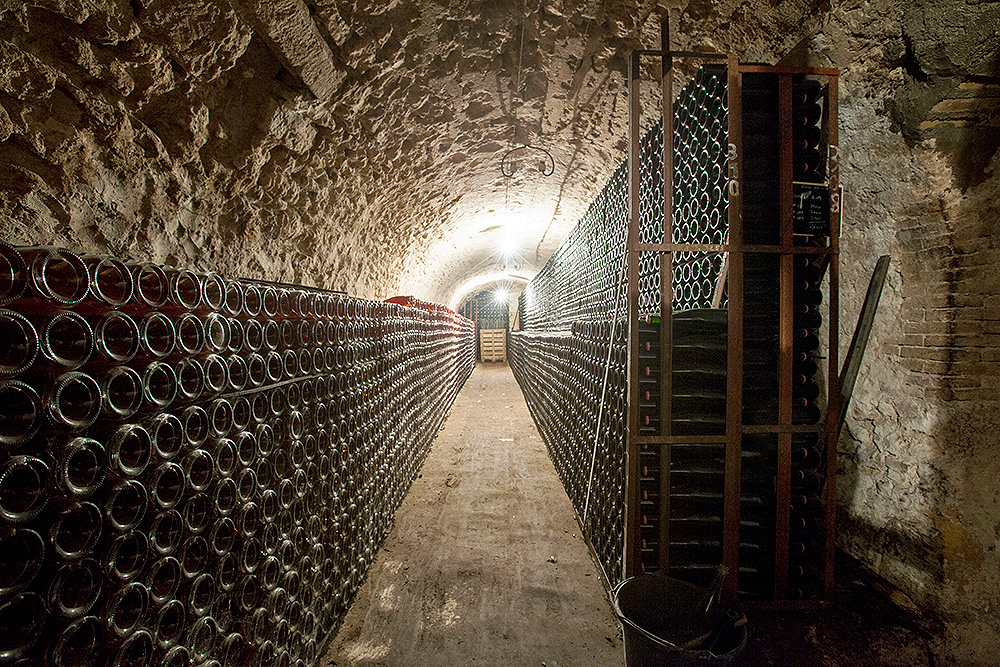
After the grapes are hand-harvested and crushed in a traditional wooden vertical press, only free-run juice is used for the primary fermentation by indigenous yeasts.
The first fermentation is primarily in used, open-top Burgundy barrels, as well as local barrels from Avize, allowing for maximum layered complexity. Aging can be in steel or wood, and can extend to 18 months or more, depending on the energy of the wine.
Liqueur de tirage and dosage (if included) use rectified, clarified grape musts from their vineyards. There is a gentle hand with dosage at the winery ranging between 2 and 5 grams per liter, and the vintage, single-vineyard lieu-dit wines are bottled without any dosage.
In contrast to most champagnes, which are bottled at 6 bar, Waris-Larmandier bottles their wines at an atmospheric pressure of 4 to 4.5 bar, in a traditional Avize style called “perlé”. This results in wines with a silky, creamy mousse with a chantilly-like texture that allows the terroir of their old-vineyards to express itself clearly.
Particules Crayeuses is the flagship Blanc de Blancs cuvée of Waris-Larmandier, sourced from the estate’s biodynamically farmed, old-vine Chardonnay plots in the Grand Cru villages of Chouilly, Cramant, Avize, Oger, and Le Mesnil-sur-Oger. Barrel-fermented with indigenous yeasts, the wine is composed of a single base vintage that makes up the majority of the blend, bolstered by the addition of wine from their Grand Cru perpetual started in the 2011 vintage. Dosage is typically 5g/l or less.
Cuvée Racines de Trois represents the “three roots” of Waris-Larmandier, represented in multiple ways: the contribution of the three siblings to the project, and their use of three grape varieties (Chardonnay, Pinot Noir, and Meunier) from three different regions of Champagne: the Côte des Blancs, the Montagne de Reims, and the Aube. Typically composed of a single vintage of primarily chardonnay bolstered with approximately 10-20% of the chardonnay from the perpetual cuvée (depending on the vintage), along with ~30% pinot noir and ~10% pinot meunier. Dosage typically falls between 2.5-3g/l.
Grand Cru Lieux-Dits
Rare, Heralded Lieu-Dit Parcels
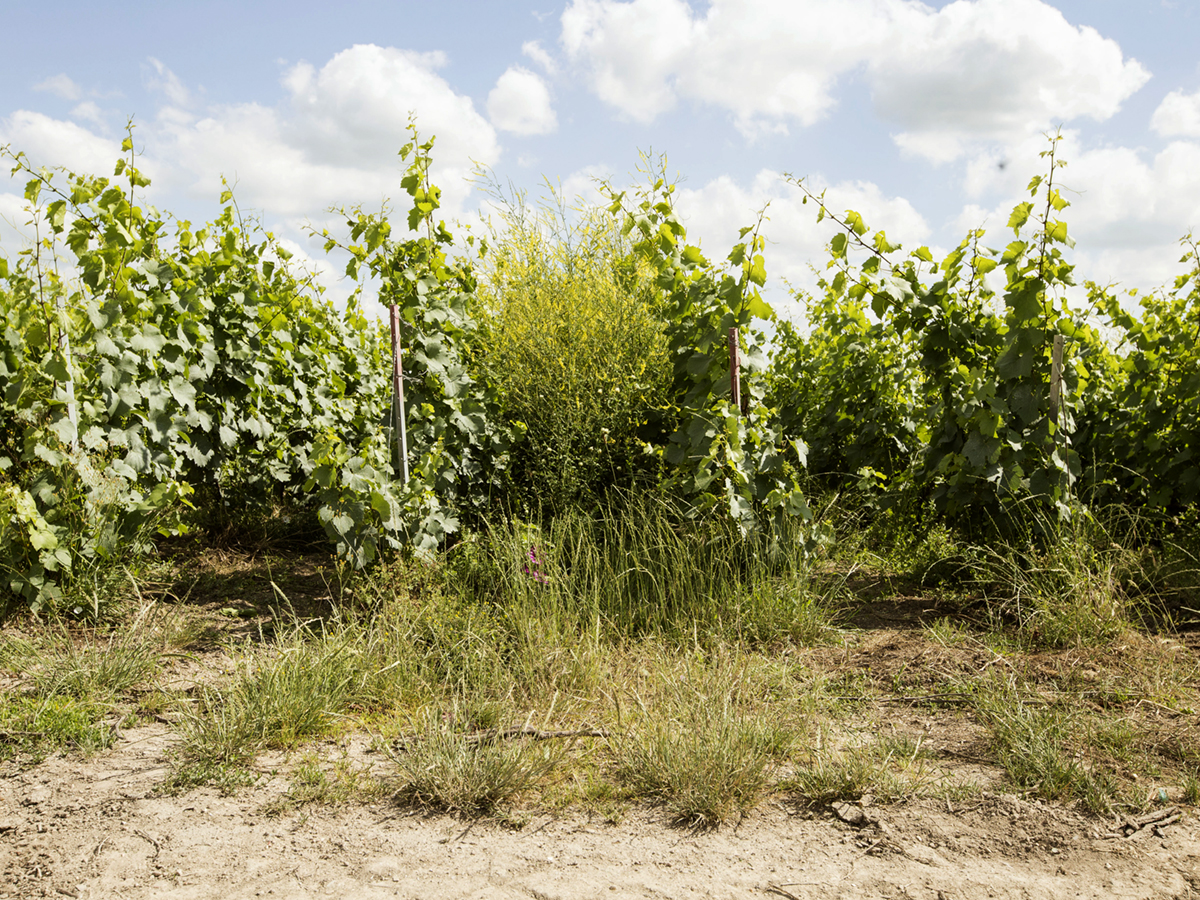
An exciting chapter for the Waris-Larmandier estate lies in their exploration of Grand Cru villages through releases of single vintage, lieu-dit Champagnes from historic family-owned parcels.
With a production between 500 and 1,500 bottles per lieu-dit, these wines are released after a minimum of five years in bottle, and only after the family tastes them and deems them ready. Not every parcel is bottled each vintage, as only the highest quality parcels are of interest for these expressions.
This terroir project began with two vineyards that are very special to the family: Porte de Bas, a vineyard planted by their great-grandfather Jean Waris in 1939 near the winery in Avize, and Les Bauves, a lieu-dit from a vineyard planted in 1962 in Cramant.
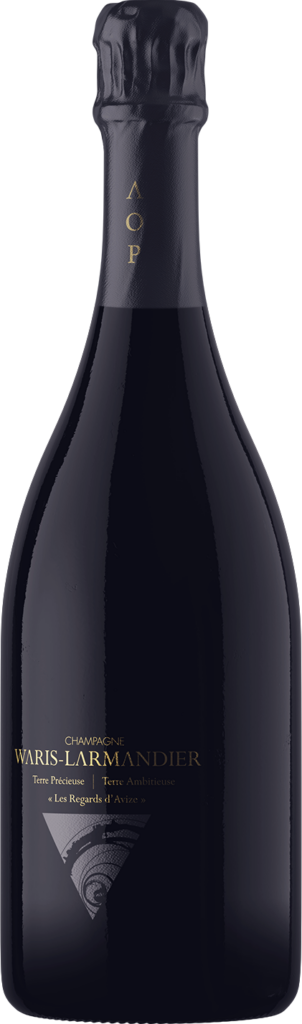
Other recent lieu-dit releases include: Les Regards d’Avize in Avize and Les Terres Des Buissons in Cramant (both planted in 1963); La Carelle in Chouilly (planted in 1976), which their great-grandmother Renée Diebolt won at a flea market; the great Montcheneveaux aux Levant in Oger (replanted in 1990); and a majestic Les Chétillons de Haut in Le Mesnil-sur-Oger (planted in 1955, 1960, and 1990).
All of the lieu-dit wines are hand-disgorged (à la volée), bottled without dosage or sulfur, and then finished with a top-quality, extra-long natural cork.
Presented in a wooden case, each bottle includes a detailed map of the lieu-dit’s location, its history, winemaking details, and a recommended piece of music to listen to while drinking.
Products
Wine
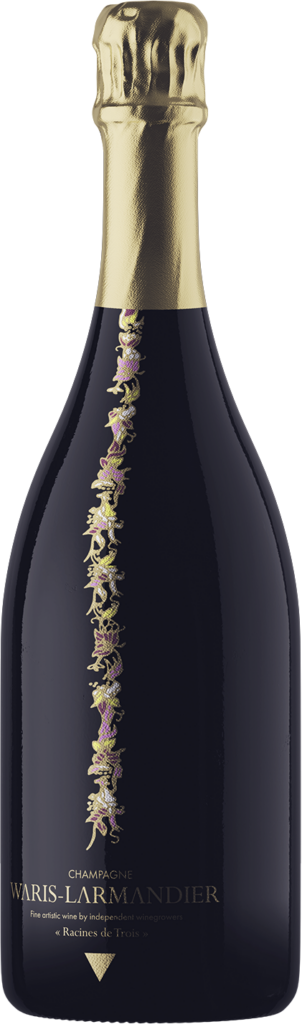
Waris-Larmandier ‘Racines de Trois’ Brut Champagne NV
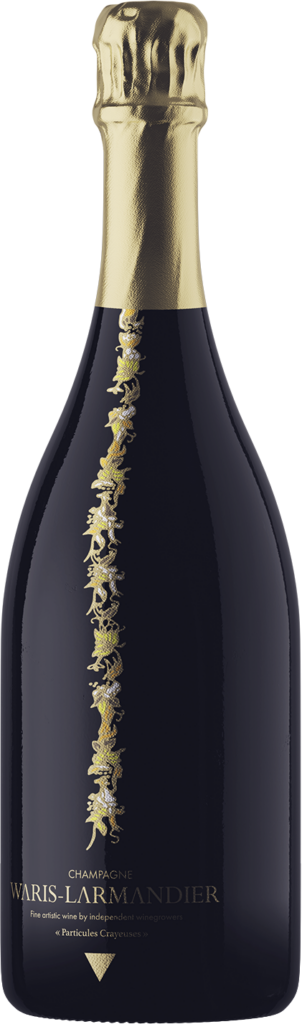
Waris-Larmandier ‘Particules Crayeuses’ Grand Cru Blanc de Blancs Extra Brut Champagne NV
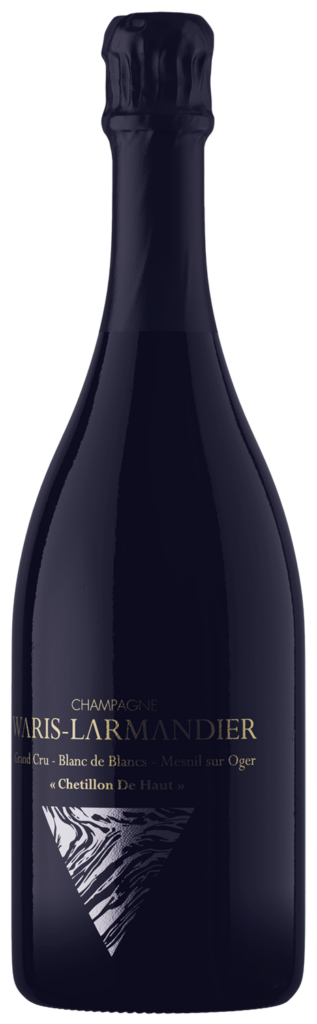
Waris-Larmandier ‘Chétillon de Haut’ Blanc de Blancs Grand Cru Mesnil-sur-Oger Brut Nature Champagne 2018
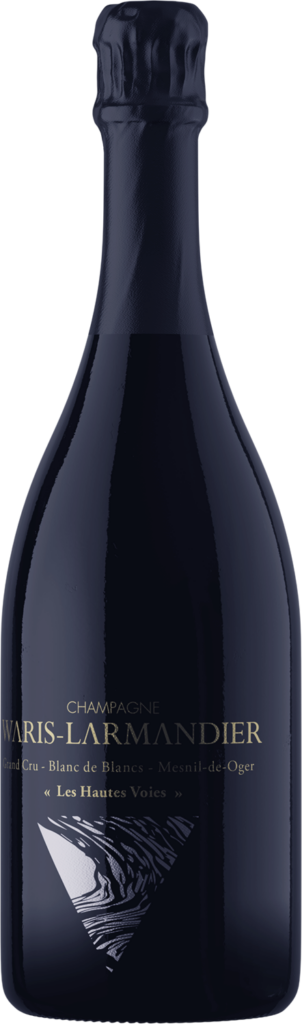
Waris-Larmandier ‘Les Hautes Voies’ Blanc de Blancs Grand Cru Mesnil-sur-Oger Brut Nature Champagne 2019