



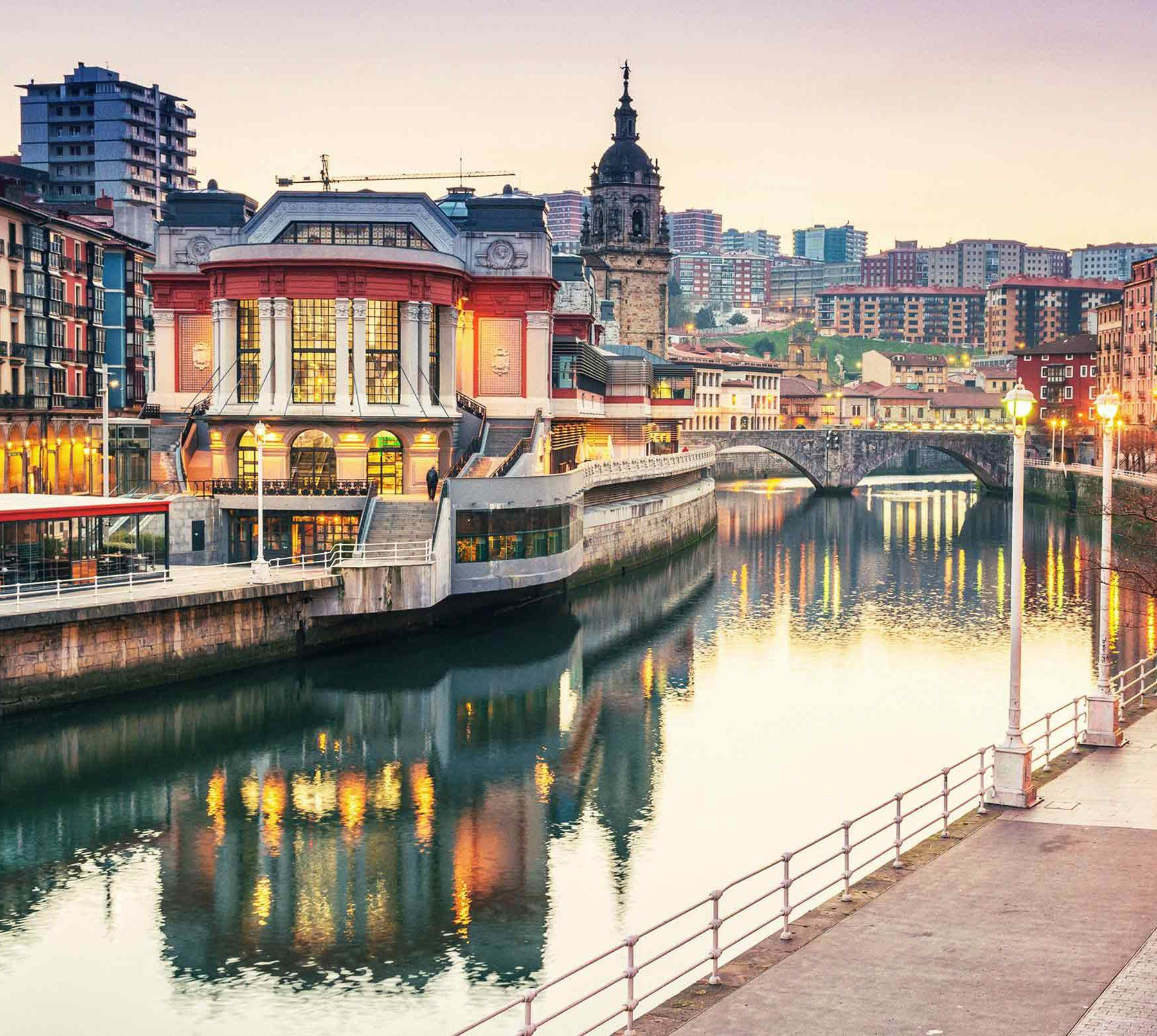
Basque Country
Northeast Spain

Straddling the border between southwestern France and northeastern Spain, the Basque Country is a land unto itself, known for its strong cultural identity, ancient language, impressive landscape, and world-class cuisine.

A cool, Atlantic climate, with abundant rainfall in spring and autumn, and mild winters and summers.
History & Identity
Between the Mountains and the Sea
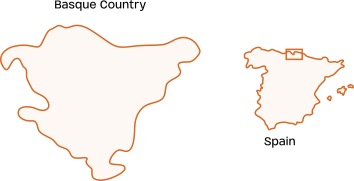
In Euskara, the Basque language, the region is known as Euskal Herria, “the land where people speak Basque,” and in both Spanish and French it’s known as Pays Basque / País Vasco, the “land of the Basques.” The culturally-defined Basque Country includes the autonomous community of País Vasco in Spain, the French Pays Basque region, and the Spanish region of Navarra (in Basque, Nafarroa), whose northwest is predominantly Basque.
The Basque Country stretches from the Ebro river in Rioja to the Atlantic coast into France following the Bay of Biscay. From rolling hills to steep mountains and coastal fjords, it is a harsh, rugged, and intensely beautiful land. The Bay of Biscay commands the climate, creating generally good conditions for grape growing, but the high amount of rainfall and limited sunshine can create ideal conditions for fungal diseases such as downy mildew, powdery mildew, and botrytis. This can be a challenge for grape growers, particularly in very wet years.
Who are the Basque People
The Persistence of a Singular Culture
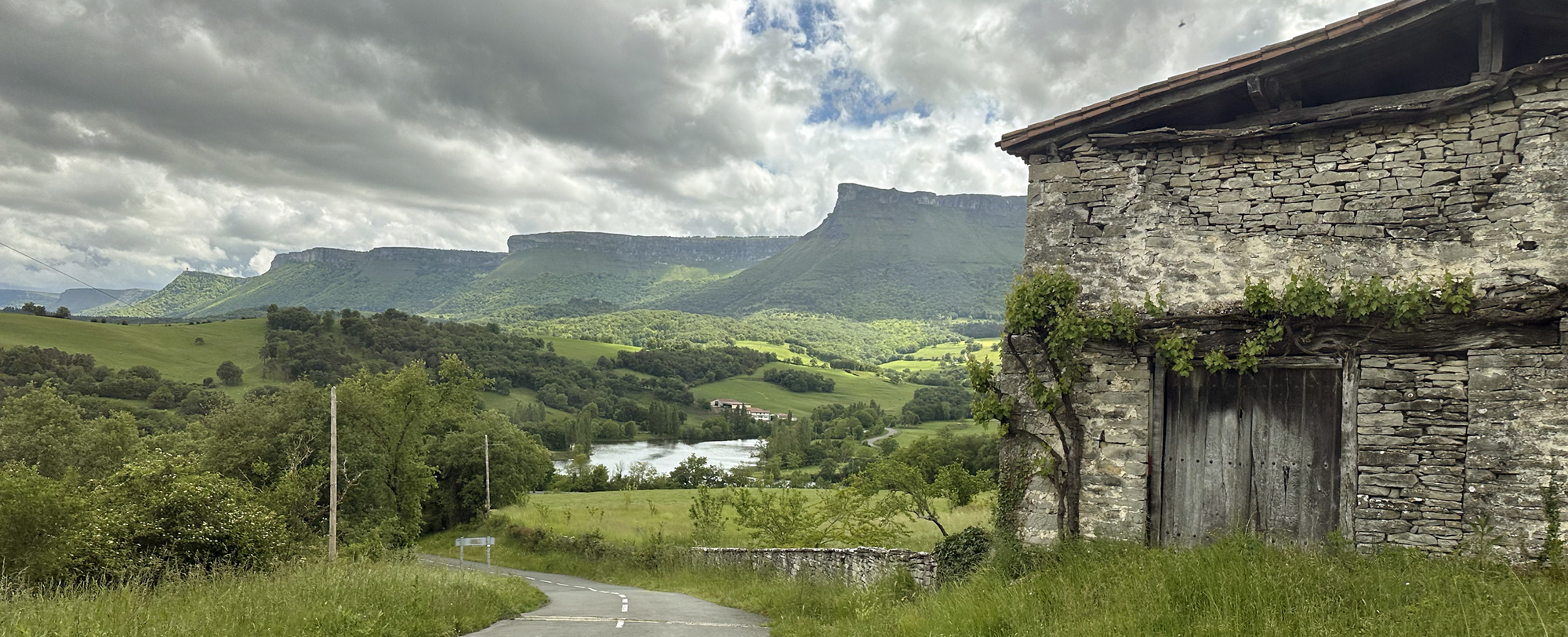
Archaeological and historical records indicate that the origin of the Basque people dates back to the stone age. The mountainous terrain and rocky coast kept the Basque region isolated from outside influences, and their language and culture were untouched for centuries. Neither the Romans, Moors, nor Visigoths were able to conquer the Basques. Even the Catholic monarchs who drove the Christian Reconquista were unable to completely subjugate the region — although the modern-day Basque region became part of the Kingdom of Spain, it retained a considerable amount of independence.
In 1936, after General Francisco Franco plunged Spain into a dictatorship, he abolished all regional autonomy and suppressed the Basque language. In response to the Franco regime, the violent separatist group ETA emerged in 1959. Claiming to fight for Basque independence, ETA carried out bombings, assassinations, and attacks that killed and injured hundreds of civilians, police, and politicians, in a decades-long campaign of terror that lasted long after Spain’s transition to democracy in the late 1970s. Public opposition and law enforcement efforts forced ETA to declare a permanent ceasefire in 2011 and formally disband in 2018, leaving behind a dark chapter in the region’s history.
Today, the Basques’ long history of preserving their culture and traditions against all odds, combined with their intense respect for quality and craftsmanship, have transformed the region into one of Spain’s most culturally unique and world-renowned regions.
Basque Cuisine
A Locus of World-Class Gastronomy
It’s no coincidence that Basque chefs collect awards year after year at food competitions, and San Sebastián has the highest number of Michelin-starred restaurants per square kilometer. The Basque Country is world-renowned for the quality of its traditional cuisine as well as the creativity of its modern culinary innovations. It’s safe to say that Basque food and wine have now become essential ingredients for top chefs around the world, driven by the relentless enthusiasm of the Basques themselves for the exceptional quality of their own ingredients.
From fish to meats to vegetables, the Basque Country produces top-quality products. Seafood forms the traditional backbone of Basque cuisine, complemented by cured meats and fresh vegetables from the interior regions. This is the birthplace of pintxos and txokos, Basque gastronomic societies, which number in the thousands.
Vermouth has also traditionally been a part of pintxo culture, and has experienced a 21st-century revival. Traditional vermouths are once more being produced by artisanal houses, and it’s common to see vermut de grifo, or vermouth on tap, served at bars alongside beer and wine. The social aspect and low alcohol of vermouth make it the perfect drink to consume with friends at the beginning of a meal, as a slightly sweet and bitter accompaniment to salty and complex Basque pintxos.
Basque Wine
Txakoli or Txakolina?
You’ll often hear txakoli and txakolina used interchangeably, but there’s a small difference between the two. Txakoli is the basic word for the wine, while Txakolina literally means “the txakoli” or “that particular txakoli”. In Basque, the “-a” on the end of a word functions like “the” in English. So anytime you see “Getariako Txakolina”, it means “the txakoli of Getaria”, “Bizkaiko Txakolina” is “the txakoli of Bizkaia,” and so on.
Though we don’t know for certain exactly when the name txakoli came into use, we do know that Basque winemaking dates back as far as the 9th century. By the Middle Ages, grape growing and winemaking was common across the region, mainly taking place at baserris (farmhouses), where it formed part of the self-sufficient farming ecosystem.
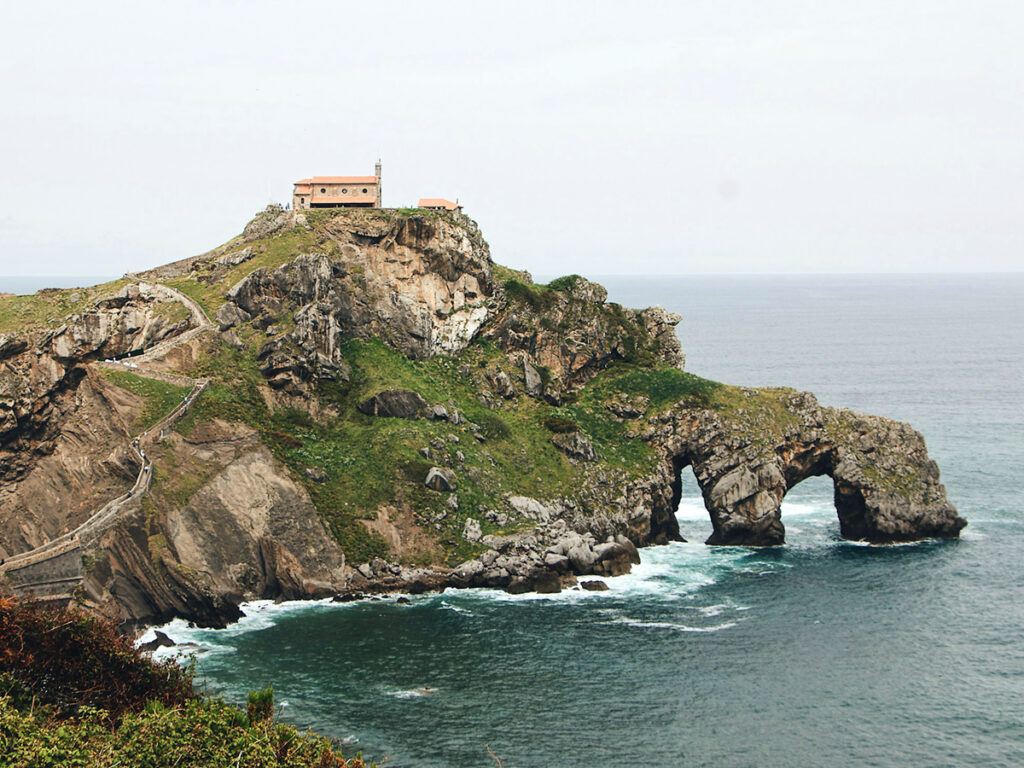
The word txakoli itself might reflect this self-sufficient origin: one theory suggests txakoli comes from the Basque etxeko ain, meaning “just enough for home,” a common response from grape growers when asked how the harvest had gone.
In the late 19th century, taverns called chacolines served local wine alongside freshly-caught seafood were common, but by the early 20th century, nearly all the Basque Country’s vineyards had disappeared due to competition from foreign wines, people leaving rural areas, and plagues such as phylloxera, downy mildew, and powdery mildew. In the late 1980s, small farmers began the work of recovering local grape varieties like hondarrabi zuri and hondarrabi beltza. Thanks to their pioneering efforts, the Basque Country now has three Designations of Origin for txakoli, and the wine has rocketed to worldwide fame.
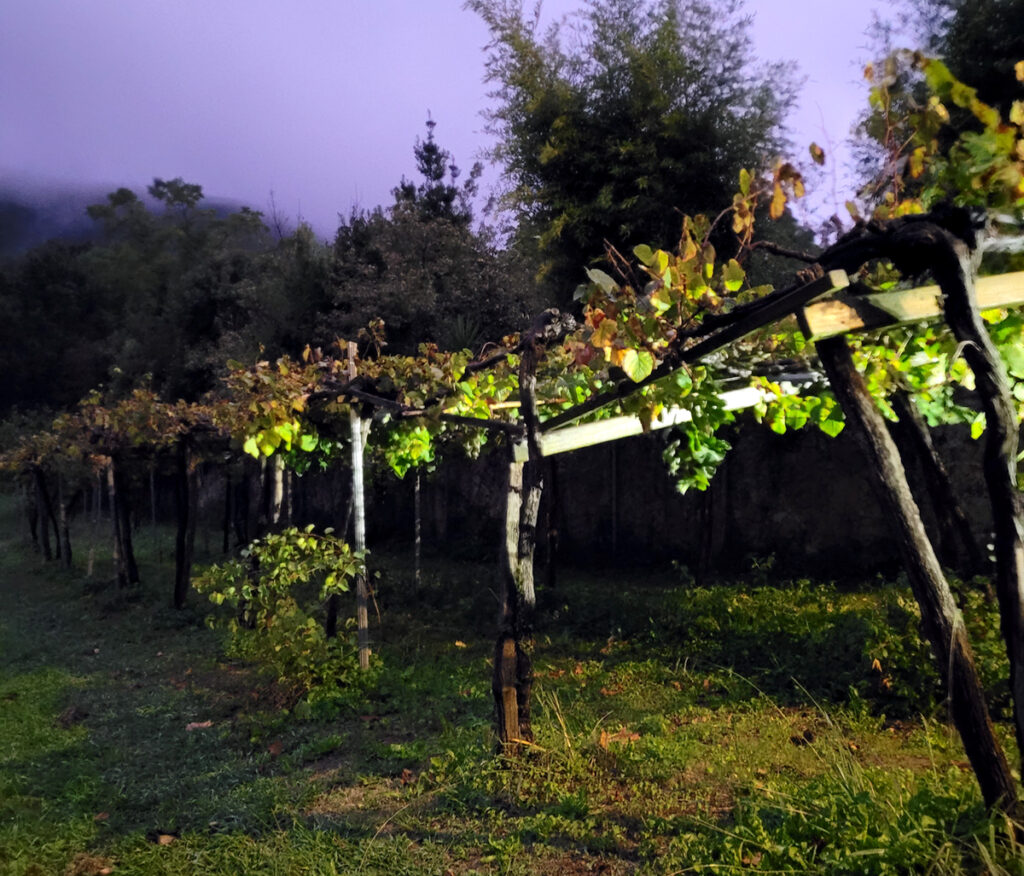
Arabako Txakolina – Arabako Txakolina covers the Amurrio Valley in the northern part of Álava, in the villages of Artziniega, Ayala, Llodio, Amurrio, and Okondo. Viticulture in the Amurrio Valley has deep historical roots; as early as the 9th century, txakoli production was widespread among farmers in Álava, particularly in Amurrio, Llodio, and Ayala. In the 19th century, most of the vineyards were wiped out by diseases such as phylloxera, but in the 1980s a handful of pioneering producers brought back the valley’s viticultural traditions. Denominación de Origen Arabako Txakolina / Txakoli de Álava was created in 2001, and today there are around 100 hectares.
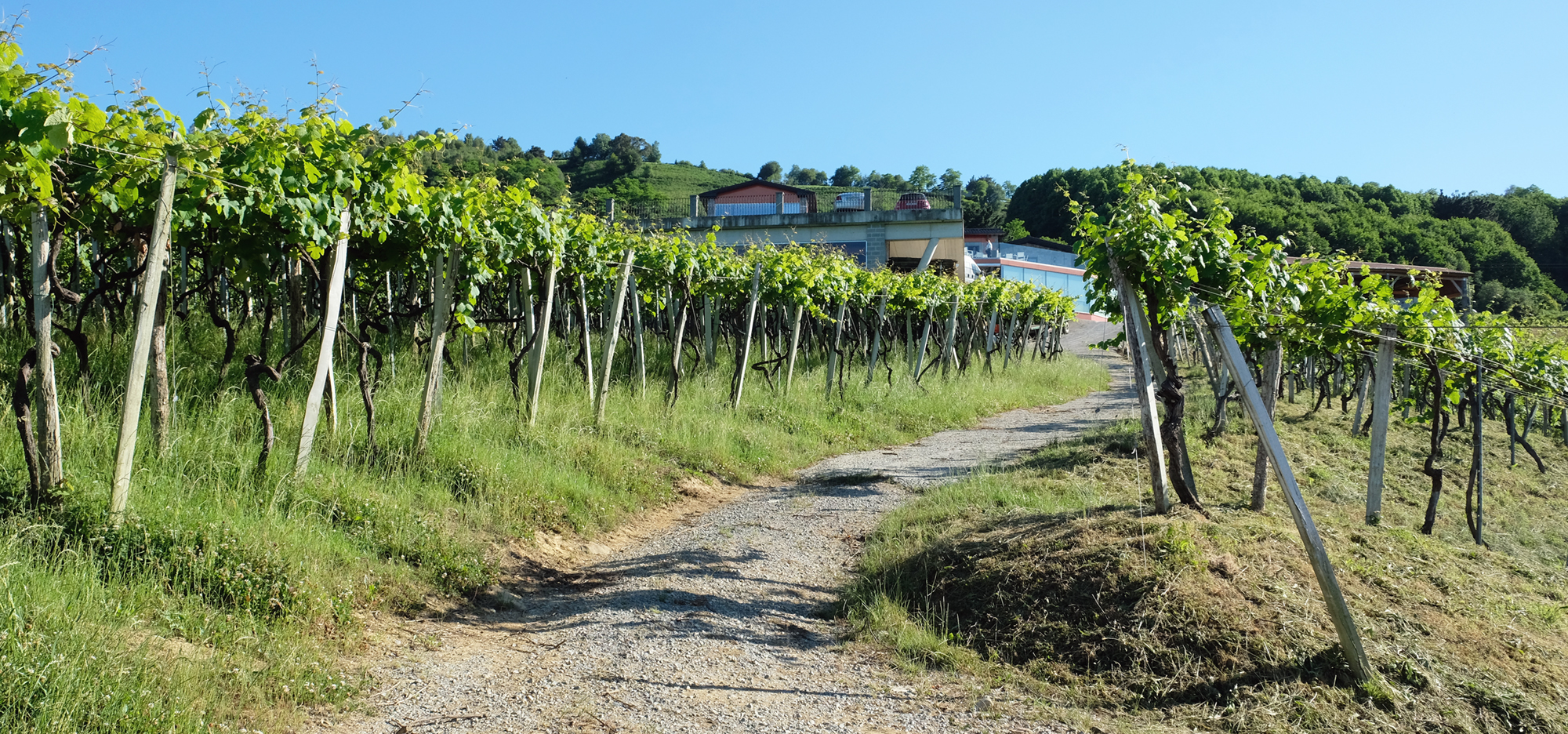
Bizkaiko Txakolina – At the beginning of the 20th century, txakoli production in the areas surrounding Bilbao was almost extinct due to phylloxera and urban sprawl. In the late 1980s, a small group of passionate growers, including Uriondo and Doniene Gorrondona, began to resurrect traditional Basque winemaking in the region. Their groundbreaking work resulted in the revival of txakoli in the area and the creation of Denominación de Origen Bizkaiko Txakolina in 1994. Cultivated on smallholdings halfway up hillsides and protected from the north winds, vineyards are at altitudes between 50 to 200 meters above sea level.
Getariako Txakolina – Getariako Txakolina covers the coast of Gipuzkoa, specifically the villages of Getaria, Zarautz, and Aia. Wine production has a long and storied history here, with vineyards documented as early as 1180. During the 16th century, “chacolín” was an important economic driver along the Basque coast, but by the 19th century, grape growing was limited to the sheltered coastal areas of Getaria and Zarautz, and phylloxera further damaged the wine industry. Beginning in the 1980s, local efforts professionalized winemaking, recovering vineyards and bringing in modern technology to wineries. Denominación de Origen Getariako Txakolina/Txakoli de Getaria was officially established in 1990, and expanded in 2007 to cover all of Gipuzkoa.
Basque Cider
Euskal Sagardoa
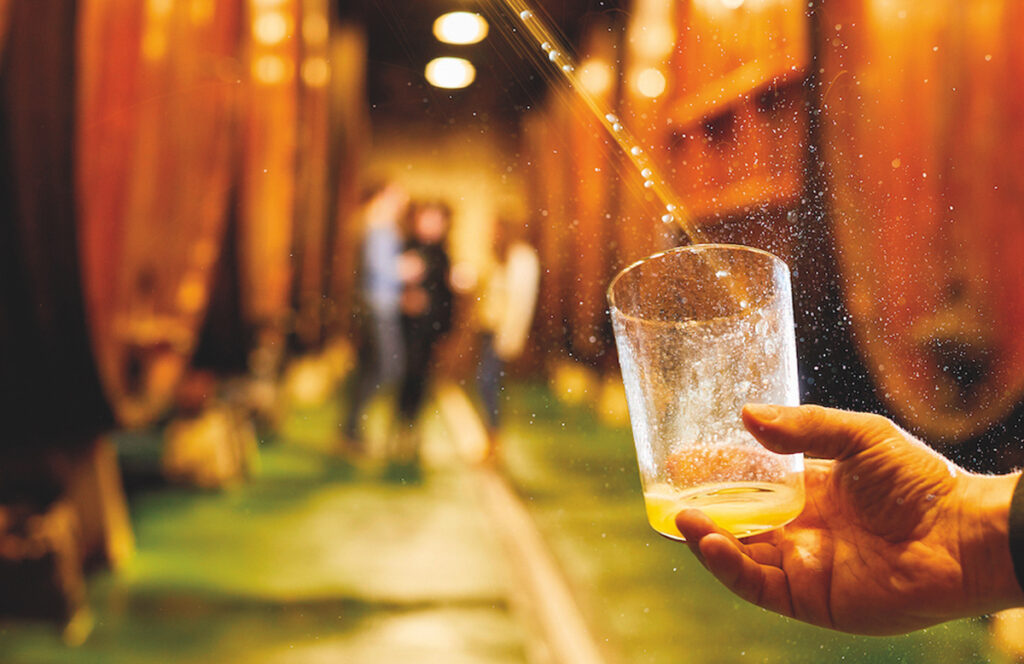
In the Basque language, words like sagar (apple) and sagardo (apple wine or cider) have been present since ancient times. Cider production was documented in the region as early as 1014, and historical documents further confirm Basque culture’s long relationship with cider. Today, that relationship is as deep as ever. Agronomists have cataloged local apple varieties and revived orchards, identifying over 115 distinct varieties, and the sagardodenboraldia (cider season) remains a vital traditional practice that fosters community and cultural continuity. For the Basques, cider represents a living heritage, transmitting knowledge, techniques, and traditions from generation to generation.
PDO Euskal Sagardoa was formed in 2016 with the goal of ensuring the quality of Basque orchards and apples at every stage of production. Ciders bearing the Euskal Sagardoa seal must be made entirely from authorized native apple varieties originating in the Basque region and carry a guarantee of quality. Extensive laboratory analysis is also used to enforce quality control, ensuring that all ciders are free of additives and produced without the addition of CO₂, water, or sugars.
Producers
Wines from Arabako Txakolina
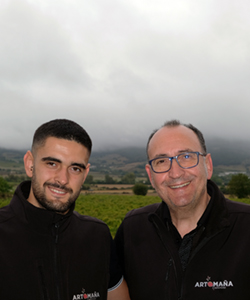
Artomaña
Amurrio, Álava
A pioneering family winery that began the recovery of txakoli in the breathtaking Amurrio Valley in the 1980s and 90s.
Wines from Bizkaiko Txakolina
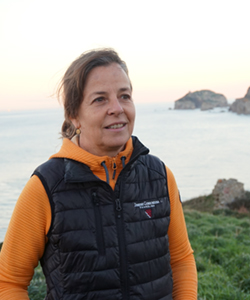
DGTX
Bakio, Bizkaia
tziar Insausti founded this original member of the Bizkaiko Txakolina DO, which continuously pushes the potential of Basque wine.
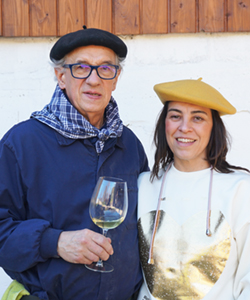
Uriondo
Zaratamo, Bizkaia
Founded along with the DO in 1987, Roberto Ibarretxe and his wife Isabel Viñas make this pure, beloved, single-vineyard expression.
Wines from Getariako Txakolina
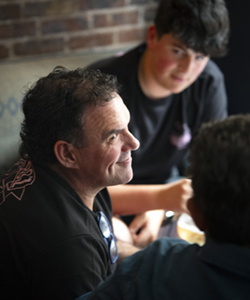
Ameztoi
Getaria
Perched above the Bay of Biscay, this is the family winery that made the US crave txakoli, through innovation supported by deep roots.
Cider from the Basque Country
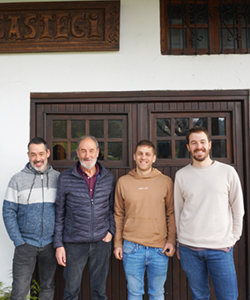
Isastegi
Tolosa, Gipuzkoa
A legendary, traditional, organic Basque cider house that has been in operation since the 17th century.
No/Low ABV from the Basque Country
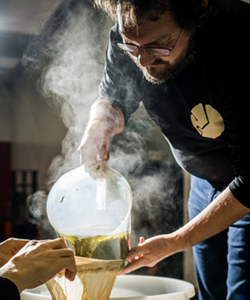
Ama Brewery
Irún, Gipuzkoa
A team of winemakers and chefs that craft one-of-a-kind gastronomic, low & no alcohol pét-nat from meticulously-sourced teas.