Artomaña
Bizkaiko Txakolina | Basque Country

A pioneering txakoli house that continues the legacy of Eugenio Álava Ugarte, a visionary who began the recovery of txakoli in the Amurrio Valley in the 1980s and 90s.
Introducing the Producer
A Story of Recovery
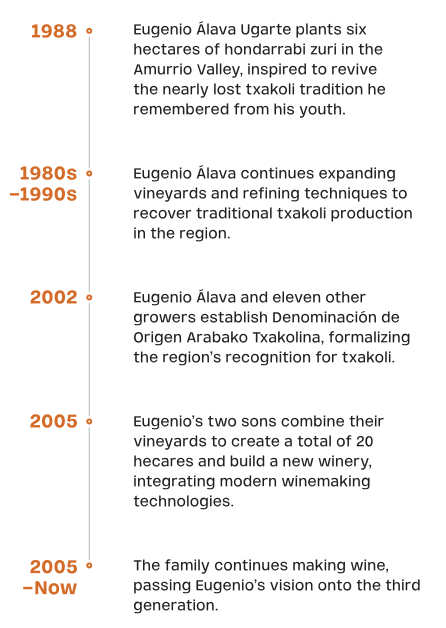
In the late 1980s, the txakoli-making tradition had been mostly lost throughout the Basque provinces, but Eugenio Álava Ugarte still remembered the vineyards of his youth in the Amurrio Valley. In 1988, inspired to revive the local legacy of winemaking, he planted six hectares of hondarrabi zuri using plant material from Getaria, the only remaining province with a strong tradition of txakoli. Later, Eugenio joined forces with eleven other growers to establish Denominación de Origen Arabako Txakolina in 2002.
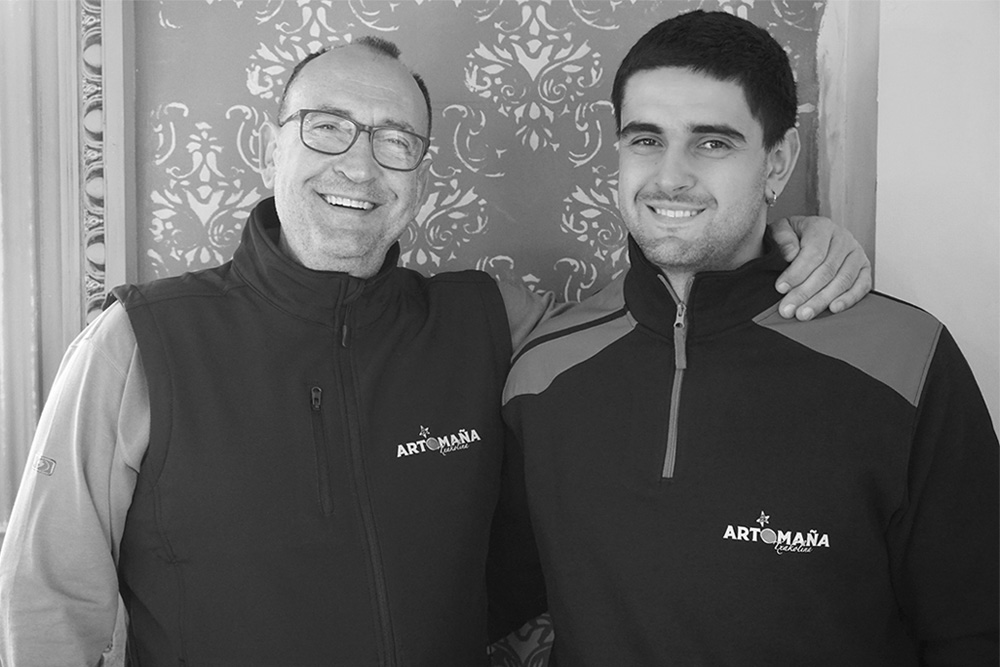
In 2005, Eugenio’s two sons combined their vineyards to achieve the current 20ha, and Artomaña Txakolina was born. They built a new winery, incorporating the latest winemaking technologies into the production process. With the txakoli tradition reborn, they are passing Eugenio’s vision onto the third generation.
Terroir
A Bountiful Valley
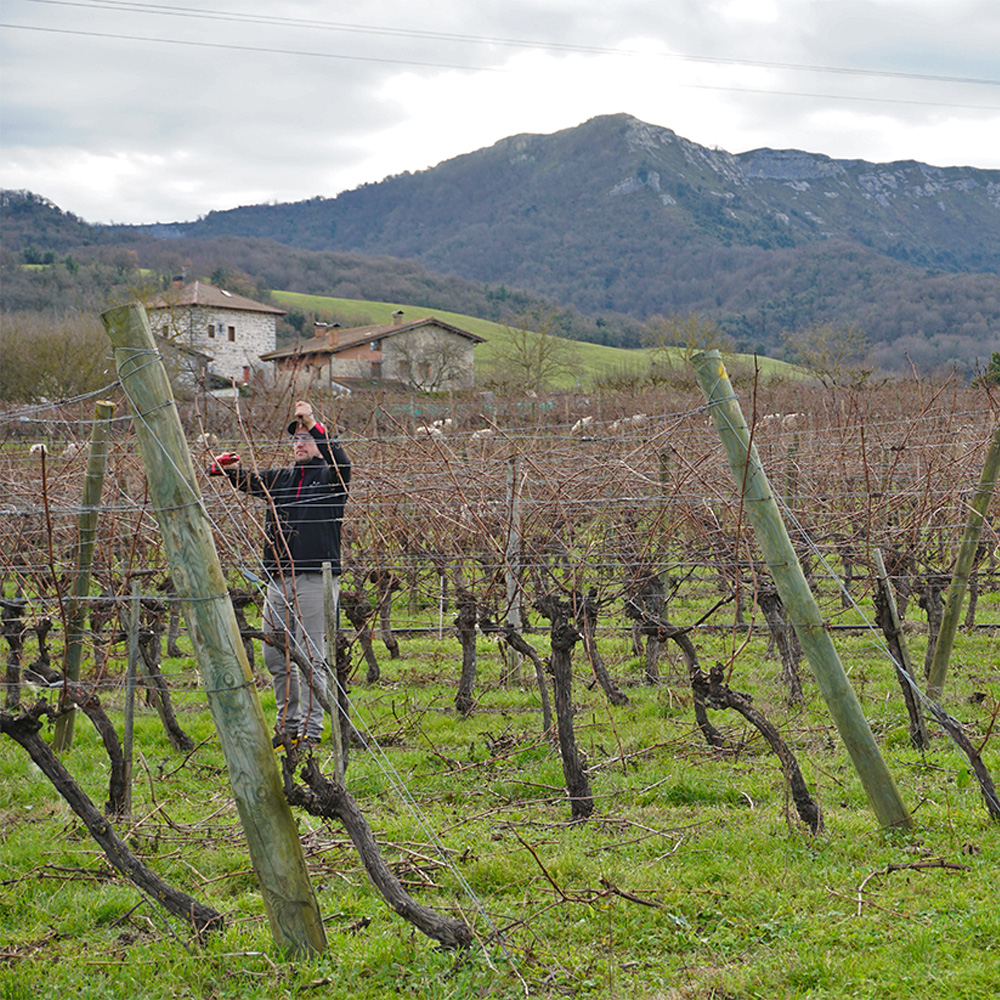
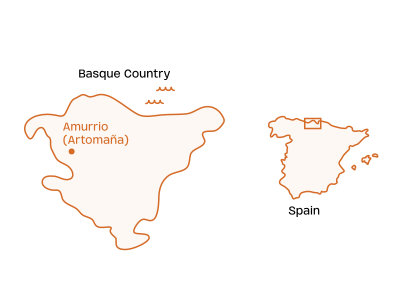
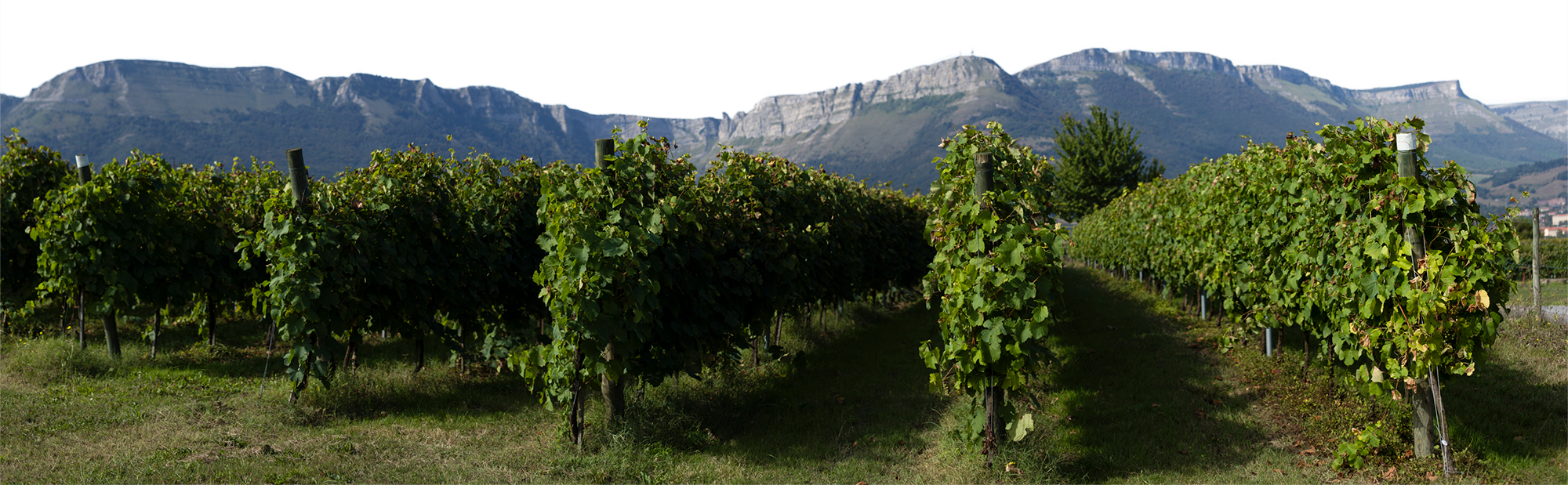
Artomaña is located in the village of Amurrio, in the Arrastaria Valley at the verdant foothills of the Sierra Salvada mountains. Nearby, the magnificent “Salto del Nervión” waterfall drops over 800 feet, creating one of the highest and most beautiful waterfalls in all of Western Europe.
At an altitude of just under 1,000 feet above sea level, the valley offers very special conditions for growing grapes. Located in the Alto Nervión region, it enjoys the cooling effects of its proximity to the Cantabrian Sea, but it’s protected by the impressive limestone walls of the Sierra Salvada mountains, which reach over 1,600 feet.
In the summer, sea breezes from the Cantabrian Sea arrive at midday to cool the vines. When the wind blows from the south, hot and dry air from Spain’s interior creates a strong contrast that helps grapes to ripen. On clear winter days, an icy, humid wind blows from the Meseta, producing a cascade of fog that plunges into the valley, known locally as “El Bollo.”
Process
This Charming Wine
All of Artomaña’s estate-grown grapes are traditional varieties indigenous to the Basque region: hondarrabi zuri, petit courbu, gros manseng, and petit manseng.
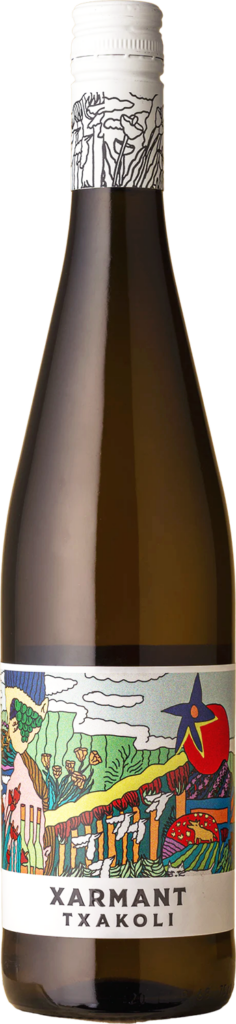
Their signature wine is called Xarmant, or “charming” in Basque—a fitting name for a joyous wine from the bountiful Arrastaria Valley. The wine ferments in stainless steel with indigenous yeasts to allow the grapes to reflect the true qualities of the unique soil and site. Per the style in Álava, Xarmant is bottled with less naturally-occurring residual carbon dioxide than txakoli from other regions, like Getaria.
Products
Wine