DGTX
Bizkaiko Txakolina | Basque Country

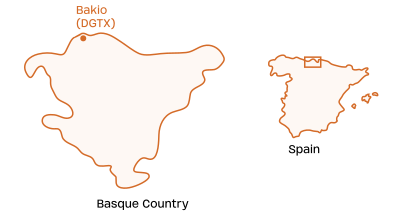
In Bakio, a small village on the Basque coast near Bilbao, DGTX shows the world that txakoli can be more than just a lighthearted wine; it can be serious, multifaceted, and truly world-class.
Introducing the Estate
The Basque Coast
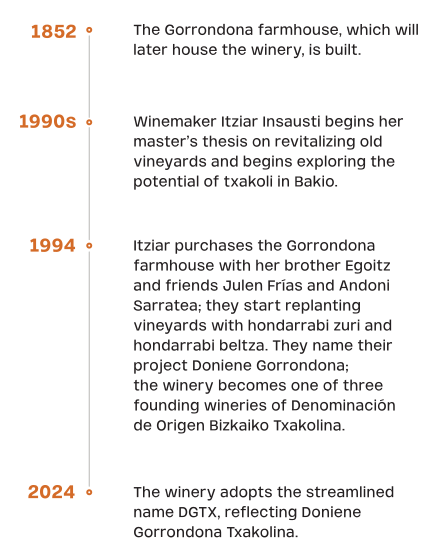
Perched on the green hills of Bakio, a small village on the Basque coast near Bilbao, Doniene Gorrondona’s name is a blend of Doniene (Basque for Saint John, the patron saint of Bakio) and Gorrondona, the name of the 1852 farmhouse which houses the winery.
In 2024, the winery adopted the streamlined name DGTX, an acronym for Doniene Gorrondona Txakolina.
History & Origins
Revitalizing More Than Vines
In 1994, while completing her master’s thesis on revitalizing old vineyards in Bakio, winemaker Itziar Insausti began to realize the area’s potential for winemaking and its historic significance for txakoli production. Nestled among mountains on the edge of the Bay of Biscay, the moderate maritime climate allowed grapes a slow, long growing season, meaning the vines produced high-quality fruit.

When the opportunity came along to purchase a local caserio (Basque farmhouse) built in 1852, Itziar invited her brother, Egoitz Insausti, and two friends, agronomist Julen Frías and journalist Andoni Sarratea, to join the project. Her goal was to revive and elevate the local txakoli culture, which had fallen into decline.
Together, they began to replant the surrounding vineyards with the indigenous hondarrabi zuri and hondarrabi beltza grapes. They soon began producing wine in the old farmhouse, which was known as Gorrondona. In 1994 Doniene Gorrondona became one of three pioneering producers to form Denominación de Origen Bizkaiko Txakolina, cementing the winery’s role as a leader in modern txakoli.
Today, Itziar, Egoitz, and Julen remain at the helm of the project, and are recognized as pioneers and leaders of the Bizkaiko Txakolina revolution.
The Vision Behind DGTX
Crafted by Itziar
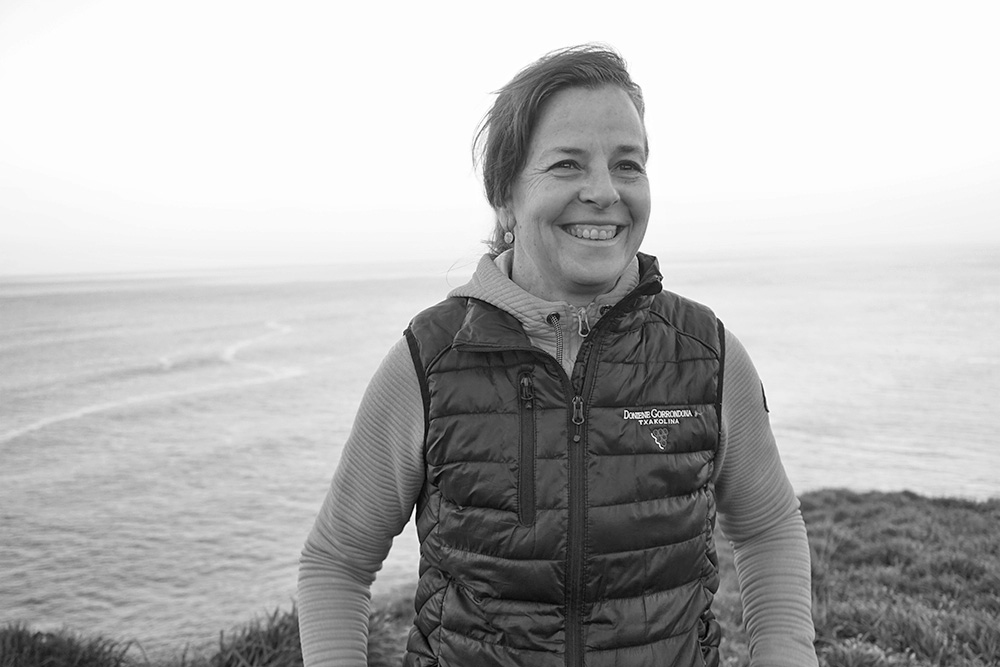
Itziar believes in creating wines that reflect the distinct terruño of the region. Her personal mission is to show the world that the indigenous grapes of txakoli can make more than just lighthearted wines; they can be serious, multifaceted, and truly world-class. She has invested an incredible amount of time, persistence, and monetary sacrifice in the form of lower yields to create something truly distinctive.
Process & Philosophy
Red and White
DGTX currently farms 16 hectares of vines as organically as each vintage allows, including a two-hectare parcel of pre-phylloxera hondarrabi beltza. Unlike most of their neighbors, DGTX has never given up on red wine. Their Beltza bottling, made from 100% hondarrabi beltza, has become a cult classic.
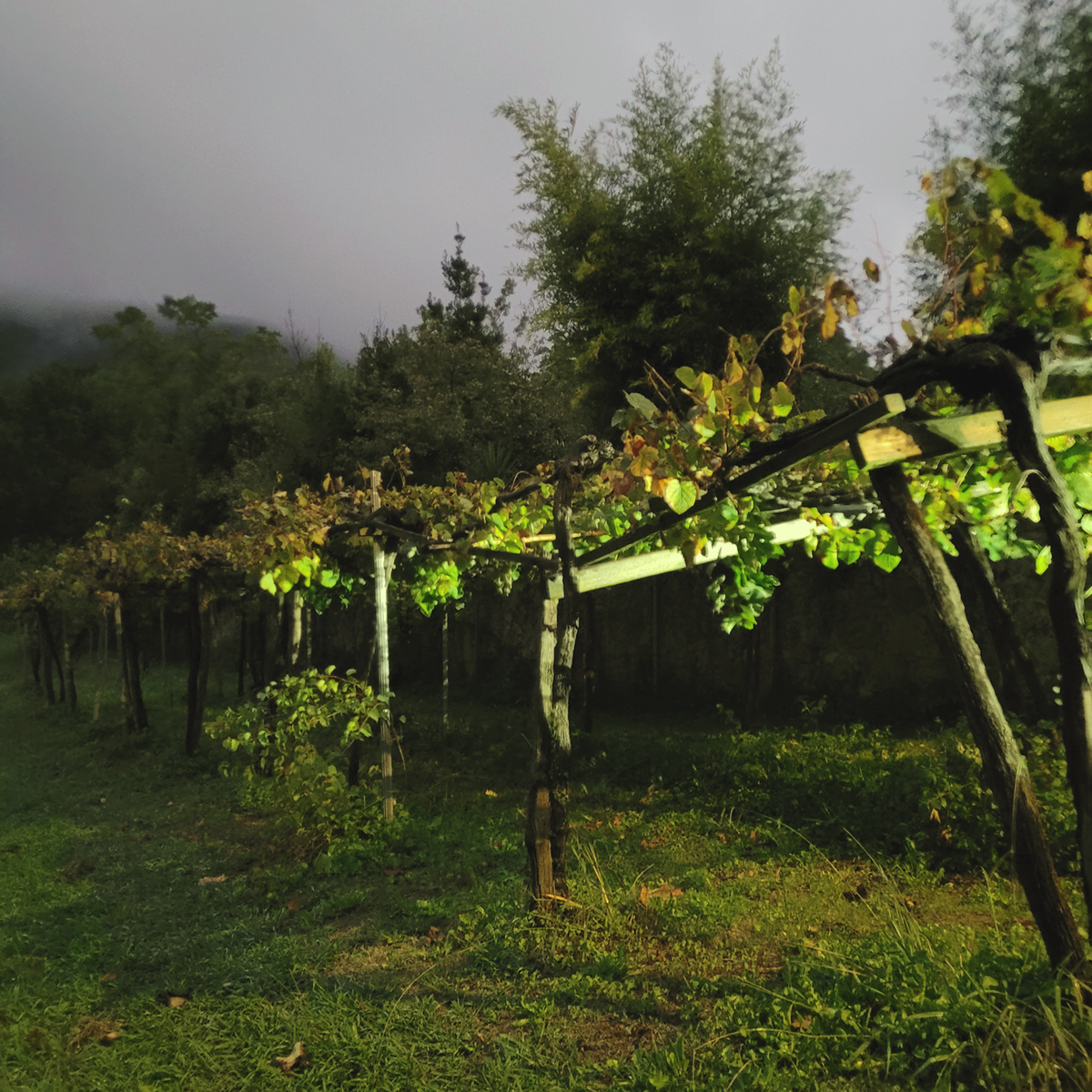
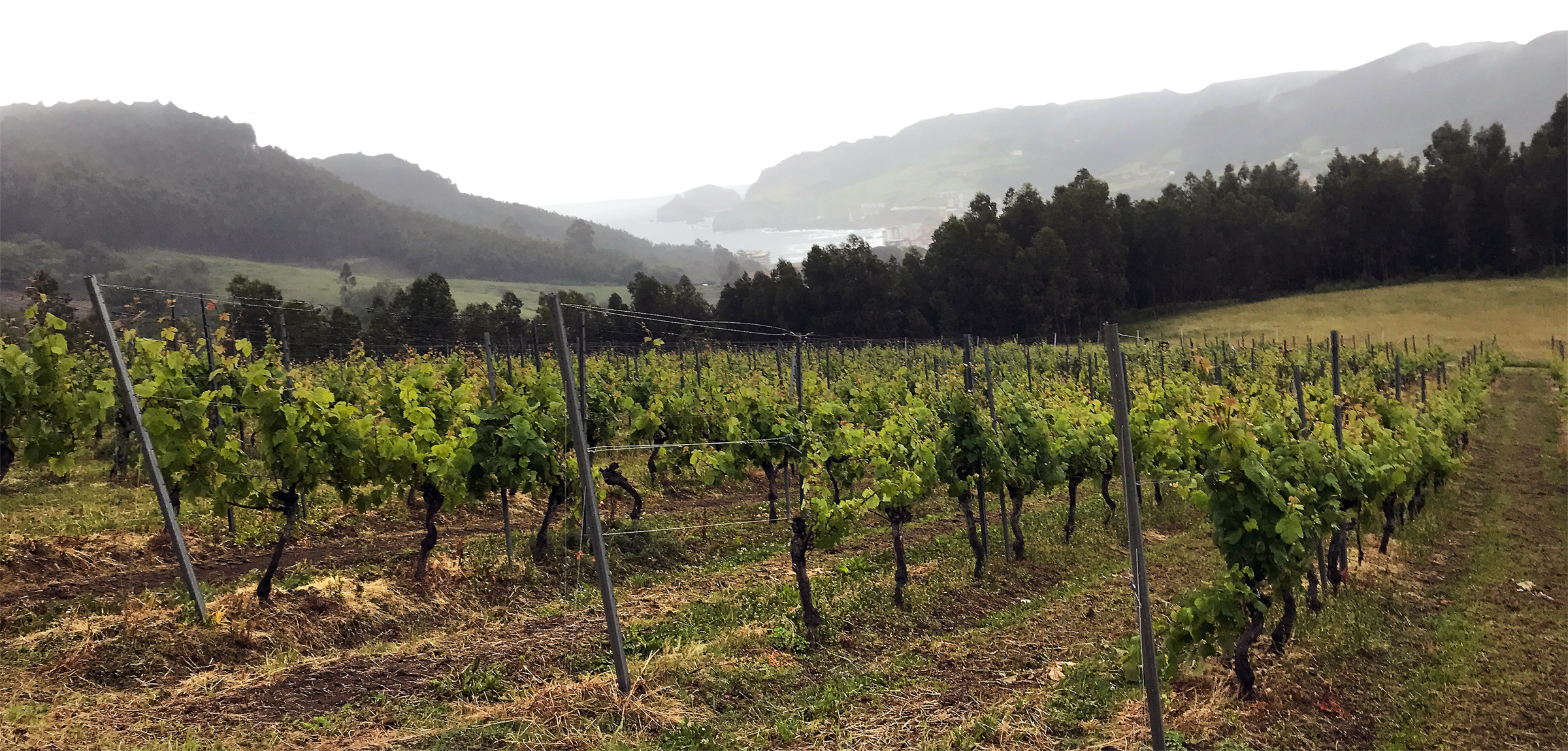
Vines are planted pergola-style to allow air circulation in this damp climate. Winemaking is low intervention, with spontaneous native-yeast fermentations and low sulfur.
Products
Wine
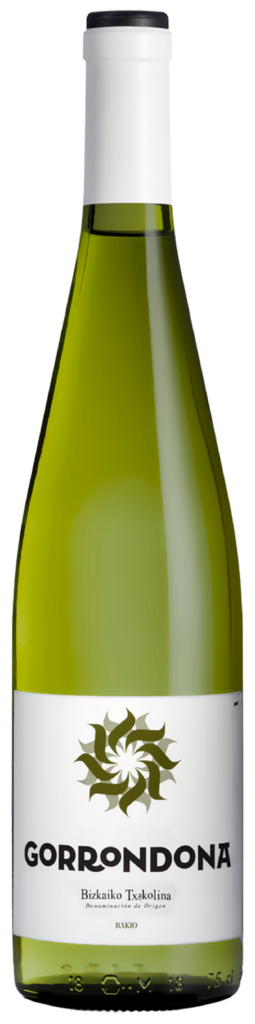
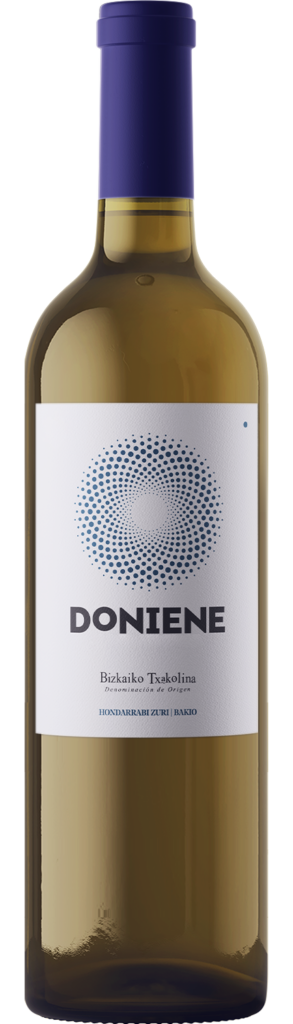
DGTX Gorrondona Bizkaiko Txakolina 2024
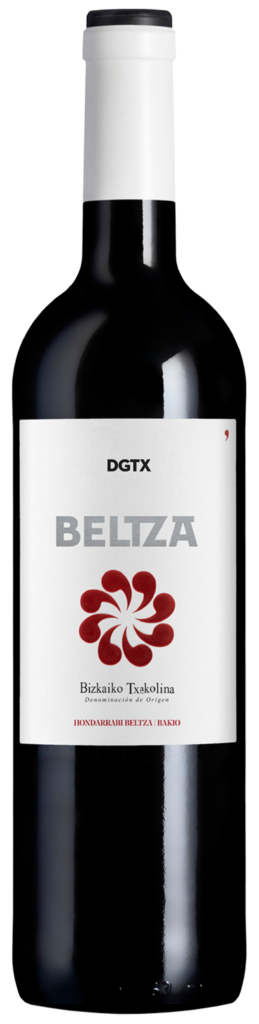
DGTX Beltza Bizkaiko Txakolina 2022