



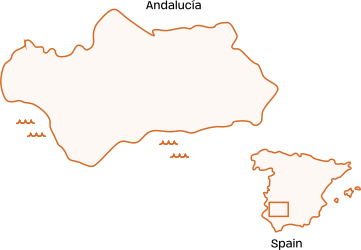
Andalucía
Southwest Spain

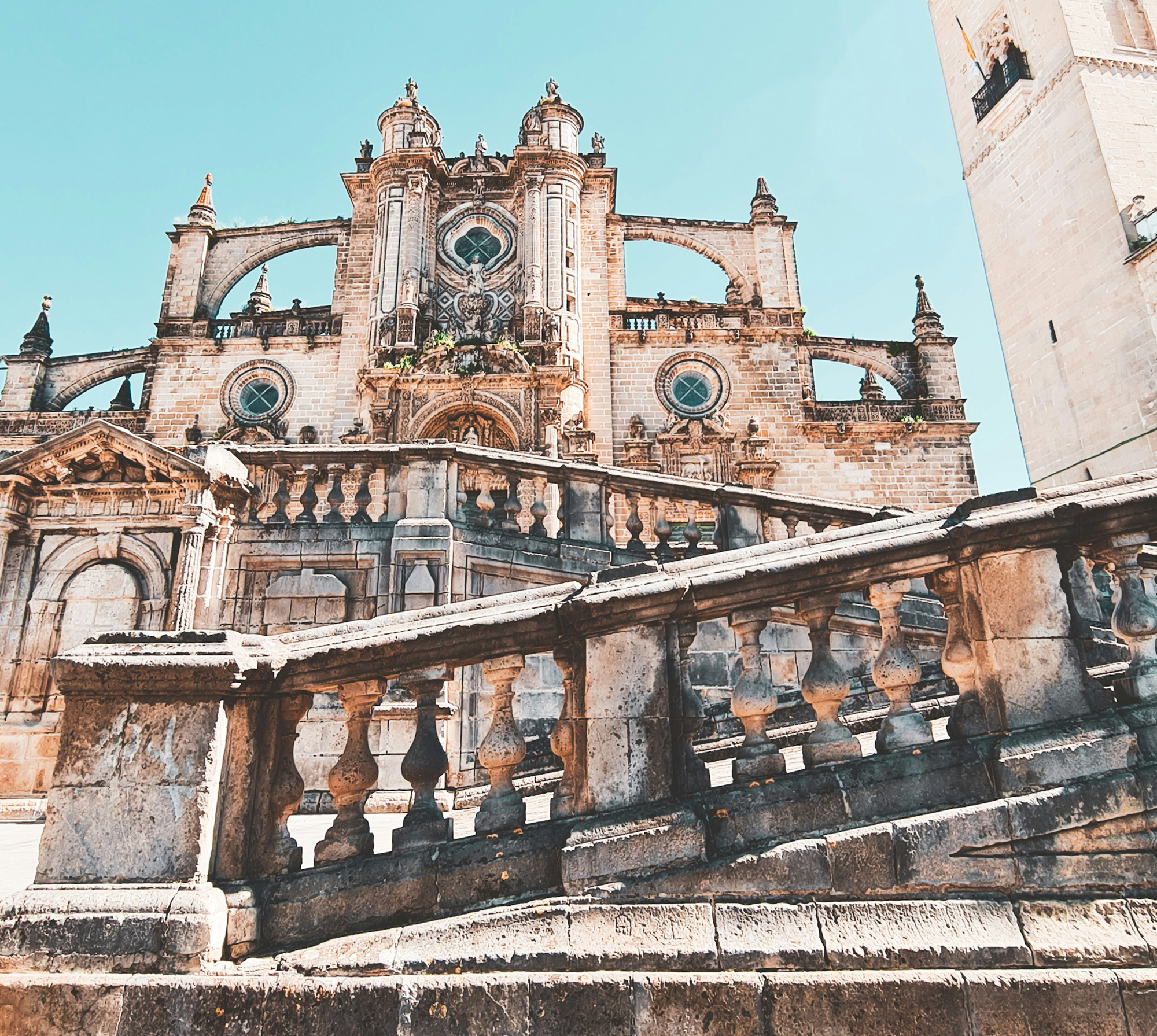
The southernmost autonomous community in Spain, Andalucia is a region of passionate expression and rich cultural history, evoking some of the most recognizable symbols of the country.

A Mediterranean climate with mild winters and hot, dry summers, across a breezy coastline, hot and arid inland plains, and snow-capped peaks of the Sierra Nevada.
History & Identity
Postcard Images Come to Life
The sounds, sights, and smells of Andalucía have become associated with iconic visions of Spain: classical guitar echoing through the narrow streets of white-washed villages; the smell of flor as a master capataz pulls sherry from a barrel; Moorish architecture; the pageantry of the bullfight; and the vibrant reds, yellows and polka dots of the traditional traje de flamenca. As the only Autonomous Community with both an Atlantic and Mediterranean coastline, it is a land that has long been connected by trade, diplomacy, and conquest to the rest of the world, which has only enriched its one-of-a-kind culture.
Andalucía is also home to some of Spain’s most known wines. Sherry has been an ambassador for the region for centuries, and most recently, producers are beginning to rediscover the region’s potential as a powerhouse of unfortified white wines.
City & Culture
Agriculture, Trade & Innovation
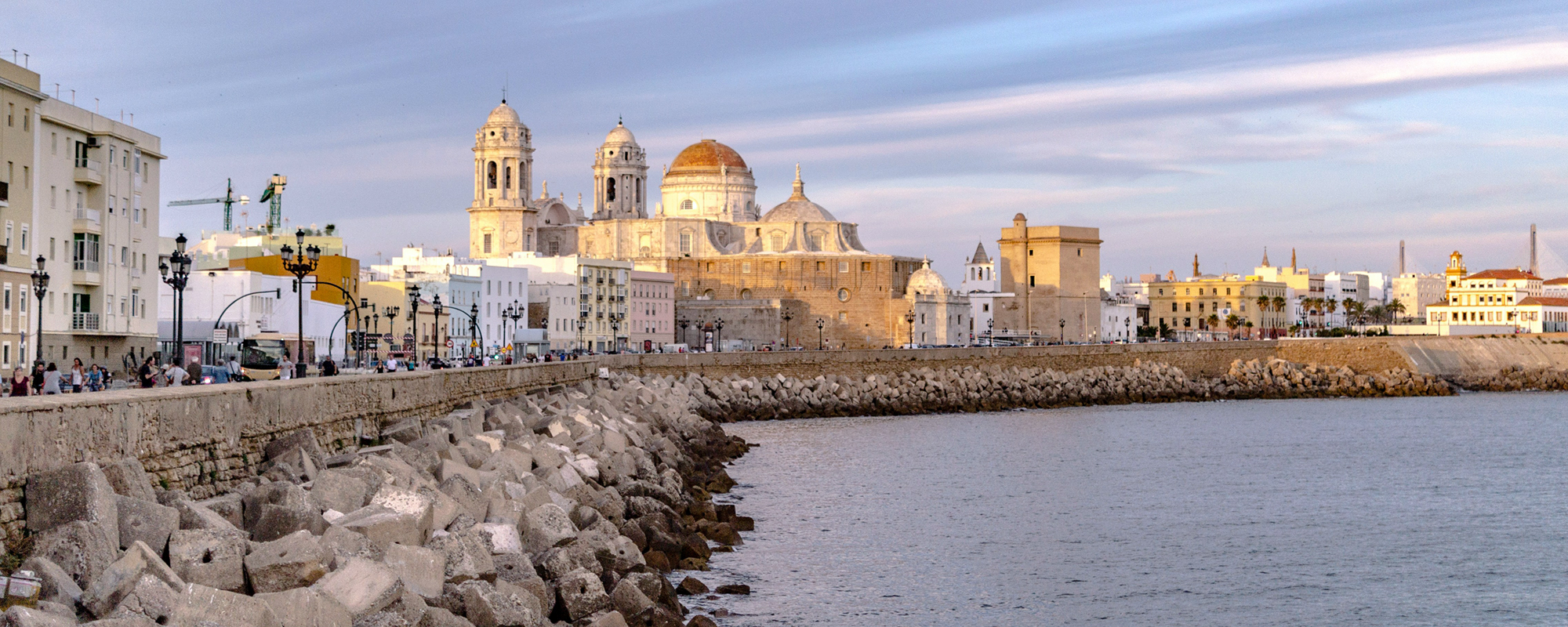
Andalucía’s location at the southern tip of the Iberian Peninsula, including the Strait of Gibraltar (antiquity’s Pillars of Hercules), made it a natural trading hub from the time of the Phoenicians, who founded an outpost around 1100 BCE that later became the city of Cádiz. Ideally suited for agriculture, especially grape and olive cultivation, Andalucía grew with subsequent cultural influences from the Romans and Visigoths.
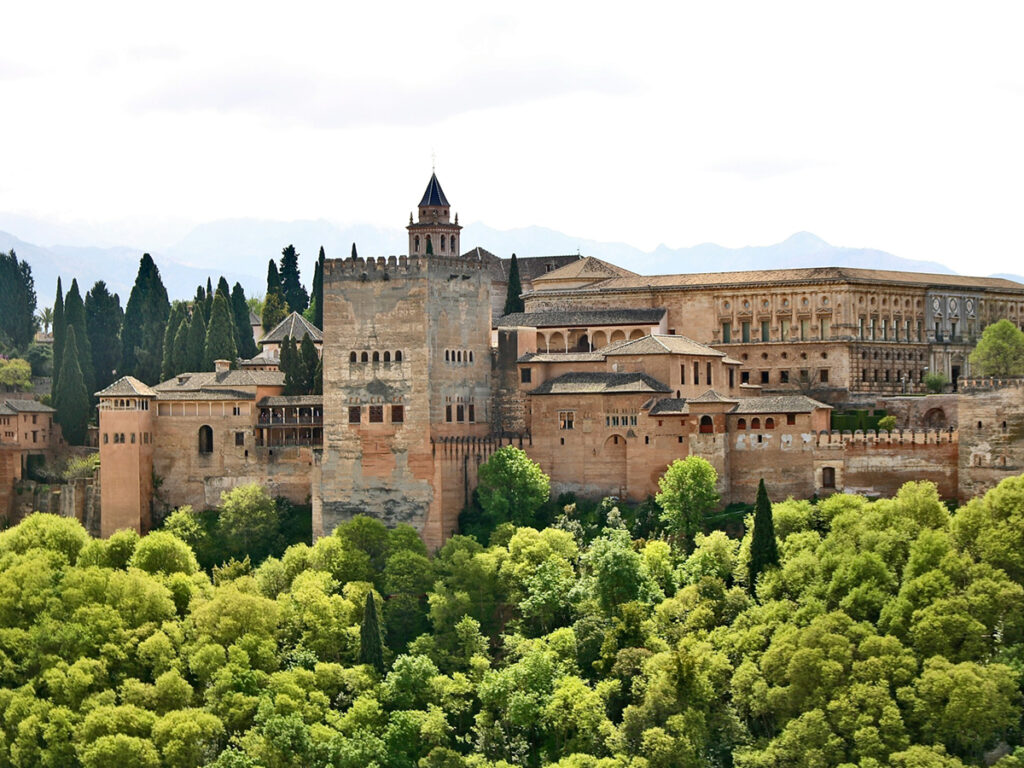
The Umayyad conquest of the Iberian Peninsula in 711 saw the region renamed Al-Andalus, from which the modern name Andalucía ultimately derives. The influence of the Moors led to the perfection of distillation methods and the development of the alquitara—a small single-pot distillation vessel. Distilled spirits methods were married with wine production to create a stable product for transport, laying the beginnings for sherry. For export markets, the perfect vehicle was the wooden barrel, and an industry of expert coopers arose in Jerez to meet the demands of maritime shipping.
Terroir & Style
Wines Built to Stand the Test of Time
With their unique flor-inflected profiles and ability to age for decades, wines from Jerez act as time capsules for the region’s history and transmitters for the region’s unique terroir. To the east, in Málaga, sweet and dry wines form a small but important part of Andalucía’s claim to fame as one of Spain’s most historically important wine regions.
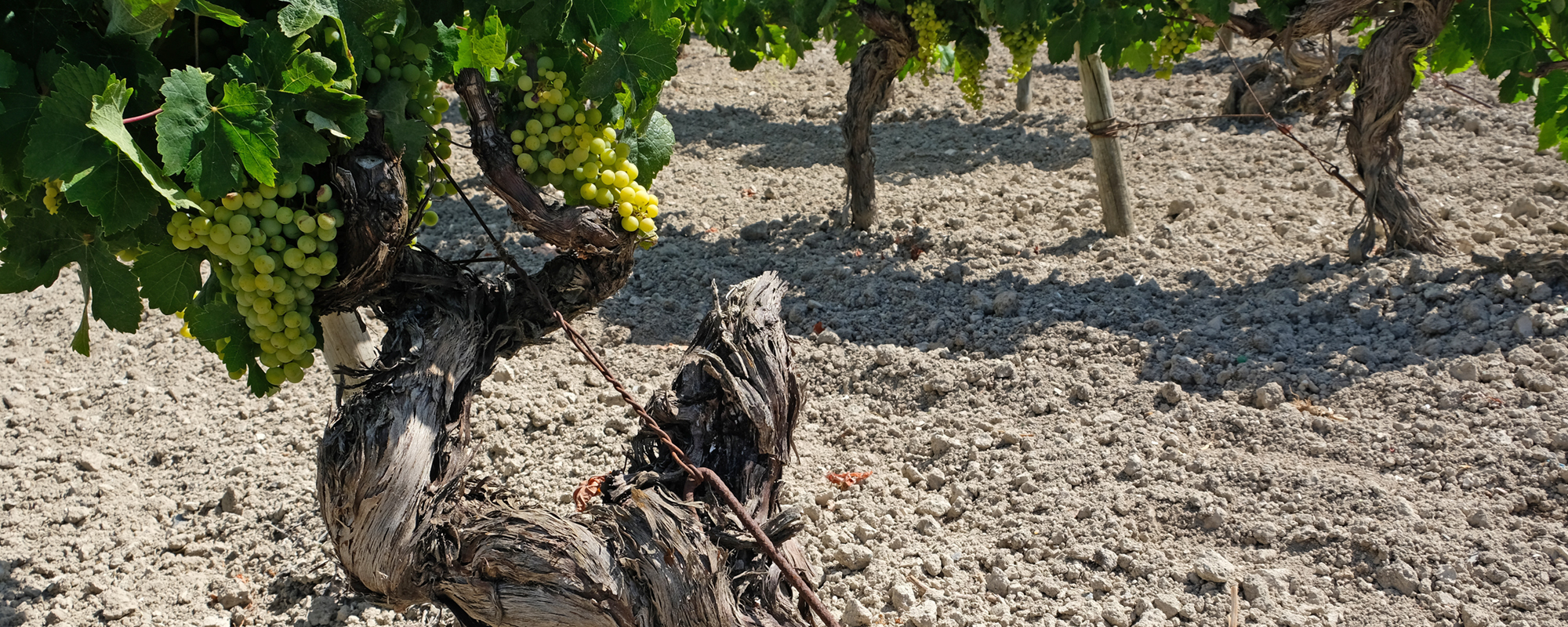
Sherry country is characterized by gently rolling hills and distinctive limestone soils known as albariza, which stand out for their blindingly white color. These soils soak up water like a sponge during the rainy season and retain moisture very well, acting as a reserve of water for the vines during the dry summer months. Beyond the geographical delimitations of its towns and villages, Sherry is further divided into smaller vineyard areas known as “pagos,” recognized for their unique characteristics and the high-quality wines they produce.
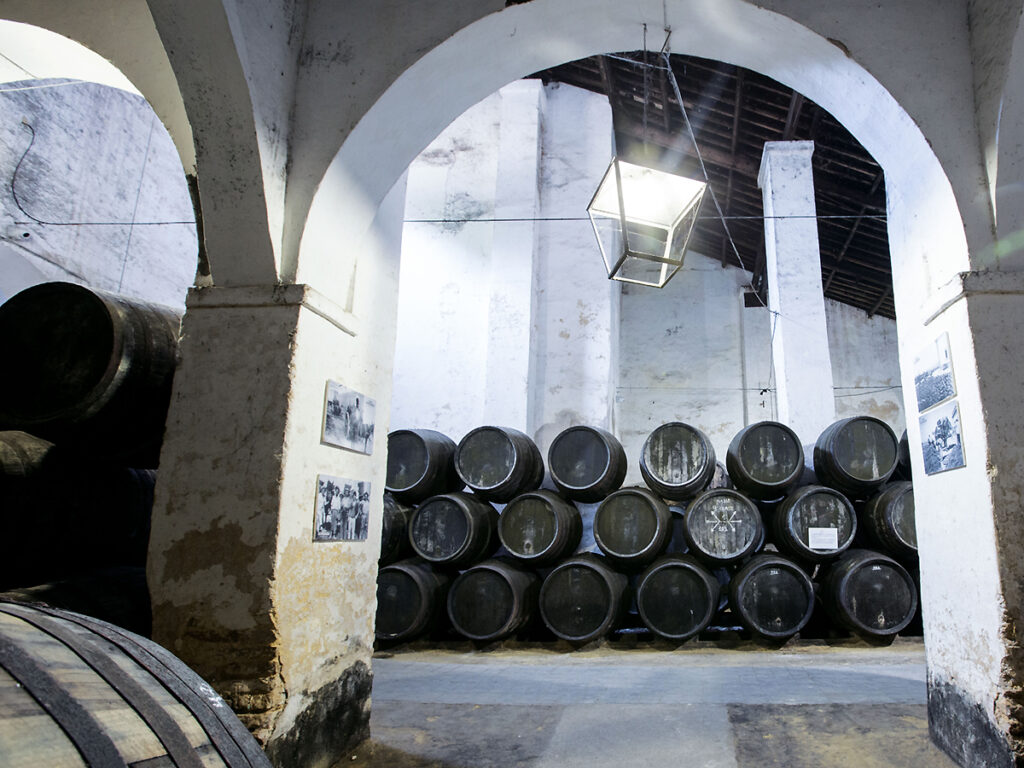
But perhaps the most unique element of Sherry’s terroir is not found in the vineyard. Cathedral-like bodegas house ancient wooden barrels that hold unique strains of yeast that form the iconic yeast cap, or flor, that gives fino, amontillado, and palo cortado sherry its flavor. Air currents circulating through the bodegas, helped by expert management of soleras by capataces, allow for the slow evolution of oxidative flavors in amontillado and oloroso. All these human factors come together to create some of the world’s most distinctive and age-worthy products.
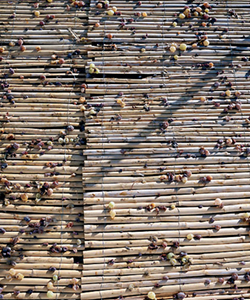
In Málaga, extremely steep mountain vineyards in the Axarquía region face the Mediterranean and allow the moscatel grapes that go into Telmo Rodríguez’s Molino Real project to soak up the sun. The combination of thin, poor slate soils, intense sun exposure, terraced slopes, and dramatic inclines of 40–60% creates low-yielding conditions that concentrate moscatel grapes and produce intensely flavored, long-lived “mountain wines.”
Geography & Subregions
Atlantic Shore to Mediterranean Mountains
Sherry Country – Wines from Denominación de Origen Jerez-Xérès-Sherry y Manzanilla are produced in a triangle of land formed by the towns of Jerez de la Frontera, Sanlúcar de Barrameda and El Puerto de Santa María. The Production Zone also includes Chiclana, Chipiona, Puerto Real, Rota, Trebuejena and Lebrija. This area is on the west-facing side of a large cape, and the Atlantic Ocean moderates the hot winds blowing down from the central plateau. This climate, along with the chalk-heavy soils that glaze over in the heat of summer to trap in moisture from the spring, creates perfect conditions for grape vines.
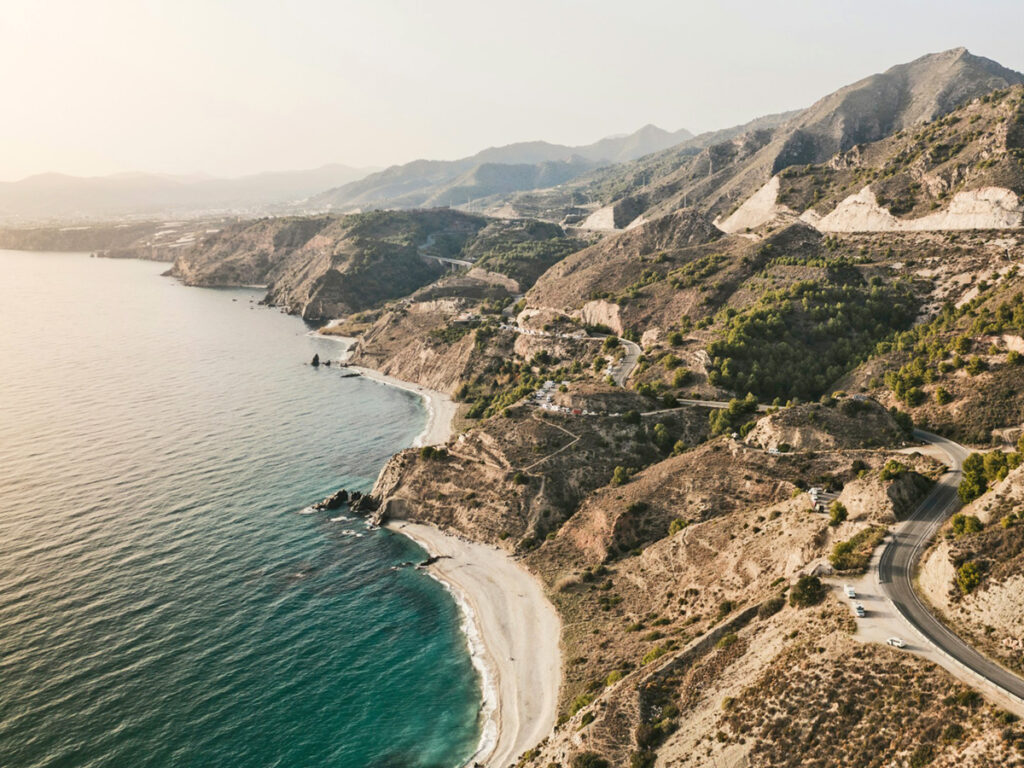
Málaga – Málaga is located between the mountains of Granada and the Mediterranean Sea and is unique in its high elevation and close proximity to the ocean. The region has produced prized expressions of Moscatel (Muscat) since the days of ancient viticulture, when Greeks first planted vines here in 600 BC. Up until the late 19th century, Málaga was Spain’s largest viticultural region. Málaga was the first place in Spain to suffer from the phylloxera pest, and all of its vineyards were destroyed. Replanting and rehabilitation of the region have been slow, and today it is about a tenth of its original size. The best sites are steep, south-facing slate slopes ideally suited for the cultivation of sweet wine grapes.
Producers
Wines from DO Jerez-Xérès-Sherry
César Florido
Chipiona
Known for their iconic Moscatel, César Florido is one of the oldest wineries in Chipiona, now run by the fifth generation.
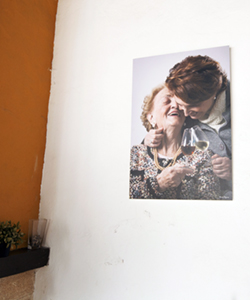
El Maestro Sierra
Jerez de la Frontera
Built on challenging established norms, this bodega crafts wines and brandies of immeasurable character and depth.
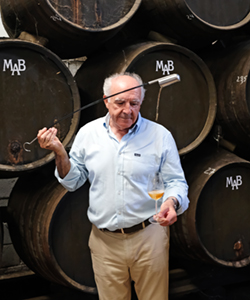
Manuel Aragón
Chiclana de la Frontera
One of just three wineries still operating in Chiclana, this bodega organically farms their own estate vineyards before long solera aging.
Wines from DO Manzanilla-Sanlúcar de Barrameda
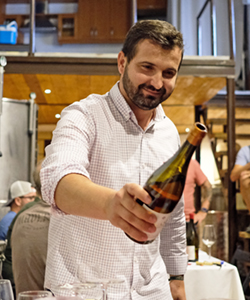
Barrialto
Sanlúcar de Barrameda
Rafael Rodríguez represents an exciting evolution for the production of terroir-driven, unfortified palomino-based wines.
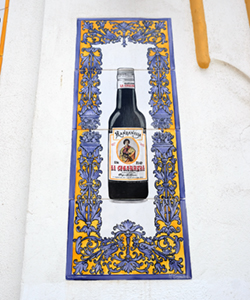
La Cigarrera
Sanlúcar de Barrameda
A historic, family-owned winery in the heart of Sanlúcar de Barrameda known for their standard-setting Manzanilla.
Wines from Málaga
Molino Real
Cómpeta, Axarquía
A cultural project that aims to restore to glory the historic mountain wines of Málaga—both traditionally sweet and deliciously dry.