Manuel Aragon
Sherry Country | Andalucía

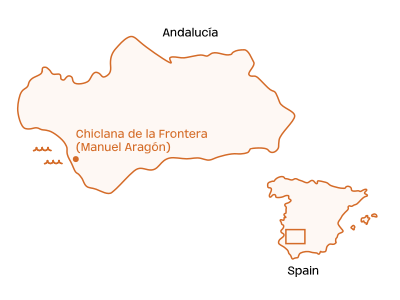
Bodegas Manuel Aragón is a historic, family-owned Sherry winery in Chiclana de la Frontera. One of only three wineries still operating in Chiclana, they control the entire process in-house, organically farming their own coastal vineyards and producing their own base wines before long solera aging.
Introducing the Estate
Outside the Range
Chiclana is an ancient, whitewashed village located in the Bay of Cádiz, and its vineyards are the southernmost in the Marco de Jerez. Here, Bodegas Manuel Aragón has been making wine for six generations.
History & Origins
Six Generations of Excellence
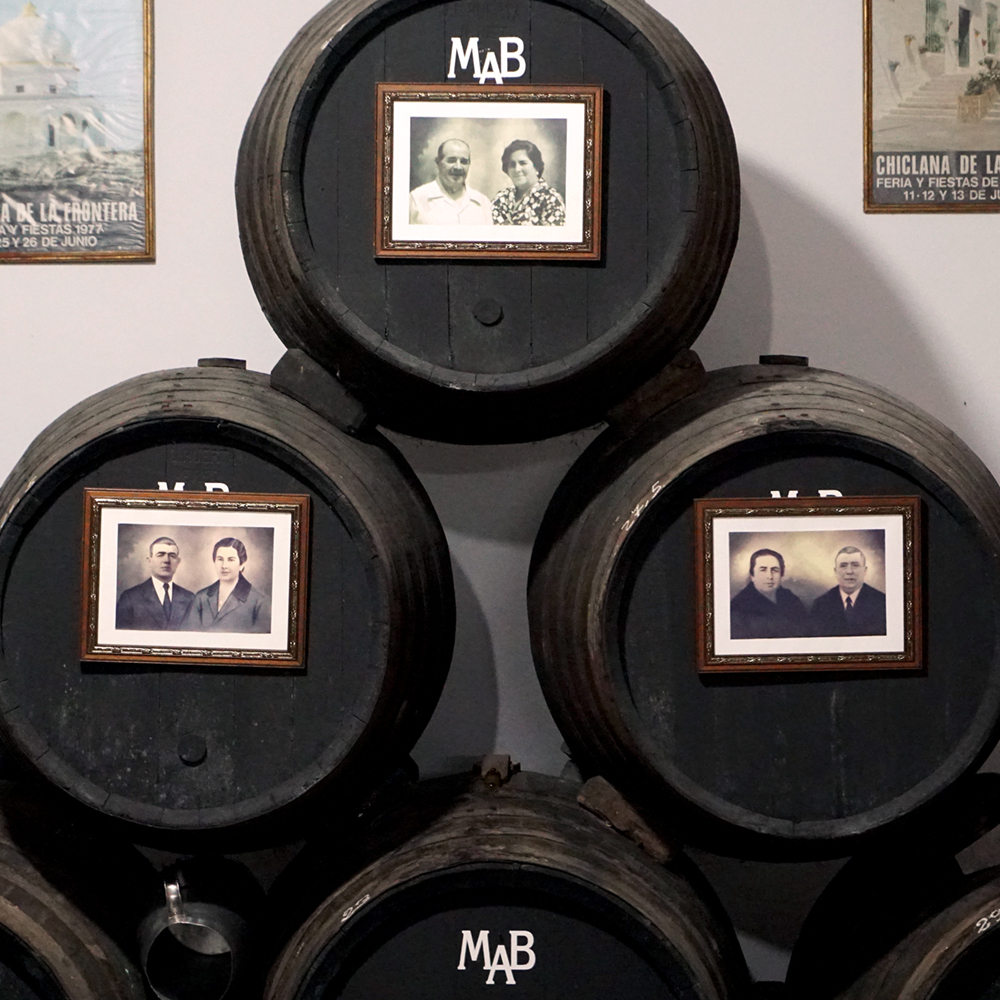
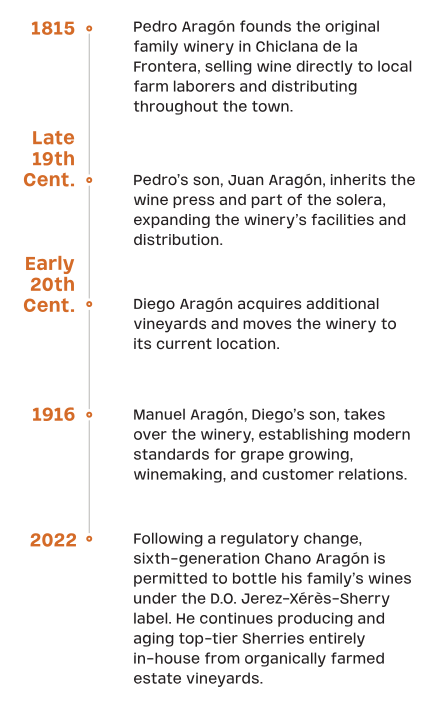
The original Aragón family winery was founded in 1815 in Chiclana by Pedro Aragón, and sold wine directly to farm laborers heading out to work in the vineyards and distributed to other establishments in Chiclana. Later, Pedro’s son Juan Aragón, who inherited his father’s wine press and part of the solera, expanded the facilities. In the early 20th century, the next generation, Diego Aragón, gave the winery a major boost by acquiring more vineyards and moving it to its current location.
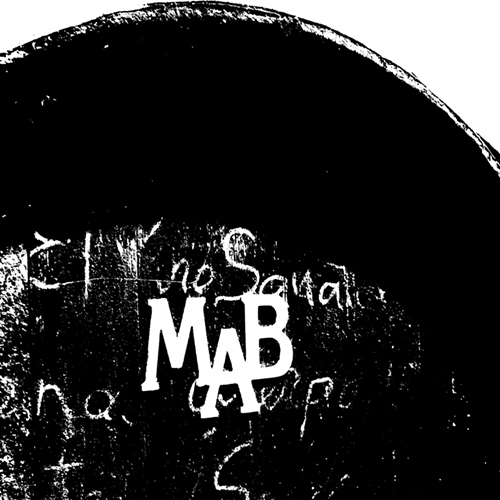
At a time when isolated sanatorium-style buildings for the sick and convalescent were common in Jerez, the unique architectural style of the winery with its high walls and many windows earned it the nickname “El Sanatorio.” The Aragón family leaned into this, reminding their customers with a knowing smile that good wine was an excellent restorative for fragile health.
Diego’s son Manuel Aragón had run another family wine business in Cádiz, but took over the winery in Chiclana upon his father’s death. He further expanded the winery facilities as well as the distribution of their wines, running the business according to his exacting standards for everything from grape growing to customer relations. He brought the winery into modern times, laying the foundations of what is now Bodegas Manuel Aragón.
Today, Manuel’s son Sebastián ‘Chano’ Aragón and a small team of workers make sherry with the same authenticity as their grandparents. Chano’s cellarmaster and primary craftsman, Javi, comes from a long line of almacenistas, and his father and grandfather worked with Chano’s father in the winery as well.
While Chiclana has long provided grapes to be made into sherry wine, until recently, it could not house criaderas and soleras. According to rules established in 1933, the aging process for sherry could only be carried out within Jerez de la Frontera, Sanlúcar de Barrameda, and El Puerto de Santa María. In 2022, the Sherry Consejo Regulador approved a change that allows sherry to be aged in all 10 municipalities where grapes are grown. Manuel Aragón was at last permitted to label their exquisite, handcrafted wines with the D.O. Jerez-Xérès-Sherry label—a long overdue recognition for a historic winery producing some of the region’s most soulful, special wines.
The Vision Behind Manuel Aragon
The Last Defenders of Tradition
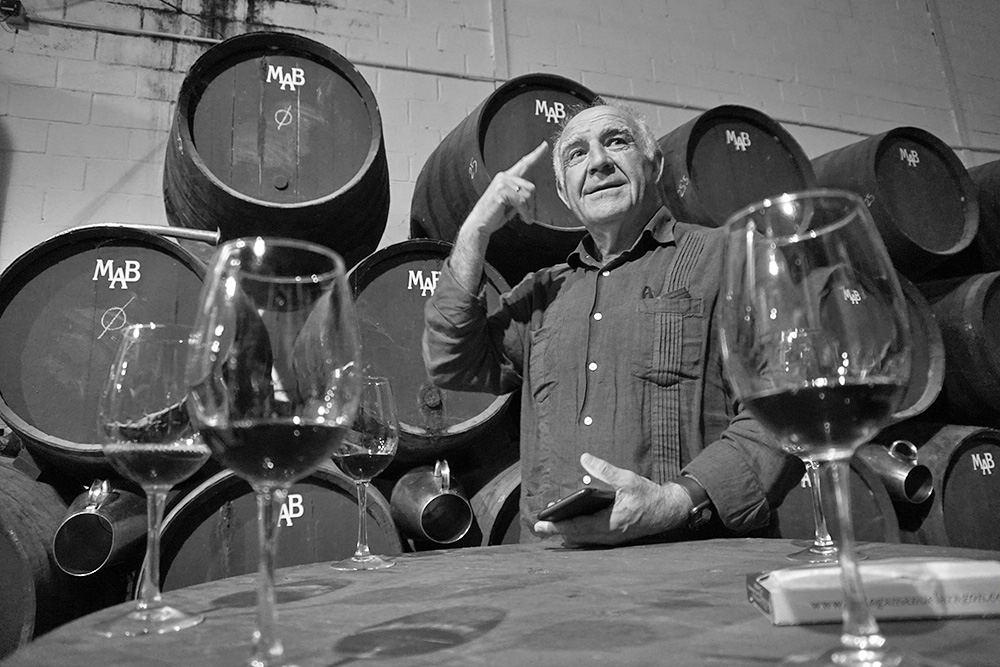
The winery is the last of a dying breed: in modern times, winemaking in Chiclana has dwindled, dropping from a historic high of over 80 wineries in the 19th century to just three wineries and 200ha of vineyards today. In a region where condominiums, golf courses, and windmills threaten to erase historic vineyards from the landscape, Manuel Aragón exemplifies and defends the best of Chiclana’s traditional winemaking roots.
In contrast to most of the wineries in the Sherry region, production takes place entirely in-house: the grapes for their base wines come from organically-farmed estate vineyards, and all wines are aged and bottled on the property. As much emphasis as they place on their work in the vineyards goes into their work in the cellar. They use only time-honored artisan methods in the production and aging of their Sherries, hand-picking grapes in small baskets with great care to avoid oxidation and fermenting with native yeasts at a low temperature.
Their soleras hold wines of incredible age and astonishing quality that are finally able to be bottled under D.O. Jerez-Xérès-Sherry. With tradition as a guide, the time is right for Bodegas Manuel Aragón to shine.
Process & Philosophy
Terroir & Time
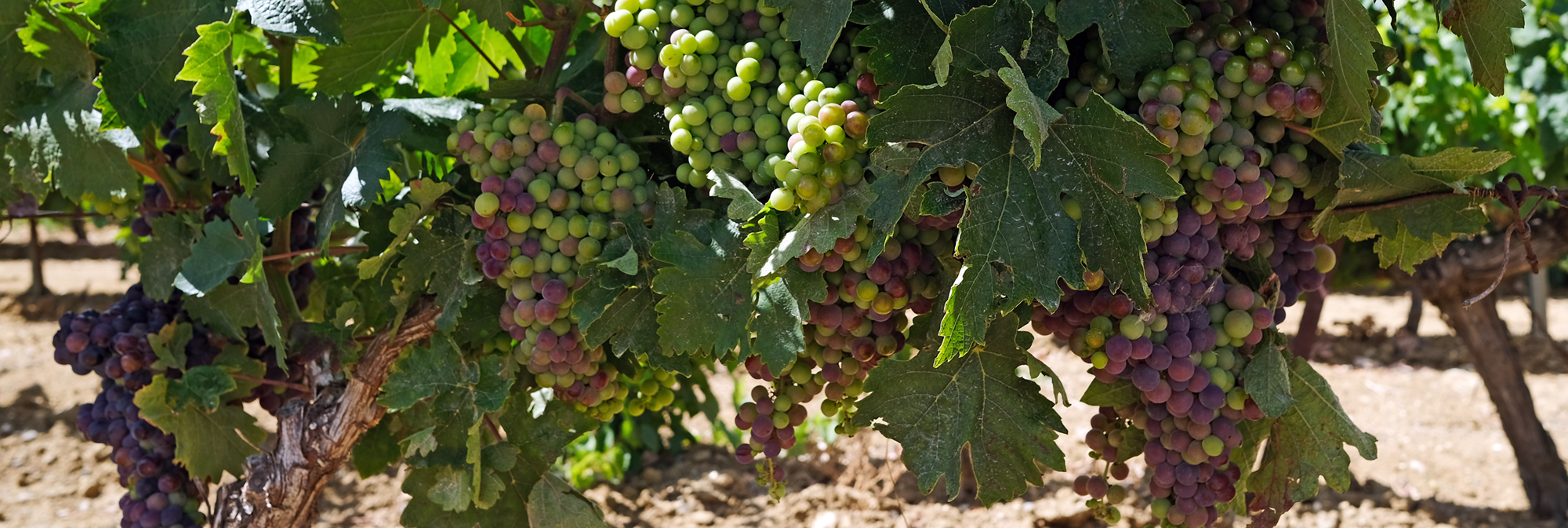
The Marco de Jerez has dry and hot summers, with a very high annual average of effective sunshine hours that hovers between 3,000 and 3,200. Chiclana’s proximity to the Atlantic Ocean moderates the climate and draws in much-needed moisture for the vines via nighttime dew. The naturally high humidity from the ocean also fosters the robust growth of flor for the production of biologically aged wines. The winery lies just 800 meters from the ocean, separated only by pine trees which let the Levante wind pass through.
Like much of Jerez, Chiclana’s soils are the dazzlingly white, chalky soils known as albariza. These soils have a very high capacity for storing water, and absorb winter rainfall to nourish the vines during dry months. Chiclana is divided into pagos, much like the rest of Jerez. Manuel Aragón farms vines in the pagos of Campano, Cañadillas, and Marquesado.
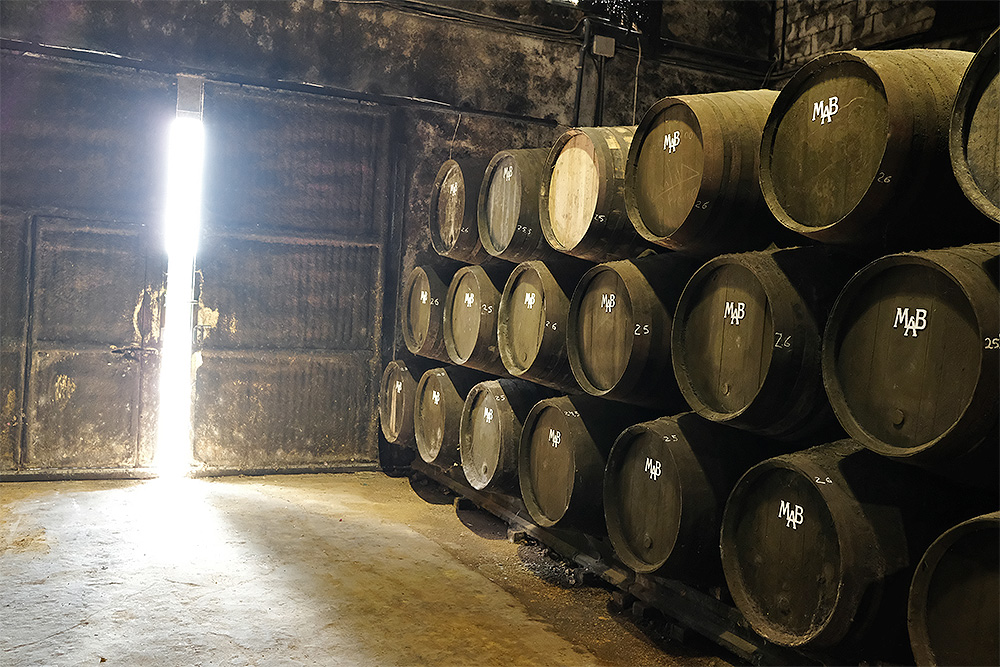
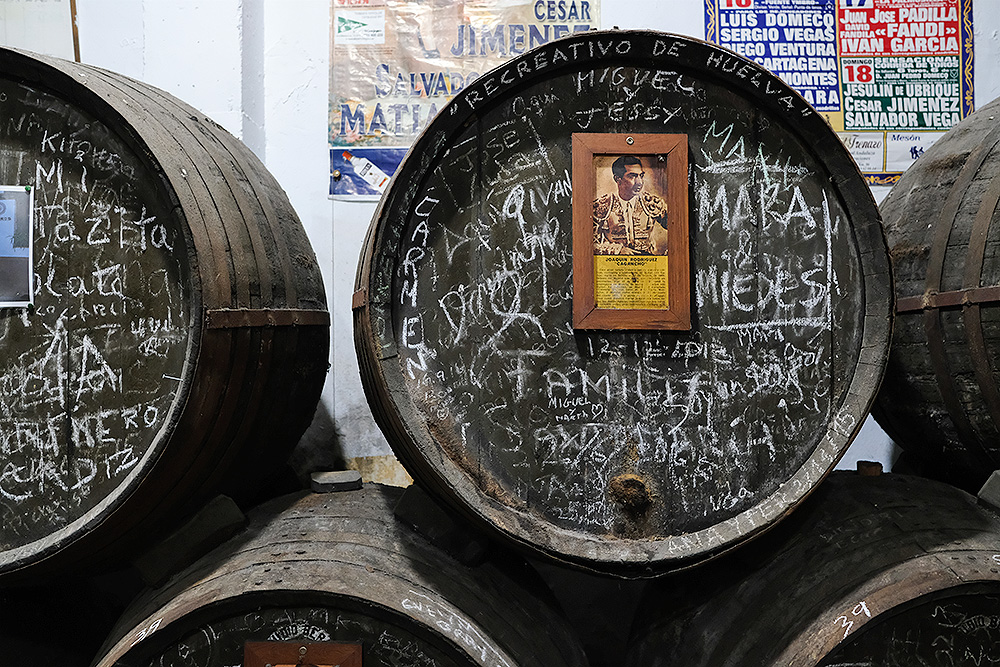
In the winery, they continue to run the scales in the traditional way, moving the wine through the solera without mechanical pumps. The only tools are gravity and the traditional canoa, jarra, sifón, and rocíador. Manually moving the wine helps give it just the right amount of aeration as it ages, imbuing it with great complexity and depth.
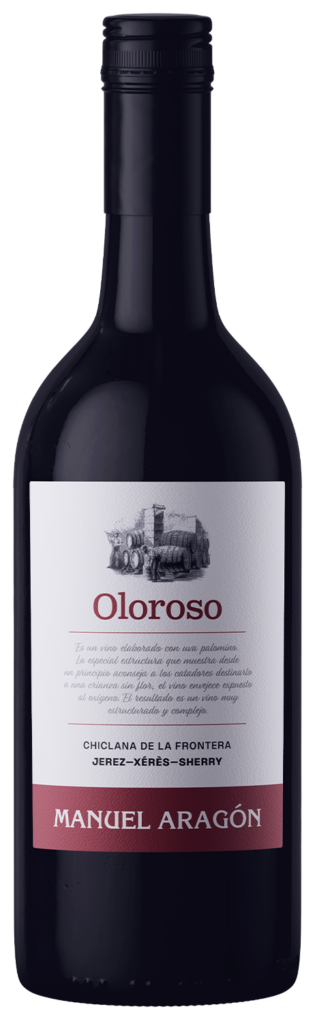
Their soleras hold wines of incredible age and astonishing quality, and many of them have been in continuous operation for over a hundred years . All of Manuel Aragón’s releases are of a higher than usual average age—their fino ages six to seven years under flor, lending it a complexity rarely seen in other finos, and their amontillado and oloroso spend an average of 17 to 20 years in solera before bottling. The family’s founding soleras, also well over a hundred years old, are the source of just a few bottles of Palo Cortado and Olorso Viejo, manually filled from the cask each year.
 The Wines
Honoring Friends
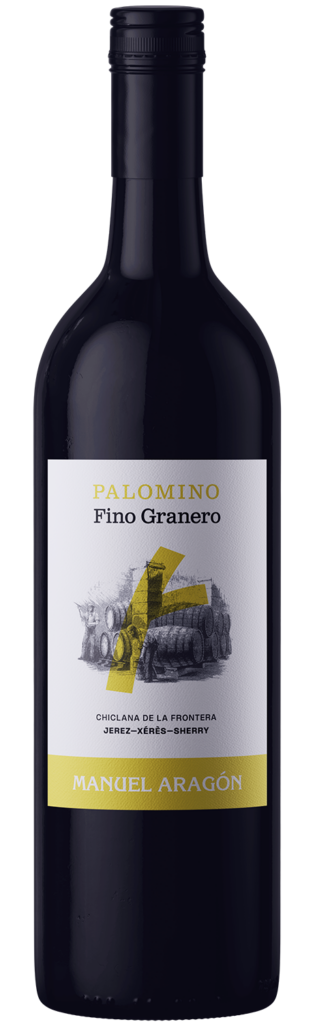
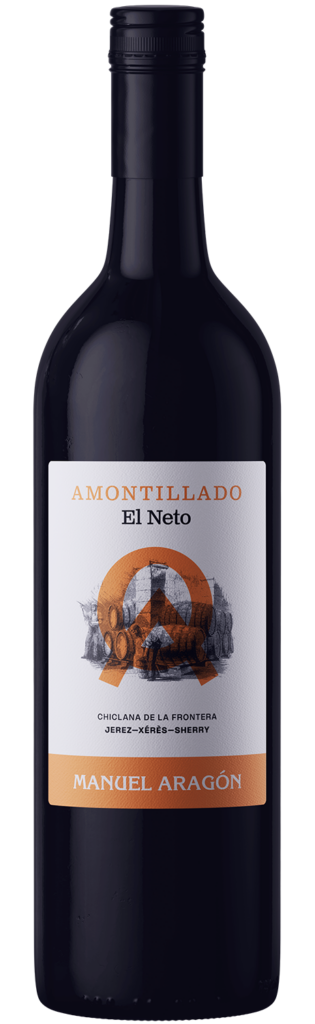
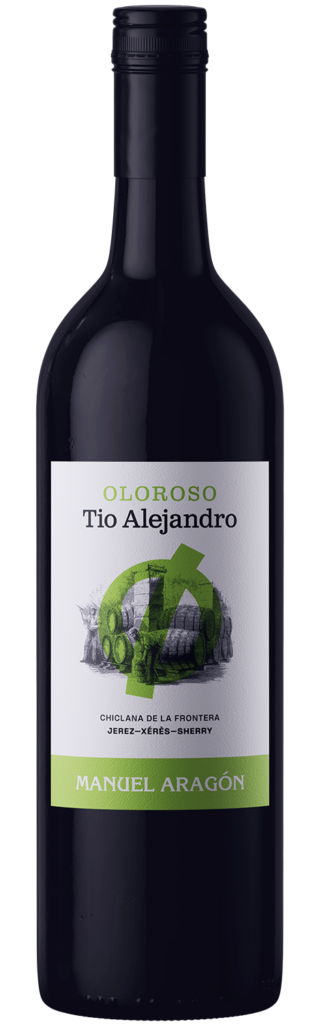
Manuel Aragón has always been defined by its commitment to preserving tradition and honoring its customers, something that is reflected in the names of its wines. Diego Aragón named the Amontillado “El Neto” as a tribute to one of his workers: Juan, nicknamed El Neto, was the cart driver who traveled throughout the province of Cádiz delivering wine to customers outside Chiclana. That a winery owner would immortalize his cart driver by naming one of his finest wines after him speaks volumes about this family’s wisdom, humility, and humanity. The Oloroso “Tío Alejandro,” is a tribute to a loyal customer, friend, and collaborator of the winery, who supplied grapes to the Aragón family. The Moscatel “Los Cuatro” is named after four anonymous regular customers who gathered around a winery table to share their lives while enjoying good wine, and the Fino ‘Granero’ was Diego Aragón’s homage to a young matador from Chiclana named Manuel Granero, fatally gored by a bull in 1922.
Products
Sherry
Manuel Aragón Fino Granero
Manuel Aragón ‘El Neto’ Amontillado
Manuel Aragón ‘Tio Alejandro’ Oloroso
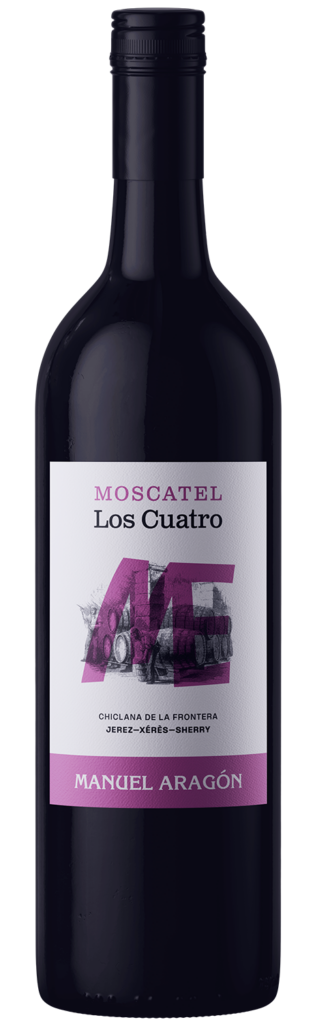
Manuel Aragón Los Cuatro Moscatel
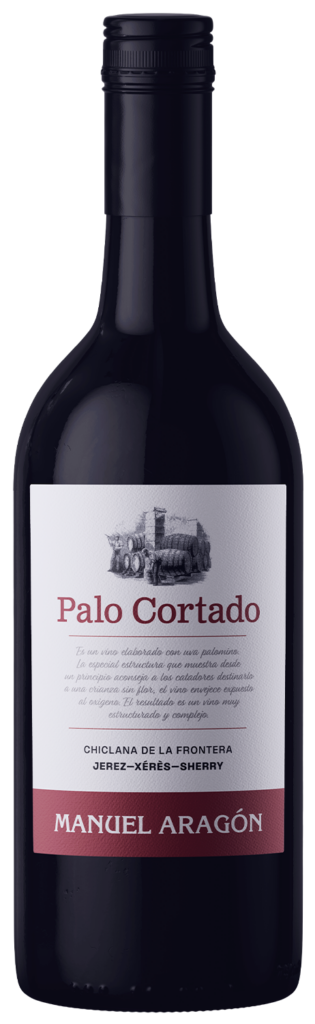
Manuel Aragón Palo Cortado Viejo