Barrialto
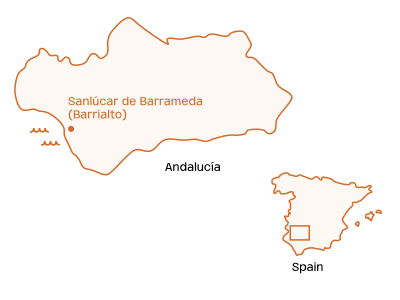
Sanlúcar de Barrameda | Andalucía

Rafael Rodríguez represents an exciting and important evolution for the production of terroir-driven, unfortified palomino-based wines in the Sherry region.
Introducing the Producer
Unfortified (R)evolution
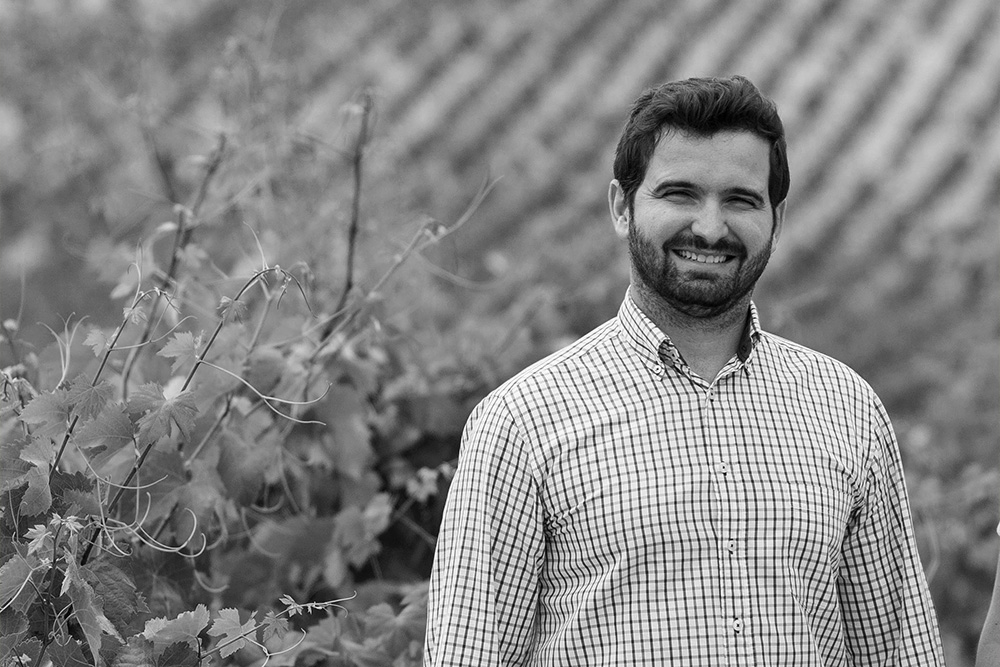
Rafa Rodríguez is a mayeto, the local term for a grape grower who makes his own wines by hand. For him, everything begins with excellent work in the vineyard, and Barrialto is focused around exploring and exalting Jerez’s historic terroir through organically-farmed estate vineyards.
History & Origins
Return to Roots
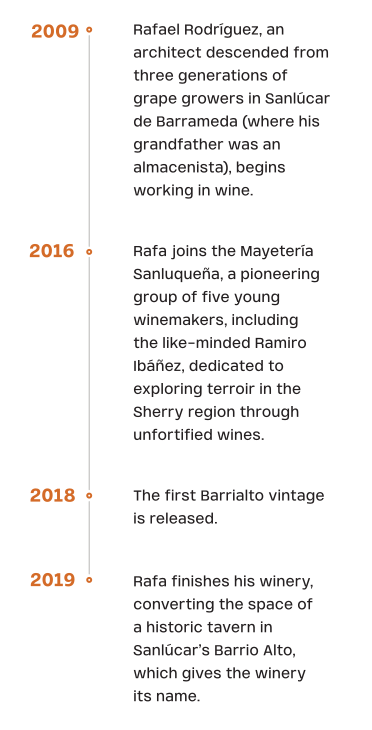
Rafa descends from three generations of grape growers in Sanlúcar de Barrameda, where his grandfather was an almacenista. He originally trained as an architect, but began working in wine in 2009. In 2016, he joined the Mayetería Sanluqueña, a group of Sanlúcar grape growers who joined forces to produce their own wines from the old-vine palomino vines they tend. Rafa makes two white wines under the brand Corta y Raspa for Mayetería Sanluqueña, and launched his own personal project, Barrialto, in 2019.

Producer Bio
Terruño & Tradition
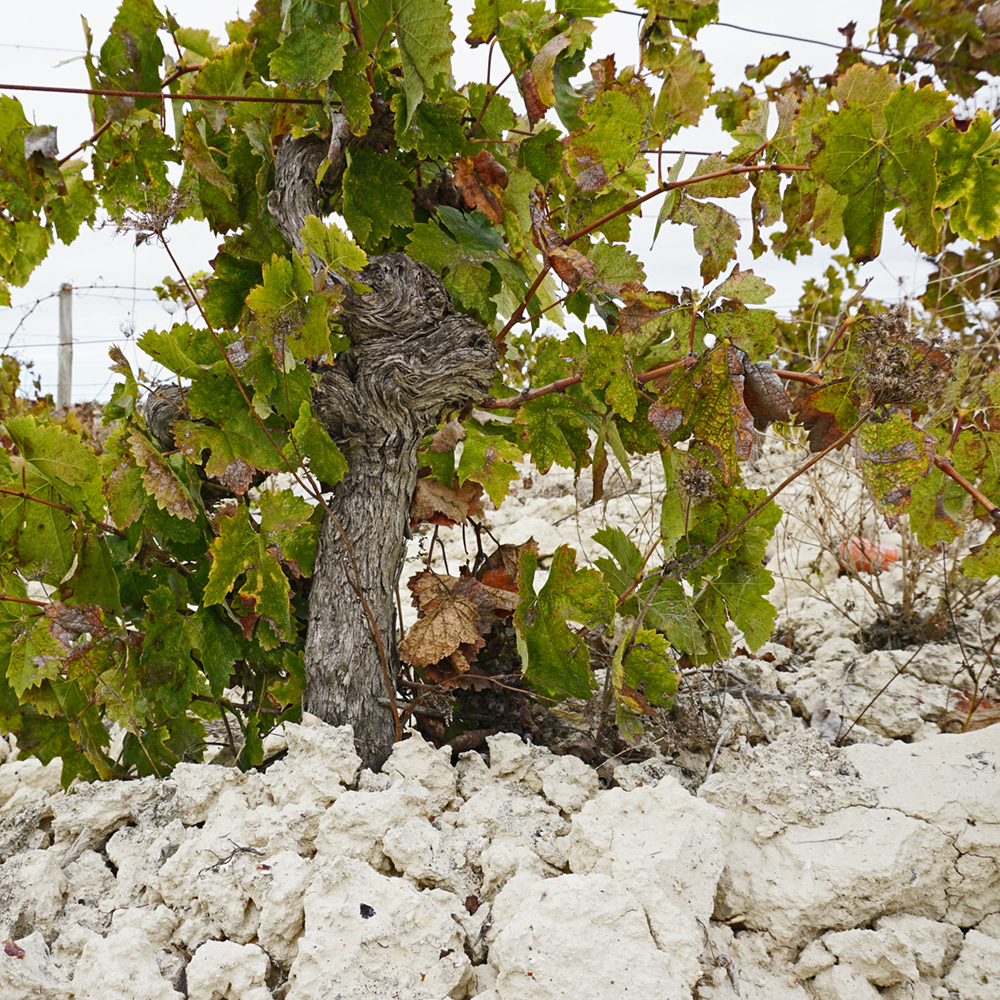
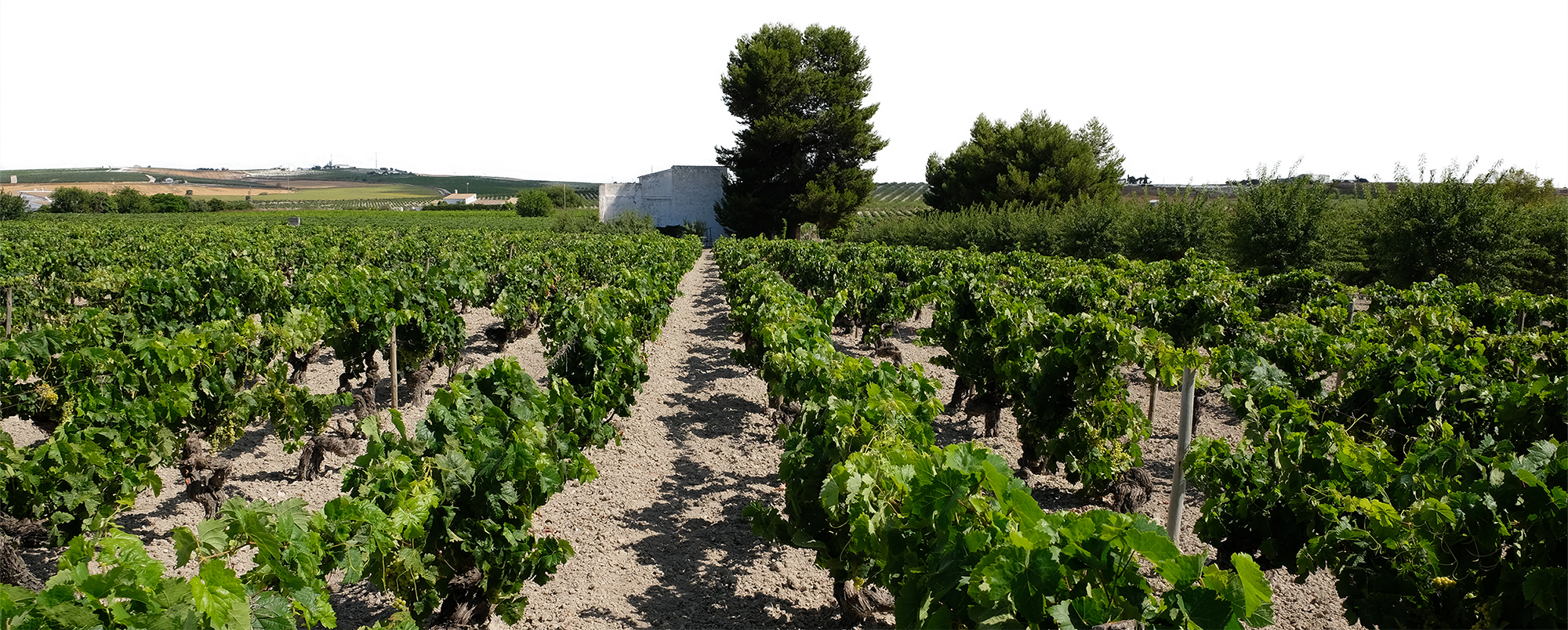
Rafa’s practice of conserving and recovering old, low-yielding palomino vines runs counter to the current norms in Jerez, where old vines are often ripped out and replaced with more productive, younger vines. He also utilizes the traditional goblet training system, another abandoned practice once championed in centuries past. All of Rafa’s grapes are hand-harvested and naturally lower in potential alcohol than those for the fortified wines of the region.
“We’re determined to maintain the mayeto culture and value the legacies of the families who have cultivated vines here for generations, making wines from old vineyards so that they can live on.”
Rafa’s tiny cellar is housed inside an old tavern in the Barrio Alto subzone of Sanlúcar de Barrameda. He allows each parcel of wine to ferment spontaneously without temperature control, using only the ambient yeasts from the vineyard, in 500L ex-Manzanilla casks. Each vineyard is fermented separately and just a minimal amount of sulfur is used in the process. Transparency and quality are always the goal.
Process & Philosophy
Albariza Soil Specialties
Each wine Rafa produces is a unique snapshot of a time, place, and soil type. He has dedicated his project to the exploration and understanding of the region’s chalky albariza soil subtypes, particularly Tosca Cerrada and Barajuela.
Tosca Cerrada is a very hard subtype of albariza with a slight gray tint, with chalk levels around 60% and a cement-like solidity (hence the name cerrada or closed). When wet, it becomes soft and extremely slippery, and even appears to dissolve. Rafa prefers these soils, and says that they make fine, velvety wines with a bit more balance, elegance, and “magnetism” than wines from the antehojuela soils more commonly found in the region.
Albariza barajuela contains the highest level of the ancient marine fossils known as diatoms, and has around 50% chalk. It shows clear horizontal sections of white, layered lines (chalk), sometimes mixed with ochre-colored layers containing iron oxide and clay. The hard, layered structure causes the roots of the vines to work harder if they want to reach the stored water below the surface. This hardship results in lower yields and grapes with a thicker skin and higher concentration of phenolic compounds. The resulting wines tend to be powerful and concentrated, with a savory mineral and saline quality.
Products
Wine
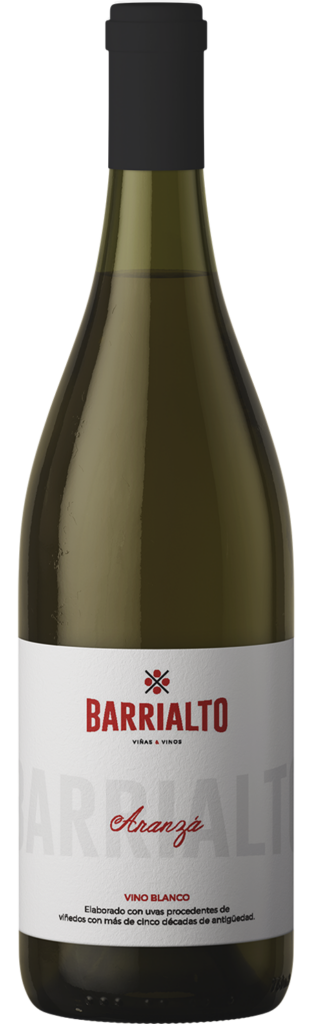
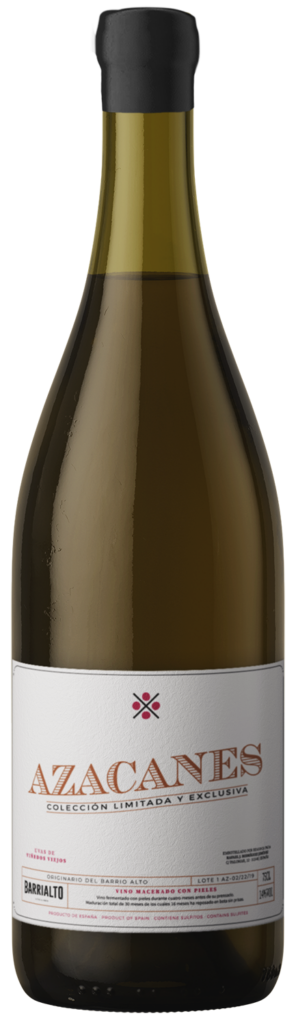
Barrialto ‘Aranzá’ Vino de Pasto 2021
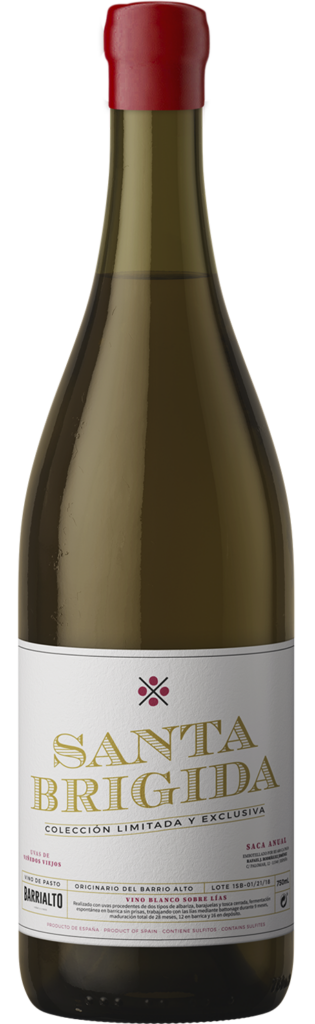
Barrialto ‘Santa Brigida’ Vino de Pasto Sobre Lías 2019