



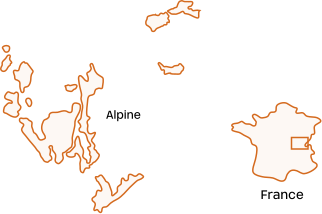
Alpine
Eastern France

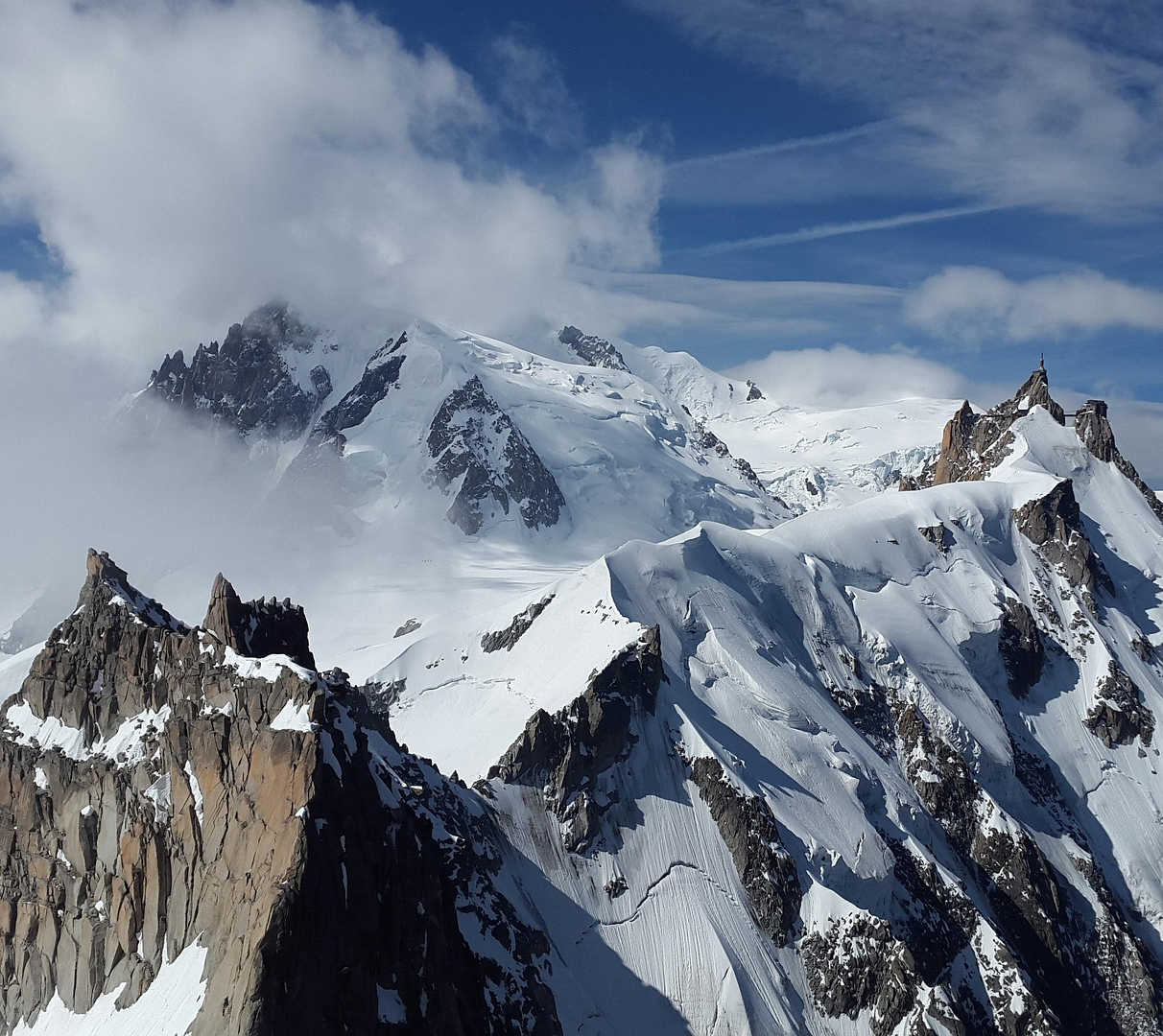
Alpine France spans the mountainous eastern edge of the country, where vineyards sit against dramatic Jura and Alpine backdrops while remaining protected by favorable exposures and moderate elevations.

Cool to moderate mountain-influenced climate with protected vineyard sites and varied regional expressions.
Landscape & Context
Mountains, Exposure, and Alpine Viticulture
In eastern France, the country gets mountainous. Near the Swiss border, two mountain chains—the Jura and the Alps—define the landscape. In the wine world, we tend to think of these regions as extreme, rugged areas for viticulture. But in fact, vineyards in this part of the country tend to be planted at reasonable altitudes, with favorable exposures, and protected from the harsher climatic influences. They just happen to do so against a mountainous background.
Core Wine Regions
Jura, Bugey, and Savoie
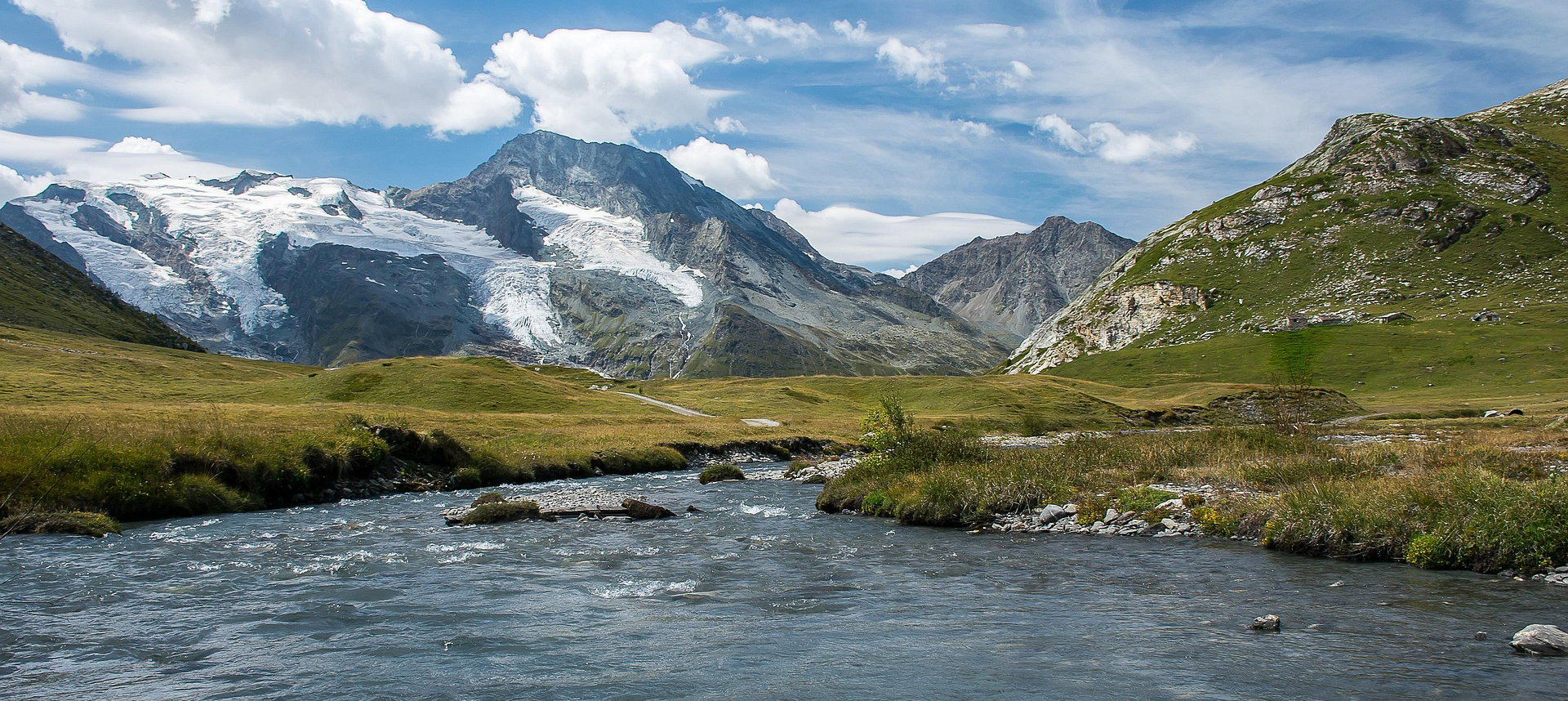
Three main wine regions define this part of France: the Jura, the Bugey, and Savoie. In the Jura, the vineyards are planted on the low western slopes of the mountain range, facing the broad Saône valley. As with all the regions of Alpine France, indigenous grapes are an important factor: savagnin, trousseau, and poulsard grow alongside pinot noir and chardonnay.
Bugey is the transitional region. In terms of geology, its vineyards are planted at the very southern end of the Jura mountain range, and some poulsard is grown here. But stylistically, Bugey is closer to Savoie, with both making use of varieties such as altesse and mondeuse.
Finally, Savoie itself is a disparate, fragmented region that is mostly known for light, fresh wines made from jacquère, almost all of which are consumed by tourists in nearby ski resorts with local cheese-based dishes. But this image hides a large stylistic diversity, and across a region that spans over 100km, you can find rich altesse wines, sparkling gringet, spicy mondeuse, juicy gamay, and much more.
Bugey: Geography & Recovery
Location, Soils, and the Post-phylloxera Rebuild
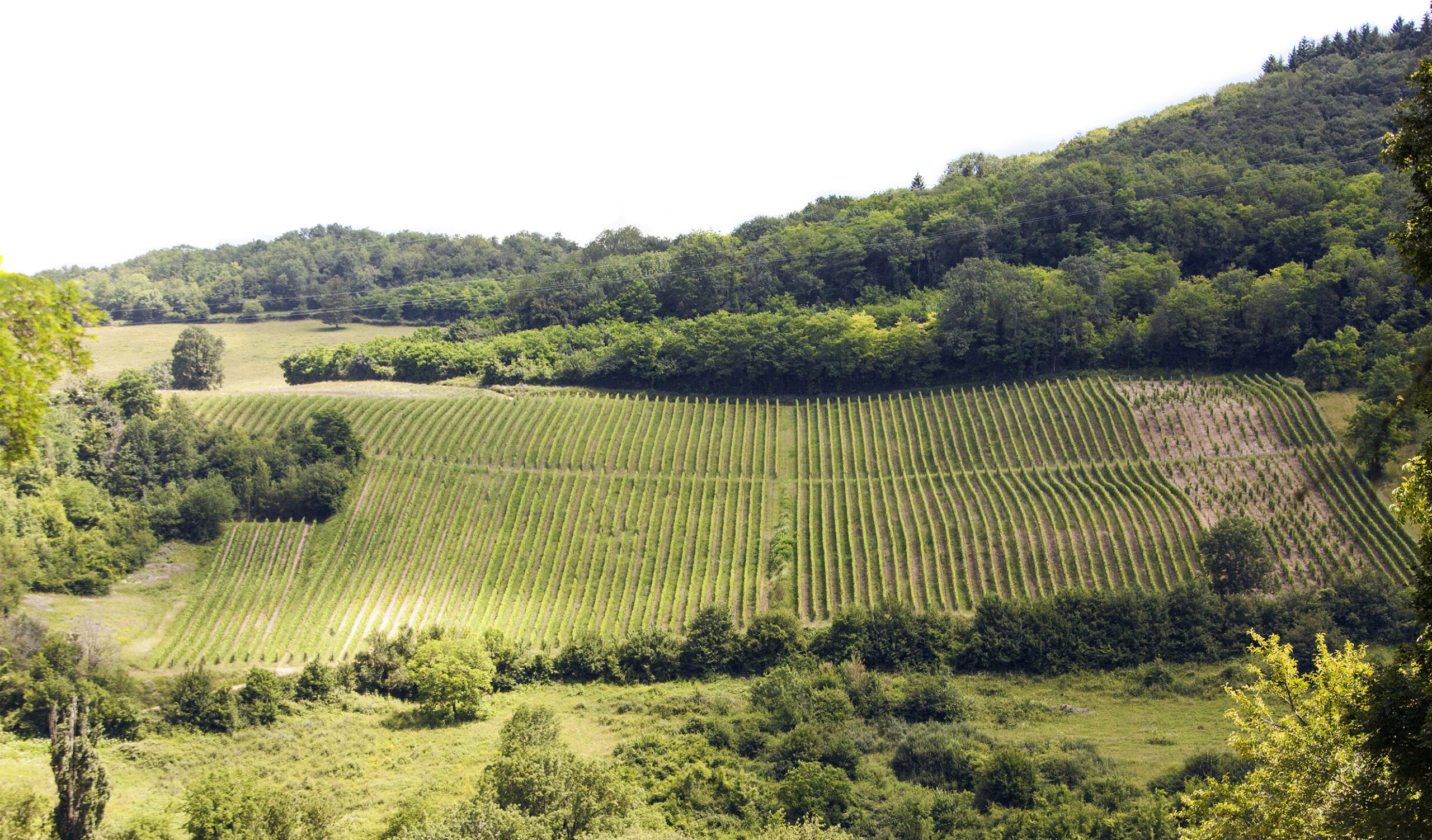
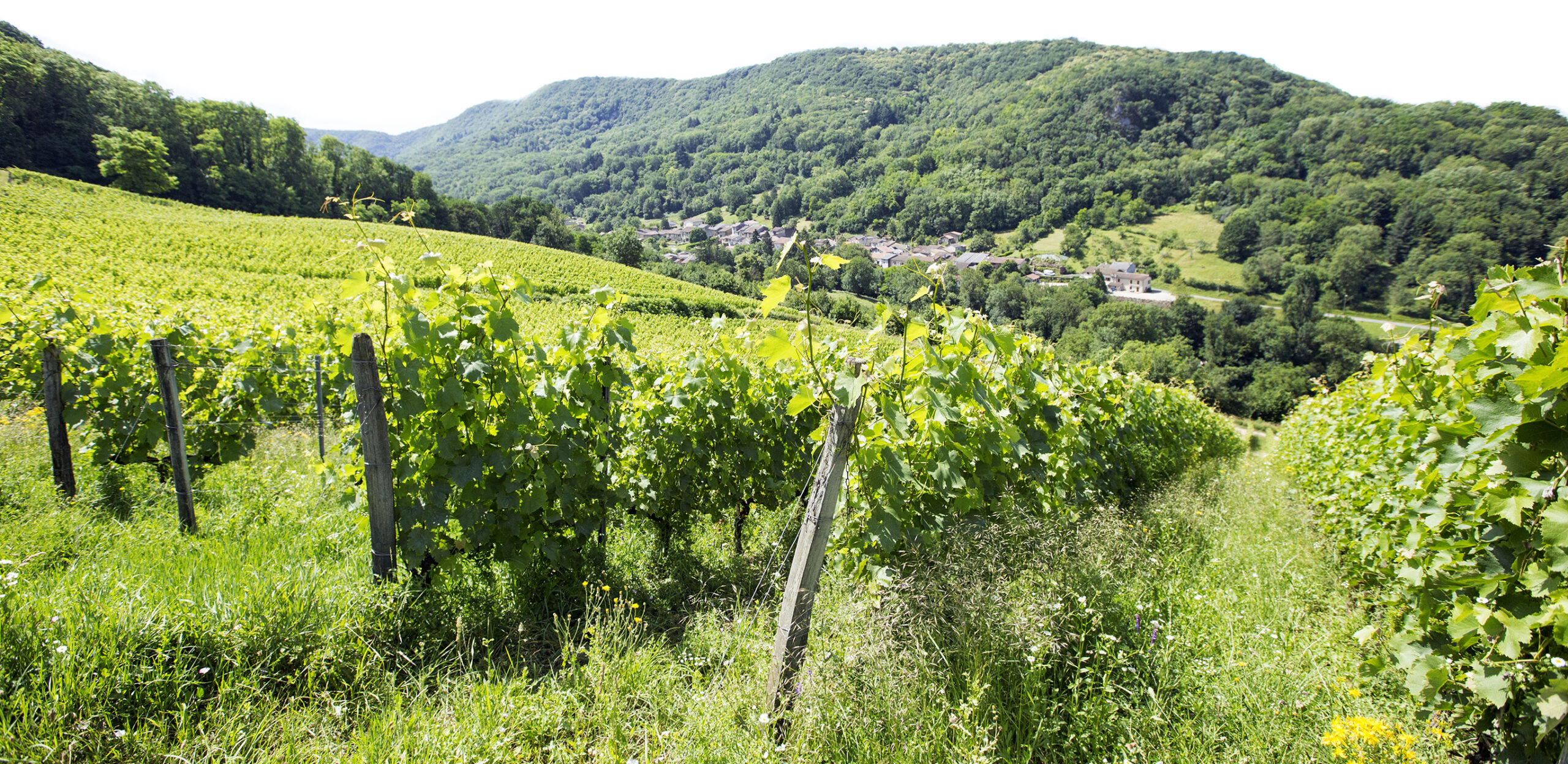
Well known until the destruction wrought by phylloxera, the Bugey is slowly recovering its heritage of quality winemaking. Located between the Jura and the Savoie wine regions, the Bugey shares aspects of both, yet it retains its own distinct identity. It is at the southern end of the Jura mountain chain, and the Rhône river loops the region’s southern and eastern edges, where it marks the border with Savoie. The soils are mostly calcareous throughout.
Bugey: Climate & History
From Roman Vineyards to Modern Appellations
Bugey’s climate is semi-continental, with hot summers and cold winters, but the region is also on the fringes of a moderating oceanic influence, and so avoids too many extremes. Viticulture began here with the Romans, but really took off in the 16th century when monks greatly expanded the vineyards. The planted surface peaked at 14,000 hectares and remained there until phylloxera hit in 1875, which effectively decimated the industry. Replanting occurred slowly throughout the 20th century, and today there are 500 hectares planted in the Bugey. In 1958 the region gained VDQS status, and in 2009 it was promoted to full-fledged A.O.C. There are currently three appellations: Bugey (for all colors), Bugey pétillant (for sparkling wines) and Roussette de Bugey (for whites made from the Altesse grape). There are also a handful of special crus, the most famous of which is the sweet, pink, low-alcohol Cerdon de Bugey.
Bugey: Grape Varieties
Shared Alpine Grapes & Local Expressions
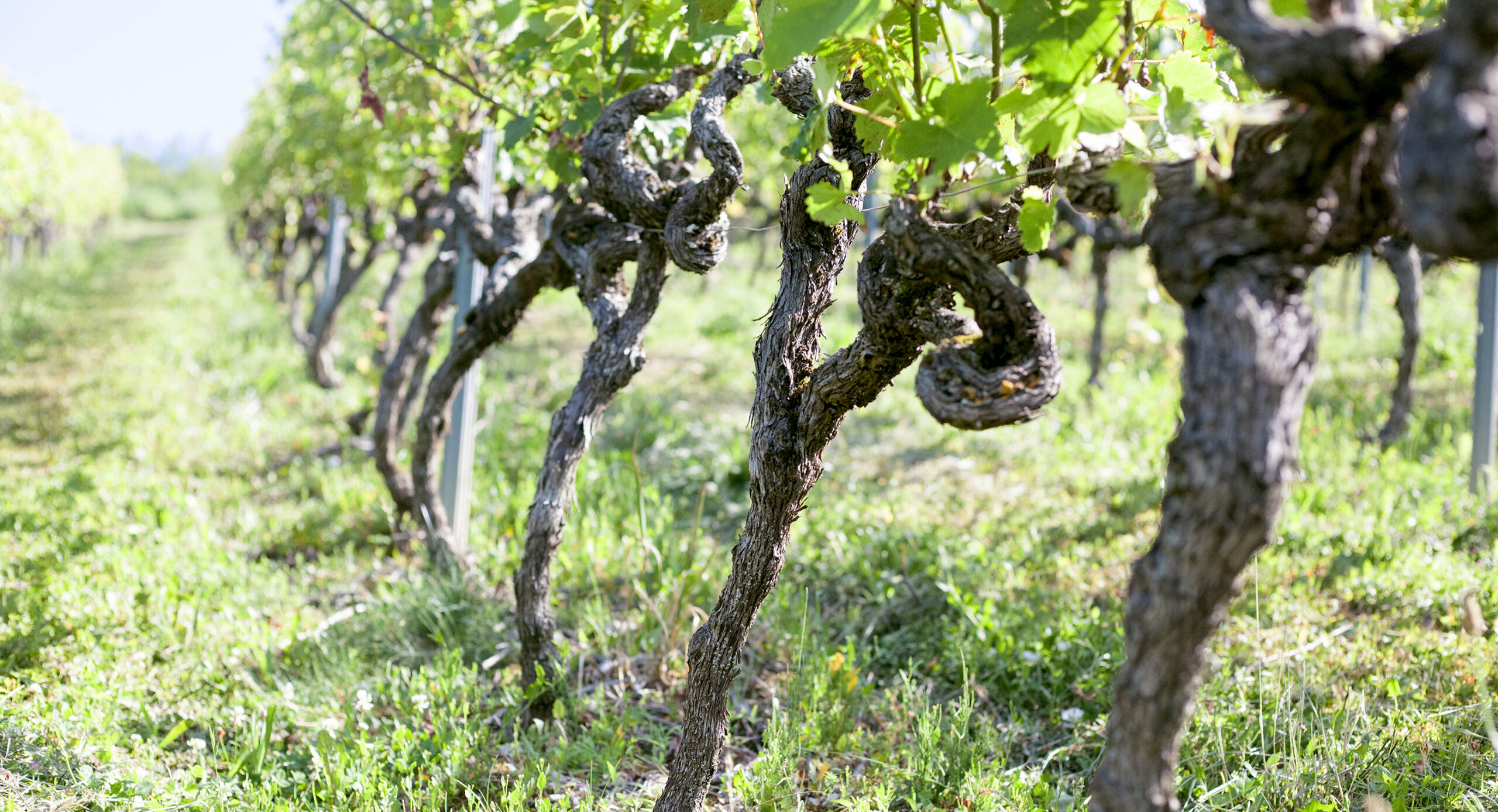
Many of the grapes grown here are the same as in neighboring Savoie (Jacquère, Altesse, Mondeuse), but the Bugey also shares some varietals with the Jura (Poulsard) and with nearby Burgundy and Beaujolais (Pinot Noir, Gamay, and Chardonnay). Special mention must go to the two most characteristic (if not the most widely planted) varieties: Altesse and Mondeuse. Altesse is not a productive grape, which is one of the reasons it is not more popular. It is the grape used in Roussette de Bugey (where it must constitute at least half the blend), a wine which can be racy and very mineral. Roussette de Bugey is often made with a small amount of residual sugar (5-10g per liter) to balance the acidity, but in the best examples there is no detectable sweetness. Mondeuse is an intense, tannic grape that produces dark red, very aromatic wines which are often surprisingly light on the palate. The best examples are structured and age-worthy. This is a grape of great potential, but its tendency to produce high yields means that extensive green harvesting is necessary to make concentrated wines of high quality.
Savoie: Regional Structure
Appellations, Crus, and Scale
The wine region of Savoie is located in the foothills of the Alps, in the departments of Savoie and Haute-Savoie. The region contains three appellations: Seyssel, Roussette de Savoie for 100% Altesse wines, and Vin de Savoie for all other wines. Within the Roussette de Savoie and Vin de Savoie appellations, numerous special terroirs are recognized. These are the crus, whose names are appended to the original appellation on the label. Cru wines are also held to higher production standards than other appellation wines. With only 2150 hectares planted, Savoie is a small region in terms of vineyard area, but it stretches more than 100km from north to south and includes a large diversity of terroirs. This diversity creates challenges in assigning a single regional style, and so it is more useful to think in terms of sub-regions and to avoid generalizations across the whole of Savoie.
Savoie: Sub-Regions
Distinct Zones Across Savoie
Chambéry:
More than half of the wines from Savoie, including most of those available in the United States, come from the area just south of the town of Chambéry. This includes many crus including Chignin, Chignin-Bergeron and Apremont. The primary grape grown here is Jacquère.
Chautagne:
This Gamay-focused region has the warmest microclimate of Savoie.
Combe de Savoie:
This region is located on the southeast-facing side of a narrow valley, abutting the Massif des Bauges and overlooking the Isère river. The crus here include Arbin, often thought to be the best terroir for Mondeuse.
Côte d’Arve:
With a primary focus on the Gringet grape, this tiny region is dominated by the cru of Ayze. The area is mostly known for sparkling wines.
Frangy:
This region consists of small, scattered vineyards in the Vallée des Usses. Mostly planted with Altesse, Frangy is a cru of A.O.C. Roussette de Savoie.
Jongieux:
Located on the southwest-facing slopes of the Dent du Chat. This region is perched above the Rhône opposite of Bugey. It contains three crus, including the highly reputed Marestel.
Léman Lakeside:
Planted with mostly Chasselas on the southern banks of Lake Léman on the Swiss border.
Seyssel:
One of the three appellations within Savoie, Seyssel has the distinction of growing its own grape: Molette. Altesse and a few red grapes are also grown here. This region was once renowned for making sparkling wines.
Producers
Wines from Bugey
Maison Thierry Tissot
Bugey | Alpine
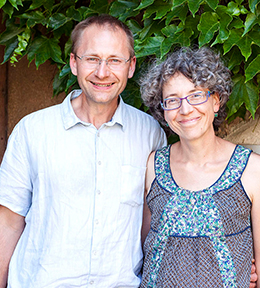
Bugey pioneers crafting alpine wines focused on Altesse and Mondeuse, rooted in historic terroirs and family-driven, gastronomic expression.
Wines from Savoie
Domaine Lupin
Savoie | Alpine
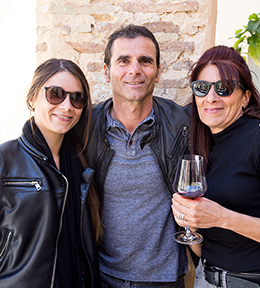
Savoie estate focused on Altesse from steep alpine vineyards, producing fresh, mineral wines rooted in local crus.
Wines from the Jura
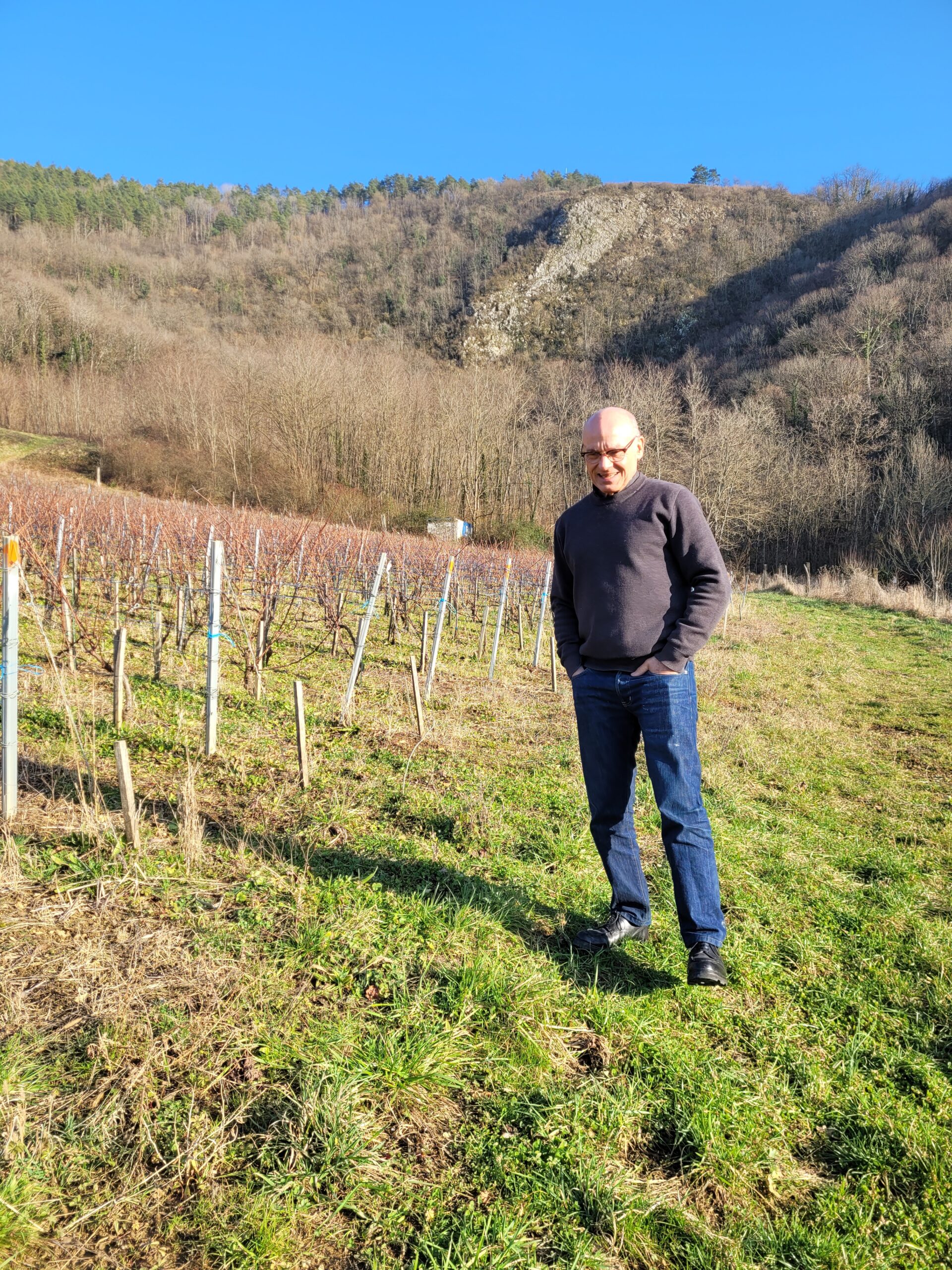
Domaine de l’Aigle à Deux Têtes
Côtes du Jura | Alpine
Henri Le Roy crafts tiny quantities of profound, non-oxidative whites and finely-woven reds from organic vineyards in the Jura’s Sud Revermon.
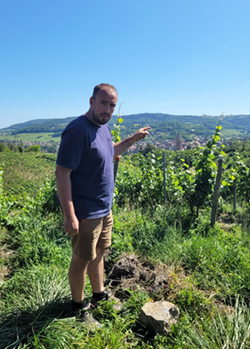
Château de Verreux
Arbois | Alpine
A biodynamic Arbois estate giving a second chance to what was once one of the region’s most important estates.