Maison Thierry Tissot
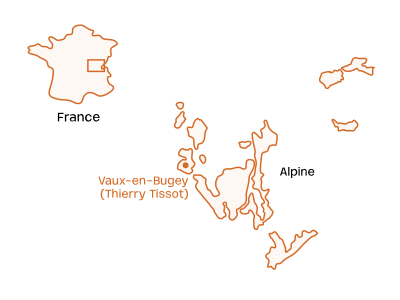
Bugey | Alpine

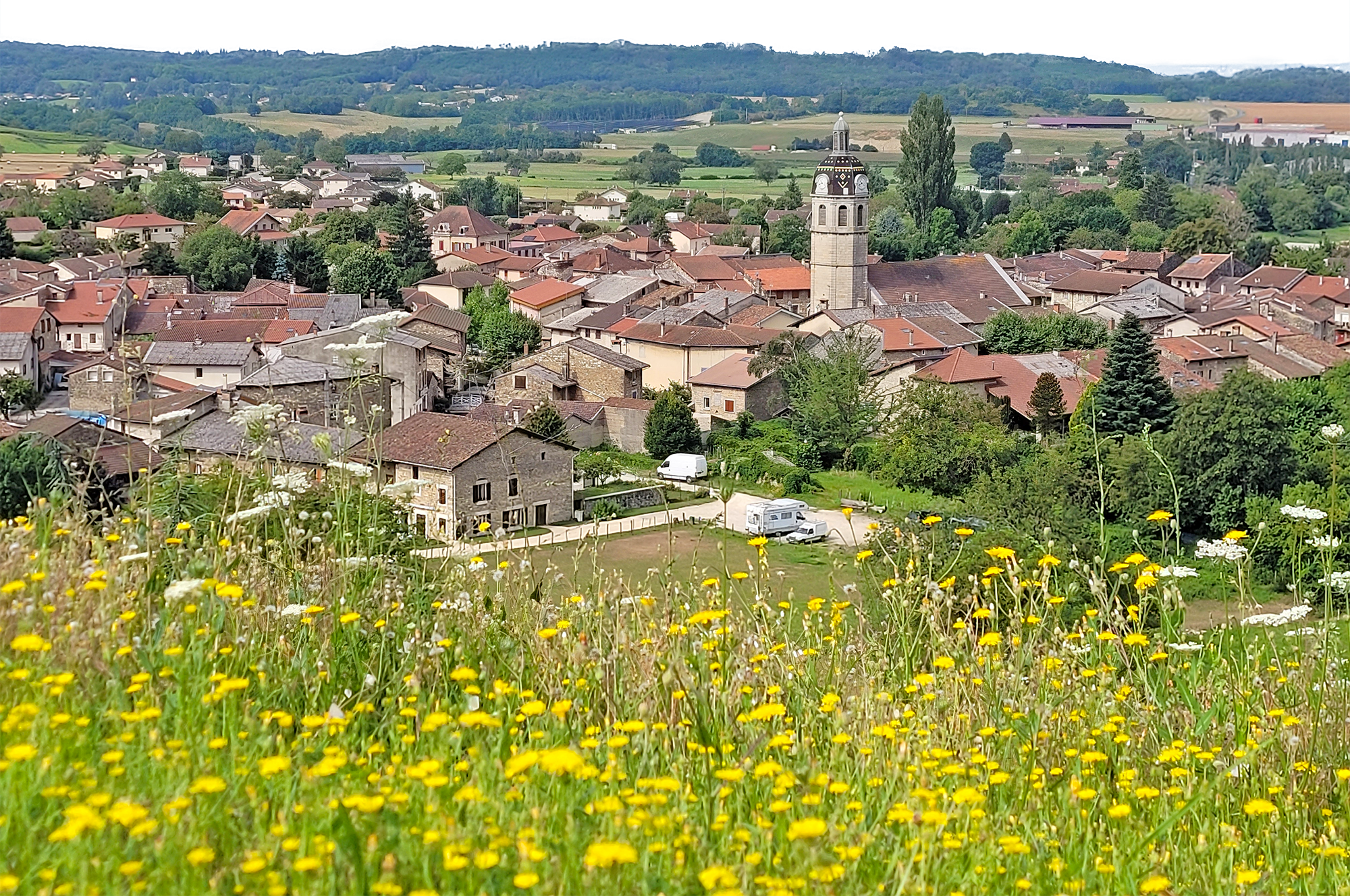
In the tiny sub-alpine village of Vaux en Bugey, Thierry and Céline Tissot make joyful, gastronomic wines from altesse, mondeuse, and gamay. Deeply committed to regenerative farming and community building, Maison Thierry Tissot embodies the vision of a sustainable ecological future and a thriving local economy they hope to pass on to their two children.
Introducing the Estate
Revitalizing Deep Roots
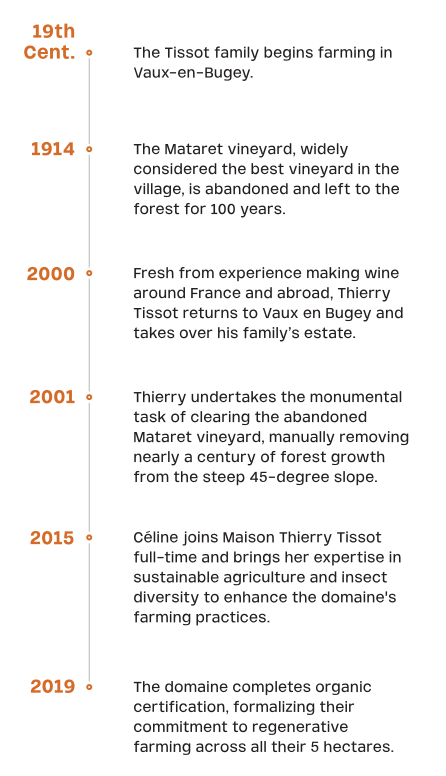
The Tissot family has called Vaux en Bugey home for five generations, working a handful of vineyards scattered around the village. After spending time in a handful of wine regions around France and abroad, Thierry Tissot came back to the village in 2000 to take over his parents’ 2 hectares of vines.
History & Origins
A Story of Rebirth
Inspired by Vaux-en-Bugey’s winemaking history, Thierry came up with a bold plan to replant one of its historic vineyards. Once considered the most privileged site on the steep slopes surrounding the village, the slope known as Mataret was abandoned at the onset of World War I and became completely overgrown with a thick cover of brush and chestnut trees.
Because the hillside had once been divided into small plots farmed by many different families, Thierry’s first task was tracking down the owners—some of whom didn’t even know they had inherited the land. After purchasing the full three hectares, he began clearing it. It was a monumental undertaking: all the work to clear nearly a century’s worth of growth had to be done by hand, as machinery was impossible to maneuver on the steep 45-degree slope.
Thierry chose to replant Mataret with altesse and mondeuse, two of the most interesting traditional local varieties. Today, the three-hectare, southwest-facing vineyard is the crown jewel of Maison Thierry Tissot. It is truly a grand cru site, with its stony clay-calcareous soils and veins of blue marl giving rise to some of the most incredible wines being made in Bugey today.
As Thierry focused on revitalizing the family domaine, his wife Céline was completing her studies in agricultural engineering and enology, focusing on sustainable agriculture and insect diversity. After staging at Drouhin to hone her skills, she taught viticulture at a local trade school. In 2015, she joined the Tissot domain full-time.
Process & Philosophy
Bugey Biodiversity
Bugey is an exciting region located at the crossroads of its more famous neighbors. Located at the southern end of the Jura mountain chain and the northern end of the Rhône River, which forms the border between Bugey and the Savoie, the region combines characteristics of both the Jura and Savoie while maintaining its own distinct identity.
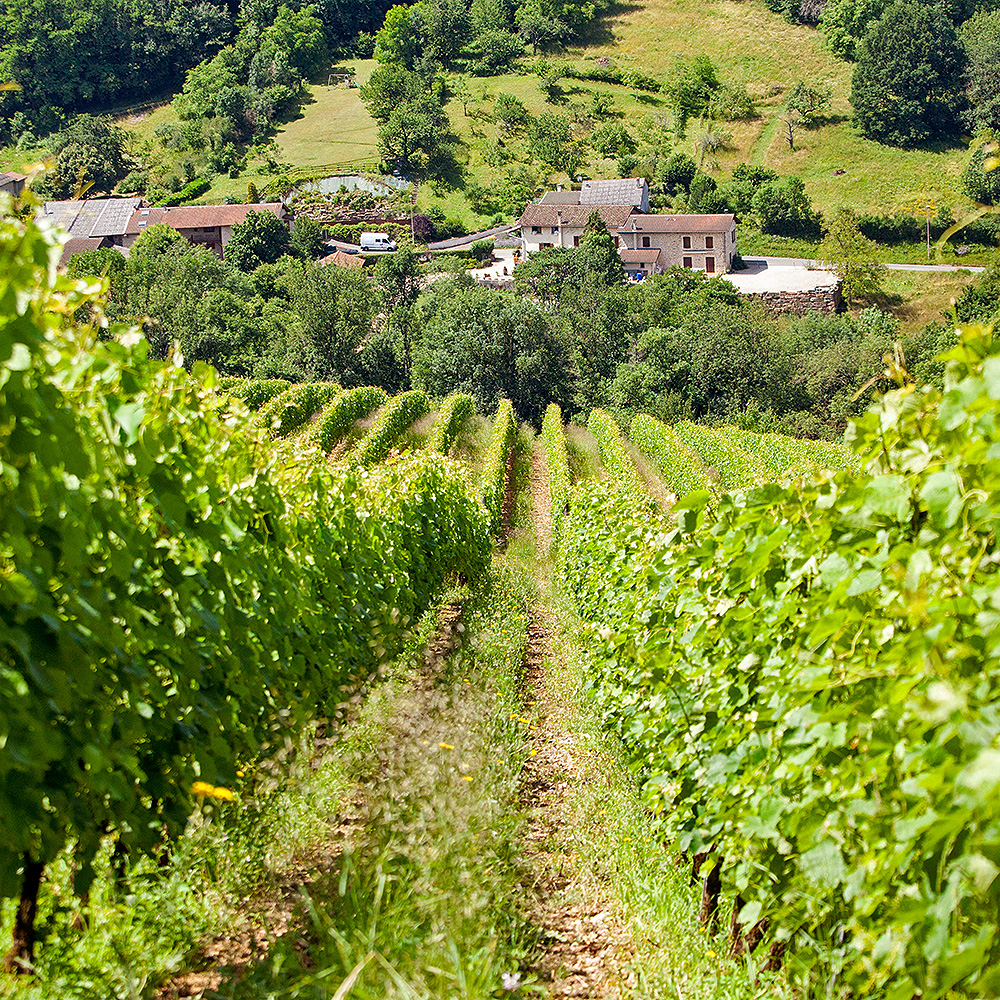
The Tissots farm a total of 5 hectares in Vaux en Bugey, surrounded by sub-alpine forests and teeming with local flora and fauna. The rebirth of Mataret gave them a vineyard with no trace of chemicals, something increasingly rare in modern viticulture. Abandoned to the forest before the introduction of chemical treatments, Mataret has never been sprayed.
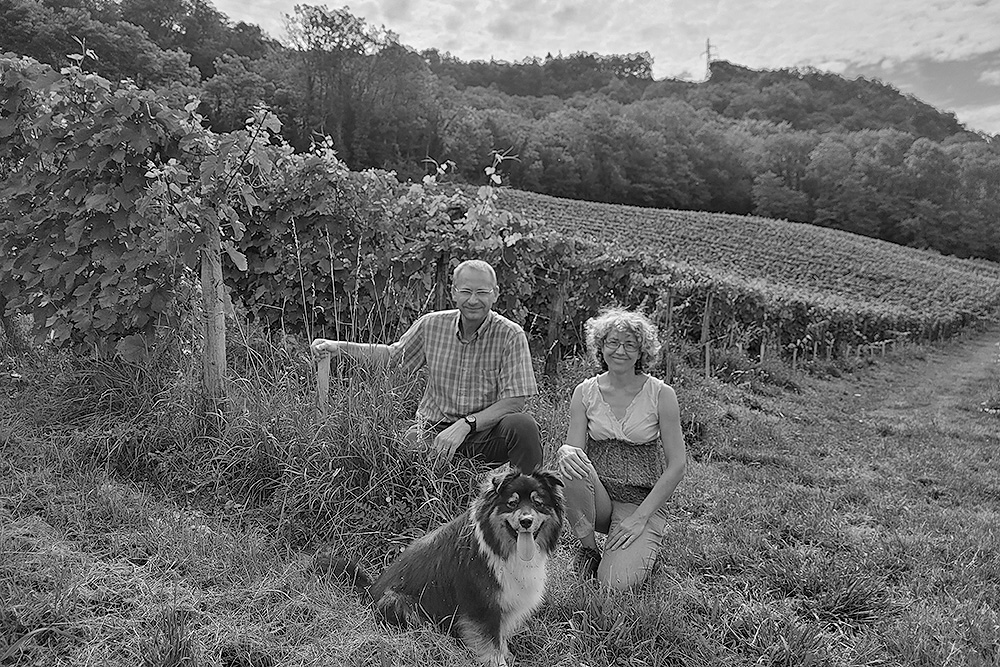
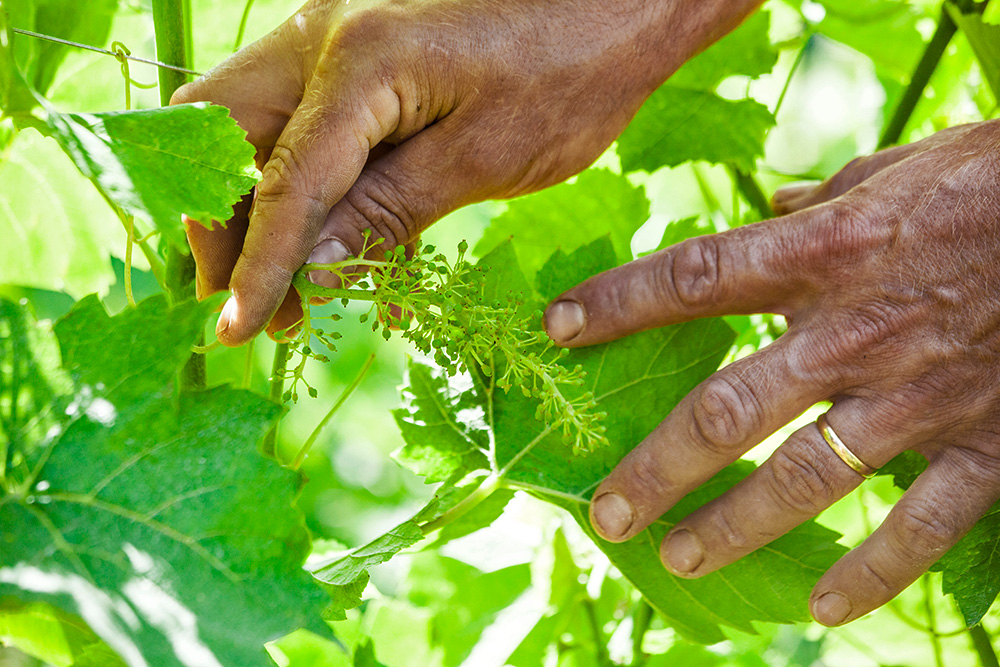
Céline’s approach to farming has only enhanced the incredible diversity already present in Mataret and the other Tissot family vineyards. Shortly after joining Thierry full-time, she put her tremendous agricultural expertise to use as they began the process of organic certification, which they completed in 2019. She loves to share their discoveries on social media as she and Theirry work the vines with their dog Maya by their side.
Winemaking
Quiet Quality
The Tissots embody a communitarian ethos, always working to lift up their village and region. They’re part of a cooperative that sells locally-produced goods, and they work with a regional group dedicated to identifying and propagating ancient grape varieties. Their philosophy of winemaking, as in the rest of their life, is one of being true to themselves and their land, and the wines reflect their honest, thoughtful personalities.
Thierry believes that altesse wines tend to be muted when they’re young, but develop body, complexity, and length as they age. The same is true for mondeuse, which needs time to smooth its rough, tannic edges. Many producers in Bugey leave some residual sugar in their altesse or use carbonic maceration for their mondeuse in a bid to make the wines more approachable when young, but the Tissots take a more hands-off, patient approach. Their gentle, giving personalities extend to their winemaking: allowing the wines the time they need to express themselves is the most natural thing in the world for them.
Thierry and Céline have also been pushing the envelope with their methode traditionelle sparkling wines. Combining their local altesse and mondeuse with chardonnay and gamay, they produce distinctive and elegant sparkling white and rosé wines.
As Thierry puts it: “Our wines are like a shy person. They won’t jump out at you with open arms, but if you take the time to get to know them, you’ll discover just how much they have to say”.
Though the Tissots may not be the loudest voices in the room, their steadfast work will define their region for generations to come.
Products
Wine
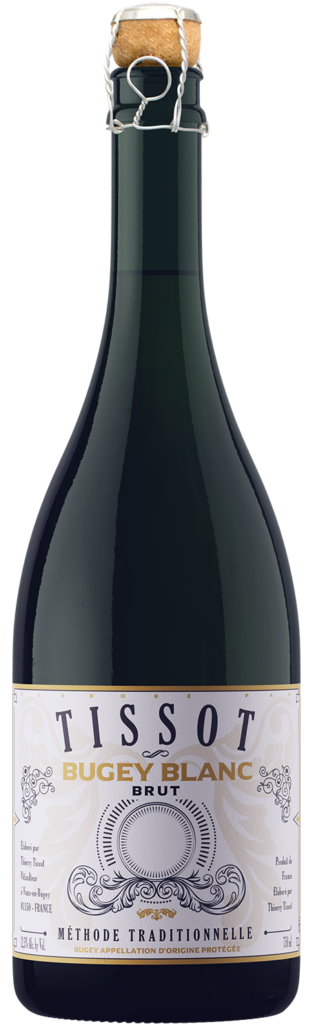
Thierry Tissot Bugey Blanc Brut Méthode Traditionnelle 2022
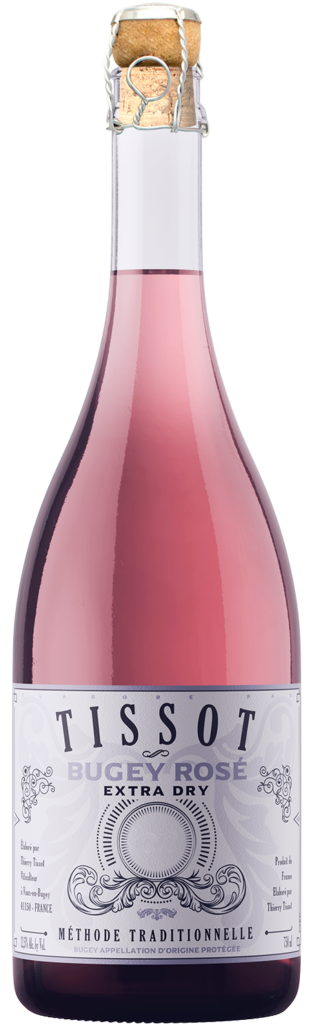
Thierry Tissot Bugey Rosé Extra-Dry Méthode Traditionelle 2022
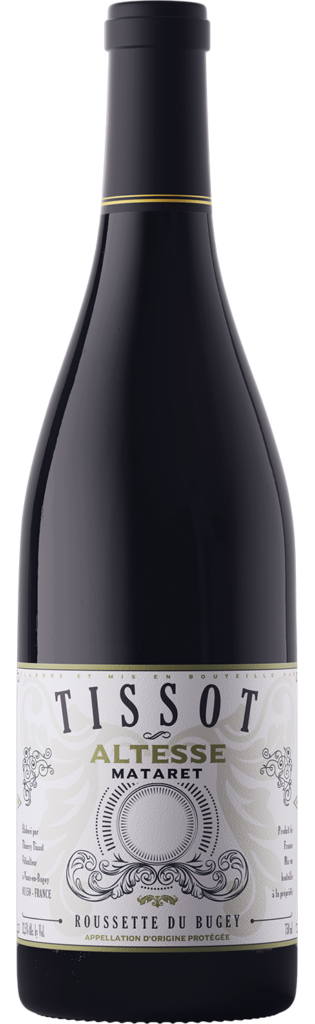
Thierry Tissot Altesse Mataret Roussette du Bugey 2021