



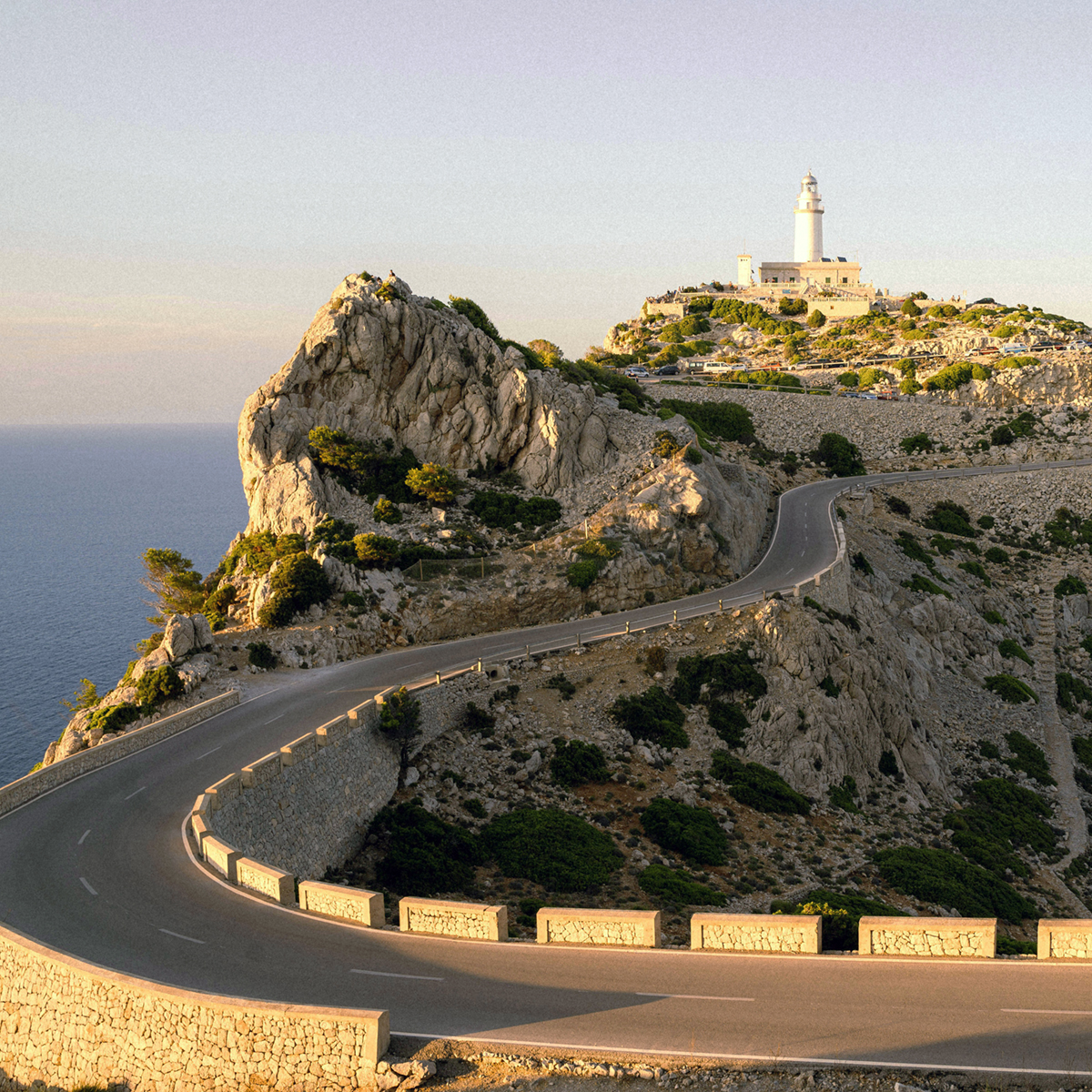
Mallorca
Balearic Islands / Mediterranean

Best known for its beaches, Mallorca has a long tradition of winemaking. But like many regions with a strong tourism industry, a captive clientele provides guaranteed sales for a few producers who dominate the market, with little incentive to focus on quality. However, a cohort of producers are making incredibly exciting wine, defending the island’s traditional grapes and vineyards.

A classic Mediterranean climate: hot, dry summers and mild winters; drought is common during the summer months.
Culture
Tradition, Tourism & Revival
Over the centuries, Mallorca was controlled by the Phoenicians, Greeks, Carthaginians, Romans, Visigoths, Moors, and later Christian forces under Catalunya. The islands eventually became part of the Spanish state and later the Habsburg empire.
Winemaking in Mallorca dates back to Roman times, and continued uninterrupted until the arrival of phylloxera in 1891, which severely damaged but failed to destroy the wine industry. When Spain opened up in the twilight of the Franco dictatorship, Mallorca saw an enormous increase in tourism. Driven by the promise of easy money, many grape growing families uprooted their vines and sold their land to developers, hugely reducing the area of vineyards on the island.
Today, Mallorca has a strong tourism industry, and as a result, most wines are consumed locally by visitors. This dynamic has historically influenced a production model centered on easy consumption rather than quality or experimentation. Despite this, a handful of producers are pushing in a different direction, focusing on indigenous grapes and higher-quality wines.
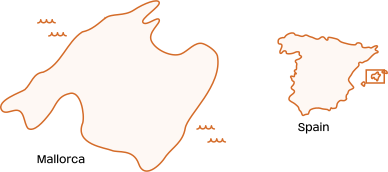
Geography & Regions
Island Terroir & Expanding Viticulture
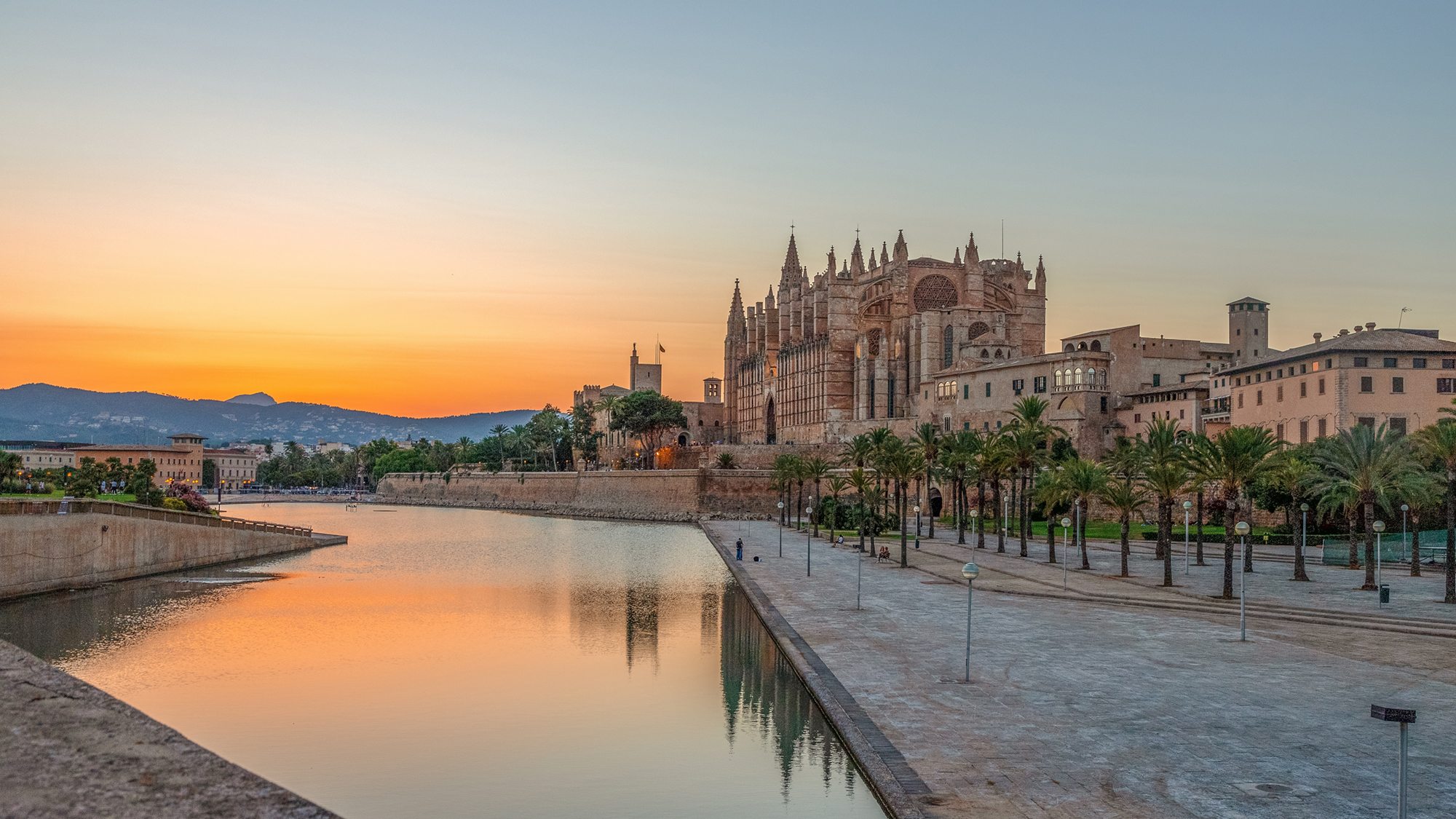
Mallorca offers a Mediterranean climate ideal for viticulture, a diversity of terroirs, and most importantly, a host of indigenous grapes grown nowhere else—callet, mantonegro, prensal, fogoneu, and ull de llebre among them. International varieties such as chardonnay, syrah, and cabernet sauvignon are also planted, though most quality producers de-emphasize them.
There are two historic winegrowing regions on the island: Plà i Llevant in the lower, eastern section, focused on callet and fogoneu, and Binissalem in the central, higher part of the island, focused on mantonegro.
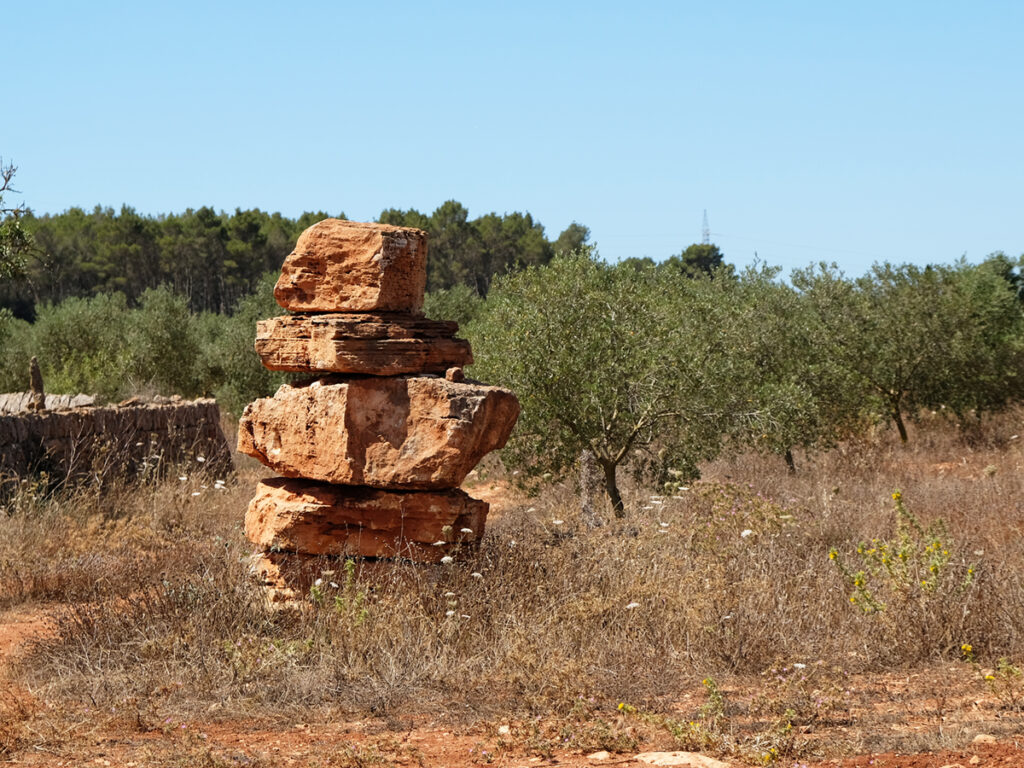
Assemblage & Terroir
Native Grapes & Climate-driven Expression
Local grapes are far better-adapted to the island’s hot, dry summers, where other varieties can overripen or struggle with lack of moisture. Mantonegro, callet, and prensal remain central to quality production, while international varieties are present but less emphasized by top growers.
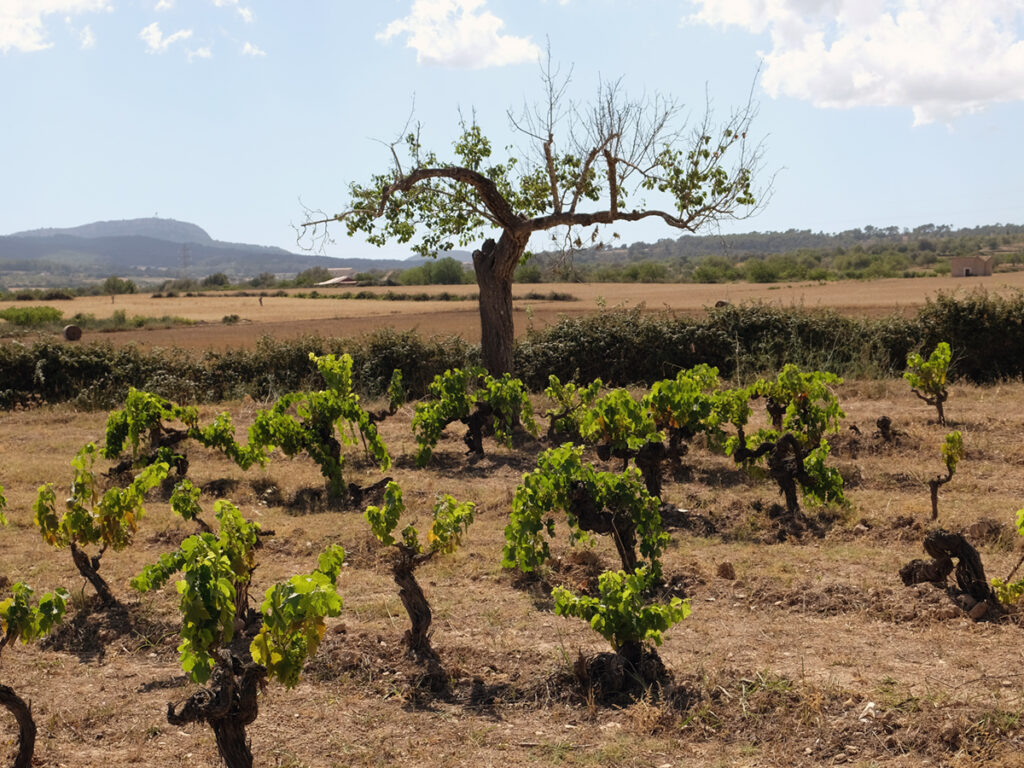
Binissalem – Located in the central part of the island at 250–300m elevation, Binissalem experiences a classic Mediterranean climate with hot, dry summers and mild winters.Mantonegro is especially suited to these conditions and produces aromatic, structured, elegant wines when grown and vinified properly. By law, red wines from Binissalem must contain at least 50% mantonegro. White wines are typically based on moll (prensal).
Plà i Llevant – Covering the southern and eastern part of the island, Plà i Llevant sits at low altitudes (sea level to 100m), with limestone and clay soils and a Mediterranean climate. Summer drought is common, making the local drought-tolerant varieties—callet, fogoneu, and prensal—the best adapted. These varieties tend to yield fruit-forward, friendly wines with a clear Mediterranean character.
Trade & Legacy
Atlantic Shore to Mediterranean Mountains
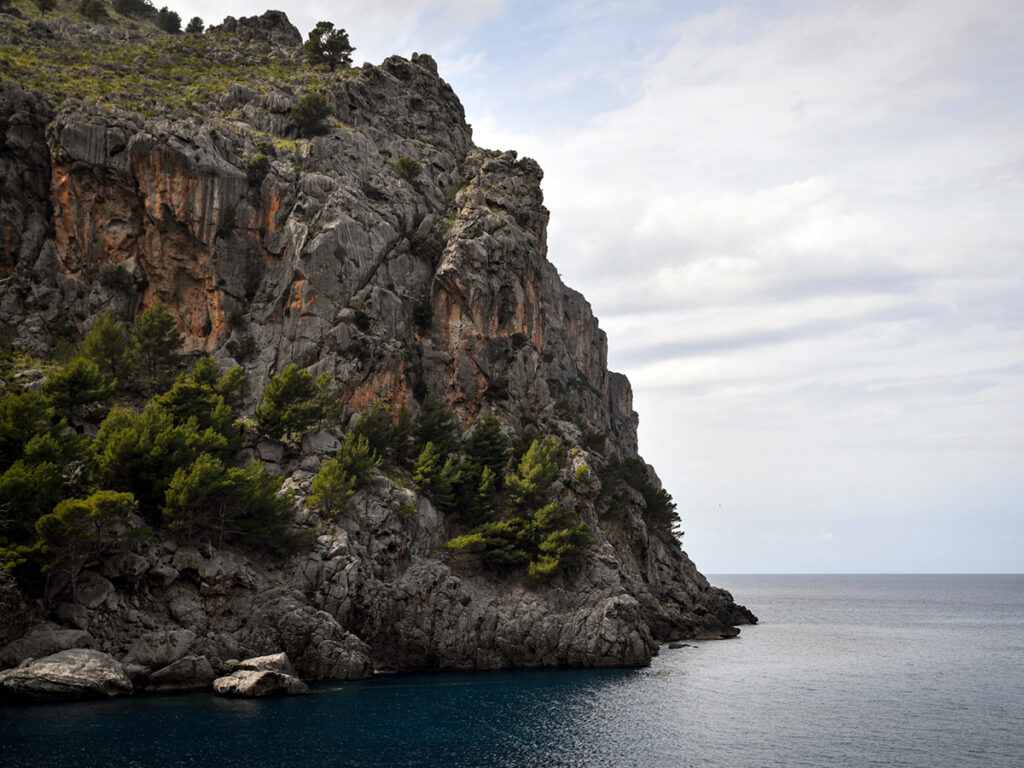
The strong tourism economy means most Mallorca wine has historically remained on the island for immediate consumption, which has reduced incentives to pursue higher-quality production. Nevertheless, a handful of committed producers are pushing beyond this model, taking risks, and crafting wines that stand apart from the mass-market offerings. They are committed to making authentic, terroir-driven wines, working with indigenous grapes, and taking a more artisanal approach. Their efforts highlight Mallorca’s true potential beyond the beach-driven marketplace.
Producers
Wines from Mallorca
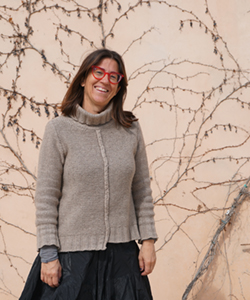
Mesquida Mora
Plà i Llevant
Bàrbara Mesquida Mora is dedicated to biodynamic and regenerative agriculture, making energetic wines that point toward the future of viticulture on her home island.
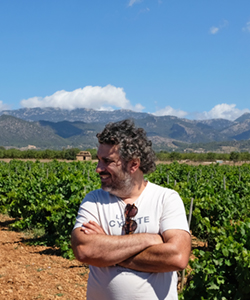
Ca’n Verdura
Binissalem
Tomeu Llabrés is a Mallorca native, crafting wines from a mosaic of old, tiny plots of exclusively indigenous varieties in his (actual) garage winery.