



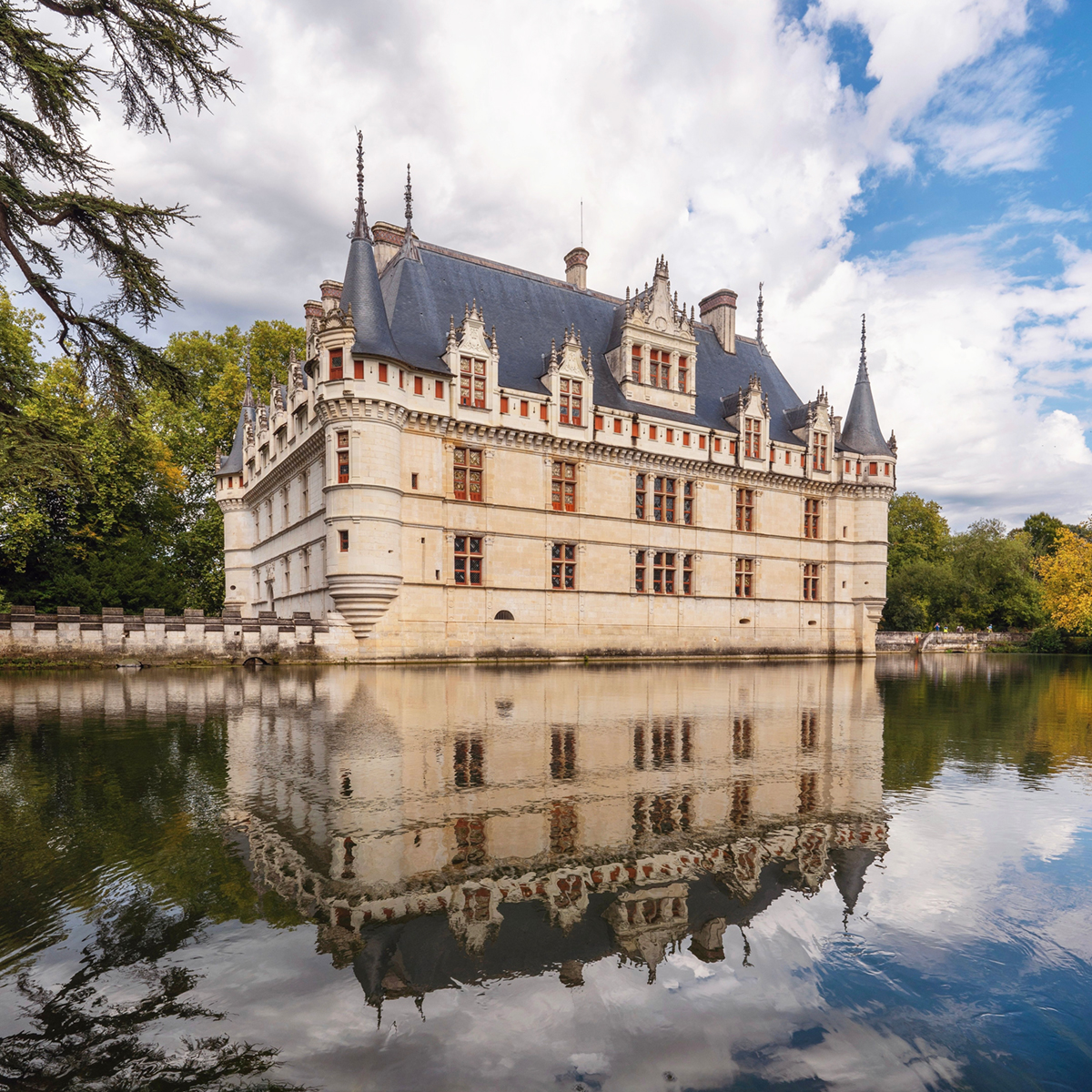
Loire Valley
Central France

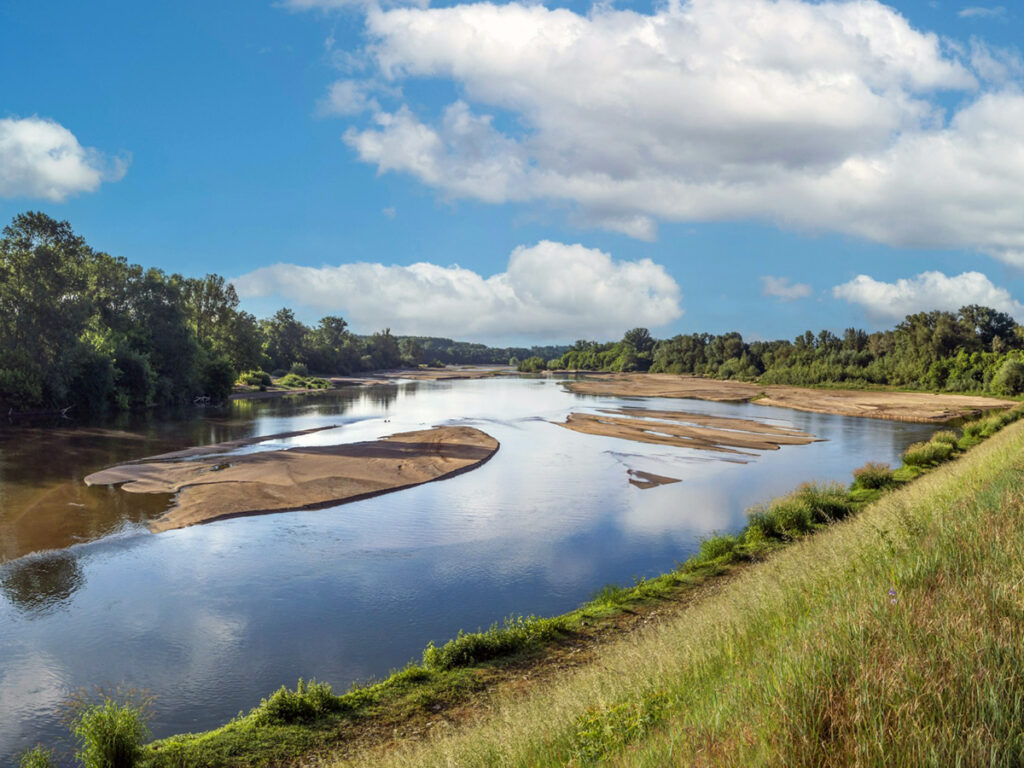
The longest river in France, the Loire, connects a vast array of landscapes, beginning parallel to the Rhône on the Massif Central, traveling up to Orléans, and west out to the Atlantic. During its journey, its surrounding area pays host to an enormous variety of viticultural styles, from everyday bistro classics to some of the most sought-after wines on earth.

Transitioning from a maritime climate with mild and wet weather near the Atlantic to a continental climate with hotter summers, colder winters, and frost further inland.
Regional Character
The Garden of France
The Loire Valley is defined by its historic “Garden of France” distinction, its contrasting cool-climate wines, with whites such as sauvignon blanc, chenin blanc, melon de bourgogne and reds from cabernet franc, grolleau and others, a strong focus on sustainability, and a spirit of innovation blending many traditions, all supported by a rich heritage linked to French royalty and monasteries.
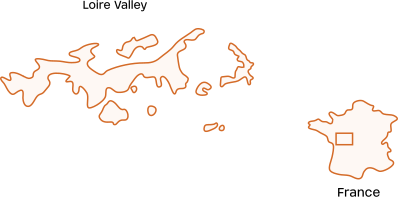
Geography & Subregions
Carved by Rivers, Driven by Pioneers of the Craft
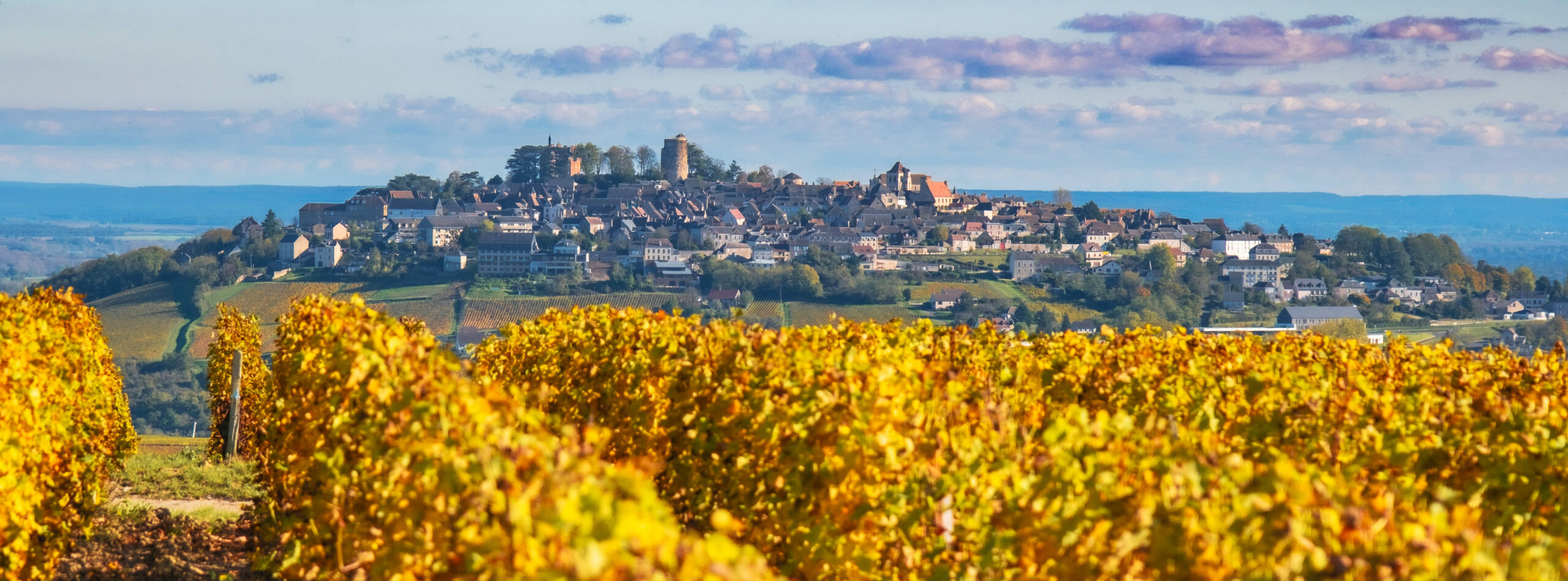
From a grape-growing perspective, we can divide the Loire Valley into five regions:
In the Auvergne, in the center of France, gamay is grown on volcanic and granitic soils of the Massif Central. In appellations such as Côte Roannaise or Côtes d’Auvergne, the wines are usually made in a semi-carbonic style, making them fruity and approachable.
Following the river as it travels north, we enter the Centre-Loire, the home of sauvignon blanc. Here, appellations such as Pouilly-Fumé, and most famously, Sancerre, produce dry, racy wines that first made their name in the bistros of Paris and then in French restaurants around the world.
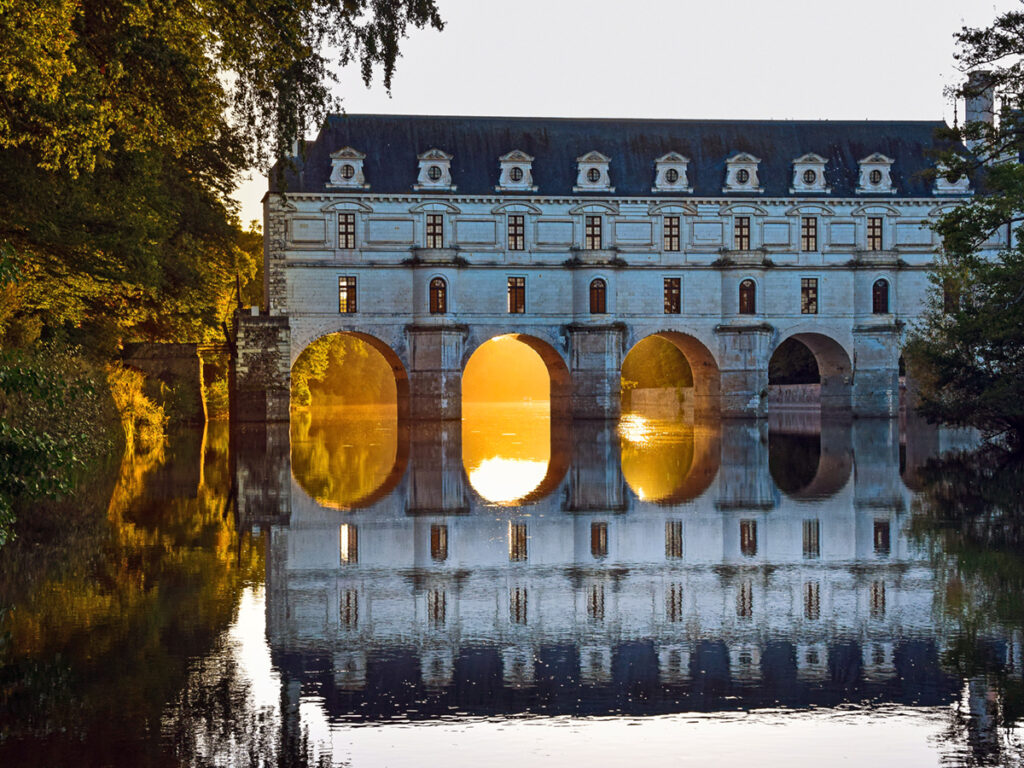
The Loire then turns west and enters Touraine, a broad region situated around the town of Tours. This area is stylistically diverse, with appellations such as Vouvray and Chinon creating everything from dry to lusciously sweet to sparkling wines from chenin blanc, as well as age-worthy cabernet franc. The climate of Touraine is notable for having huge variations from year to year, a fact that is, of course, not reflected in average numbers. This explains the vintage variations often seen in wines from this area.
A bit further west are the vineyards of Anjou. Here, the climate is clearly tempered by oceanic influence, and the vineyards are located in something of a rain shadow. The Loire Valley also broadens considerably here. Like its easterly neighbor, a huge variety of styles of wine are produced here.
Finally, around Nantes, several rivers come together at the mouth of the Loire. This terrain of gently undulating hills with diverse soils is wholly under the influence of an oceanic climate, with gentle temperatures year-round. This is the land of muscadet, the seafood wine par excellence: dry and mineral, it is widely recognized as the natural partner for oysters.
Terroir & Style
Varied Landscapes and Wines to Match
At the western end of the Loire Valley, where the river meets the ocean, we find the region known as Muscadet. The wines produced here are known for their minerality, salinity, low alcohol, and the light and crisp flavors that make them an ideal pairing for local seafood. The largest and most famous appellation within Muscadet is Muscadet Sèvre-et-Maine. This appellation is named for the two rivers that run through it: the Sèvre and the Maine. Soil is the defining characteristic of Muscadet Sèvre-et-Maine: sand, limestone, and schist dominate the landscape.
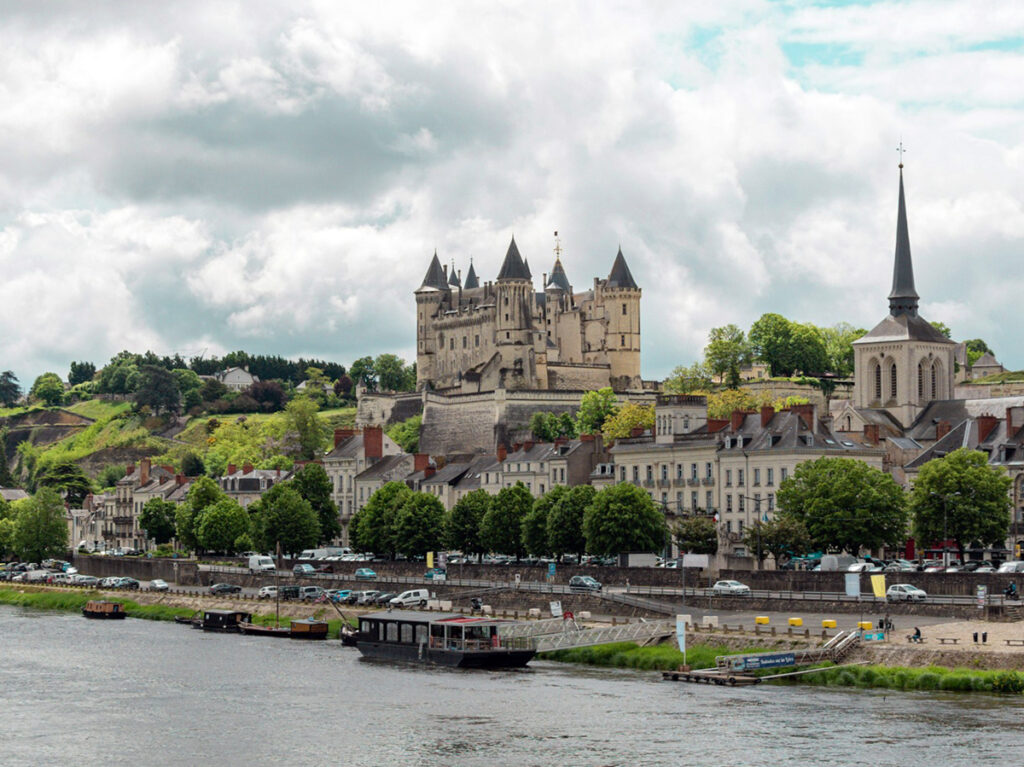
Anjou was the namesake and seat of power of the Angevin Empire, which ruled the western third of France along with most of England in the 12th and 13th centuries. The climate here is transitional—less rainy than the coast, and generally milder than the interior parts of the Loire Valley. The town of Angers anchors the Anjou-Saumur region, which itself is the westernmost subregion of what is referred to as the Middle Loire. This area also notably includes Savennières, Saumur, and Coteaux-de-Layon, with (roughly from west to east) Chinon, Bourgeuil, Vouvray, and Touraine just beyond, near the town of Tours. Soils in the western part of Anjou are chiefly volcanic schist (Anjou Noir), as seen utilized on many of the original rooftops in Angers. Continuing east, the dominant soil becomes limestone (tuffeau blanc), punctuated with parcels of flint and gravel. The Anjou region is known for Savennières, considered the apotheosis of chenin blanc, as well as reds and rosés from cabernet franc, but also features limited plantings of indigenous grapes like pineau d’Aunis and grolleau.
Producers
Wines from Muscadet
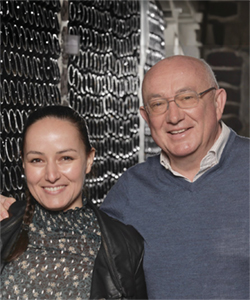
Chéreau Carré
Muscadet Sèvre-et-Maine
Occupying one of the most privileged positions in the heart of the appellation, directly at the confluence of the two rivers, this family-owned winery has been an innovator for over 60 years by focusing on the exploration of old single vineyards in the Crus Communaux.
Wines from Anjou-Saumur
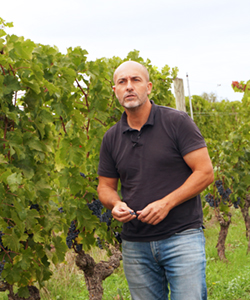
Châteaux du Breuil et de la Roche
Beaulieu-sur-Layon
Built in 1822, sitting on the right bank of the Layon River, Le Breuil’s vines of indigenous grapes are planted on prime L’Anjou Noir plots, farmed organically by a brilliant and talented team under winemaker David Vigan.
Wines from Sancerre
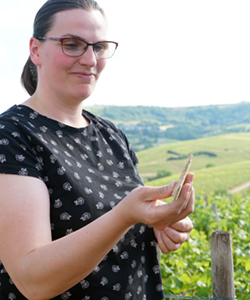
Julie et Patrick Noël
Saint-Satur
Founded in 1988 at the base of the Sancerre hill, this domaine is built on a legacy of more than three centuries of vignerons, all from the village of Chavignol. Traditionally, in the Noël family, the vines have always been transmitted from mothers to daughters.
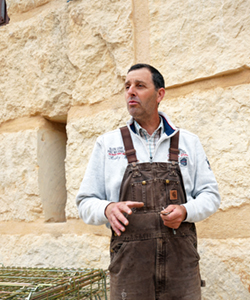
Vincent Gaudry
Sury-en-Vaux
For over 30 years, Vincent has been crafting biodynamic, soulful Sancerre in his hand-built cellar in his tiny village. Despite international demand for industrial Sancerre, Vincent listens only to the wisdom of the forefathers, turning drinkers of his wine into true believers.