Châteaux du Breuil et de la Roche
Anjou | Loire Valley

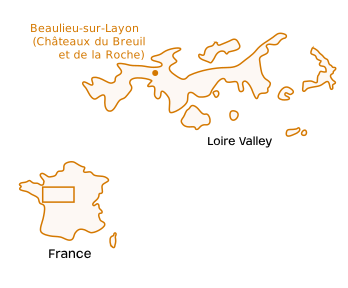
Stationed on the right bank of the Layon river near the village of Beaulieu-sur-Layon, 20 minutes south of Angers, Le Breuil is entering its prime. These wines are of clarity, intrigue, and emotion, and poised to play a vital role in one of France’s most exciting wine regions.
Introducing the Estate
Changing of the Guard
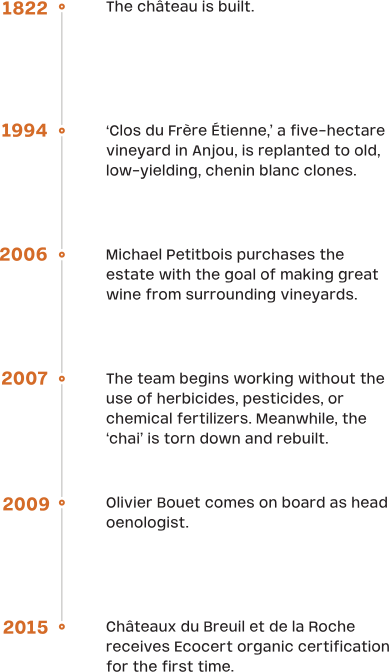
The modern era of Châteaux du Breuil et de la Roche began when French businessman and wine-lover Michel Petitbois bought the estate in 2006 with the intention of making great wine. Michel, a forward-thinking collector of fine wines from Burgundy, fell in love with the complexities of the Loire Valley and saw the potential in the exceptional vineyards owned by Châteaux du Breuil to produce exceptional wines. Some of their notable, direct neighbors include Château Pierre-Bise, Château Soucherie, and Château Plaisance, while just a footpath separates their Savennières vineyard from those of Nicolas Joly. The philosophy of Châteaux du Breuil et de la Roche begins with its exceptional vineyards and regenerative farming methods.
History & Origins
Geology Meets History
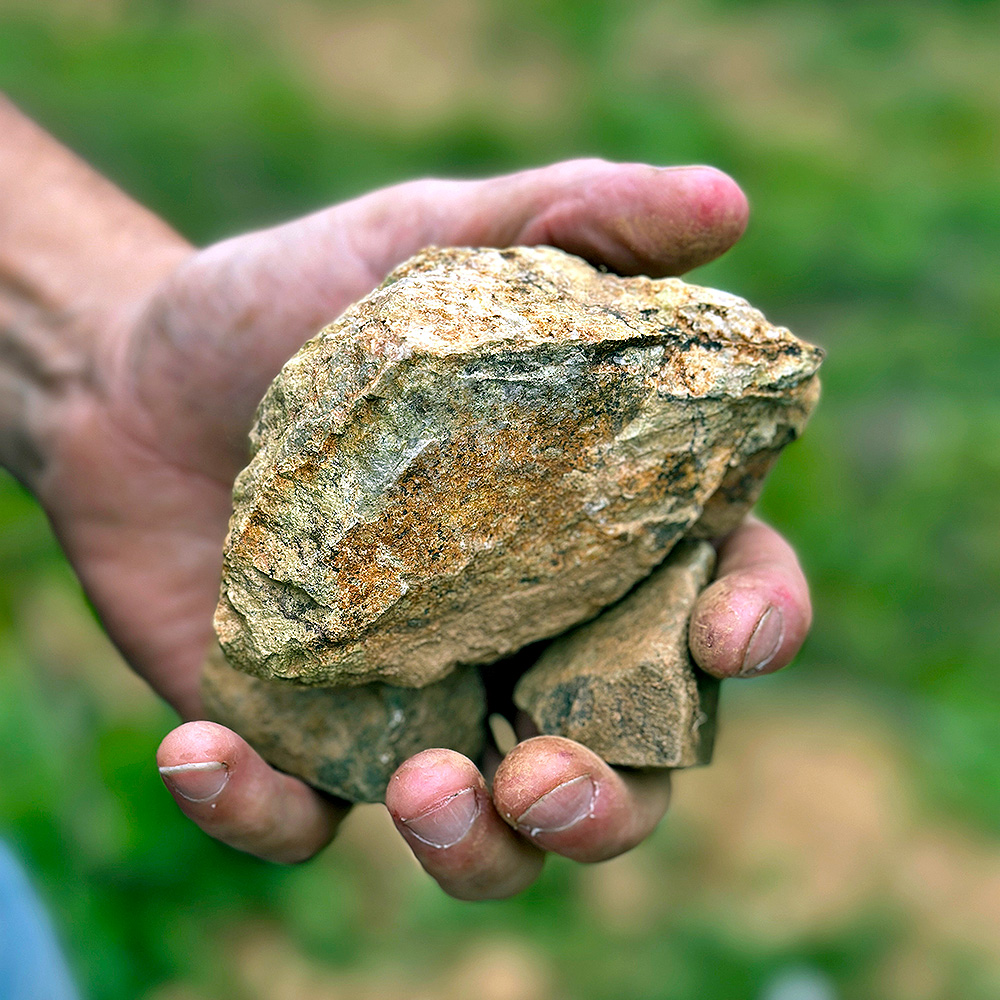
Built in 1822, Le Breuil’s vines are planted on prime L’Anjou Noir plots: south-facing slopes of the Coteaux du Layon, resting on a bed of schist just above a seam of spilite that runs between the towns of Beaulieu-sur-Layon and Rochefort-sur-Loire.
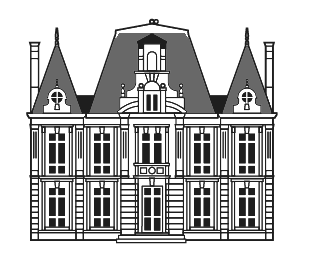
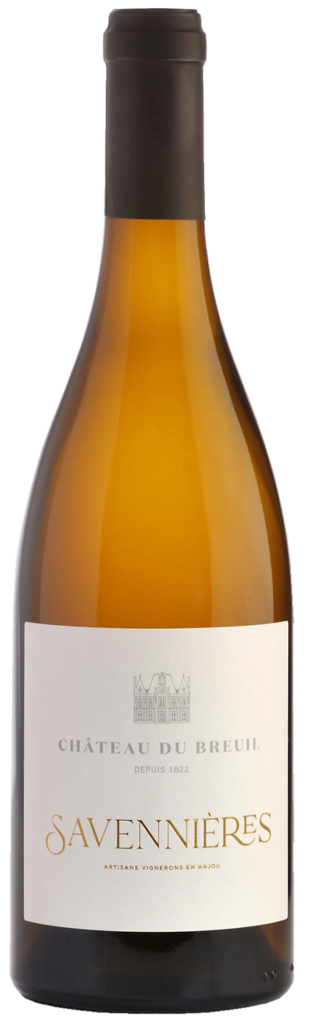
Once Michel Petitbois purchased the historic estate in 2006, he reorganized and revitalized the vineyards and modernized the cellar. From the beginning, Michel knew that if he wanted to secure Châteaux du Breuil’s future on a world-class level, there was considerable work to be done in both the vineyard and cellar. Starting with 24 hectares of vineyards from previous owners, his team pulled up 12 hectares of vines that were haphazardly planted; they reorganized and replanted the vineyards according to the correct terroir, with old clones selected for quality and complexity. Over the ensuing two decades, Michel gradually purchased key vineyards, bringing the estate to its current 33 hectares of vines. Châteaux du Breuil now produces wines in the Protected Designation of Origin regions of: Anjou, Savennières, Coteaux du Layon, Coteaux du Layon Beaulieu, Crémant de Loire, and Rosé d’Anjou.
All-Star Team
The Next Era
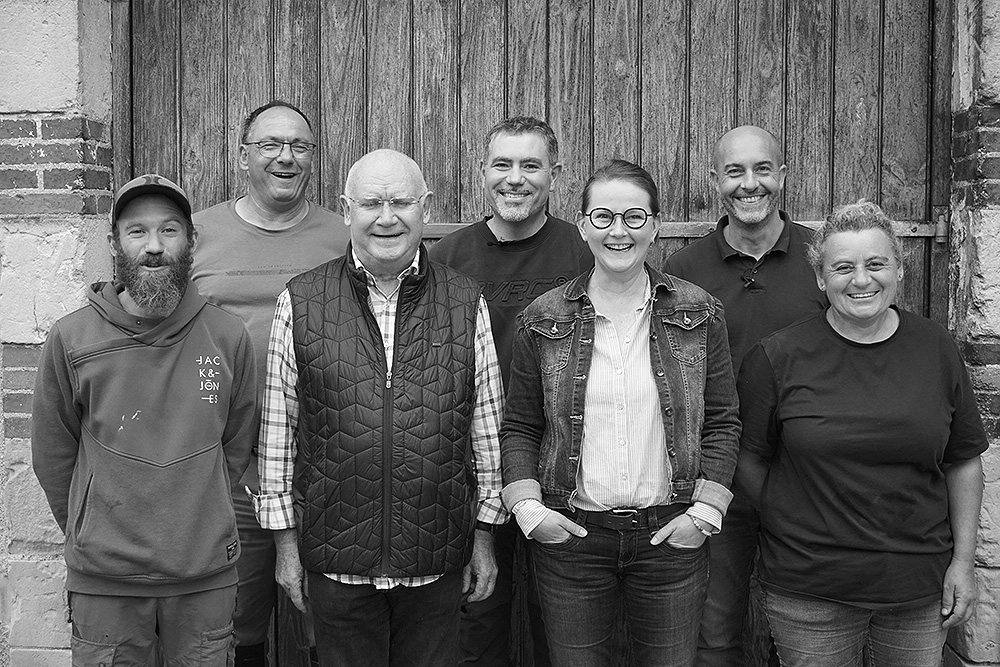
One of the defining factors of the winery’s approach is the collaborative, team-focused leadership style of Mr. Petitbois and his decision to assemble an all-star group from local talent. Upon completion of the rehabilitation of the vineyards and cellar, Michel set out to find the right managing partner to guide the property towards greatness; he found that partner in Anjou native David Vigan, a world-class sommelier, who had been the Wine Director at Michelin star restaurants in Saumur, Paris, and Switzerland. Born in Angers, David grew up in the tiny village of Valanjou, just a few kilometers south of Châteaux du Breuil. As Managing Partner, David is easygoing and affable, with an encyclopedic, masterful understanding of not only the region and its terroir, but also of the region’s culture, gastronomy, and history. David Vignan is at the heart of the closely-knit, diversely-talented team at Châteaux du Breuil.
The Châteaux du Breuil team also includes: Valentin Guibret, Nantes native and vineyard manager since 2018; Olivier Bouet, oenologist since 2009; Bruno and Carole, who have worked in various capacities at the property since 2006; and Sandrine Bertaud, who runs the administrative and commercial side of the winery. While each member has their specialty, they are all cross-trained in other disciplines to better understand how their work relates to the greater sum of its parts and, of course, the finished wine.
Process & Philosophy
Healthy Networks
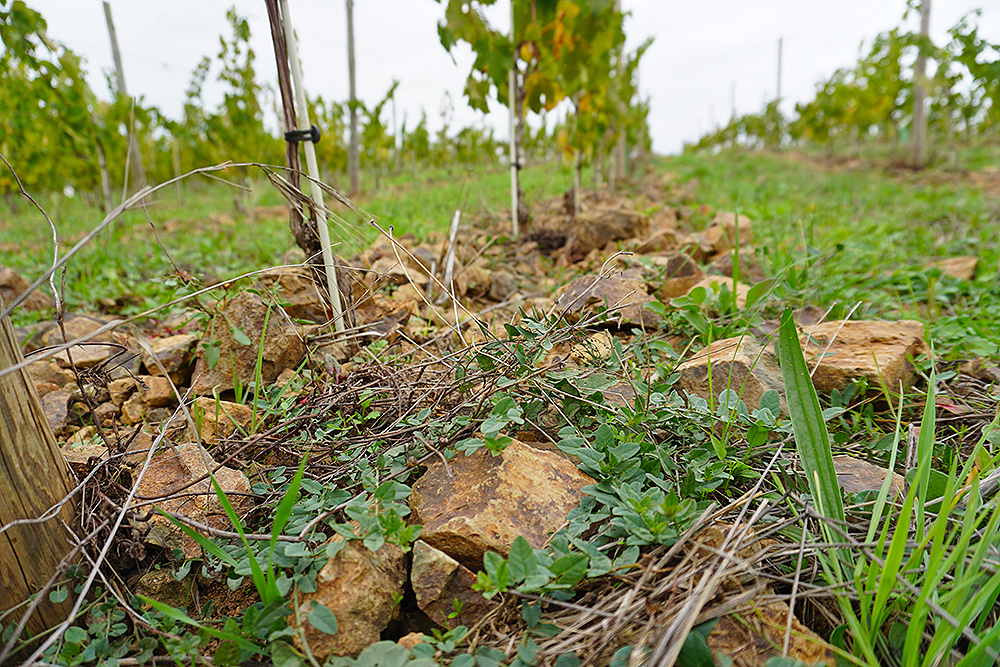
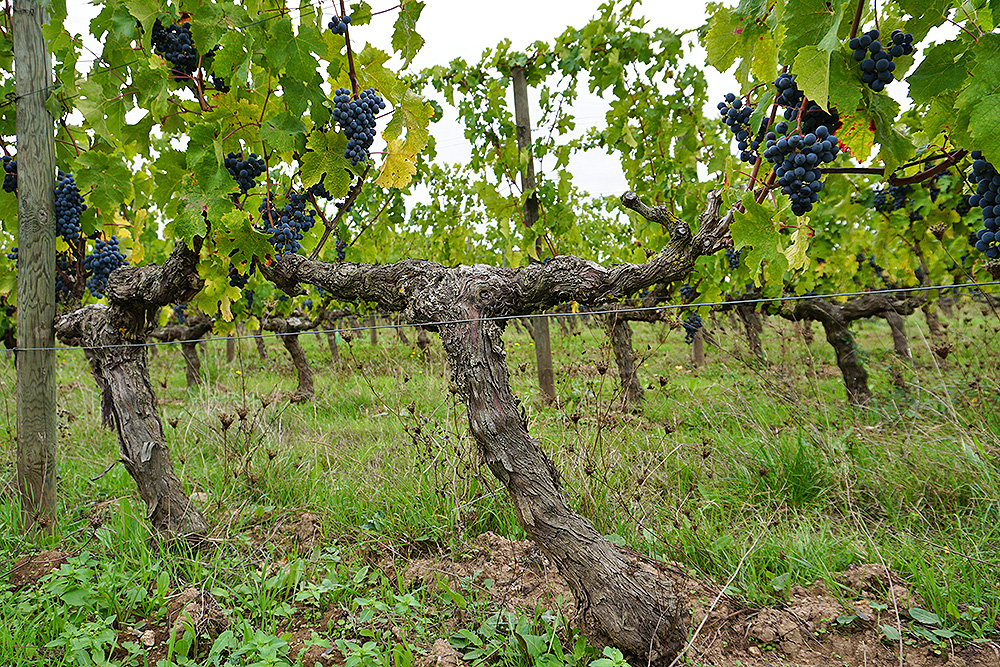
The foundation of the winery lies in their superlative regenerative, certified-organic farming methods. The team has been working without the use of herbicides, pesticides or chemical fertilizers since 2007, receiving their organic certification from Ecocert in 2015. The vineyards of Châteaux du Breuil et de la Roche are among the most vibrant we have visited, exemplified by their use of various cover crops in between vine rows. While each plot is handled individually, in general, they employ green manures from compost to the vineyard.
Tillage is limited to the cavaillon and décavaillon, the mounding of earth to protect the vines in winter and spring. The Breuil team also utilizes native hedges, trees, and low stone walls as natural windbreaks and as pathways for wildlife to enter the vineyards from the forest. The resulting soil health is remarkable—turning over the soil in the Breuil vineyard reveals a rich network of mycelia (fungal organisms), earthworms, insects, and native ground cover, such as wild onion, garlic, and clover, among many others, creating a grounding for the vines that is very much alive.
Facilities & Fermentation
So Clean It Shines
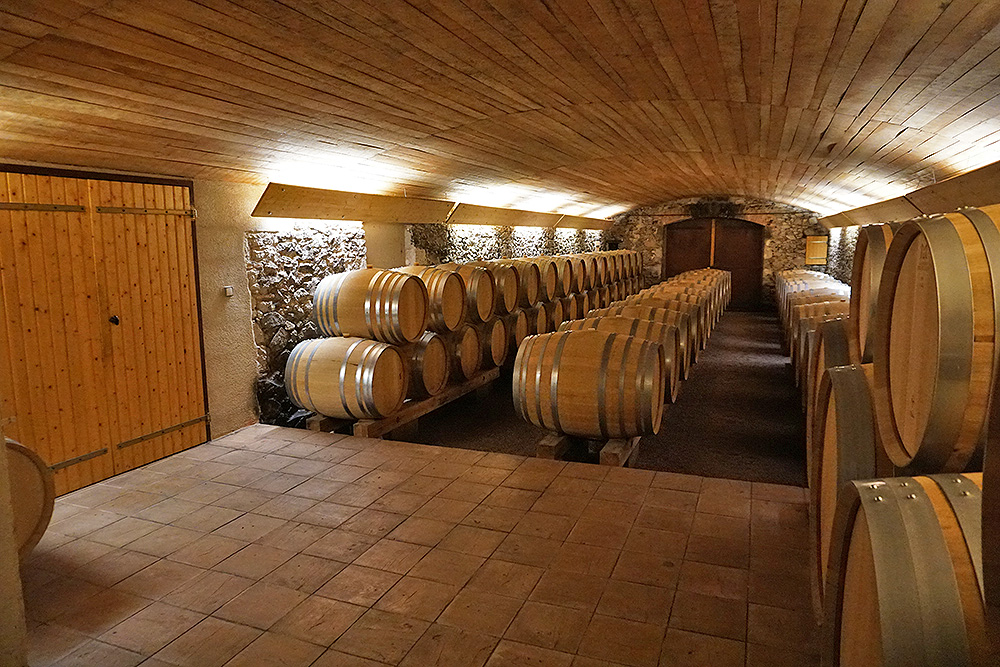
The chai (winery) was rebuilt in 2007 and outfitted with stainless steel tanks and temperature control, so that each parcel could be handled and vinified separately. The philosophy in the cellar is to protect and retain the purity of the fruit with as minimal intervention as possible. They use only the coeur du cuvée, the heart of the first pressing, for their estate wines.
At harvest, each vineyard is monitored carefully for the desired balance, as they are always looking for the utmost elegance. Whole bunches are sorted first in the vineyard into small crates and then brought to the winery, where they are carefully washed to avoid the introduction of Brettanomyces (a necessary step to preserve fruit and vineyard character) and then sorted again by hand. Only the healthiest, best bunches make it into the fermentation tank. White varieties (chenin, sauvignon, and chardonnay) retain their stems, while red varieties (cabernet franc, sauvignon, and grolleau) are all destemmed.
Alcoholic fermentation is in stainless steel tanks for the majority of the production, with their single-parcel chenin blanc expressions, such as Savennières ‘L’Enclos’, Anjou Blanc ‘Clos du Frère Etienne’, and Coteaux du Layon ‘Beaulieu’ are fermented in 228L, 400L, and 700L, respectfully, French oak barrels of various ages and from different tonneliers. The average percentage is 10% new oak barrels to 90% used, as the intention is for the oak to play a supportive role, never dominating the wines. Oak-aged wines go back in stainless steel tanks for further élevage and are tasted by the group and only bottled once they have reached the desired maturation point.
Everything at Breuil is done with great care and intention, with the goal of absolute quality in mind.
Products
Wine
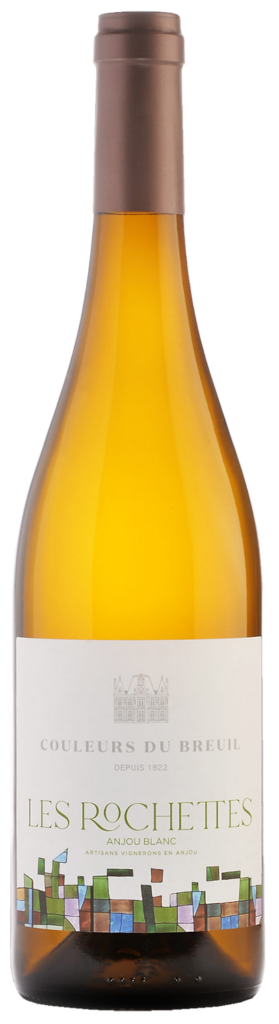
Châteaux du Breuil et de la Roche Couleurs de Breuil Anjou Blanc ‘Les Rochettes’ 2024
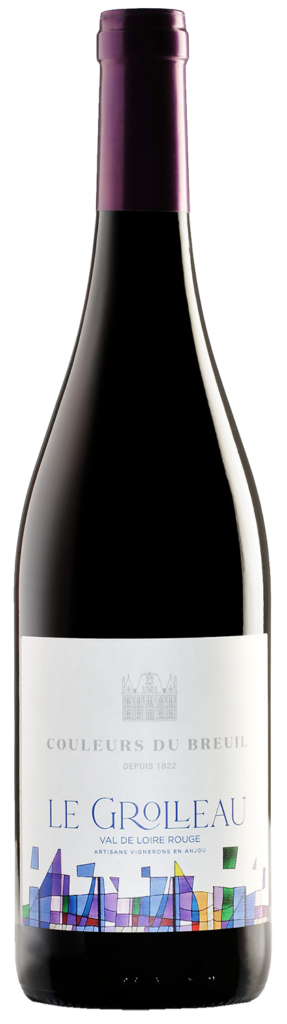
Couleurs du Breuil ‘Le Grolleau’ Val de Loire Rouge 2021
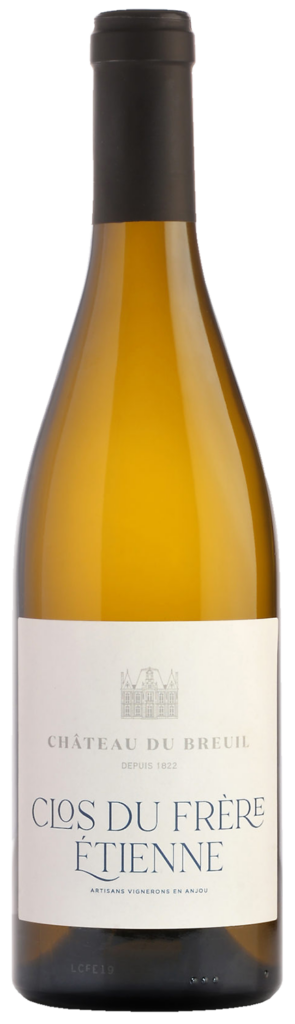
Châteaux du Breuil et de la Roche Anjou Blanc ‘Clos du Frère Étienne’ 2019