



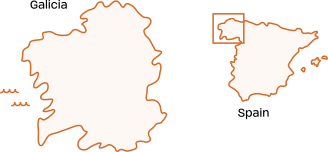
Galicia
Northwest Spain

Cooler and wetter than Mediterranean Spain and known for fresh, Atlantic white and red wines, Galicia has become one of Spain’s most exciting regions, with a culture distinct from the rest of the peninsula.

Cool, rainy, and green, Galicia’s climate is decidedly Atlantic—more akin to Ireland than Catalonia.
Landscape & Origins
The Rain (and more rain) in Spain
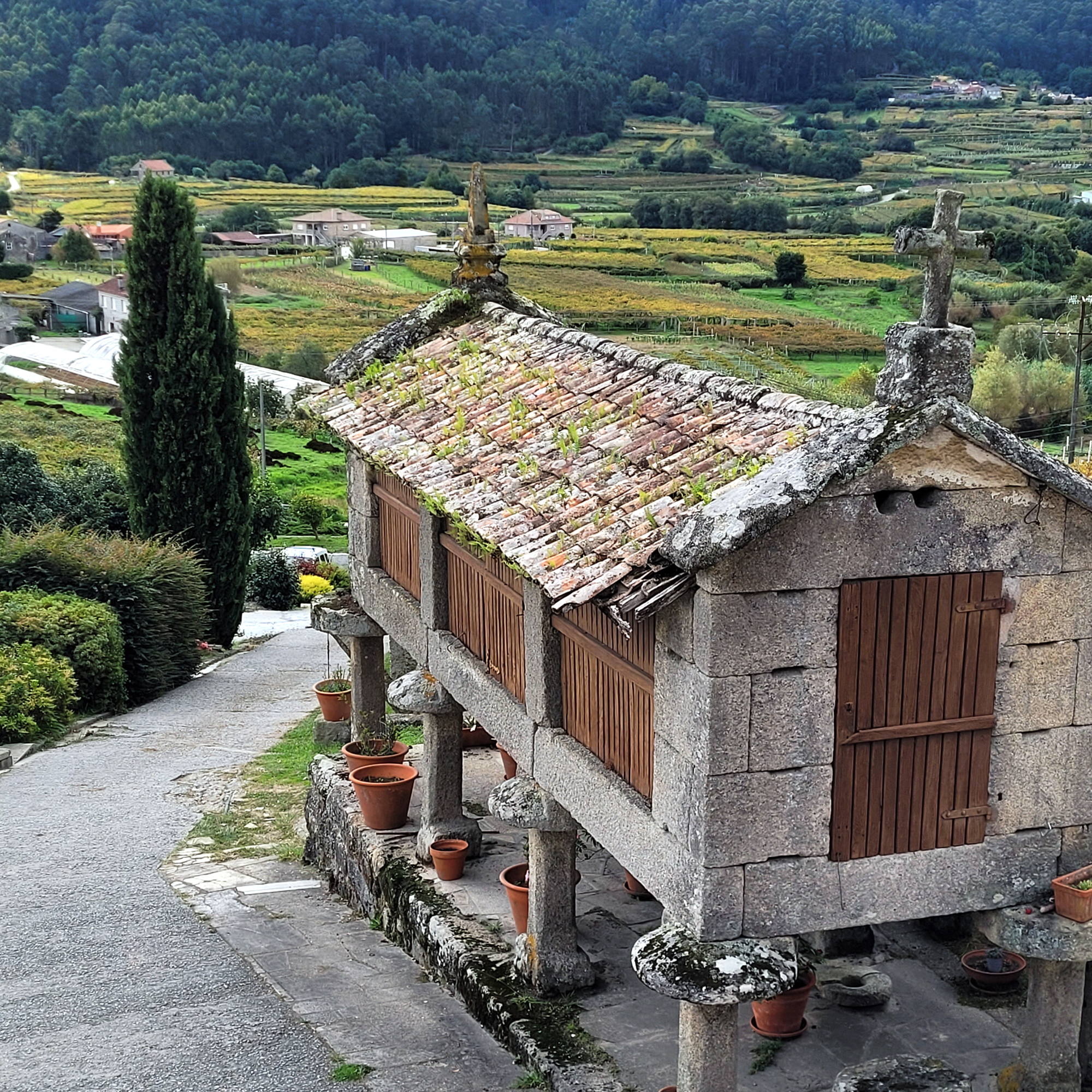
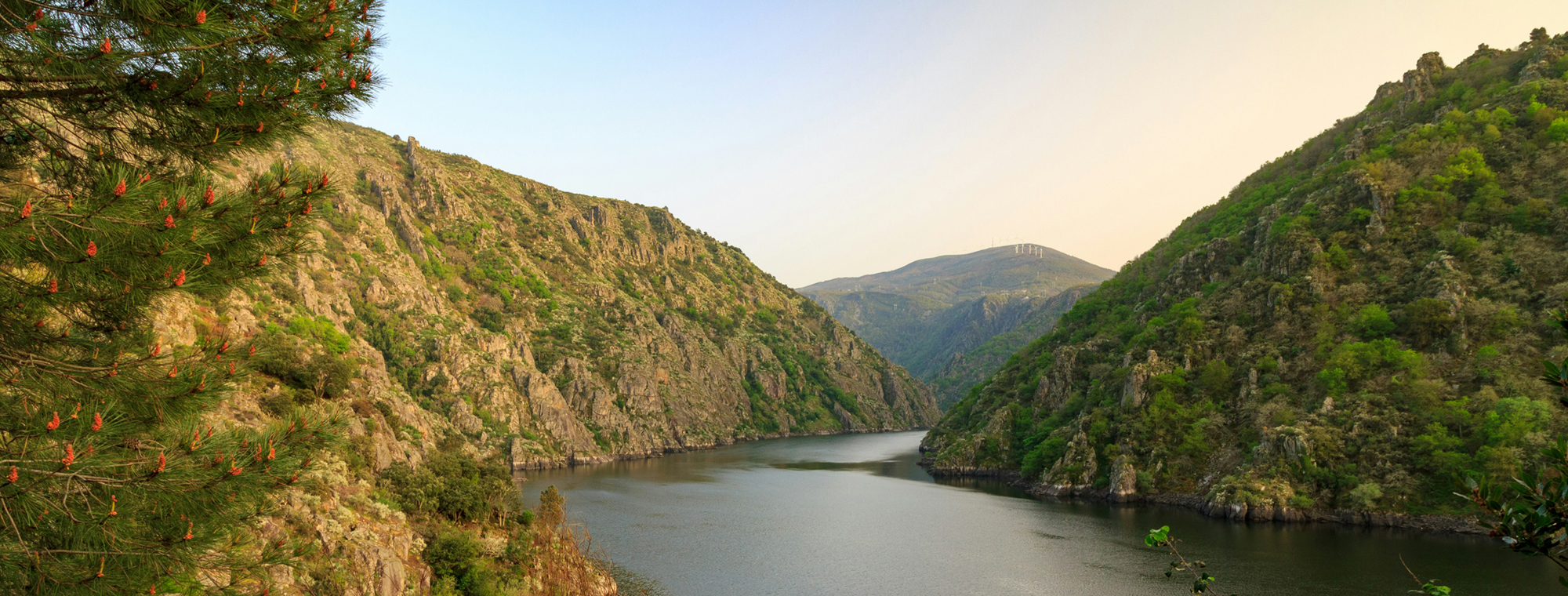
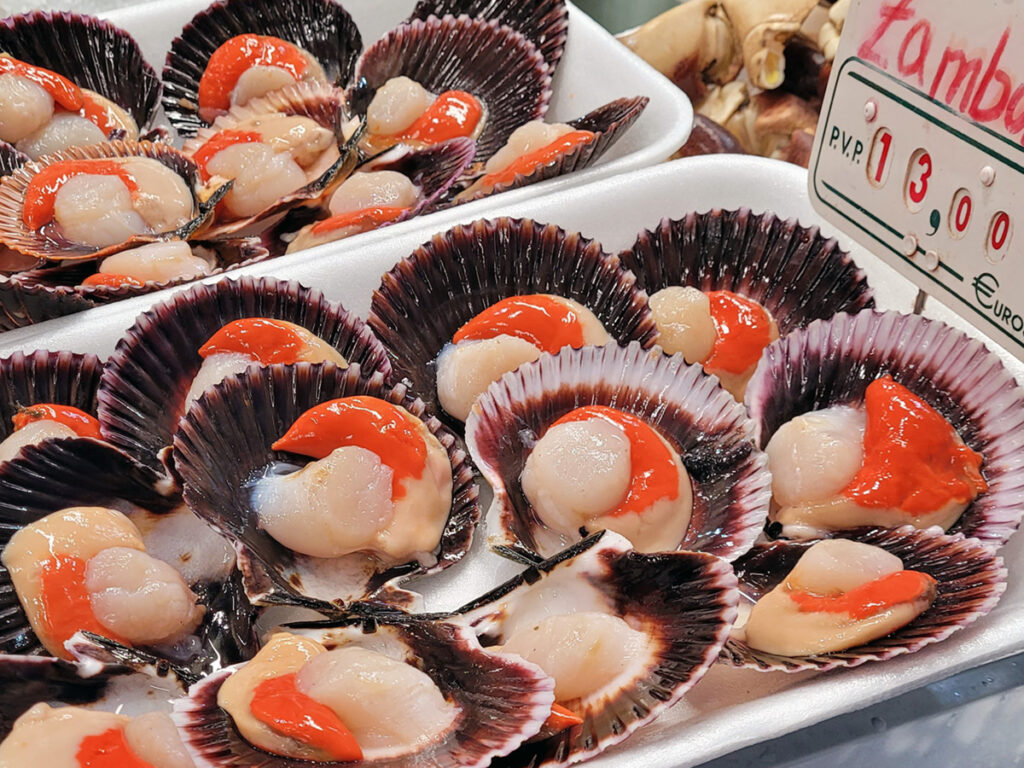
Galicia is not the Spain of popular conception—it’s a far cry from the image of sun-soaked beaches and paella many might have. Tucked in Spain’s extreme northwest corner and surrounded on two sides by the Atlantic Ocean, its rugged coastline, green rolling hills, and even its native grapes signal that this is a different side of Spain. The foggy, chilly coast, famous for its bounty of incredible seafood, gives way to inland highlands, carved up by dramatic river valleys through verdant landscapes, where the Rubia Gallega beef cattle pasture.
Culture & History
Celts & Cathedrals
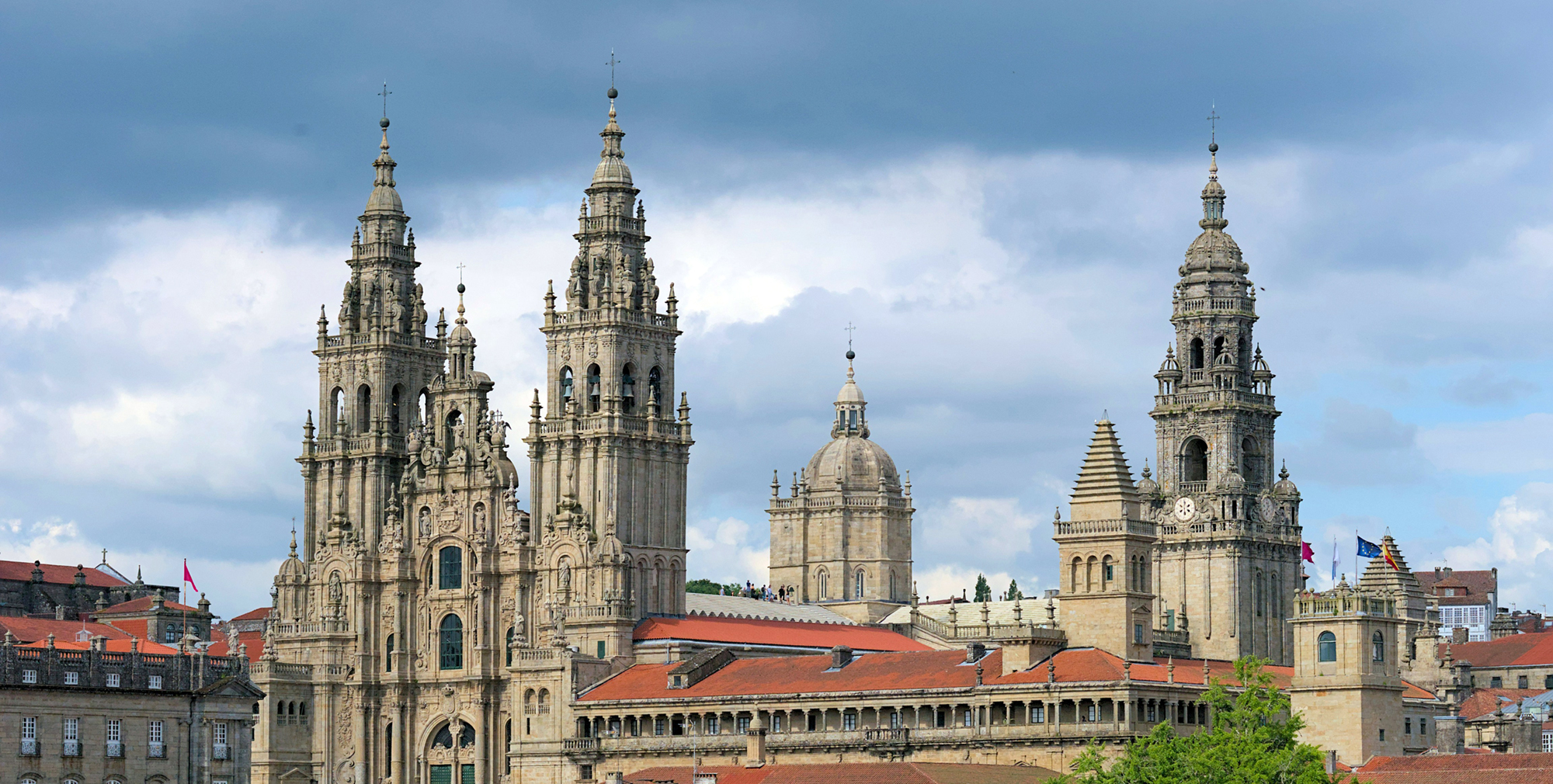
The known history of the region begins with an ancient Celtic people known as the Gallaeci, who shared DNA with the first inhabitants of the British Isles. The Romans later ruled over the region, which they called Gallaecia. After the fall of Rome, Galicia changed hands among several different small kingdoms, before finally being incorporated into the kingdom of Spain in the 15th century.
Though geography kept it historically isolated from the rest of Spain, regional capital Santiago de Compostela received a steady stream of pilgrims coming to pray at the tomb of Saint James the Apostle throughout the medieval period. The Camino de Santiago, or “Way of Saint James”, was responsible for bringing the first Christian monastic orders to Galicia. They established vineyards on the land surrounding their monasteries, and kick-started viticulture in what are today Galicia’s five wine regions.
Many Small Plots
The Division of the Land
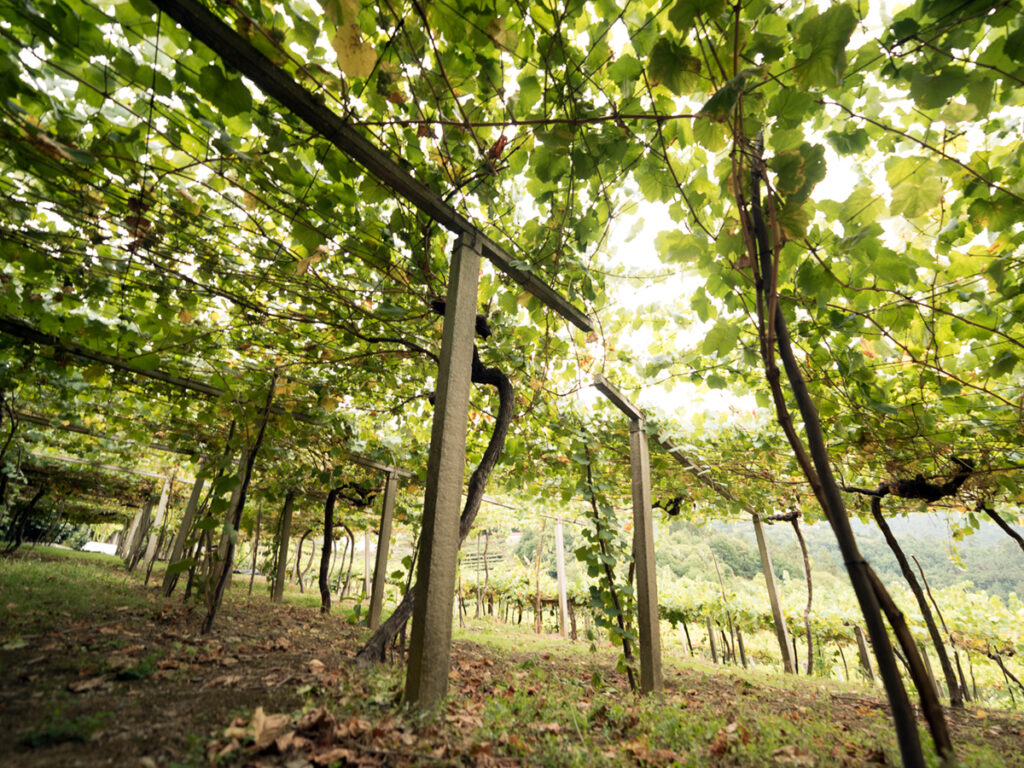
In the eighteenth century, the land and property of the religious orders were seized by the state and sold to private individuals. Unlike systems that allow a single heir to inherit the entire estate, in Galicia land is split equally among all heirs. Over generations, this has led to extreme fragmentation of land: each generation divides parcels further among multiple children, creating many small, often irregularly shaped plots owned by a large number of people. This explains the current landscape, where the average vineyard is less than 0.5 ha (about 1.2 acres).
A Story of Recovery
20th Century Revival
After the phylloxera epidemic, many grape growers planted direct-producing hybrids and high-yielding grapes such as palomino, with an emphasis on quantity over quality. It wasn’t until the late 1970s and 1980s that the first generation of quality growers began replanting with indigenous grapes like albariño, loureiro, godello, treixadura, caíño tinto, espadeiro, loureiro tinto, and sousón, reclaiming the identity of the region.
Subregions
Rías Baixas
This viticultural region takes its name from the estuarine inlets (rías) in the lower (baixas) parts of Galicia. These waterways create a very unique ecosystem full of life, both in the ocean and on land. The most famous of Galicia’s wine regions, Denominación de Origen Rías Baixas was founded in 1988 with three original sub-zones: Val do Salnés, Condado do Tea, and O Rosal. Additional sub-zones Soutomaior and Ribeira do Ulla were later introduced in 1996 and 2000.
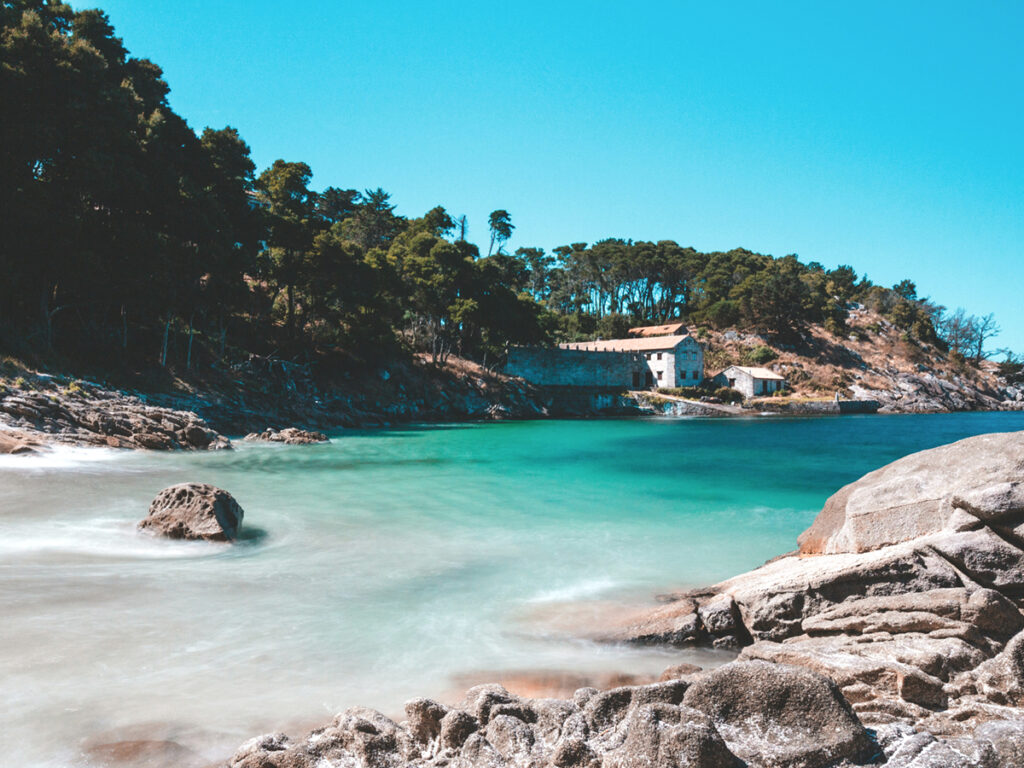
99% of the wine produced in Rías Baixas is Albariño, but varieties such as loureiro, treixadura, caíño blanco, espadeiro, and sousón are also authorized. Soils are mainly decomposed granite, locally known as xabre, with some areas of alluvial soils, schist, and slate. The Val do Salnés subzone, home to over 50 percent of the region’s vineyards, enjoys a unique location close to the sea and protected by a mountain range that inhibits the entrance of fog. This proximity to the ocean creates a unique microclimate, with sea breezes lending the wines their distinct flavor profiles.
Subregions
Ribeira Sacra
Ribeira Sacra is one of the most stunning vineyard landscapes in the world. In the heart of Galicia, deep canyons and ancient terraced vineyards conceal medieval Romanesque churches and monasteries built by religious orders searching for an isolated place to pray.
Founded in 1996, Denominación de Origen Ribeira Sacra has five distinct sub-zones: Chantada, Riberas do Miño, Riberas do Sil, Amandi and Quiroga-Bibei. It produces predominantly red wines from mencía and other traditional grapes such as merenzao, caíño, and brancellao. The area is defined by its proximity to the Miño and Sil River canyons. The Sil River flows west into Galicia from neighboring Bierzo and merges with the Miño River, which continues into the Atlantic Ocean and creates the natural boundary between Spain and Portugal along the way.
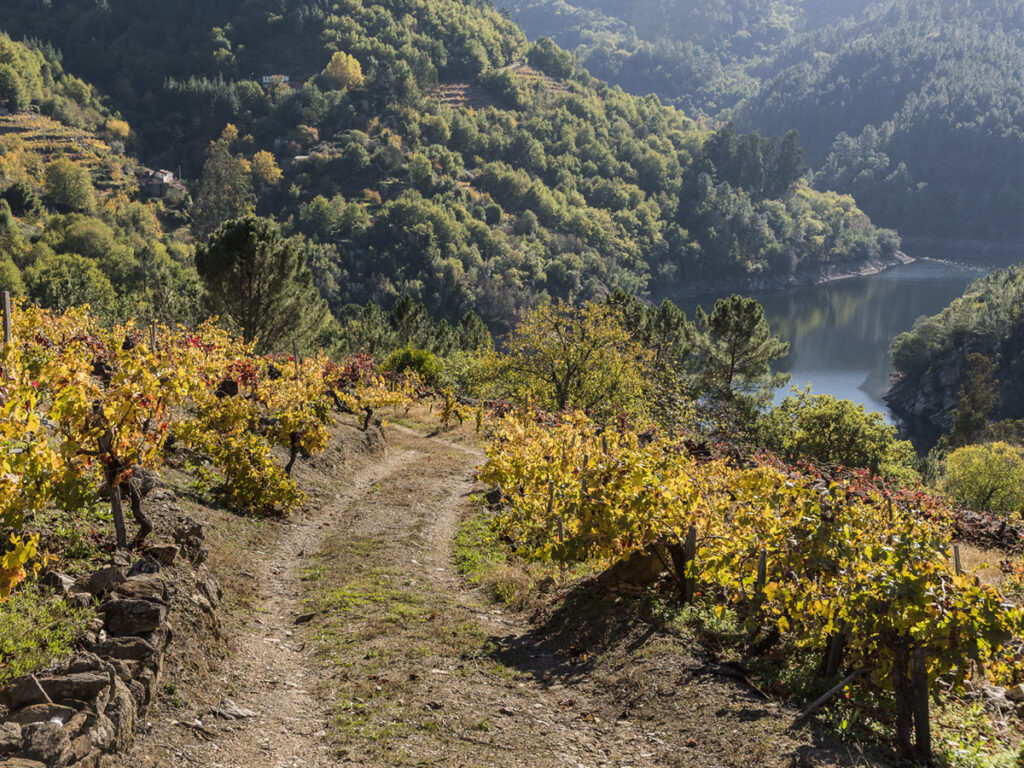
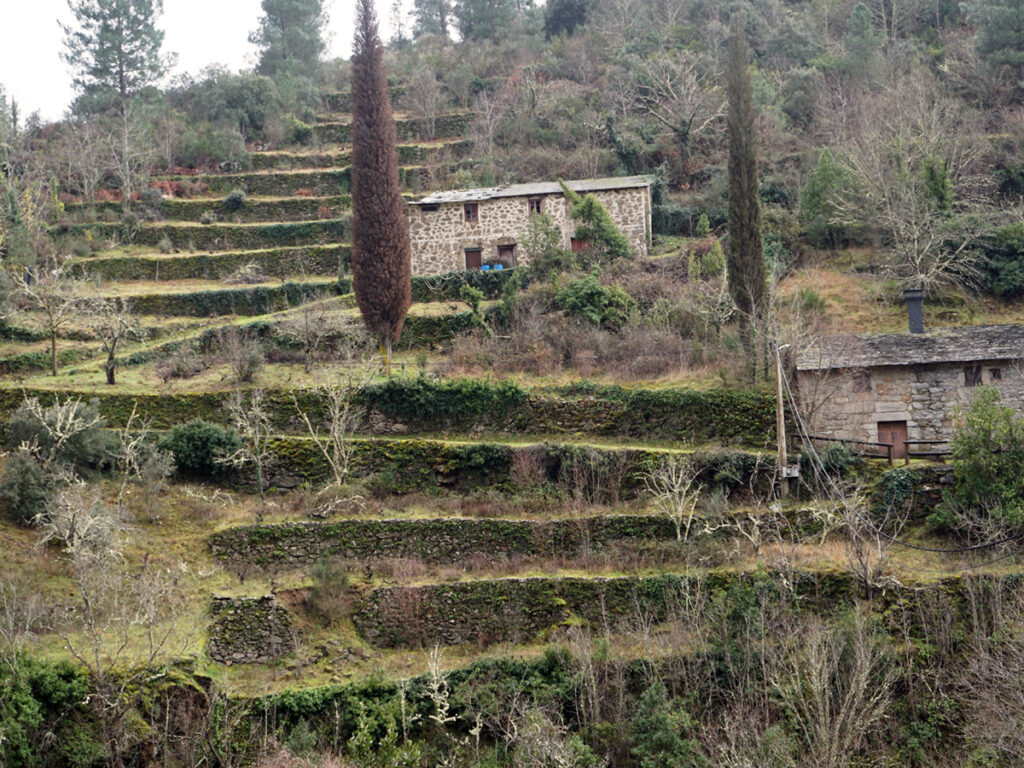
People have been growing grapes in much the same way here for centuries. The landscape makes farming extremely difficult, as the grade is so steep and the terraces so narrow that mechanization is impossible. All the work in the vineyards, from pruning to harvest, is done by hand.
The Chantada and Ribeiras do Miño sub-zones are located along the Miño River and are characterized by a wet, Atlantic-influenced climate, with granitic soils.On the Sil River, Amandi and Ribeiras do Sil mark the transition from granite into slate, as well as from an Atlantic climate to one with Mediterranean and continental influences. This is especially marked in Quiroga-Bibei, the easternmost sub-zone which lies along the natural border with the Valdeorras denomination and is partly named for the Bibei River. This area tends toward a Mediterranean subhumid climate and has the greatest temperature differences between night and day.
Subregions
Valdeorras
Valdeorras is located in the extreme east of Galicia, bordering Bierzo in Castilla y León. Inhabited since pre-history, settlements in this area expanded with the arrival of the Romans who came in search of metals and ore. They founded mines within the territory and used water to bore tunnels through the mountainous terrain. During their time in the region, they built new towns, fortresses and trade routes and began planting grapes on the hillsides.
A common myth is that the region’s name means “Valley of Gold”, stemming from the Romans’ search for the precious metal. In reality, the Romans called the region Vallis Gigurrorum after its native Gigurri people. After the fall of the Roman Empire, its name evolved, eventually becoming “Val de Iorres” and finally “Valdeorras”.
After phylloxera, many growers planted high-yielding palomino and garnacha tintorera, which were valued for their high yields, and native grapes such as godello, brancellao, or sousón fell into disuse. It was during this period that Denominación de Origen Valdeorras was founded in 1945. Later, in the 1970s, the regional Agricultural Extension program recovered godello, which has since become the most widely planted grape.
There are several different viticultural areas or zones within Valdeorras, with the predominant ones sitting in the Sil River valley, between the towns of O Barco and A Rúa. The other important growing area covers the higher elevations surrounding the town of O Bolo, in the south. The soils tend to vary from slate in the O Barco-A Rúa area to granite in the O Bolo area. The best vineyards are those located above the rivers, since these benefit from a cooler climate.
Distilled Spirits
Orujo de Galicia
Just as many other regions and cultures of the world are closely associated with a local drink, Galicia boasts a long tradition of orujo, as pomace brandy is known in Spain. To make orujo, fully fermented grape pomace known locally as bagazo is distilled, extracting the aromatic components of the pomace while concentrating the alcohol. The process requires careful control of heat to maintain a slow, steady pace, ensuring that the desired aromas are released at the right moments.
Flavored orujos are also common: Licor de Hierbas is made by macerating traditional herbs in a base orujo, and Licor Café is made by infusing orujo with coffee.
The production and classification of all of these styles are overseen by the Indicación Xeográfica Orujo de Galicia, which requires the base alcohol to come from pomace from Galicia’s five Denominaciones de Origen. Only small-scale, traditional distillation processes are allowed.
Producers
Wines & Spirits from Riás Baixas
Do Ferreiro
Salnès Subzone
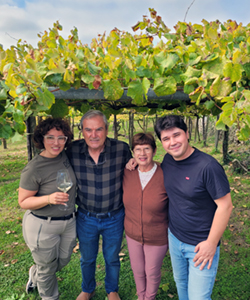
The Méndez family produce the world’s paradigmatic albariño and orujo from an array of distinct small plots and some of the world’s oldest vines.
Amizade
Salnès Subzone
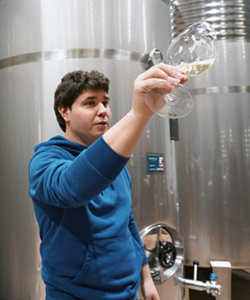
A youthful albariño project by Manu Méndez, in collaboration with grape-growing friends with diverse plots across the region.
Wines from Ribeira Sacra
Abadía da Cova
A Cova
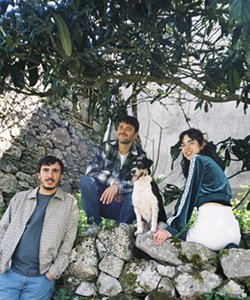
Having worked the terraced vineyards along the Miño River for over a century, this family winery stands as guardians of tradition while guiding the DO into the future.
Wines from Valdeorras
Ladeiras do Xil
Santa Cruz
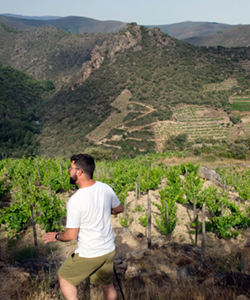
A project of Telmo Rodríguez, with local winemaker Jorge Saa, producing tiny amounts of single-vineyard wines that showcase the terroir of the Bibei Valley.