



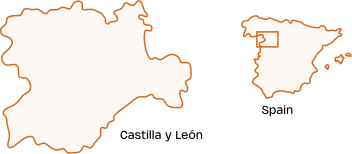
Castilla y León
Central Spain

Castilla y León stretches across Spain’s central plateau, where high elevation, wide temperature swings, and the Duero River’s influence shape both the landscape and its agricultural traditions. The region’s mix of rugged terrain and fertile riverbanks has given rise to some of Spain’s most important wine-growing areas, each defined by its own climate, soils, and long history.

Continental climate with hot, dry summers, cold winters, and sharp day-night temperature swings.
Landscape & Origins
Geography, history, and the formation of the region
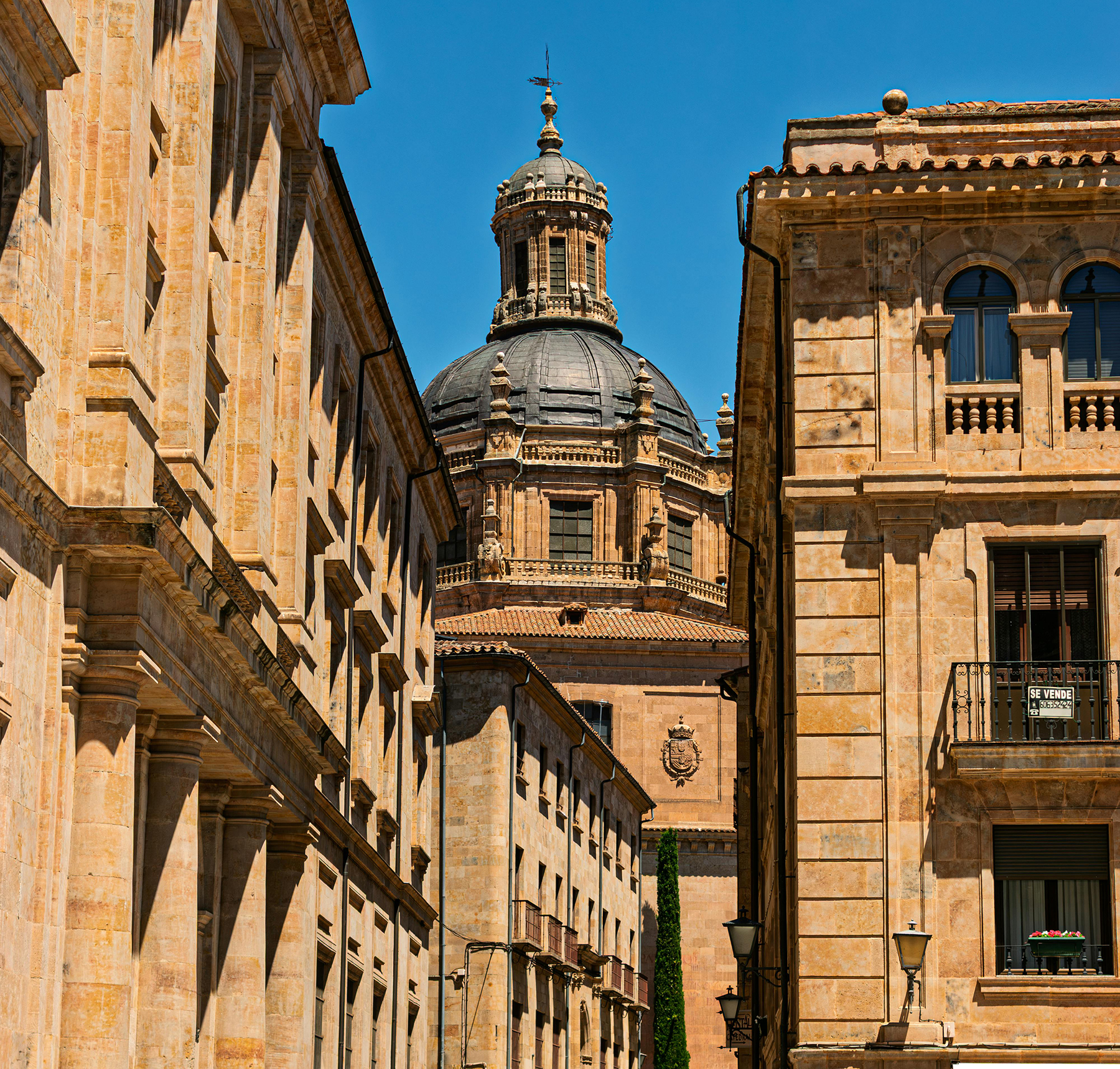
Located upon the Meseta and defined by the Duero river basin, Castilla y León is the heartland of Spain. Heavily steeped in the traditions of ancient Roman occupation, this region has been home to the origins of the Spanish language, the Reconquista, and seeds of the modern state of Spain. Throughout history, a variety of political, economic, and religious movements has seen the region torn apart and reunited in a multitude of configurations. The modern autonomous community formed in 1983 through the unification of nine municipalities from the former communities of León and Castilla la Vieja.
Climate & Agriculture
Continental conditions and the shift from cereals to grapes
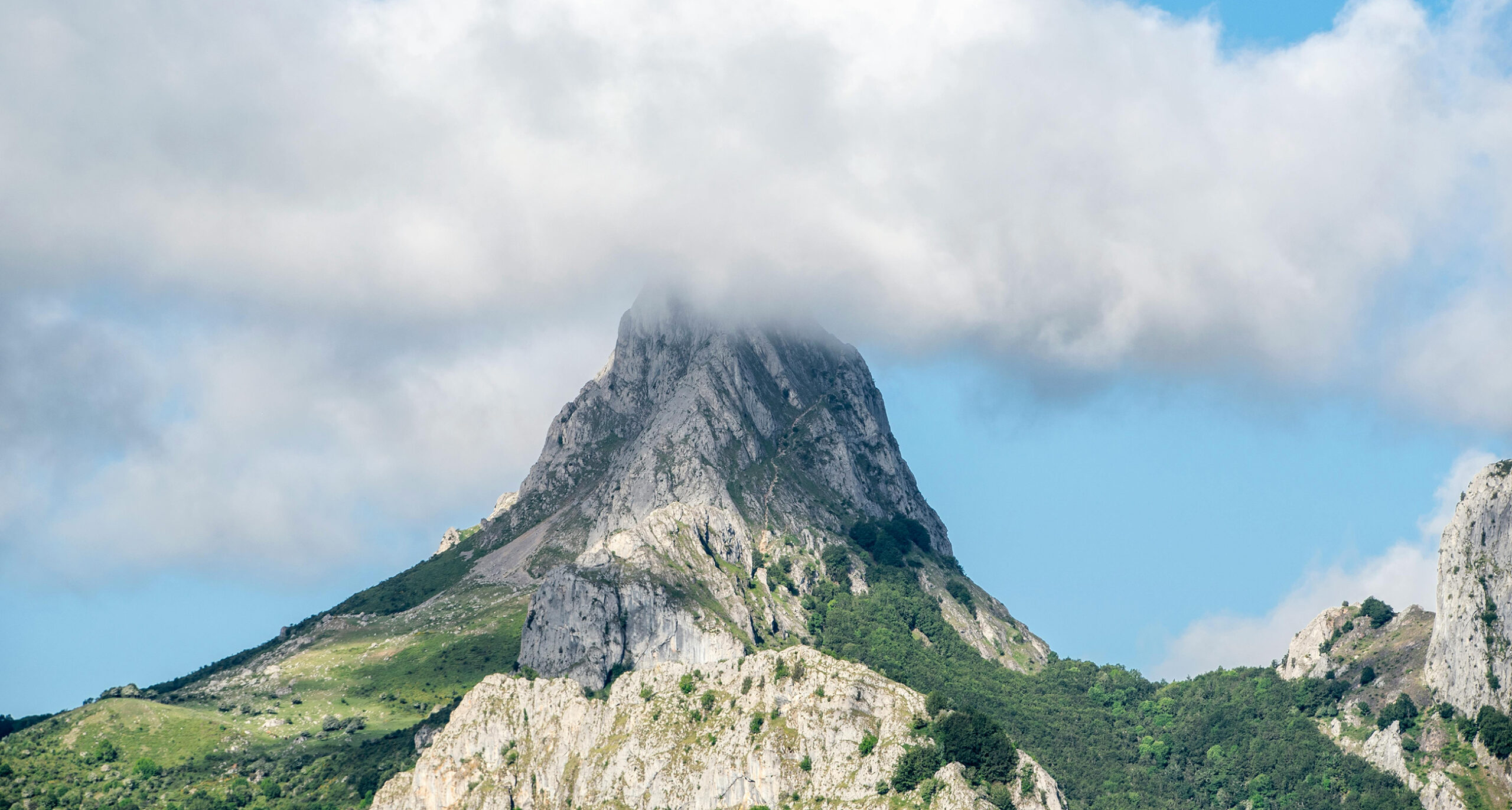
Castilla y León is a land-locked, high elevation region. Surrounded by mountains, the climate is a blend of continental and Mediterranean. Long, cold winters are contrasted by hot, dry summers. Despite the lack of rainfall, the region has abundant water supplied by the Duero river and its tributaries from the snowmelt and high rainfall of the surrounding foothills and mountains. Due to these climate conditions, the region has a strong agricultural heritage centered on cereal production in the fertile soils along the rivers.
Away from these rivers, the soils become dry and poor, ravaged by the lack of rainfall and the drastic day-night temperature shifts. These conditions are ill-suited for cereal production but ideal for local grape varietals such as tempranillo or verdejo. The region also boasts transitionary zones at its extremities where more rugged landscapes and higher rainfall provide conditions for lush vegetation. Such regions, like Bierzo, provide conditions more ideal to other varietals such as mencía and godello.
High Plateau
Ribera del Duero
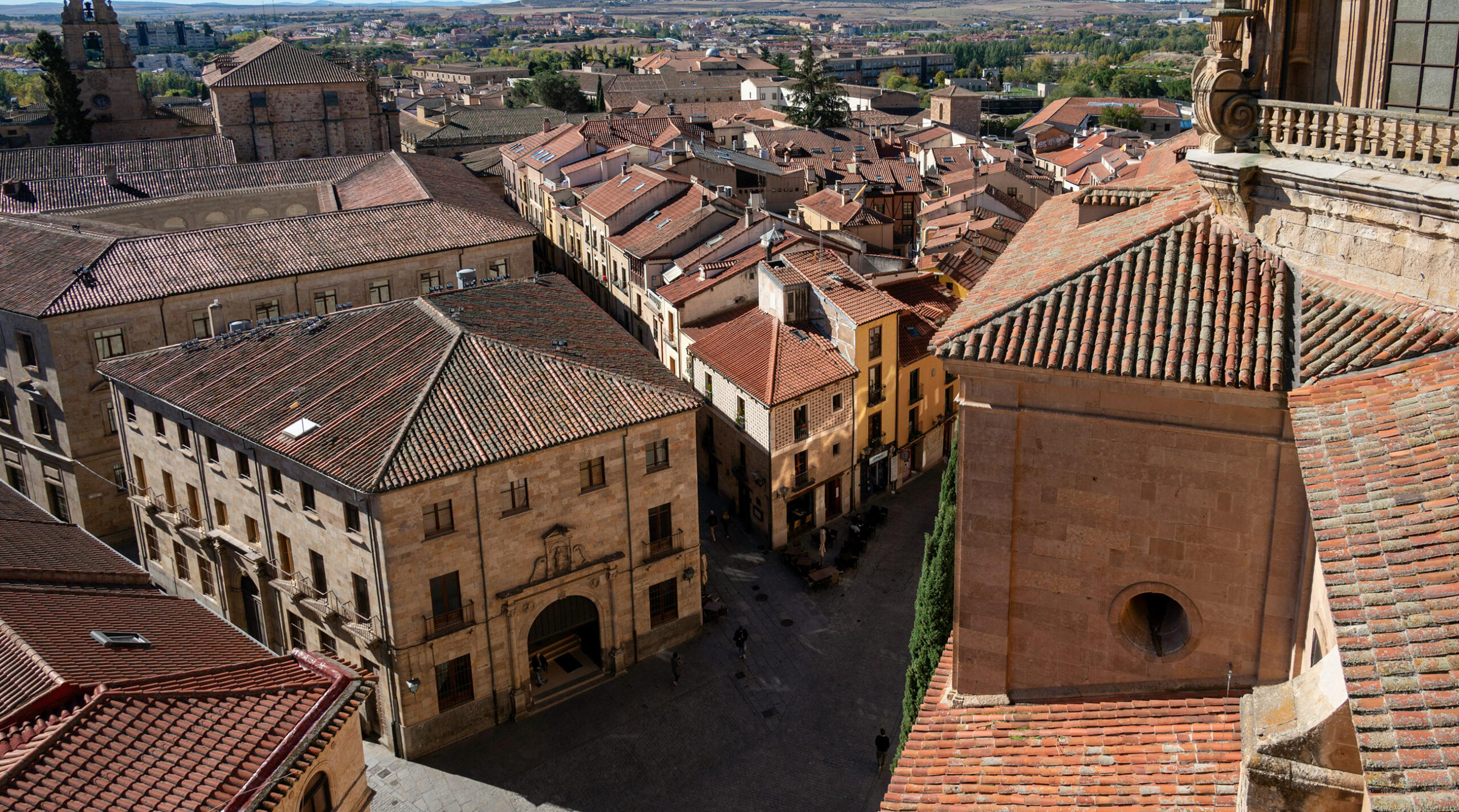
Ribera del Duero sits on a plateau at over 800m elevation. With great fluctuation between day and night temperatures in the region, Tempranillo flourishes here and is able to express its true character. The area is not without its dangers; though the abundance of hail and the cold temperature resulting from its northern location mean that Tempranillo can have a hard time ripening in harsher years.
Ribera del Duero as a denomination of origin is defined by four towns. Valladolid marks the western boundary. The river Duero influences many of the vineyards here with its alluvial soils bearing chalk and limestone elements. The wines from this region tend to be softer and less powerful. Defining the northern boundary of the denomination is the town of Burgos and to the south is the town of Aranda del Duero. Traveling north from Aranda, one finds very high elevation vineyards with poor soils composed of limestone, clay and gravel. This area is known for powerful and muscular red wines. The far eastern border is defined by the town of Soria. Here the vineyards are few, with some on sandy soils that are thought to be pre-phylloxera.
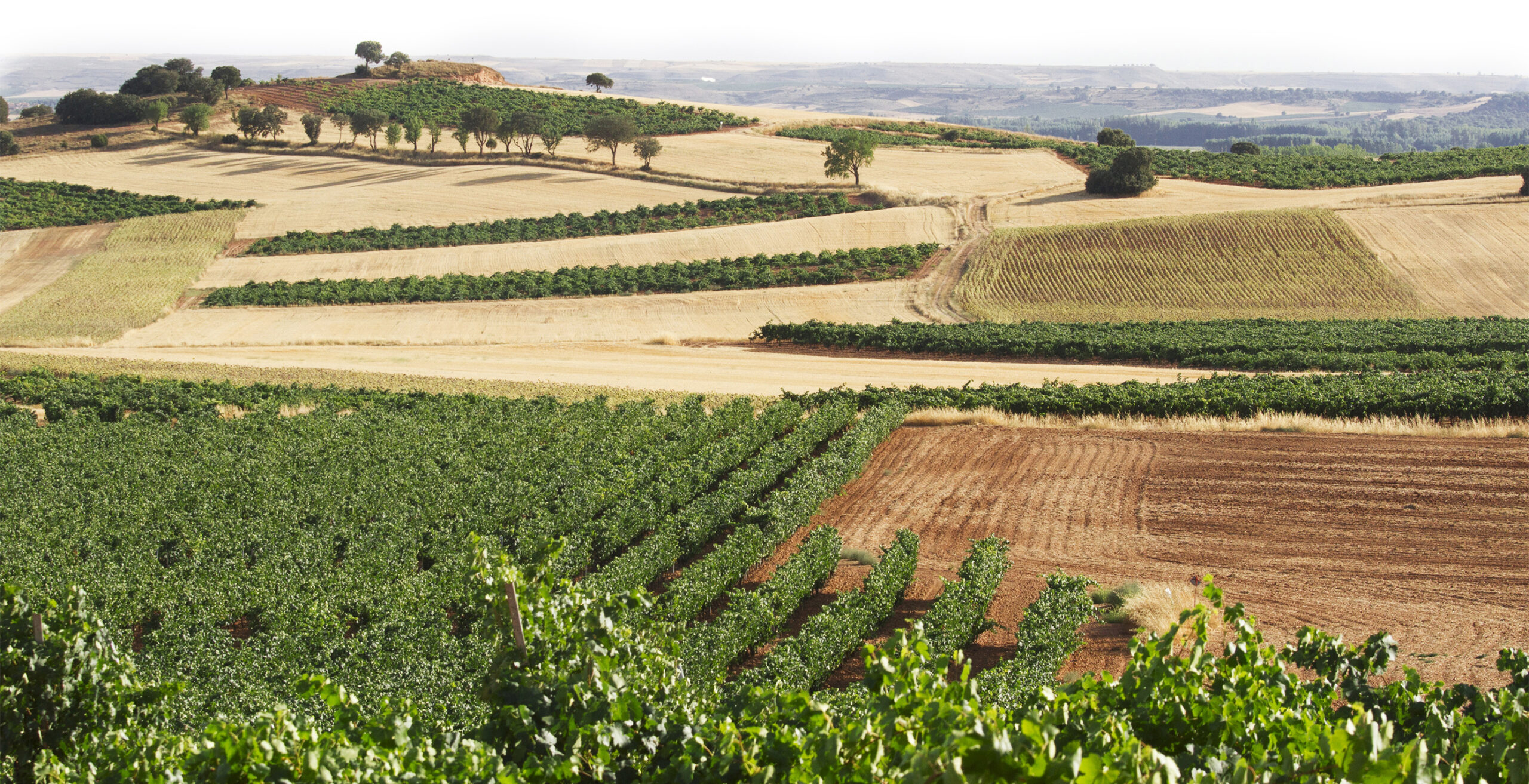
Verdejo’s historic home for bright, fresh wines
Rueda
The retreating Moors used a scorched earth policy that left the area south and east of Valladolid devastated for a hundred years. Homesteading farmers and monastic orders in the eleventh century began replanting the area, and one of their chosen cultivars was the grape verdejo. Trying to emulate the success of Sherry, the grape was allowed to oxidize, and came to define the style of wine from the area.
By the end of the eighteenth century the fancy for these wines died out. During the mid-twentieth century the Marqués de Riscal, with his mentor Emile Peynard of Bordeaux, decided on Rueda as the place to produce a fresh and fruity wine for export. In 1972 he established a bodega to produce a dynamic and unoxidized verdejo wine—the style that proliferates today.
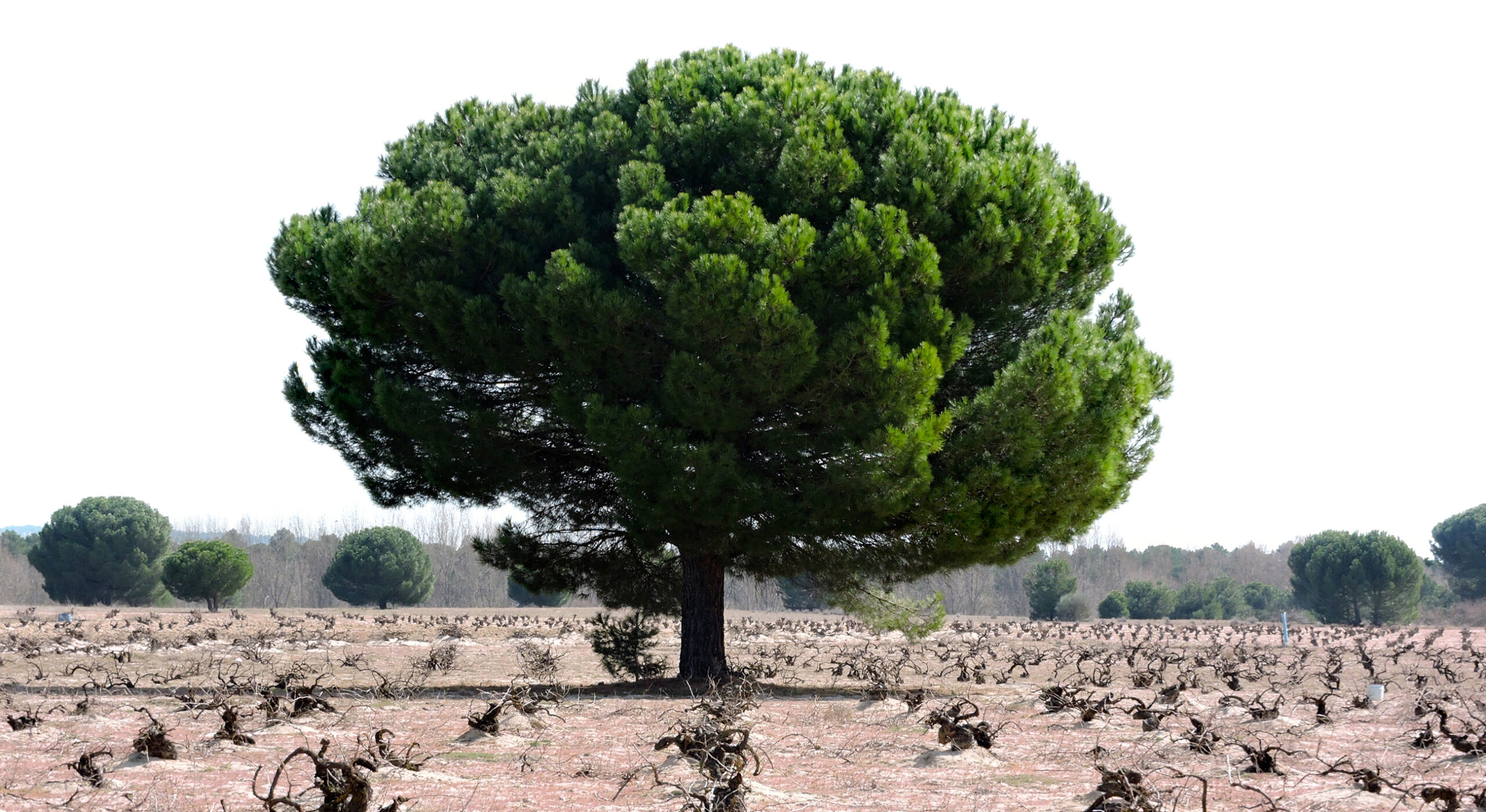
Mountain-grown Garnacha from rugged, varied terrain
Sierra de Gredos
Sierra de Gredos is the mountainous region located on the continental divide of Spain. It is a transitional zone where Northern Spain gives way to Southern Spain. This mountainous area is located about an hour and a half due west of Madrid and is split between three provinces: Madrid, Ávila, and Toledo. It also belongs to three autonomous political units: Madrid, Castilla y León, and Castilla-La Mancha and, therefore, three political, rather than geographical, appellations known as Vinos de Madrid, Vino de la Tierra Castilla y León, and Méntrida. Due to this confusion, which is irrelevant to consumers, most producers have gone their own way with labeling: focussing on their own brand identity instead of a regional approach.
Within the Sierra de Gredos umbrella, significant village names are often listed, such as Cebreros (unique for having red slate), Navarrevisca, Navatalgordo, Cadalso de los Vidrios, and San Martín de Valdeiglesias.
The wines from the Sierra de Gredos mountains to the west of Madrid (aka Vinos de Madrid) have finally begun to claim their rightful place alongside other top wine regions focussed on producing world-class garnacha. For many insiders, the region is now considered to be leading the conversation concerning the potential of this Mediterranean grape, now understood to be indigenous to Spain.
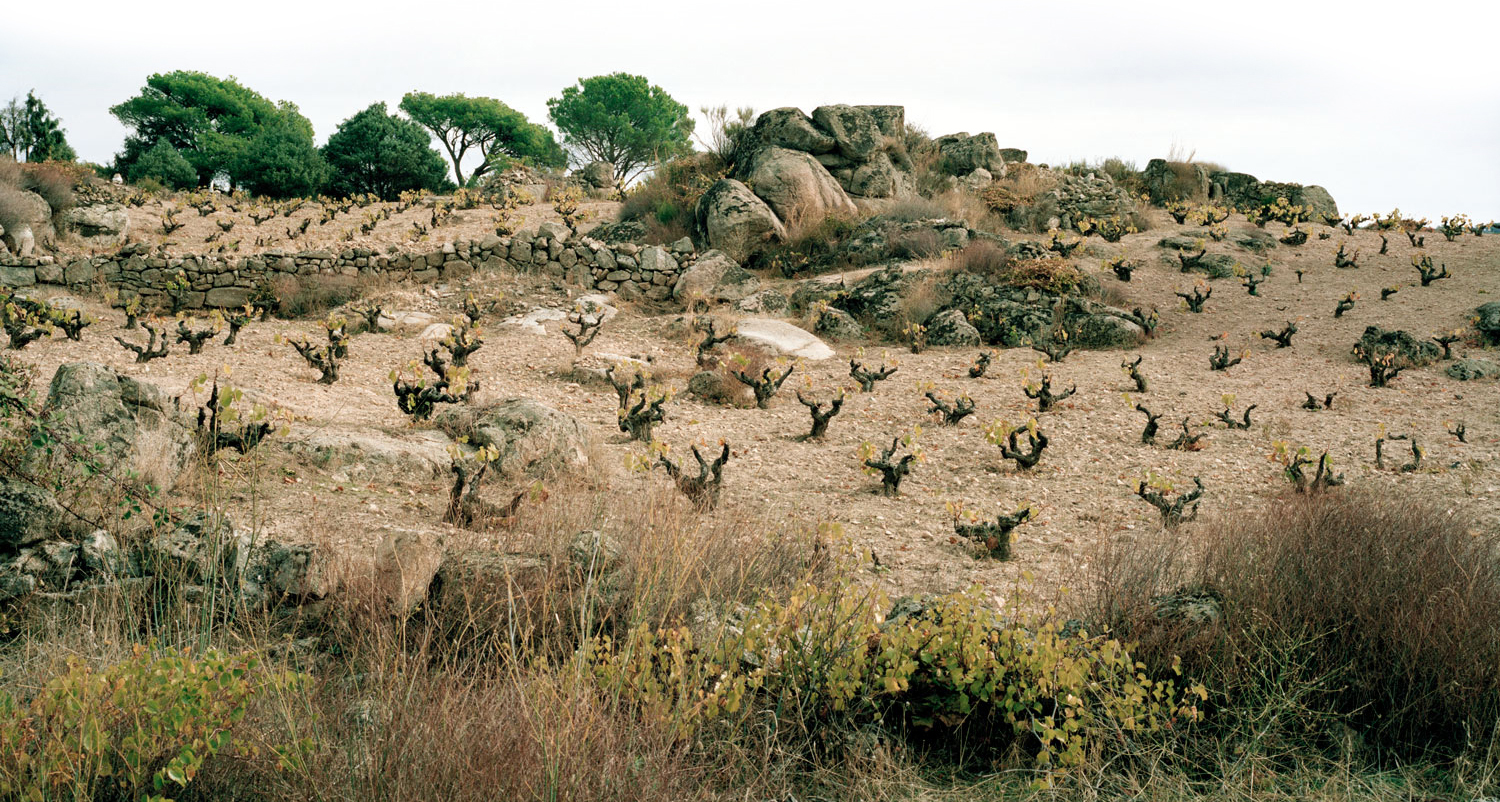
Producers
Wines from Ribera del Duero
Viña Sastre
Ribera del Duero, Castilla y León
Iconic, family-owned Ribera del Duero estate in La Horra crafting powerful, terroir-focused reds from old Tinto Fino vines.
Wines from Rueda
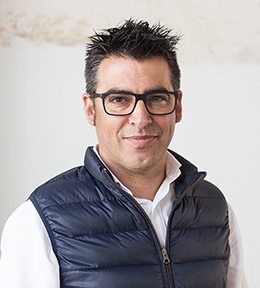
Garciarévalo
Rueda, Castilla y León
Family-run winery in Rueda known for old-vine Verdejo and expressive, site-driven whites from estate vineyards.
Wines from Sierra de Gredos
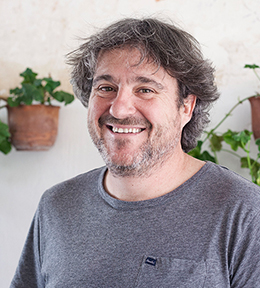
Pegaso
Cebreros, Sierra de Gredos, Castilla y León
Sierra de Gredos project rescuing high-altitude bush-trained Garnacha on slate and granite soils with an organic, place-forward ethos.