Garciarévalo
Rueda | Castilla y León

Garciarévalo are old-vine verdejo specialists, making wine from old vines planted at high elevations in a unique, forested microclimate.
Introducing the Estate
Pushing the Envelope
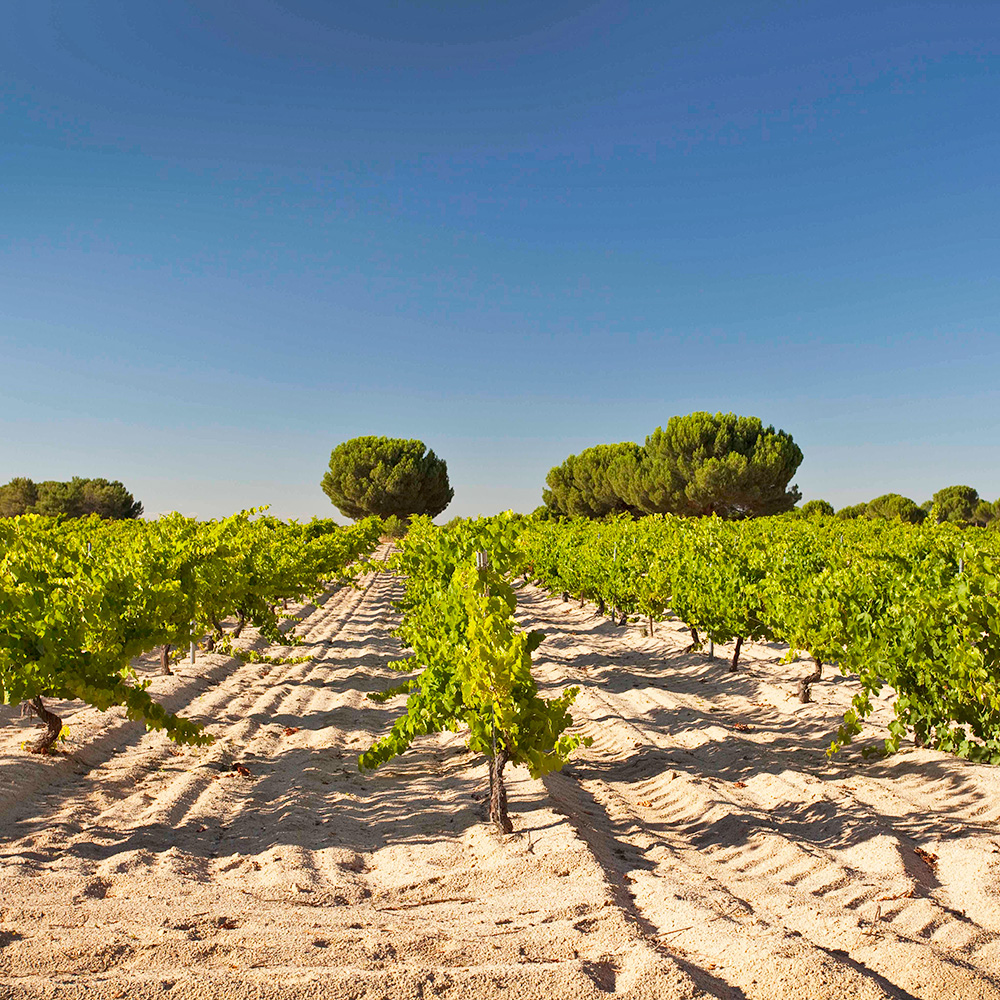
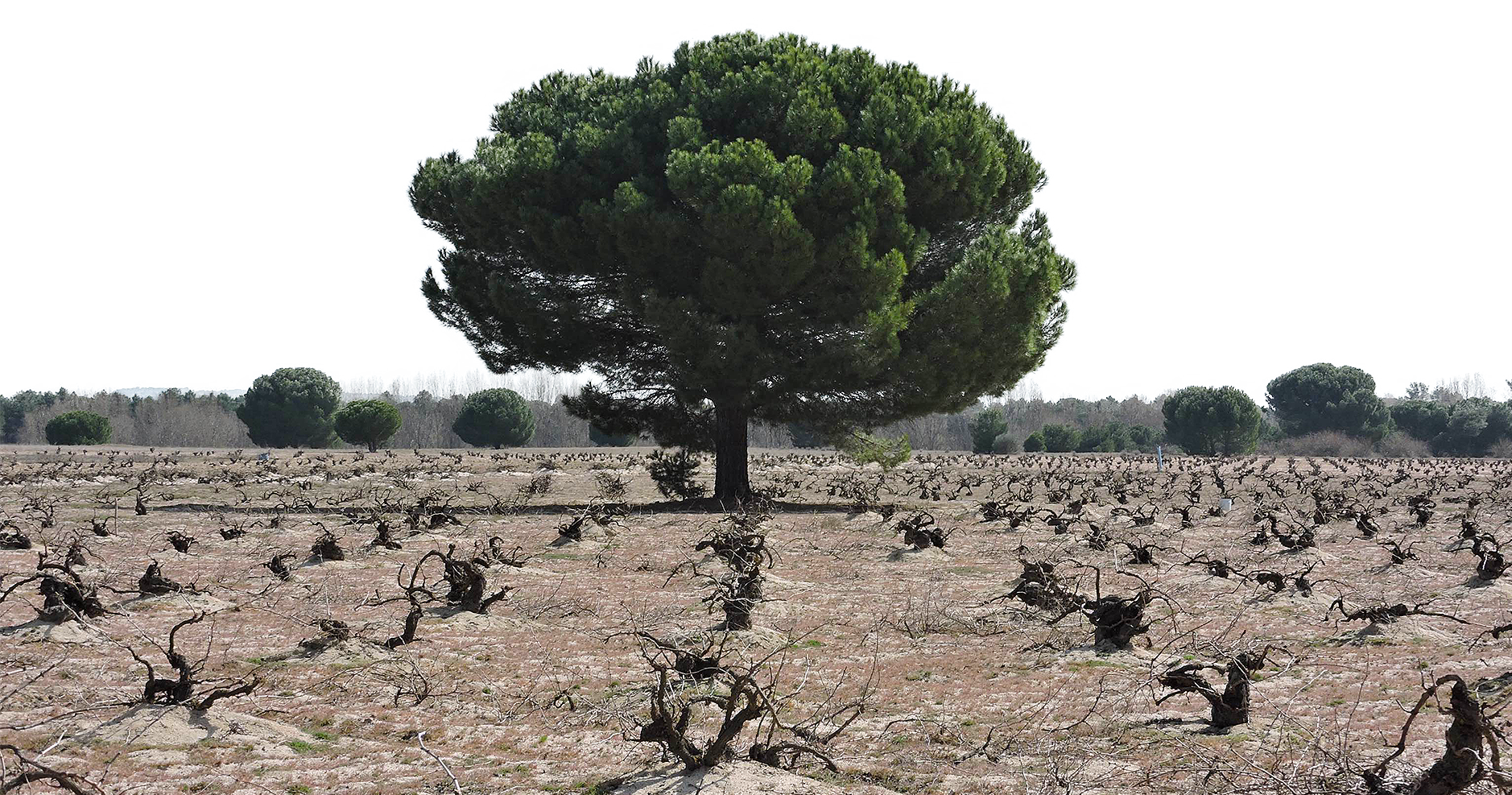
While many newcomers to Rueda have planted the trendy sauvignon blanc, Garciarévalo has always protected and exalted their indigenous verdejo variety. They specialize in old-vine verdejo planted in the traditional bush-vine system, and their estate vineyards consist primarily of vines over 100 years old, including a plot of pre-phylloxera verdejo vines over 130 years old.
History & Origins
Family Origins in Humble Matapozuelos
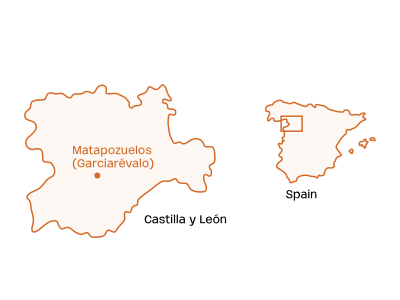
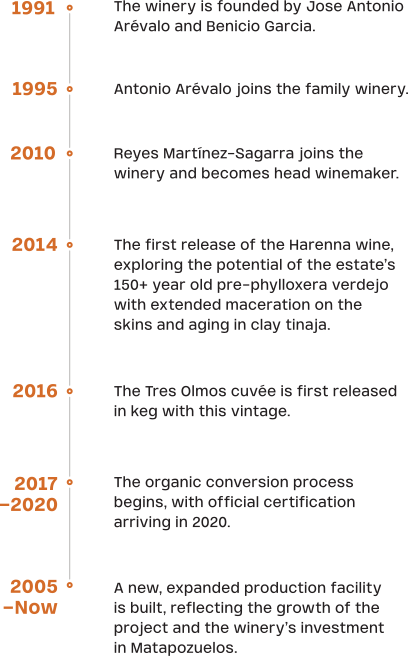
Garciarévalo (“Garcia and Arévalo”) was founded in 1991 by Jose Antonio Arévalo and Benicio Garcia, who understood they had something extraordinary. Their centenary vineyards of indigenous verdejo in the town of Matapozuelos, in the heart of the Rueda wine appellation, had always been famous for giving the best grapes.
The Vision Behind Garciarévalo
New Generations, New Know-how
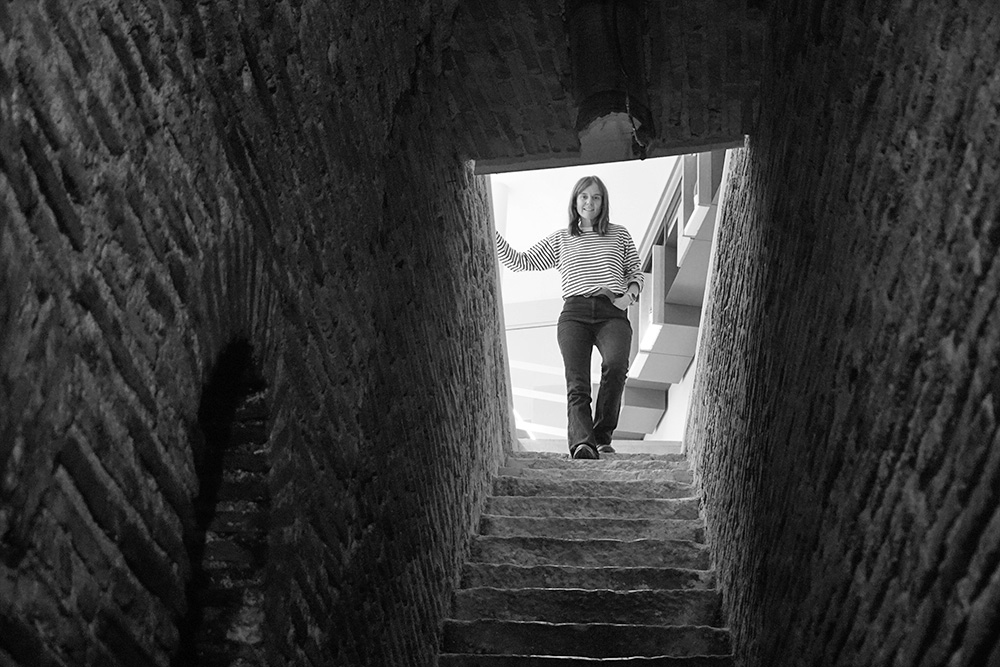
The current generation is a young, vibrant team led by Antonio and Manuela Arévalo, with Reyes Martínez-Sagarra as winemaker and Enrique and Rodrigo Arévalo in charge of viticulture and vineyard management. Garciarévalo is truly a tight-knit, family winery producing some of the most vibrant white wines in Spain while breathing economic life into their small village of one thousand inhabitants. Antonio Arévalo originally studied economics, as his parents encouraged him to work in anything other than rural agriculture. Yet, like his parents, he too felt the deep commitment to his family village and connection to the historic vineyards, joining the family winery in 1995.
Process & Philosophy
Letting the Vines Speak
Garciarévalo farms vineyards around the village of Matapozuelos, with sandy, poor soils. Far from the arid conditions one expects in Castilla y León, their elevation at 730 meters ASL provides an ideal microclimate for producing beautiful, fresh verdejo.
Vines on these soils produce very concentrated grapes, with a perfect balance between alcohol content and acidity. Their location at the confluence of the Adaja and Eresma rivers creates an exceptional microclimate characterized by temperatures that are 3 to 4 degrees lower than the rest of the area, resulting in a significant diurnal shift. These factors allow their wines to be ripe, yet incredibly fresh, with exceptional acidity for the warm Rueda region. It has also aided them in their conversion to completely organic viticulture. As one depends on the other, their organic farming has enabled them to encourage their native yeast colonies in the vineyard, with the goal of adding complexity to their fermentations.
Another factor in the high quality of Garciarévalo’s wines is the clonal diversity of their old bush-trained vines. The leaves on the old clones are much smaller, and the bunches are tighter and more compact, with a distinctly darker green color than modern clones. The old, pre-industrial verdejo has thicker skins, which yields wines of character and quality. They only use these ancestral clones when replanting new vineyards. Garciarévalo continues to improve with each vintage and leads the Rueda region in a fresh, qualitative direction. Most of all, Garciarévalo is making wines of substance that make people happy, which is the greatest praise one can give a wine.
Products
Wine
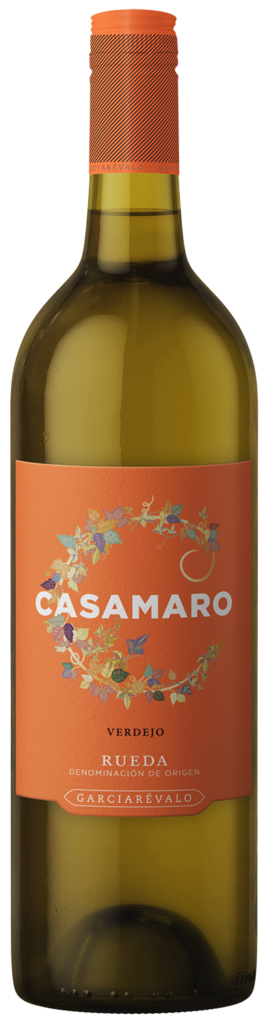
Garciarévalo ‘Casamaro’ Verdejo 2025
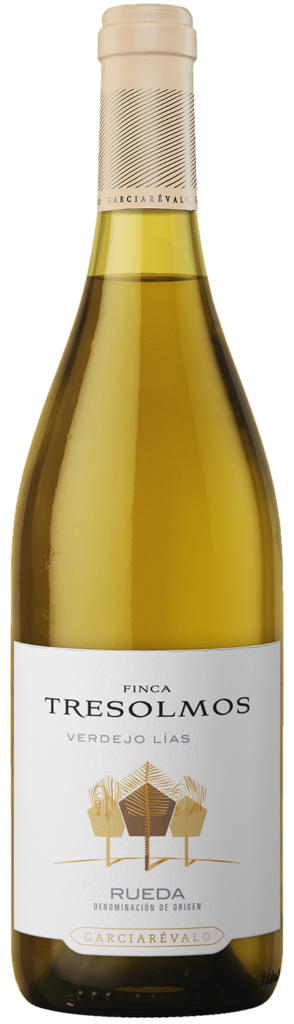
Garciarévalo ‘Tresolmos’ Verdejo Lías 2025
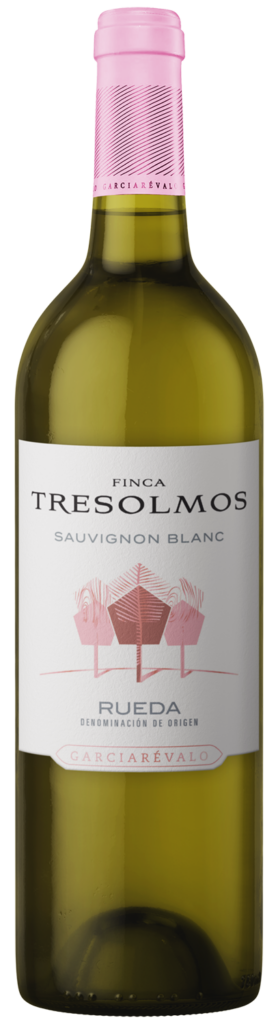
Garciarévalo ‘Tresolmos’ Sauvignon Blanc 2025