



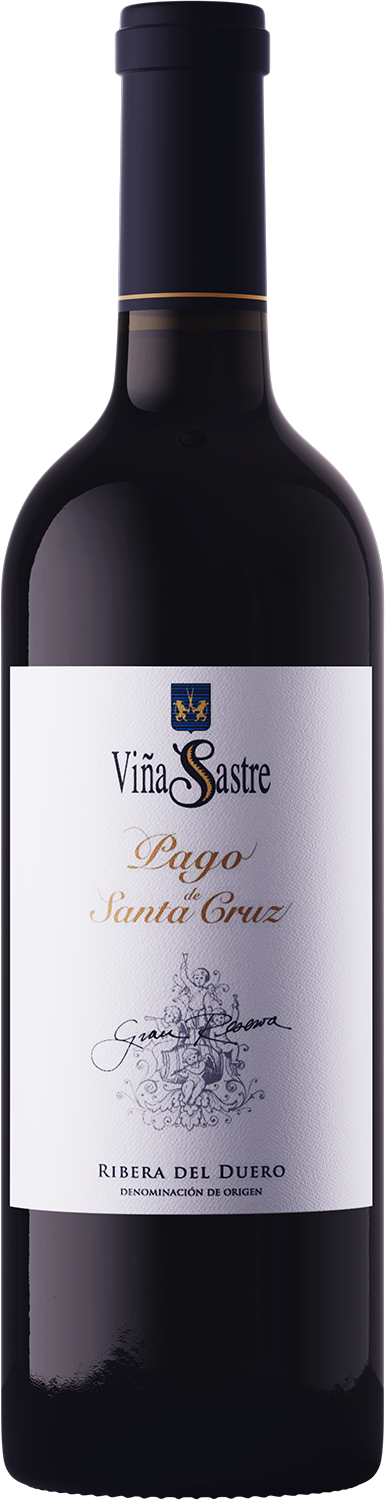
Viña Sastre is an iconic, family-run winery located in the heart of the Ribera del Duero, near Burgos in the town of La Horra, one of the most respected villages in the D.O. La Horra is famous for making the powerful, distinctively structured reds from old-vine tempranillo, grown near the Duero river. Jesús Sastre is a farmer and winemaker producing some of Spain’s most compelling, honest, and collectible wines. He is committed to organic farming and biodynamic principles, making the wines naturally in the vineyard, and after long aging in barrel, bottling without fining or filtration.
Sastre’s wines are classic Ribera del Duero style, with one foot solidly planted in the tradition and vineyards of the region and the other firmly in world-class winemaking. These are big, powerful reds with lots of fruit, but they also have elevated freshness from their naturally high acidity and long, gently textured palates. Jesús Sastre walks the tightrope with his wines, where the drinker can have everything in one wine, and at the end of it, all one is left wondering is how he is able to pack such an adventure into each bottle. He manages to achieve a level of sophistication and complexity unequaled by almost any other producer in Ribera del Duero.
Viña Sastre’s premier vineyard is the Pago de Santa Cruz, one of the most famous grand cru vineyards in Ribera del Duero. With vineyards sitting at 840 meters elevation, this incredibly ageable wine is produced from bush-trained tempranillo vines in excess of 80 years old, planted in deep calcareous soil. Sastre Gran Reserva is aged at least one year beyond the five required, being released with a minimum of six years of aging. This dedication to quality and a style of wine that is almost extinct is another defining characteristic of the exceptional vision of Jesús Sastre. An average of 500 cases are produced in only the best years, and it is one of the great wines of Spain for extended cellar aging.
Vinification
Whole clusters are selected in the vineyard and placed in small crates. After a gentle destemming and crushing, the must is spontaneously fermented with indigenous yeasts in stainless steel tanks. The wine is then moved into one-to-three-year-old oak (65% French and 35% American) barrels ranging in size from 225L to 1000L and aged for 30 months. It’s then held in bottle at the winery until deemed ready to release, usually after around another 30 months.
Region
Castilla y León
Appellation
Ribera del Duero
Sites
Pago de Santa Cruz
Village
La Horra
Elevation
840m
Grapes
Tempranillo
Vine Age
Vines planted in 1946
Soil
Clay calcareous
Fermentation
Fermented with indigenous yeast in stainless steel
Aging
30 months in one- to three-year-old French and American oak barrels, 30 months in bottle
Farming
Practicing Organic, Practicing Biodynamic
Vegan
Yes
ABV
14.5%
Pack Size
6x750mL / 6×1.5L