Tenryohai Brewery
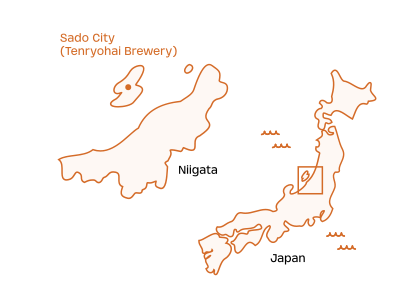
Niigata | Japan

This cutting-edge brewery on Sado Island is leading the “New Niigata Tanrei” revolution. Toji (master brewer) Senichi Kato makes low-ABV sakes with crystalline purity and crisp freshness.
Introducing the Producer
Modern Precision on Sado Island
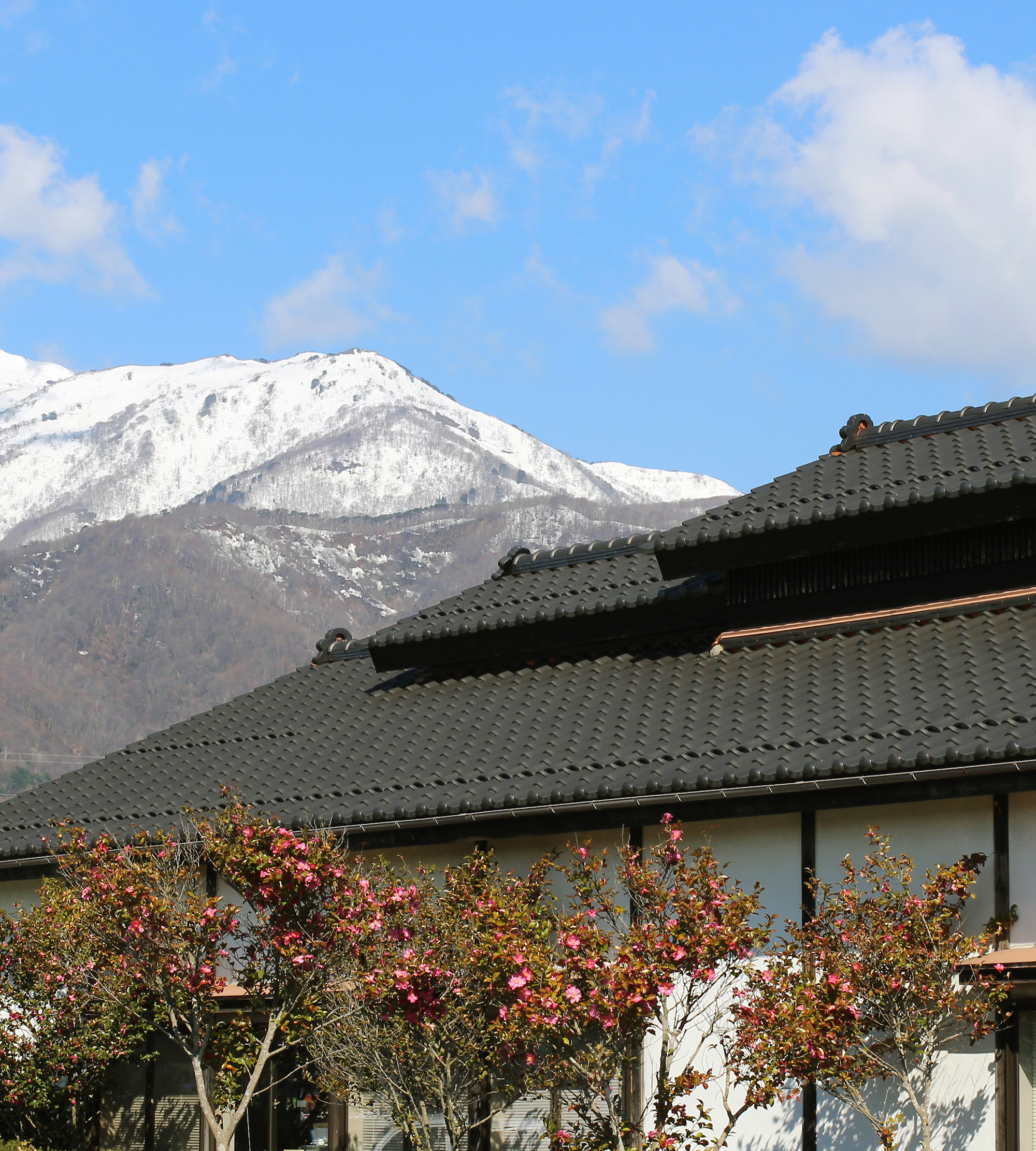
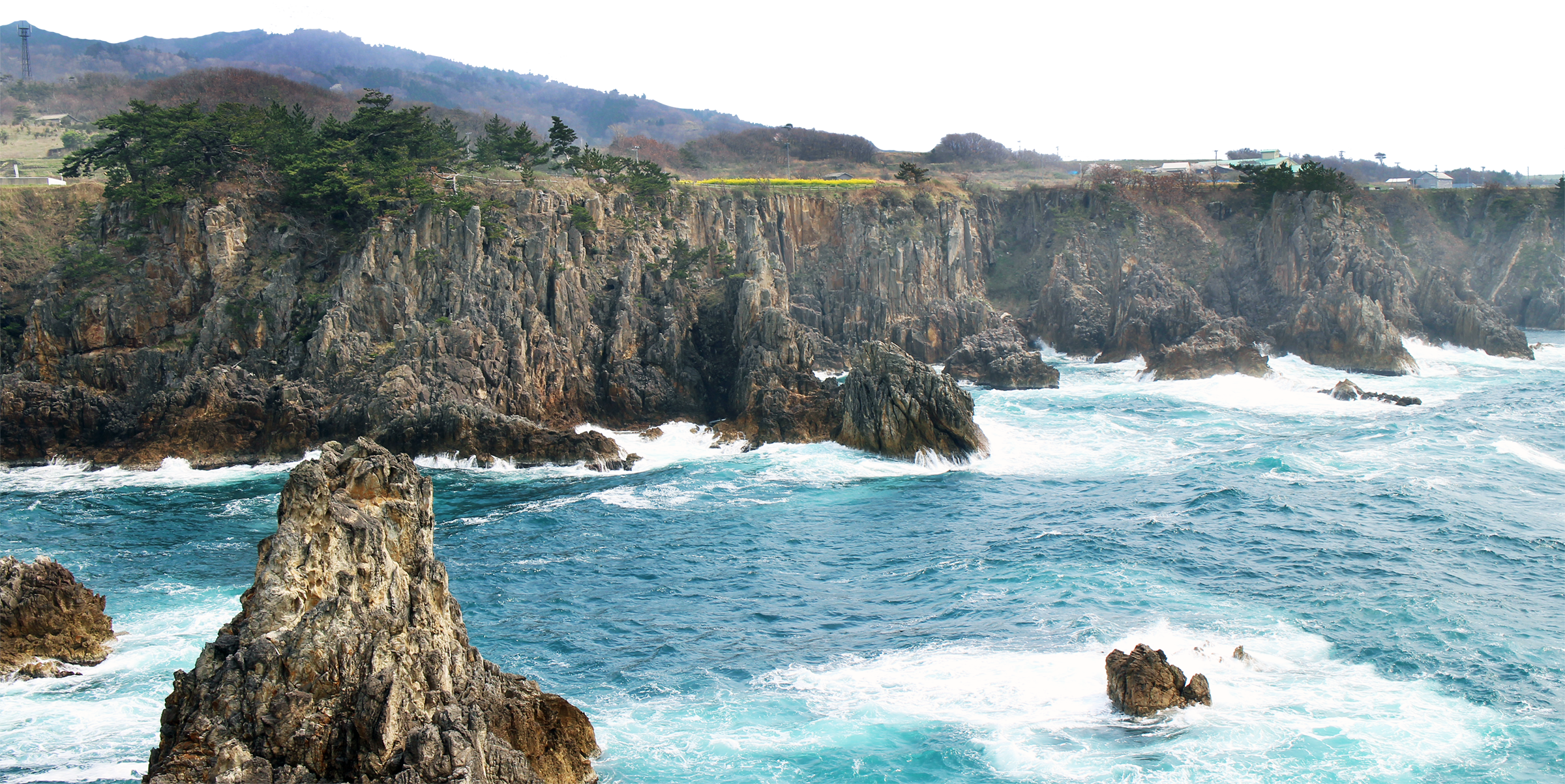
Tenryohai is one of only five active breweries on Sado Island, located off the coast of Niigata Prefecture. Under the visionary leadership of Senichi Kato, the brewery has emerged as a beacon of modern sake innovation. By combining Sado’s unique island water, rice, and history with revolutionary brewing techniques, Tenryohai creates naturally low-alcohol genshu sakes defined by clarity, elegant weight, and crisp freshness.
History & Origins
From the Brink of Extinction to Island Pride
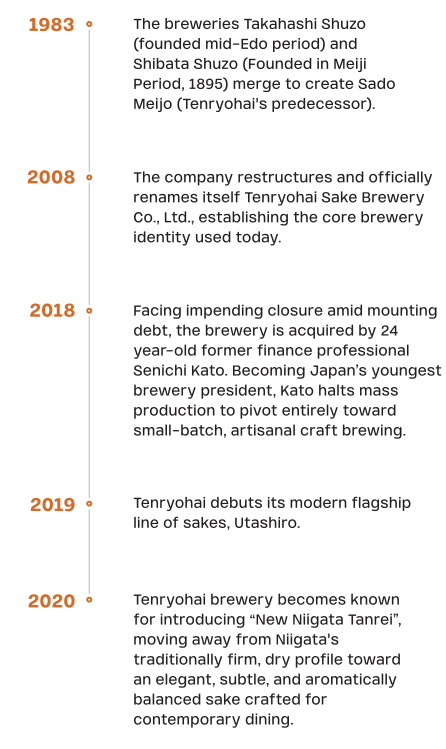
Originally formed as a joint project called Sado Meijo between two historic island breweries, the brewery was renamed Tenryohai in 2008. Although at one point it won awards for its sake, Tenryohai began to see a qualitative decline. When 24 year-old Kato Senichi acquired Tenryohai in 2018, years of focusing on basic, generic sake had sent the brewery into a dire slump, and it was on the verge of closure.

Today, it’s the pride of an island that takes sake very seriously. Once he had righted the ship after an intensely challenging initial period, Kato gradually remade Tenryohai one step at a time, bringing it into its modern state. Today, he pursues sake of the highest quality in the New Niigata Tanrei style.
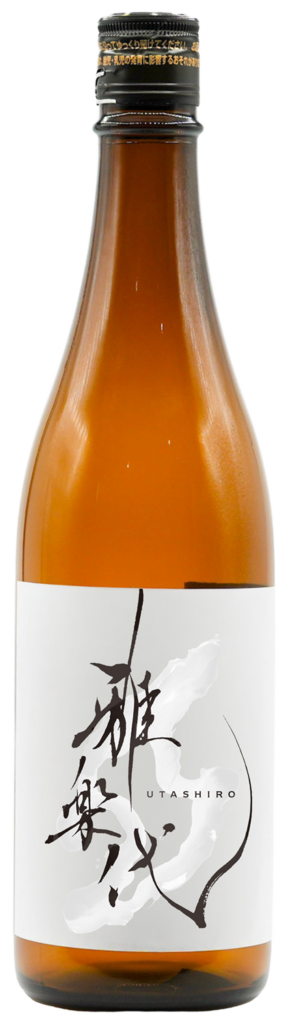
In 2019, Kato created the Utashiro line to call attention to the sharing of song and to crystallize his vision and direction of the brewery. By 2022, his renovation of the brewery was finally finished, and he could look fully into the future.
Master Brewer Bio
Toji Kato Senichi
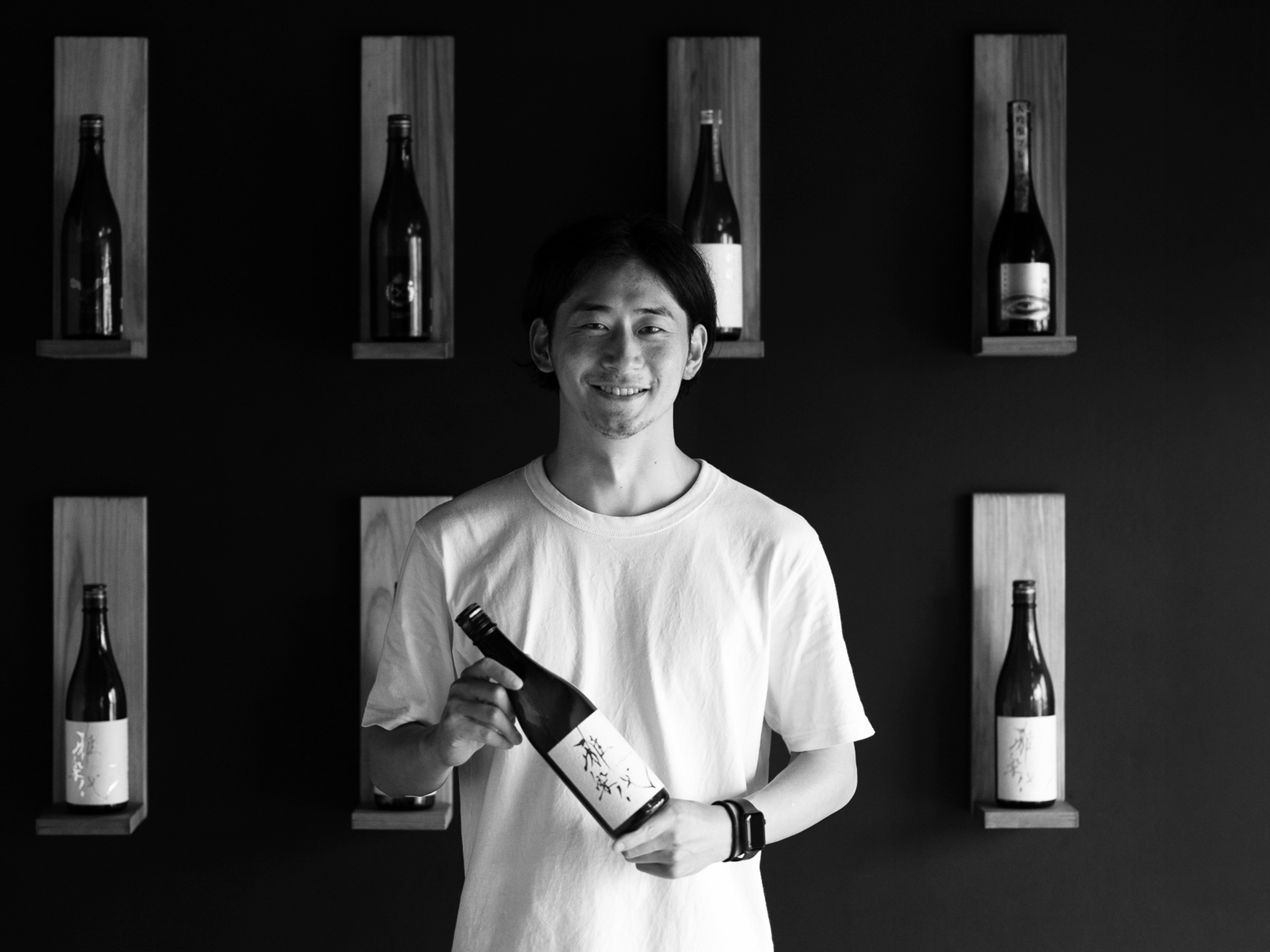
Raised in Narita, Kato Senichi grew up surrounded by entrepreneurs. While studying abroad in Switzerland and discussing origin stories, a classmate asked him about Japanese sake. The discussion revealed a gap in his knowledge that sparked a deep interest in the craft of brewing sake. Upon returning to Japan, a transformative experience drinking Sharaku Junmai Ginjo inspired him to pursue brewery ownership, and his search eventually led him to Tenryohai.
After an intense negotiation and purchase of Tenryohai at age 24, Kato was left with a broken-down facility and a hostile staff unwilling to share their knowledge. The old brewery operated using rigid systems and equipment that was hardly suitable for quality sake production.
Kato set out to learn every step of sake production from the ground up while on the job, questioning every decision and every result. Undeterred by the uncooperative staff, he operated the machinery alone at night, writing instructional notes directly on the equipment to remind himself how they worked.
In his relentless pursuit of mastery, Kato discovered innovations reserved for the curious. Most importantly to his current style, he learned to brew sake with lower alcohol, ultimately developing a vision that would see him labeled as a pioneer of the New Niigata Tanrei style.
Process & Philosophy
Precision & Patience
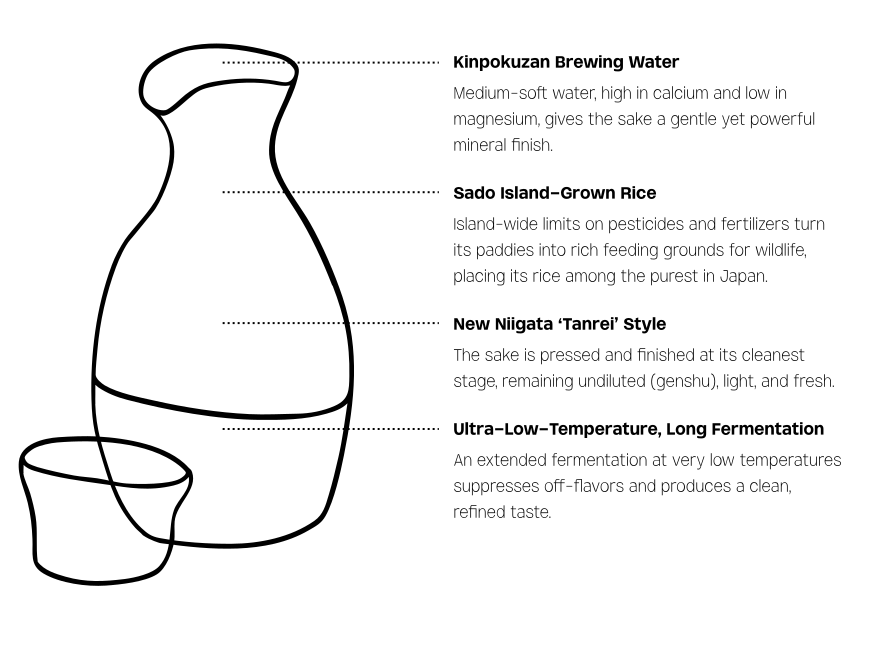
Kato’s New Niigata Tanrei style reinterprets Niigata’s traditional tanrei (light and elegant) character for today. Instead of relying on post-production adjustments, his revolutionary style leaves his sake with a refined, light profile and low alcohol right at the moment of pressing.
Although his knowledge came from intense study, the breakthrough that created this style was an accident. While standard fermentations usually take place at around 8°C, Kato pushed the boundary down to 4°C when he accidentally forgot just how low the fermentation temperature had dropped.
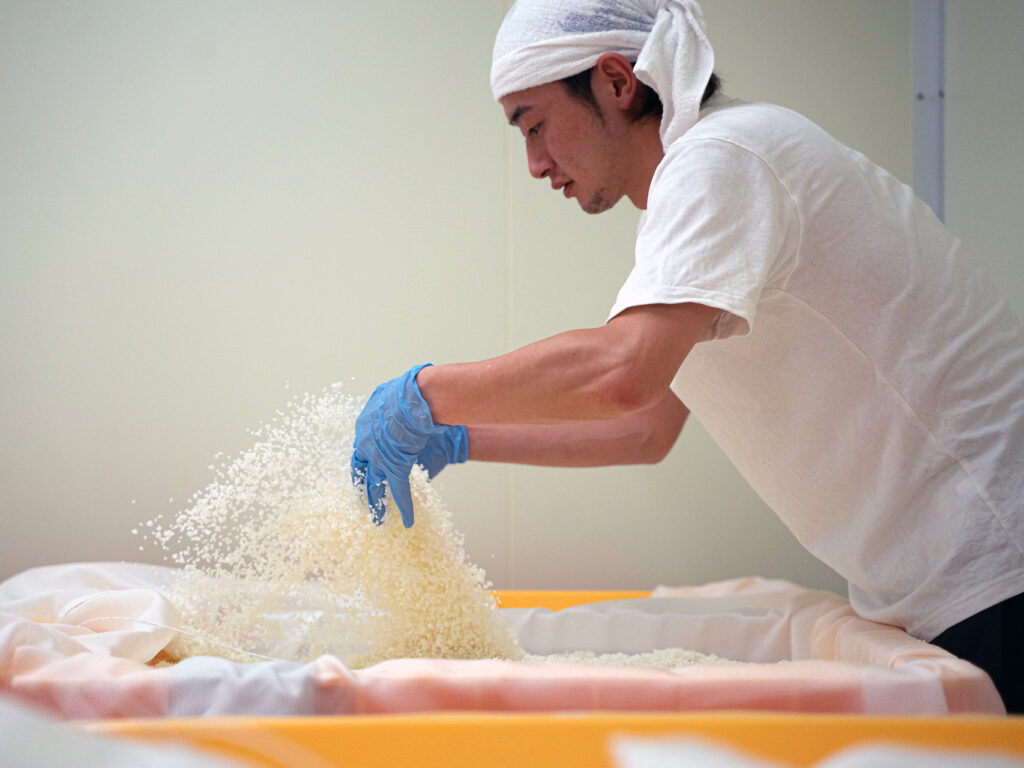
That accident resulted in his current technique, in which a low-temperature, long fermentation yields a finished sake with lower alcohol around 12.5% ABV. Brewing low-alcohol sake comes with other technical challenges: if the alcohol level drops too low or fermentation is stopped too early, there’s an increased risk the sake will develop “off” flavors.
Kato manages these risks by keeping his yeast in optimal condition through precise temperature control, final cooling or ice additions, and strategic water additions during fermentation known as oimizu.
Adding water while the yeast and enzymes are still active controls rising alcohol levels while allowing flavors to integrate seamlessly. This process is crucial because quality low-alcohol sake must be designed as an undiluted genshu style from the start. Adding water after pressing often leaves the sake tasting thin or diluted.
Through these techniques, Kato organizes his flavor ideas around three distinct taste (kuchi) profiles: karakuchi (dry), umakuchi, and amaikuchi (amai meaning sweet, kara meaning dry).
Tenryohai Brewery
Sake-Making Process
Data Points
Tenryohai at a Glance
● Founded in 2008 on Sado Island, Niigata Prefecture
● Toji: Kato Senichi
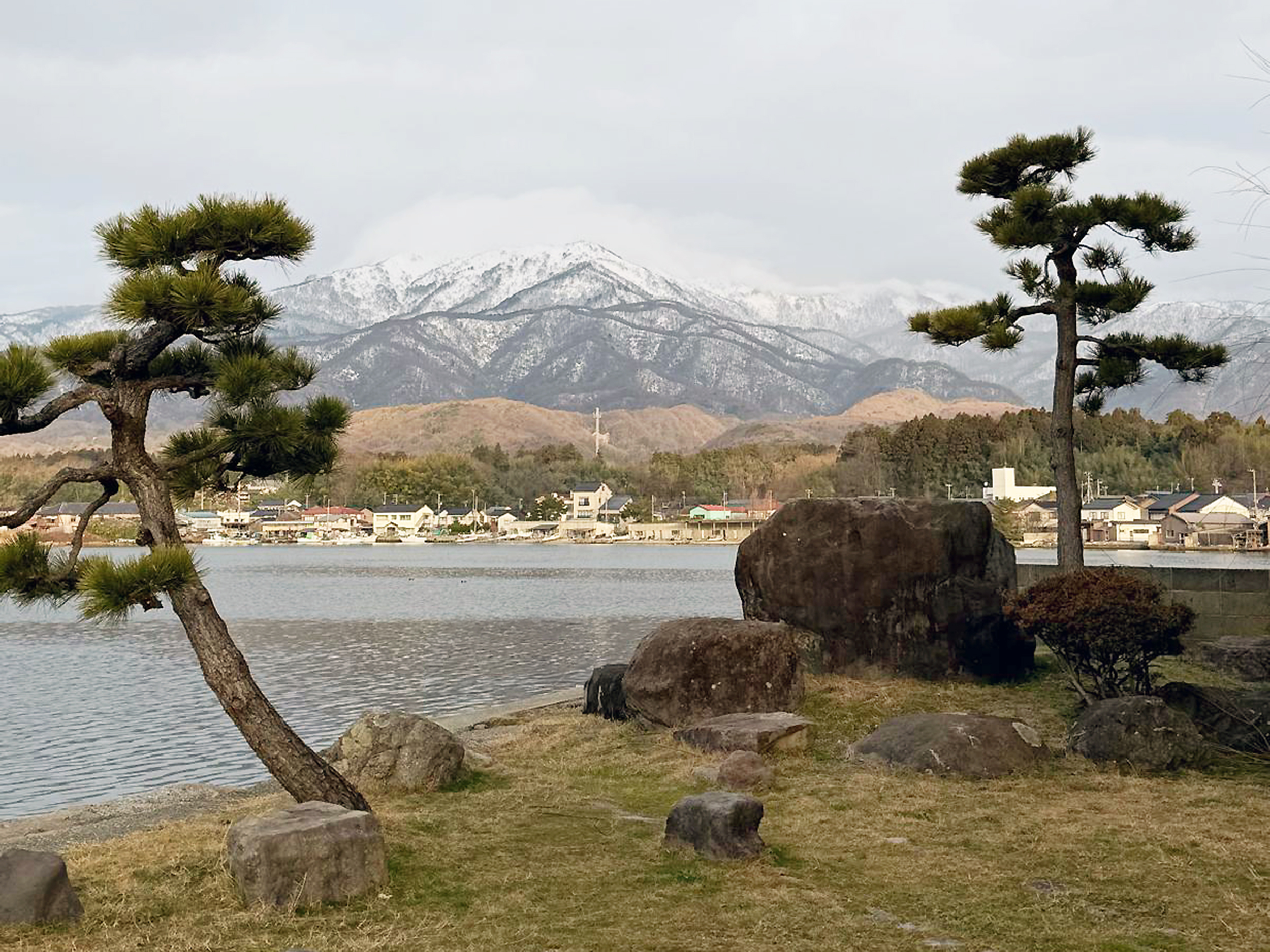
● Water: Snowmelt filtered through limestone and volcanic soils of Mt. Kinpoku
● Rice: All Sado Island-grown
● Koji: Byakuya/Hikami Ginjo blended, super so-haze
● Moto: Ko-on Toka – a technique developed in 1940 (and refined post-war) by Nakao Kiyomaro at the Nakao Shuzo brewery in Hiroshima. It is faster (one week as opposed to 2-4), occurs at a a higher temp, and known to make crisp, clean sake.
● Yeast: TR8, Original (TRH01), G74
● Yabuta Press
● Roka: Super Fine filter
● Binkan hiire: Pasteurized once in bottle, six different exacting and brief periods of time at temperature depending on the rice and fermentation
● All Genshu (undiluted)
Products
Sake
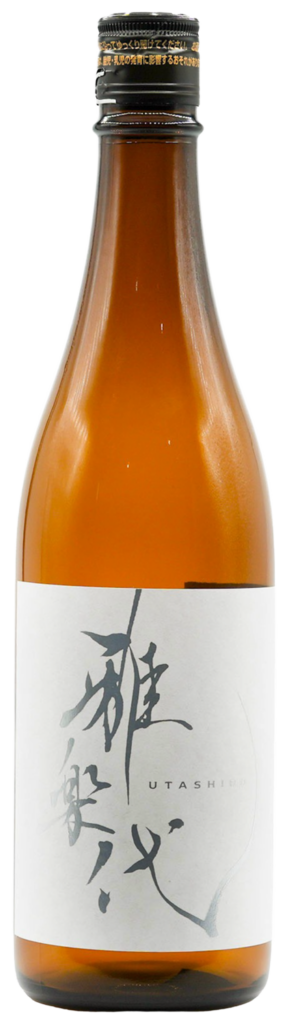
Tenryohai Utashiro Gekka ‘Moonlight’
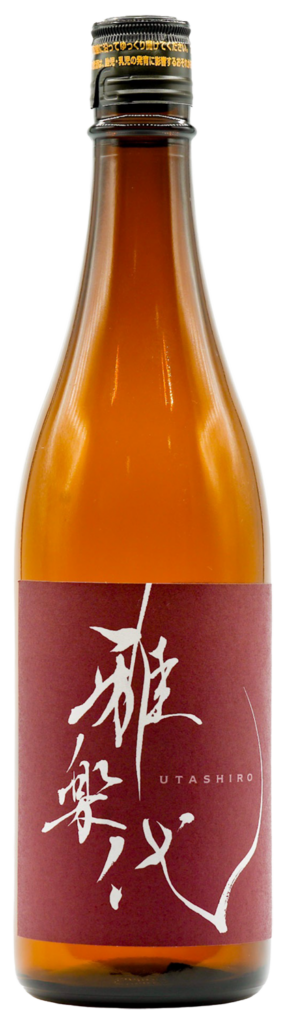
Tenryohai Utashiro Narukami ‘God of Lightning’
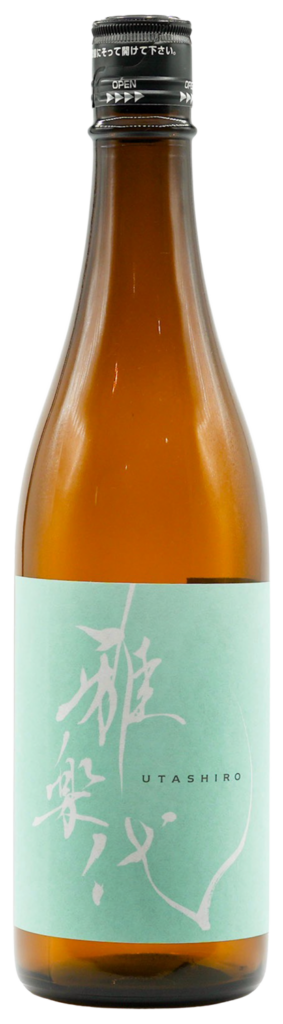
Tenryohai Utashiro Hiyori ‘Beautiful Day’