Cosecheros de Labastida
Rioja

By harnessing the greatness of their terroirs with the support and facilities of Remelluri, these five growers from one Rioja village are shifting the region’s focus away from the cellar and toward the vineyard, as it is across the world’s great wine-growing regions.
Introducing the Growers
The Labastida Fab Five
Jorge Gil, Luis Salazar, Alberto Martínez, Íñigo Perea, and Alain Quintana are five talented growers from the village of Labastida who have reclaimed their cosechero heritage, once again producing wine from their own grapes instead of selling their fruit to large wineries. In 2020, they began gathering at Granja Nuestra Señora de Remelluri to bring their dream of making their own wines to life.
History & Origins
Pioneers of Quality
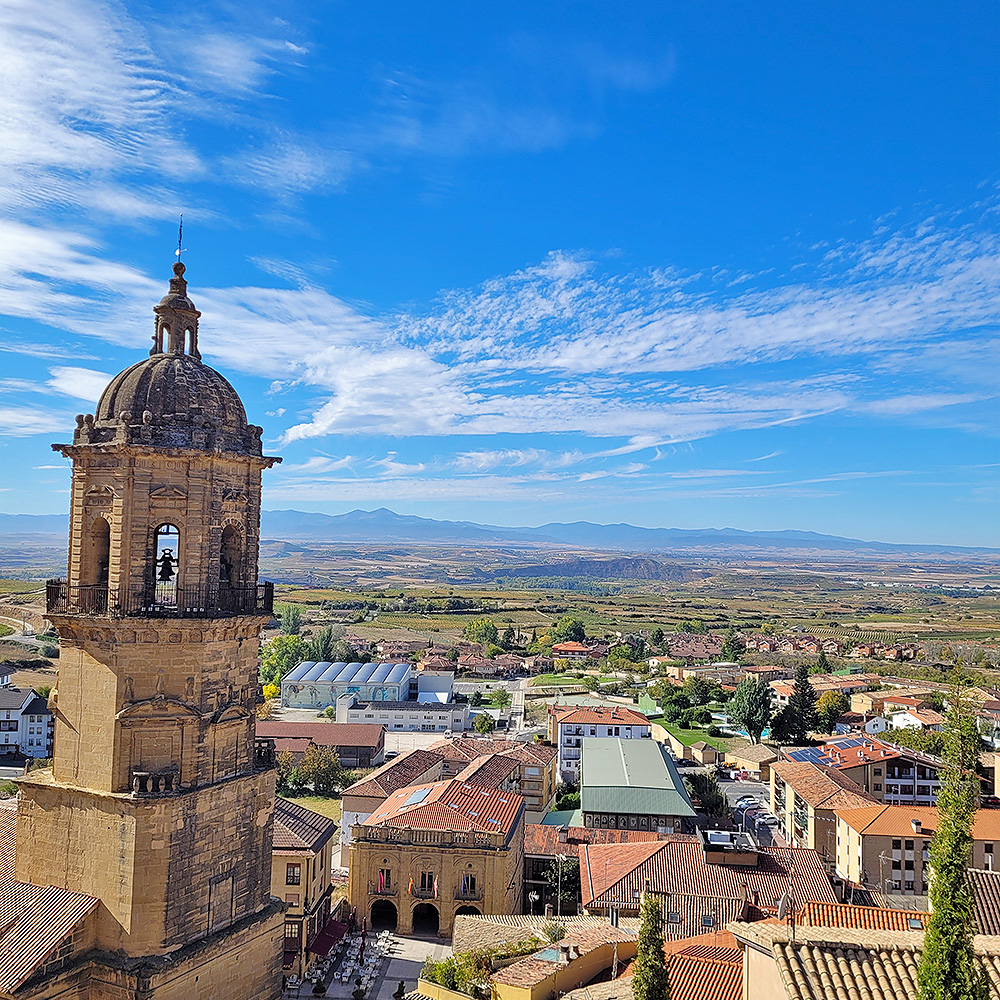
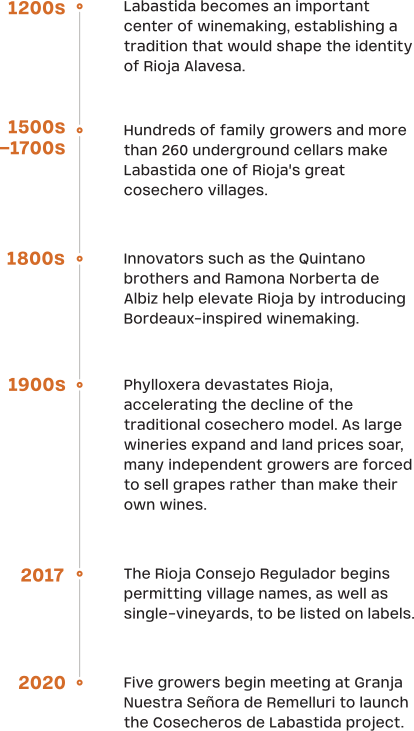
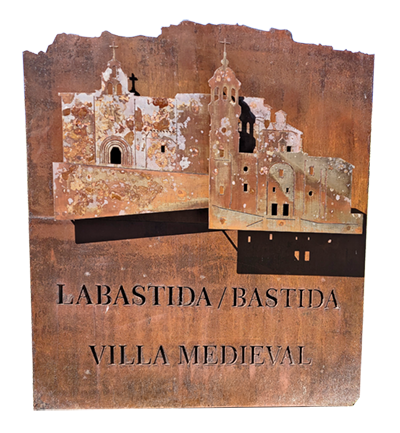
Labastida has been an important center of winemaking since 1242. From the 16th to 18th centuries, there were more than 260 underground cellars beneath the village streets, and nearly 300 growers worked the vines with a deep knowledge of the land and a strong connection to nature. In the 18th century, local winemaking took a major leap forward thanks to figures such as the Quintano brothers and Ramona Norberta de Albiz, who introduced Bordeaux-style Rioja wines to Bilbao. But after phylloxera devastated the region, the profit-driven focus of large wineries and rural population drain led to the situation Labastida, and much of Rioja, finds itself in today.
Unlike in other parts of the world, where regulations actively encourage young growers and smaller projects, Rioja has allowed large wineries to buy up vineyards at a breakneck pace, putting local communities and small farmers in jeopardy.
Although the price of grapes has remained mostly stable, land prices have become exorbitant. In the past, growers were able to pay for vineyards over several years, but as things stand now, acquiring even a single hectare has become prohibitively expensive.
This change has been especially felt in the northernmost reaches of Rioja, in the Basque province of Álava. Once replete with cosecheros—farmers who grew their own grapes and made their own wine—many people in the region have been forced to simply grow grapes to sell at the going price.
Now, five modern cosecheros have become united by two goals: to make a living from growing grapes, and to create their own unique wines, so that their family names can once again become part of the fabric of winemaking in Labastida and Rioja. With the support and guidance of Telmo Rodríguez and Granja Nuestra Señora de Remelluri, they’re protecting their village from succumbing to the industrial model endemic in Rioja, and showing the world the incredible diversity and quality to be found in the vineyards of Labastida.
The Cosecheros
Restoring Familial Legacies
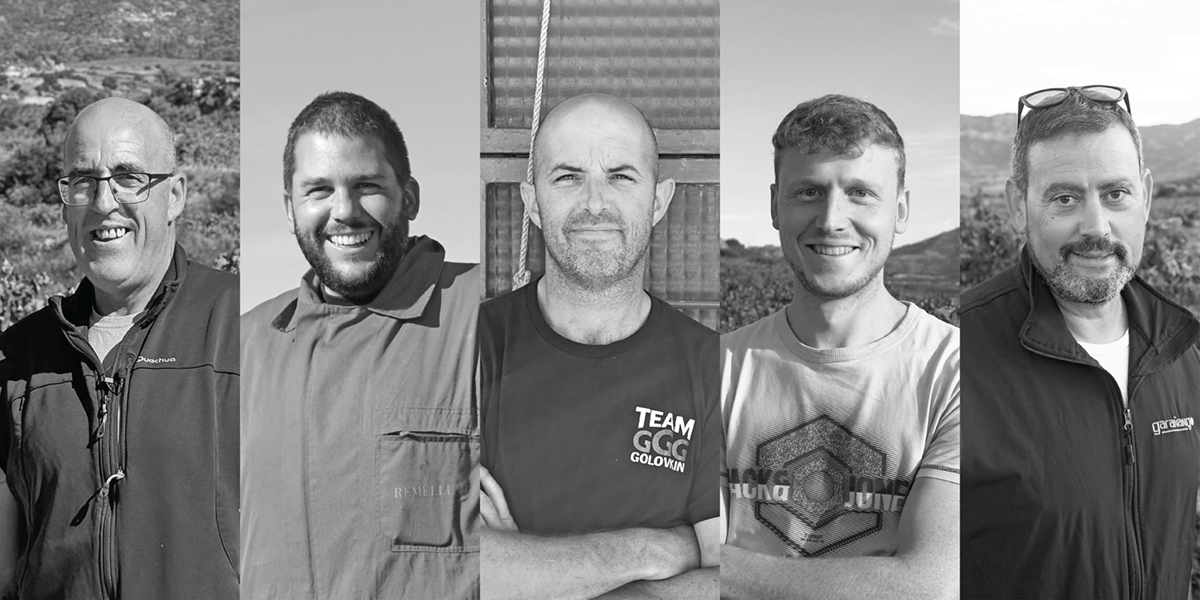
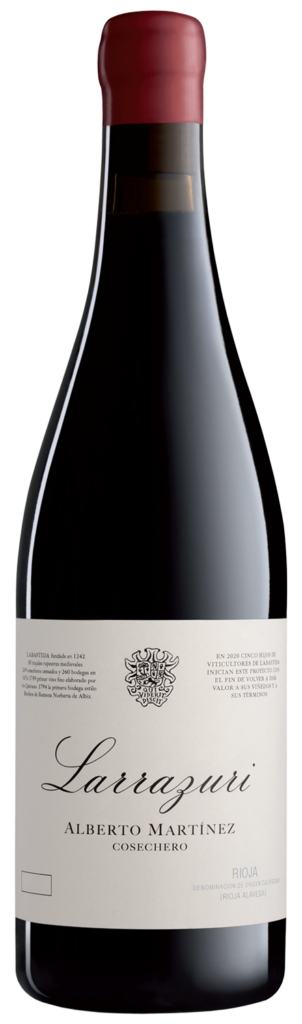
Cosecheros de Labastida, encompasses five wines: Saigoba by Jorge Gil, Espinobendito by Íñigo Perea, Los Herreros by Luis Salazar, Espirbel by Alain Quintana, and Larrazuri by Alberto Martínez.
Saigoba is the first vineyard Jorge Gil acquired after becoming a grower, symbolizing his respect for his family’s history.
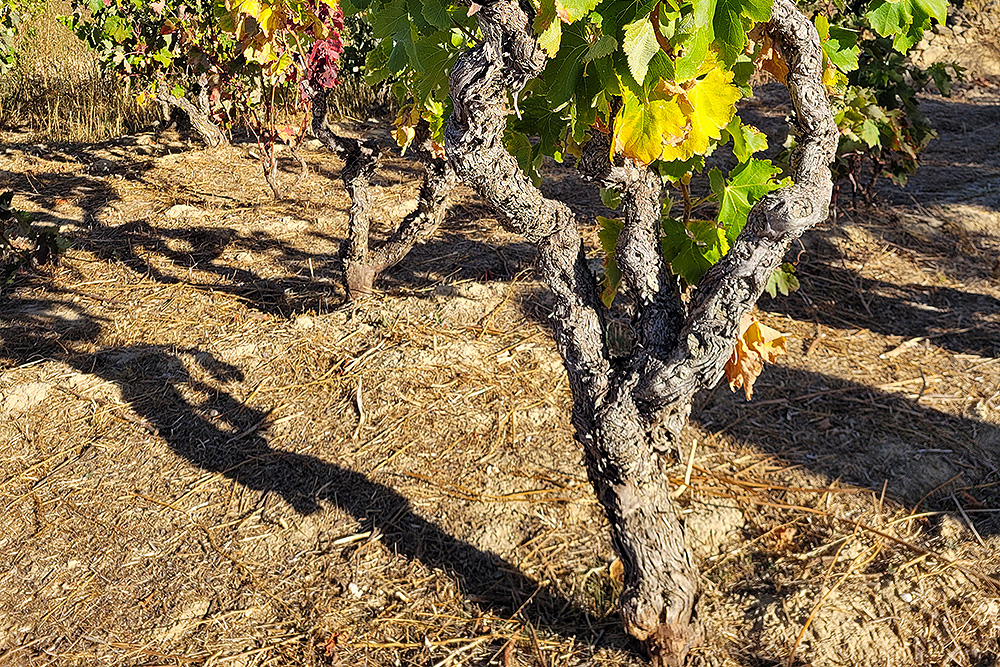
Espinobendito is a vineyard once tended by Íñigo Perea’s great-grandfather, with ancient vines planted among fruit trees, where red and white grape varieties are intermingled.
Los Herreros is the Salazar family’s legacy in Labastida, and one that Luis, the fifth generation to be named Luis Salazar, hopes will be passed on to his son, the sixth Luis Salazar.
Espirbel is one of the few remaining vineyards owned by Alain Quintana, the last of a 12-generation legacy of grape-growing in Labastida. Following in his ancestors’ footsteps, Alain pays homage to his family history.
Larrazuri was planted by Alberto Martínez’s father and grandfather in secret during the years following the Spanish Civil War, when new vineyard planting was banned due to food shortages. Year after year, they added rows of vines hidden among lentils and chickpeas, convinced of the vineyard’s immense value. Today, Alberto honors his family by making wine from these historic vines.
As the current generation continues to make incredible wines from vineyards that they farm with great care and respect. In the family tradition, we can expect excellence for generations to come.
Process & Philosophy
A Rioja Less Traveled
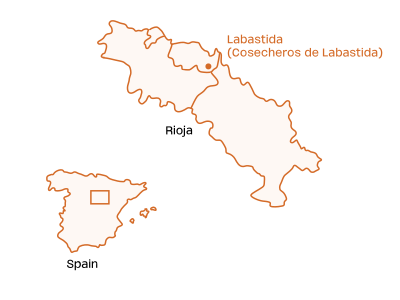
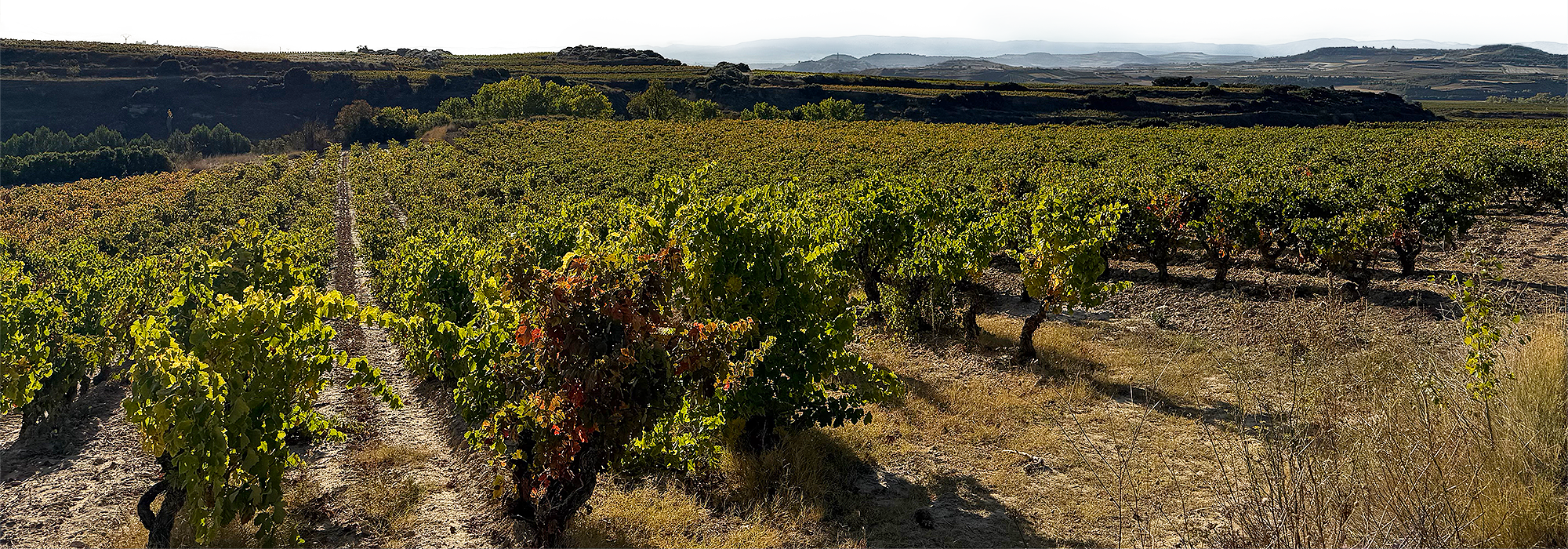
The Cosecheros de Labastida wines emphasize the identity and character of their plots through the lens of excellent viticulture, gentle vinification, and restrained élevage. Their vineyards are among the greatest sites of the region. They offer multiple grape varieties, soil types, exposures, and elevations that showcase the diversity of these small (0.4-1.5ha) family holdings, spread across barely three kilometers around the horseshoe curve of the Ebro where Álava meets La Rioja.
Likewise, the five cosecheros themselves each have a story that has united them to their common vocation, and to Labastida in particular. They each embody the latest generation in their families to farm grapes, investing their life’s work in the practice, and doing what they can to ensure the village’s productive future. Their names are front and center on the labels, cementing each wine as a representation of both an expression of village terroir and a lineage of farmers that have shepherded these vines for generations.
In essence, the Cosecheros de Labastida project is a progression toward a “Rioja less traveled”, by way of great vineyards farmed by growers who are inspired to translate the wonder of their family land into the bottle; a Rioja that champions people and place over brand.
Products
Wine
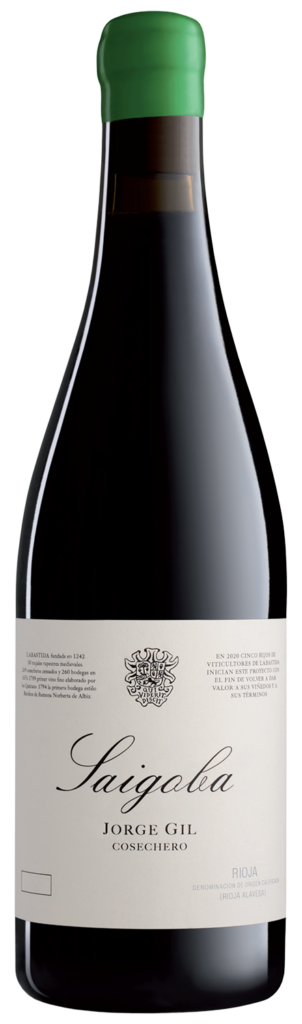
Cosecheros de Labastida ‘Saigoba’ Jorge Gil 2020
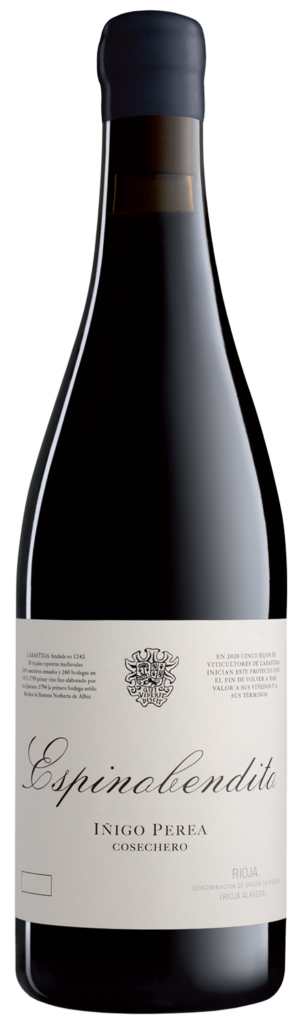
Cosecheros de Labastida ‘Espinobendito’ Íñigo Perea 2020
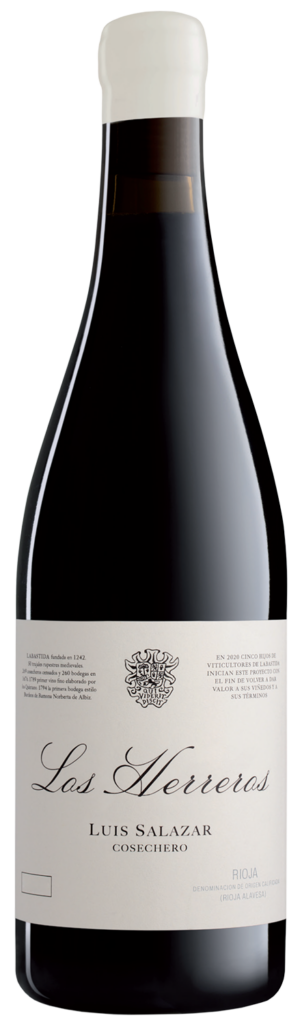
Cosecheros de Labastida ‘Los Herreros’ Luis Salazar 2020
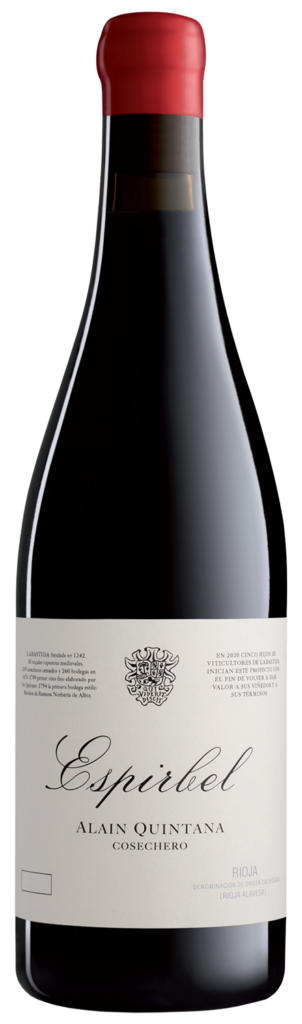
Cosecheros de Labastida ‘Espirbel’ Alain Quintana 2020