Chéreau Carré
Muscadet Sèvre-et-Maine | Loire Valley

Domaine Chéreau Carré occupies one of France’s privileged sites, at the convergence of the Sèvre and Maine rivers. This family-owned winery has been innovating for decades, pushing qualitative limits in the region through the study and careful vinification of many old-vine single vineyards in the Crus Communaux.
Introducing the Estate
Loire Valley Leaders
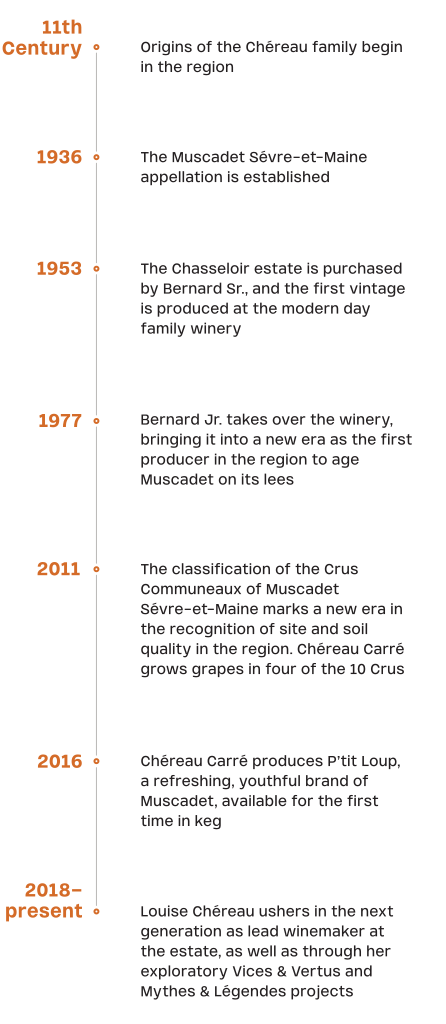
The family winery is run by a father-and-daughter team: Bernard Chéreau, representing the second generation, and Louise Chéreau, the third. Though the Chéreau Carré winery was founded in the 20th century, the Chéreau family has been in the region since the 11th century. The estate’s founder, Bernard Chéreau Sr., was the first to age Muscadet wines on their lees, a method that became officially recognized within the appellation in 1977. Bernard Sr. and Bernard Jr. were also the first in the region to champion Muscadet’s aging potential, pioneering bottle-aged wines designed to improve with time in the cellar.
History & Origins
Pushing the Envelope Across Generations
The Chéreau Carré story began around 60 years ago within the terroirs of Muscadet, when Bernard Chéreau married Edmonde Carré. It was their union that set everything in motion.
Bernard Chéreau Sr. took a gamble by acquiring the Château de Chasseloir estate, home to century-old vines surrounded by pastureland and cereal fields. His ambition was to create a distinctive Muscadet, capable of competing with the world’s great wines.
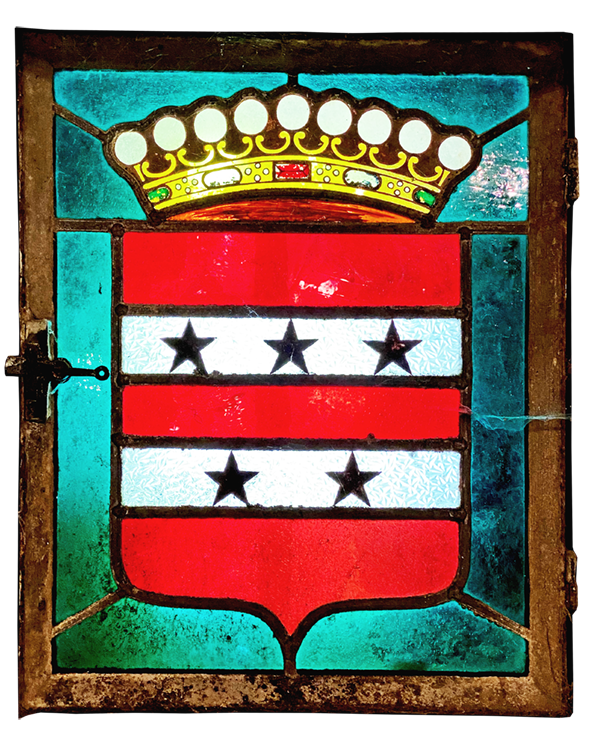
His son, Bernard Chéreau Jr., gave up his medical studies to join the estate, driven by the love of Muscadet’s terroirs and eager to make Muscadet Sèvre-et-Maine known in France and beyond.
Today, Louise Chéreau continues the work begun by her father and grandfather, pushing the estate to constantly renew itself, exploring new grounds and attracting new fans of Muscadet wines.
The Ethos Behind the Winery
Humility and Heroics
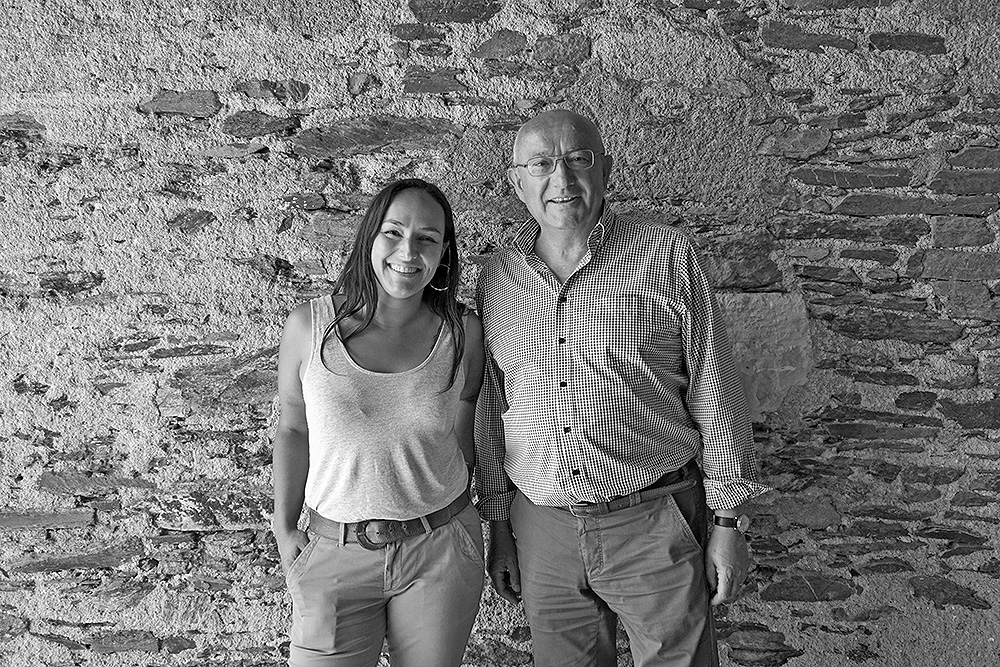
Chéreau Carré is a historical producer, a stylistic leader and works with amazing, old-vine vineyards planted in some of Muscadet’s best terroir. This would give the family a lot to boast about, were they the boasting types. Instead, the Chéreau Carré family are the epitome of humility, and their work shows their deep respect for their surroundings, as sustainability is perpetually top of mind. Their pioneering work in aging ‘sur lie’ underpins the spirit of their wines, and has paved the way for many others to push the limits of what Muscadet can be.
Process & Philosophy
New Techniques, Historic Vineyards
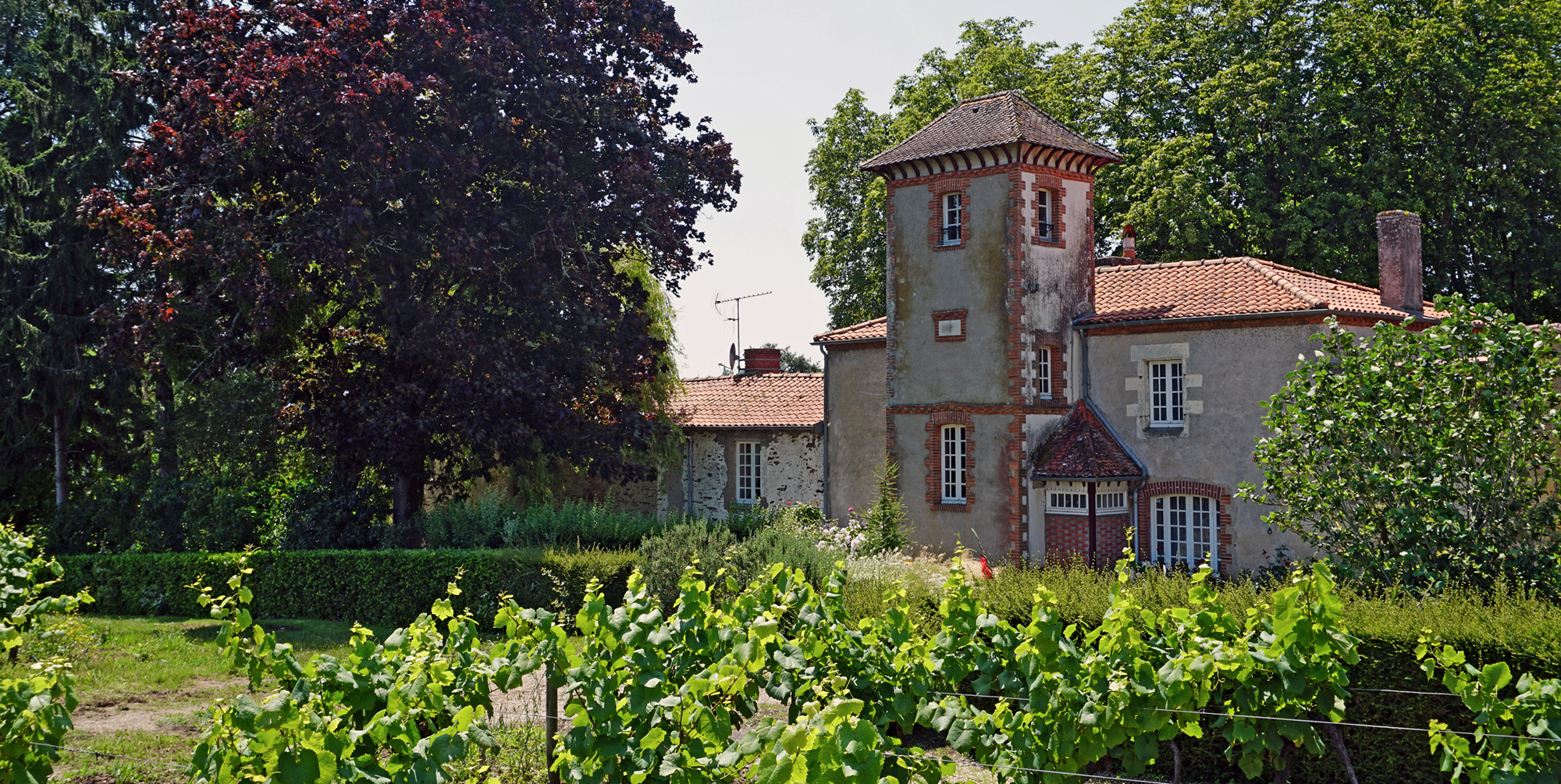
Chéreau Carré is a terroir-first domaine, and several of their sites are part of the Crus Communaux. Used to geographically classify Muscadet in ten distinct villages and microclimates, the Crus Communaux represent the best that the Nantes wine region has to offer. With a maximum yield of 45 hl/ha and a minimum of eighteen months of aging on the lees, these are complex wines with exceptional aging potential.
Along with her work with the Crus Communaux, Louise Chéreau has shaken things up by creating fresh, new expressions of traditional grapes and terroirs with her Vices & Vertus project. Méthode Traditionelle sparklers and non-sulfured wines are just the beginning of what Louise has up her sleeve.
The Home Base
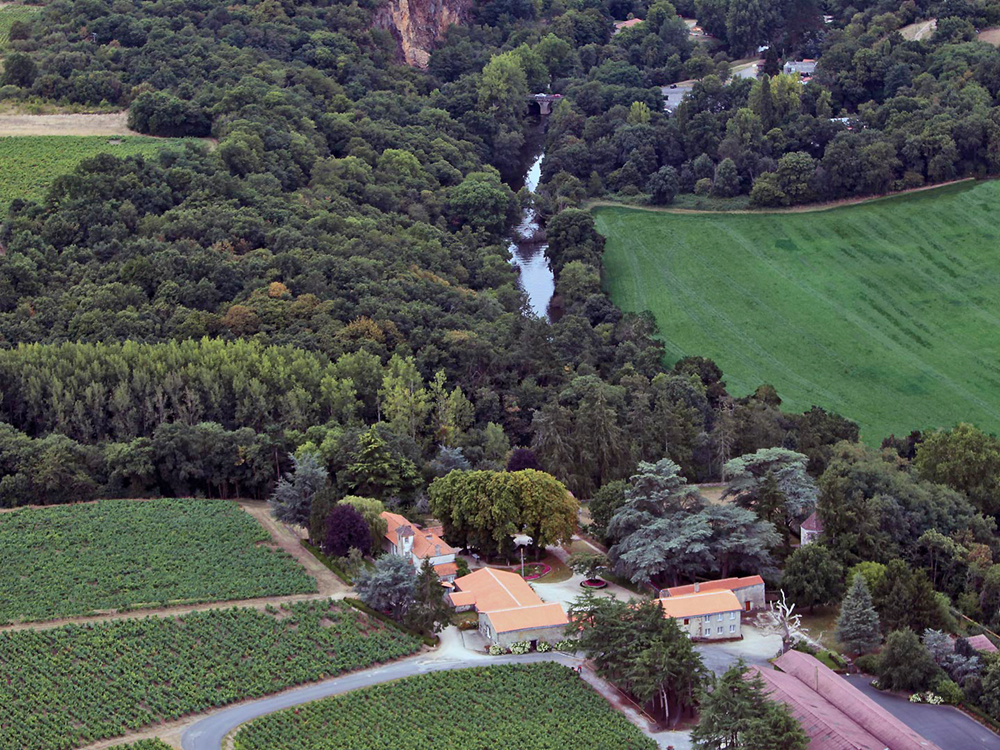
Château de Chasseloir
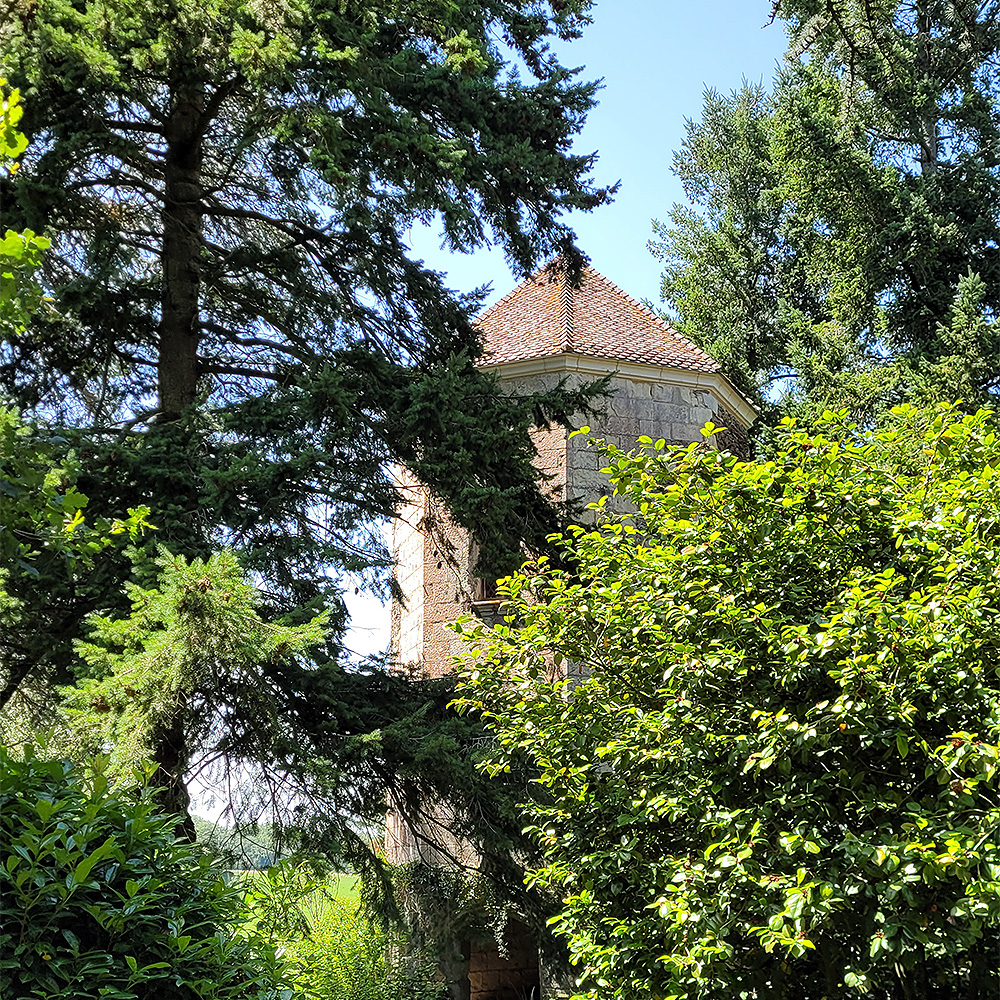
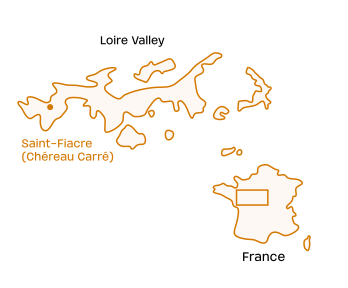
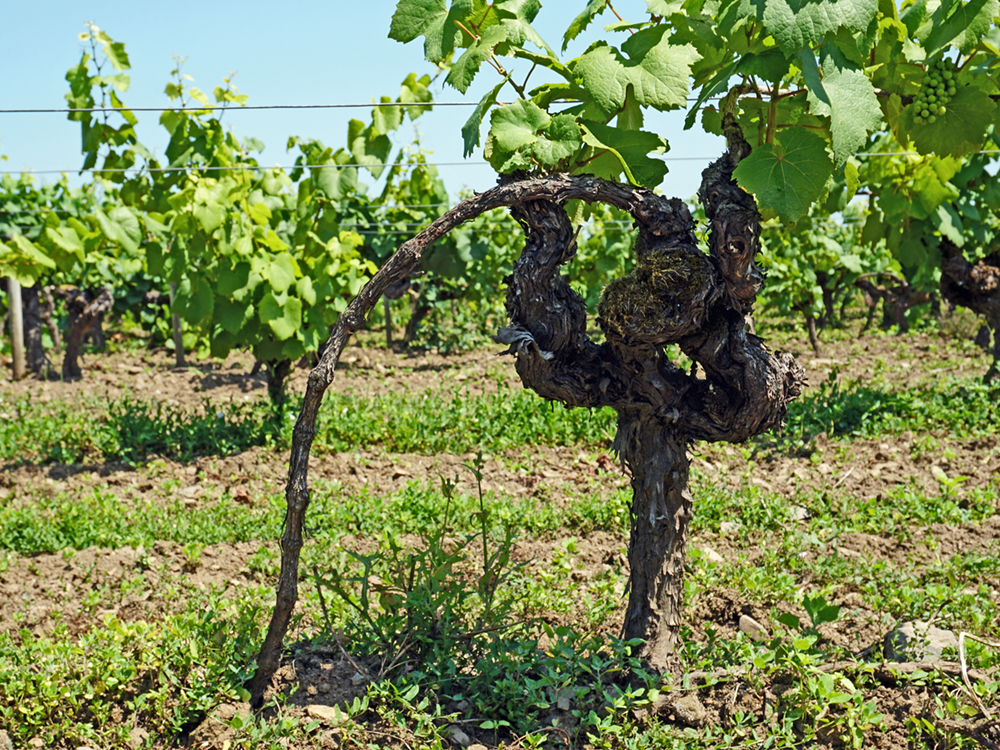
The first terroir and family home is the Chasseloir farm, purchased in 1953 by Bernard Chéreau Sr. Its vineyards are planted on schist soils on the hillsides above the river Maine, between Saint-Fiacre sur Maine and Château-Thébaud in the heart of the Muscadet Sèvre et Maine appellation.
The Comte Leloup bottling comes from a five-hectare site at the entrance to their home called Château de Chasseloir, with century-old vines that are the oldest in the Muscadet region. Hand-harvested grapes are brought to the cellar, which is built on a hillside. The work here is done exclusively by gravity and without the use of pumps, which can cause oxidation and decrease the aromatic potential of the wines. For the same reason, only indigenous yeasts from the vineyard are used in fermentation.
Products
Wine
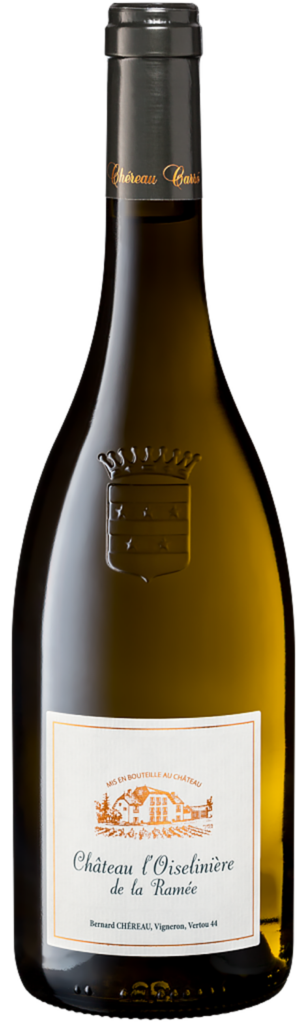
Chéreau Carré ‘Château l’Oiselinière de la Ramée’ Muscadet Sèvre-et-Maine 2023
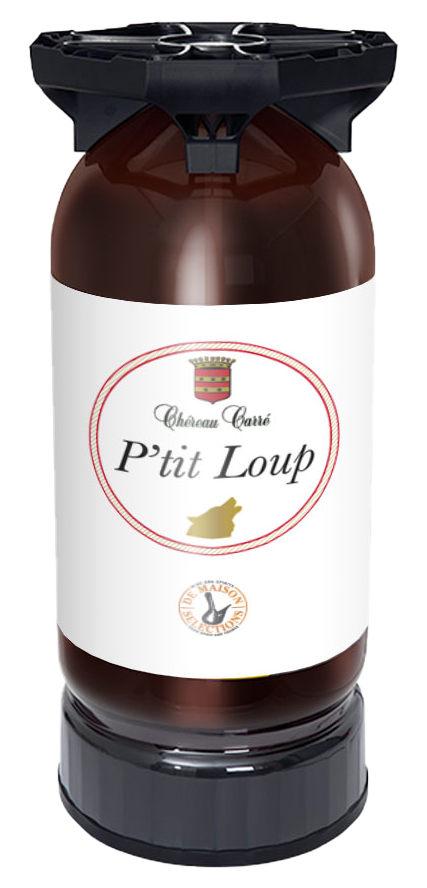
Chéreau Carré ‘P’tit Loup’ Muscadet 2023
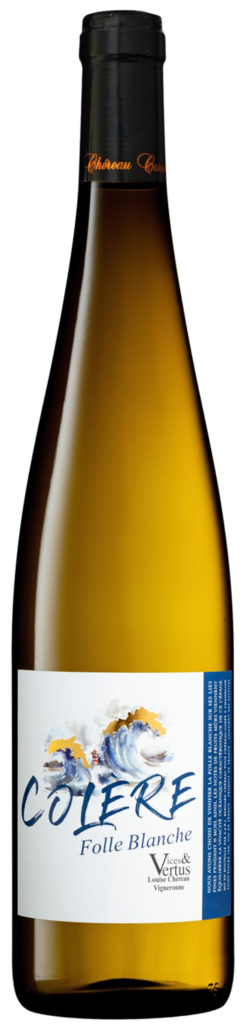
Louise Chéreau Vices & Vertus ‘Colère’ Folle Blanche 2024
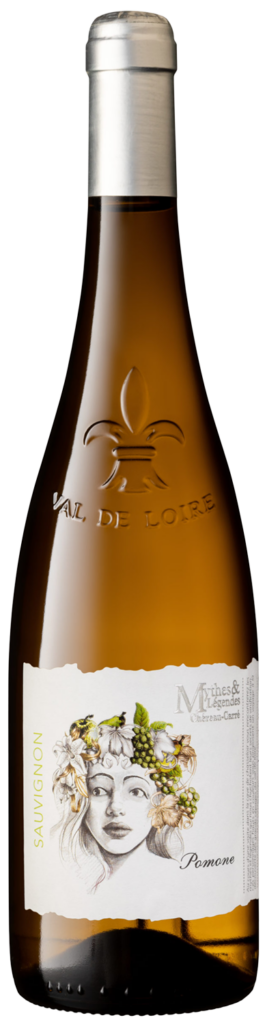
Chéreau Carré Mythes & Legendes ‘Pomone’ Sauvignon 2025
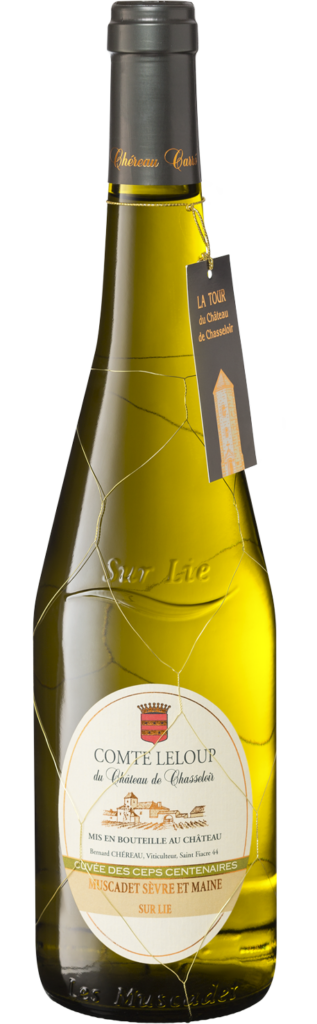
Chéreau Carré ‘Comte Leloup du Château du Chasseloir’ Muscadet Sèvre-et-Maine 2019
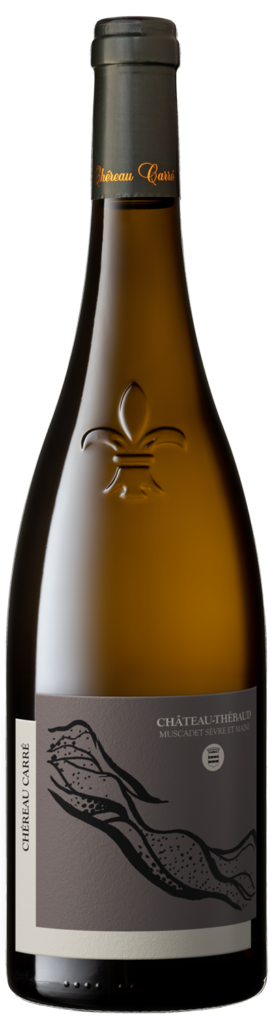
Chéreau Carré Château Thébaud ‘L’Orée du Château la Turmelière’ Muscadet Sèvre-et-Maine 2022
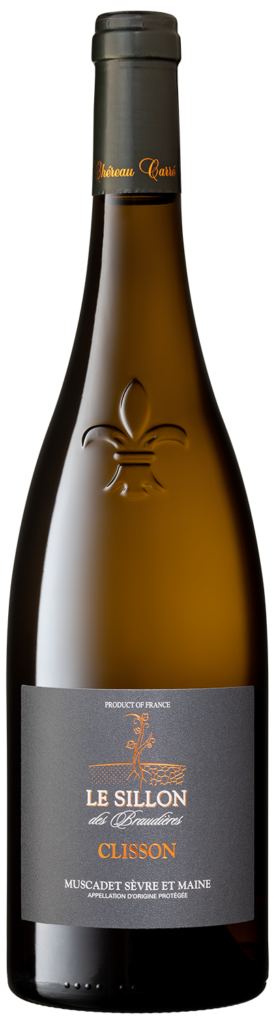
Chéreau Carré ‘Clisson’ Cru Communaux Muscadet Sèvre-et-Maine 2018
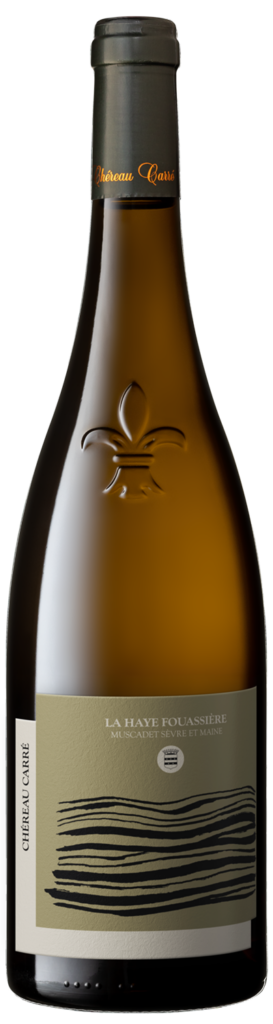
Chéreau Carré La Haye Fouassière ‘Le Clos du Château l’Oiselinière’ Muscadet Sèvre-et-Maine 2018
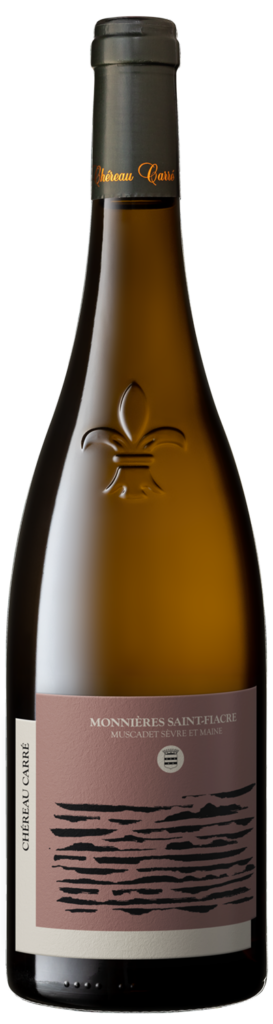
Chéreau Carré Monnières Saint-Fiacre ‘Les Terrasses de la Cantrie’ Muscadet Sèvre-et-Maine 2016
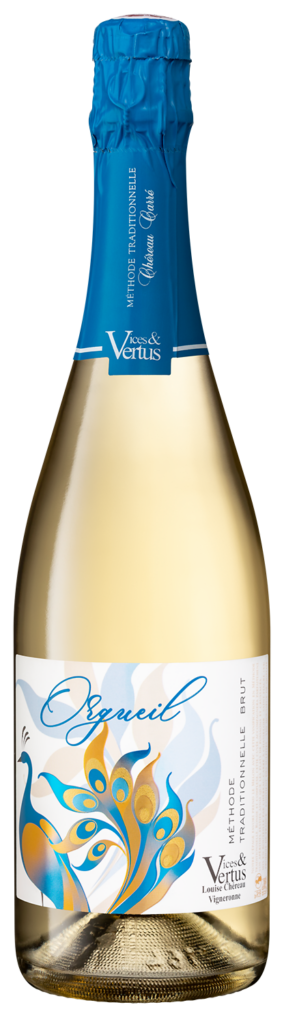
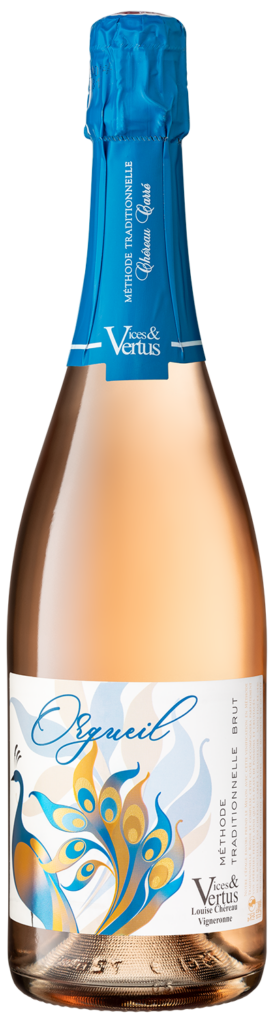
Louise Chéreau Vices & Vertus ‘Orgueil’ Méthode Traditionnelle Brut NV