



Navarra
Northern Spain

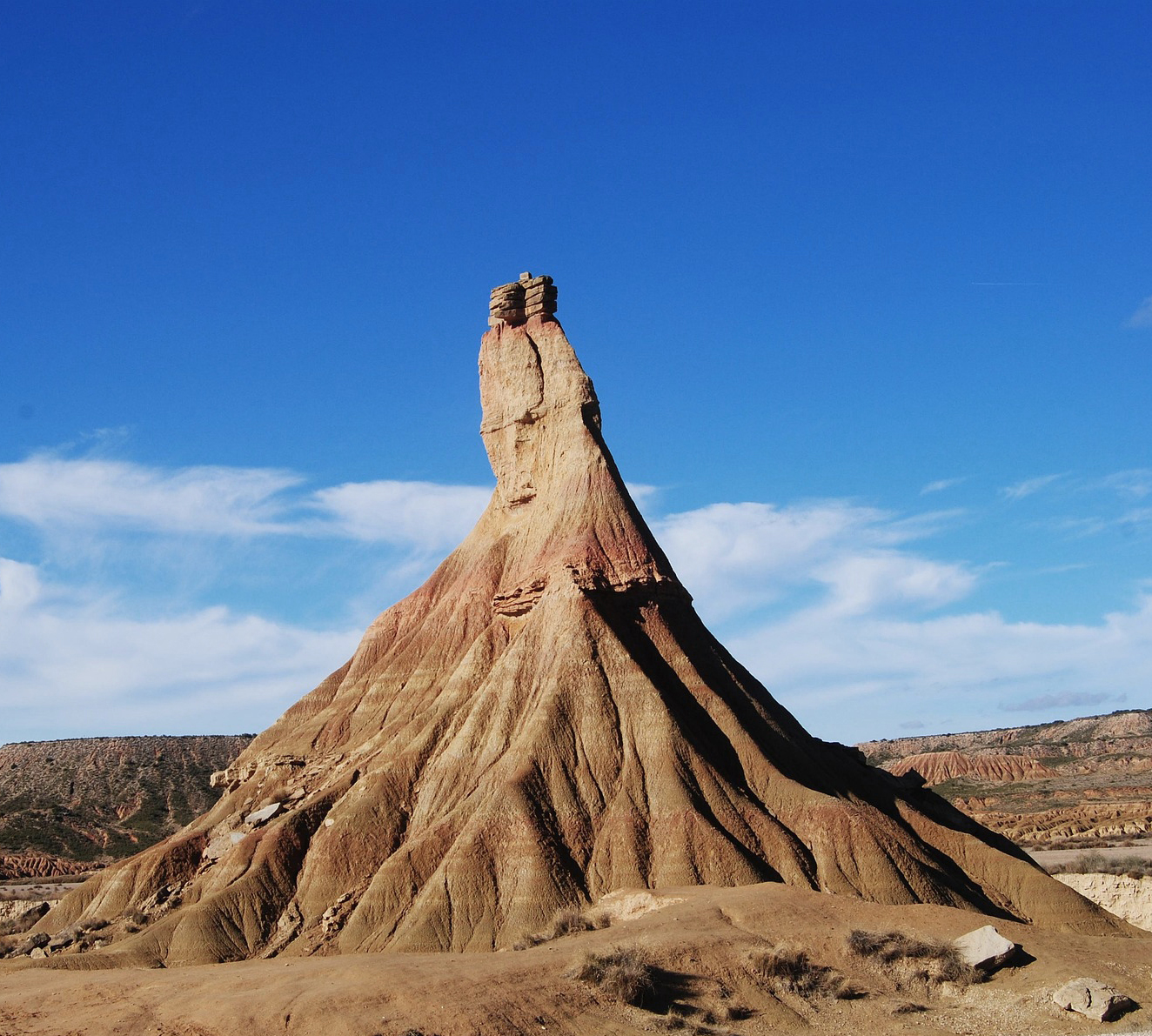
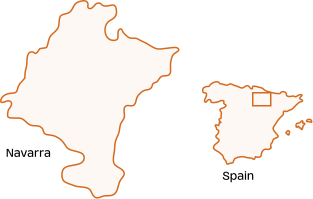
Navarra sits in northern Spain at the crossroads of Atlantic, continental, and Mediterranean influences. Long recognized for its Garnacha-based rosés, the region has undergone cycles of expansion, loss of identity, and recent rediscovery. Today, a new generation of producers is revisiting Navarra’s varied landscapes and indigenous varieties, drawing renewed attention to its diverse terroirs and historic role in Spanish wine culture.

Mixed Atlantic and continental influences with strong regional variation.
History & Style
From rosé fame to rediscovered Garnacha
Historically, Navarra has been known for rosé. The D.O. was established in 1933, and the garnacha-based rosados being made there already had a measure of fame. But the market for these wines dried up, producers started planting more international varieties, as was common at the time, and Navarra lost its way. Luckily, as in elsewhere in Spain, a younger generation is now realizing the importance of Navarra’s heritage and working more with the indigenous garnacha.
Terroir & Subzones
Diverse climates across a compact region
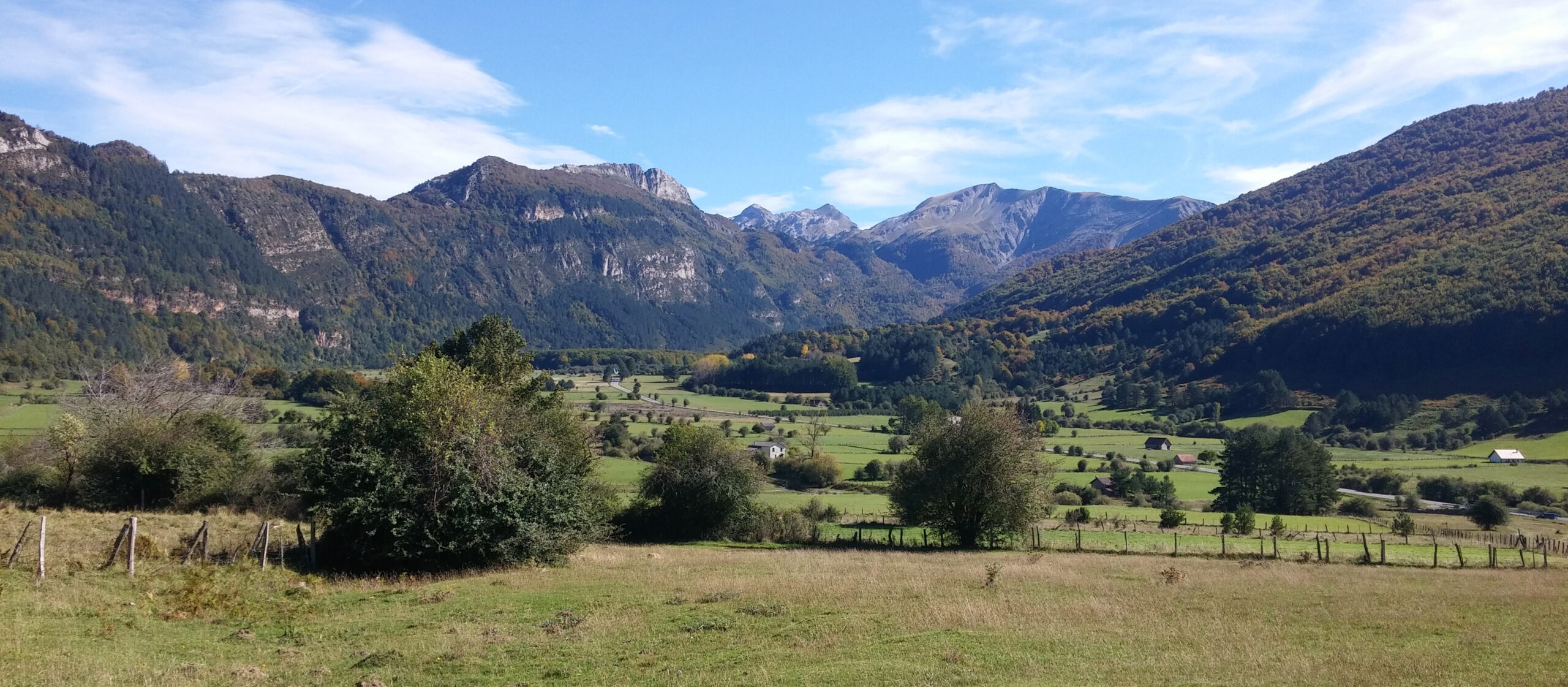
For a relatively small area, the terroirs of Navarra are remarkably varied. Around 11,000 hectares of vines are planted across five subzones: Tierra Estella, Valdizarbe, Baja Montaña, Ribera Alta, and Ribera Baja. The first three are in the north and have a marked Atlantic influence, while the latter two are warmer and more arid.
Producers
Wines from Navarra
Itxas Harri
Navarra | Northern Spain
Small Navarra project focused on Garnacha from old vines, working with minimal intervention to express the region’s diverse soils and climates.