



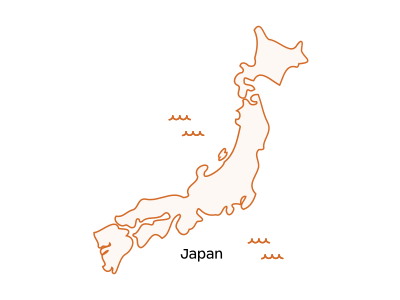
Japan

Japan is the birthplace and homeland of sake, which inspires and humbles us, requiring that we reconsider all the factors inherent in the world’s great beverages.
At De Maison, we approach Sake as Sculpture: a drink shaped by keystones of intention, nature, and care.

From snowy Hokkaidō down to subtropical Kyushu and the Ryukyu Islands, the Japanese Archipelago contains a world’s worth of climatic variation, all with significant influence from the surrounding seas.
The De Maison Sake Philosophy
Sake as Sculpture
We consider sake to be a sculpted beverage, therefore we approach sake through the lens of the Master Brewer, Place, and the Elements as keystones that enable the exploration of the multitude of choices in the sake making process.
The bedrock of our Japanese portfolio rests upon the integrity of the brewer, a relentless pursuit of excellence, and a forward-thinking spirit. This is a proudly maker-led selection, celebrating the artisans who shape the sake from its elemental components: water, rice, koji, and yeast.
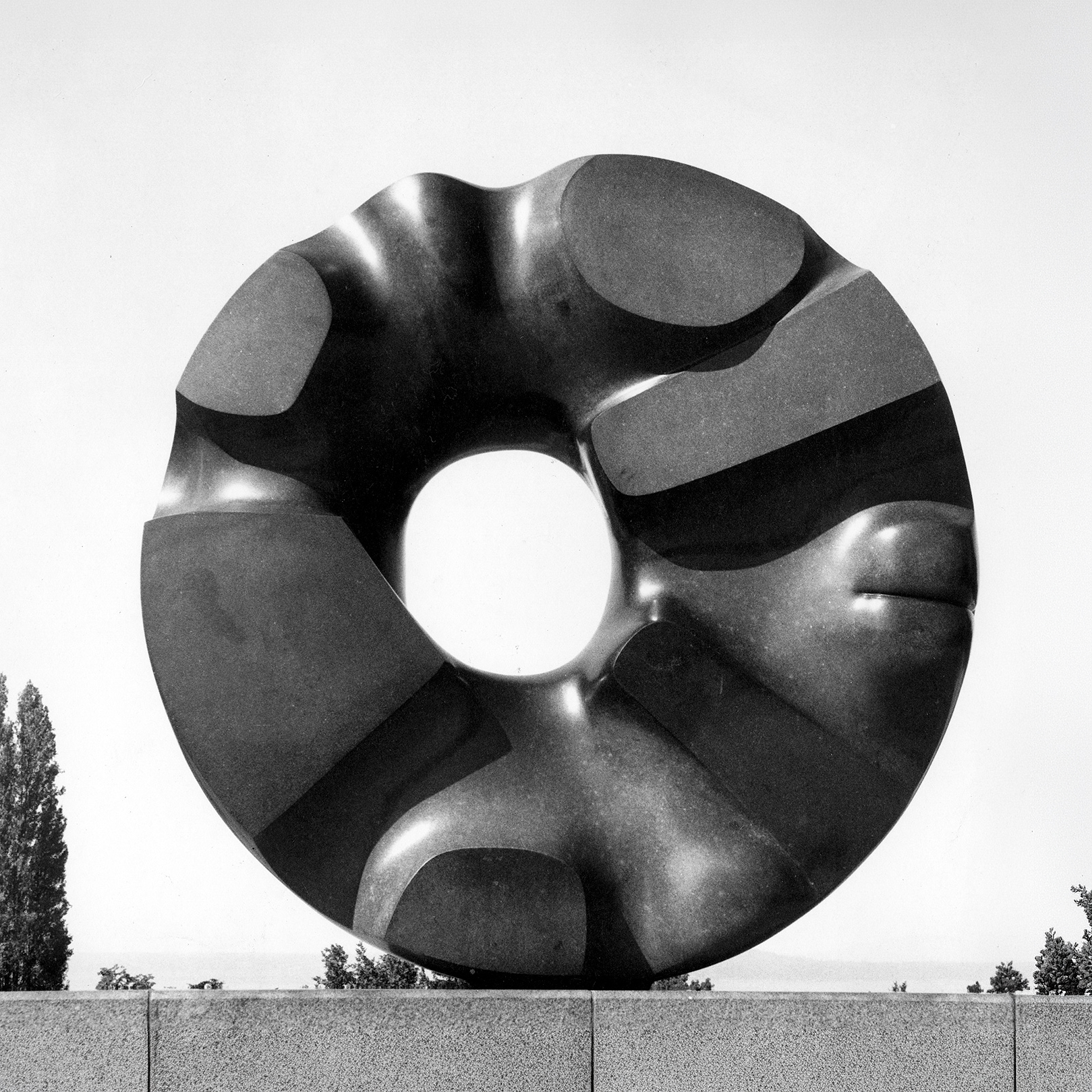
Isamu Noguchi The Black Sun 1969
Our Standards
Made to be Uncompromising
To champion this portfolio with the reverence it deserves, the entire De Maison team has achieved WSET Level 2 certification in sake, ensuring our education, market awareness and shared language match the caliber of the breweries we represent.
Exceptional sake demands exceptional care. We maintain meticulous oversight across the entire supply chain, ensuring every bottle travels from Japan and rests stateside under rigorous thermal controls. By upholding a constant storage climate of 40°F and ensuring refrigerated shipping with our dedicated distribution partners, we are resolute to do our part and eliminate the thermal degradation that too often compromises sake in the US.

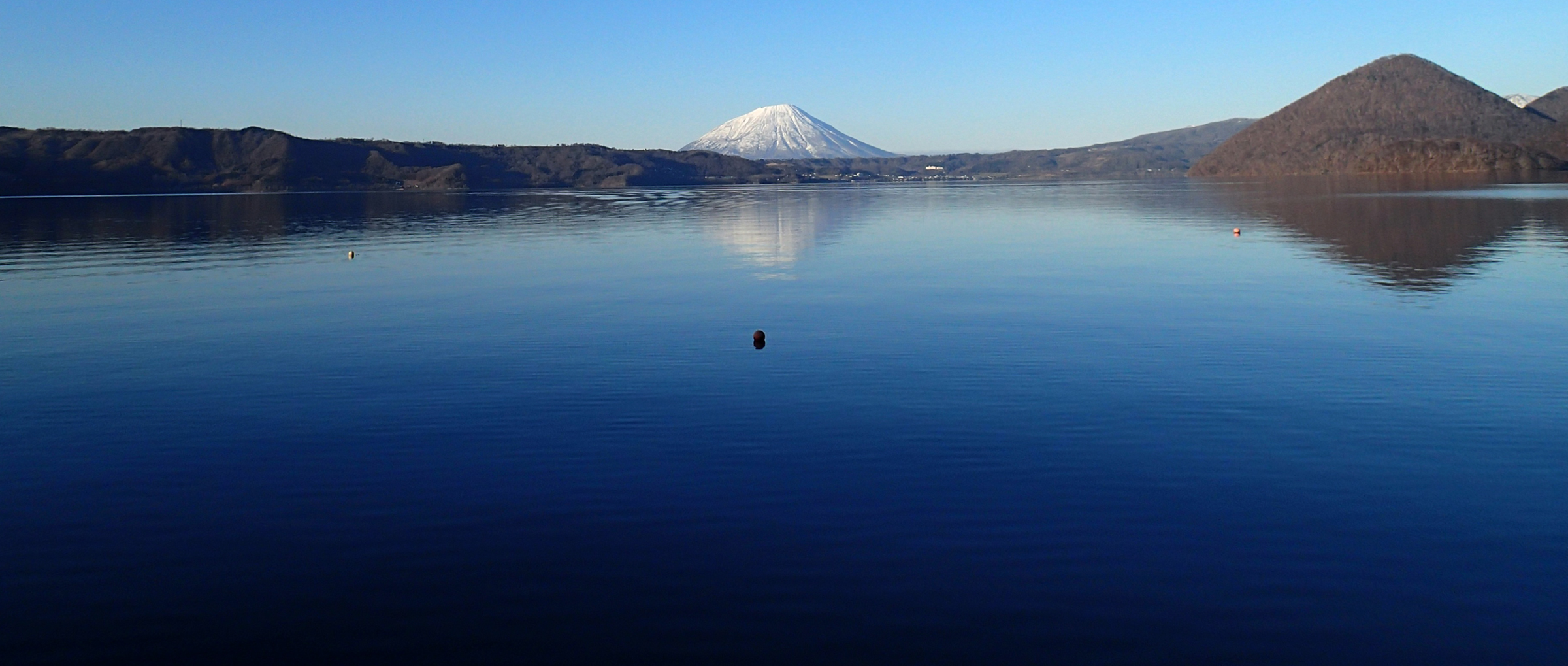
Japan’s Untamed, Northernmost Prefecture
Hokkaidō
Perfect snow & Alpine Snowmelt
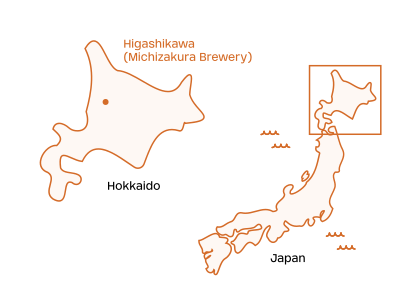
Hokkaidō is the northernmost prefecture and region of Japan. A pristine, snow-bound frontier where sub-zero winters, untouched wilderness and rolling green pastures define the raw beauty and character of this place. Hokkaidō is steeped in untouched and ancient traditions, a counter-balance to the famous capital of Sapporo.
Famous for its indigenous Ainu history, vast national parks, and legendary winter climate for ski-tourism. Hokkaidō is a captivating island of dense forests, rugged mountains and crystalline water. The perfect setting for growing rice and making elegant sake. As of 2025, there are 16 Sake breweries in Hokkaidō.
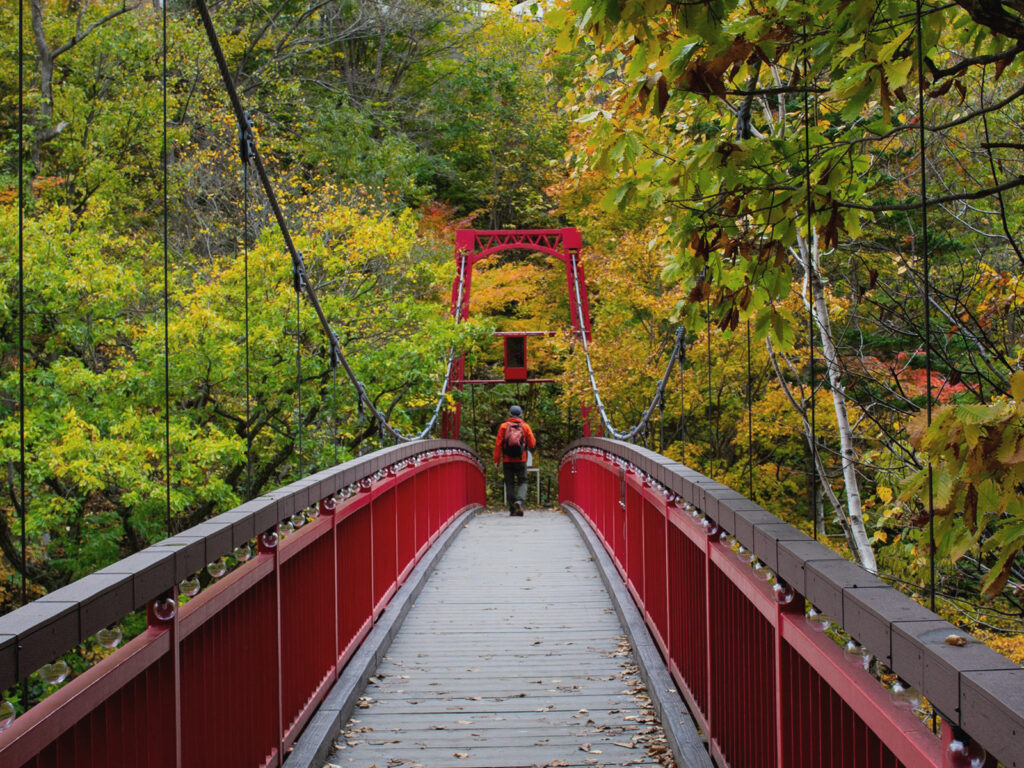
Elements of Hokkaidō
Shikomi-sui: Water Source
Exceptionally pure, soft subterranean snowmelt and rainwater filtered slowly through the porous volcanic rock of the Daisetsuzan mountain range.
Sakamai: Local Rice Strains
The Hokkaidō-native rice varieties are Ginpu, Suisei, and Kitashizuku. These rice strains have the capacity to express ultra-clean, razor-sharp, and refreshing sakes with a light, silky mouthfeel.
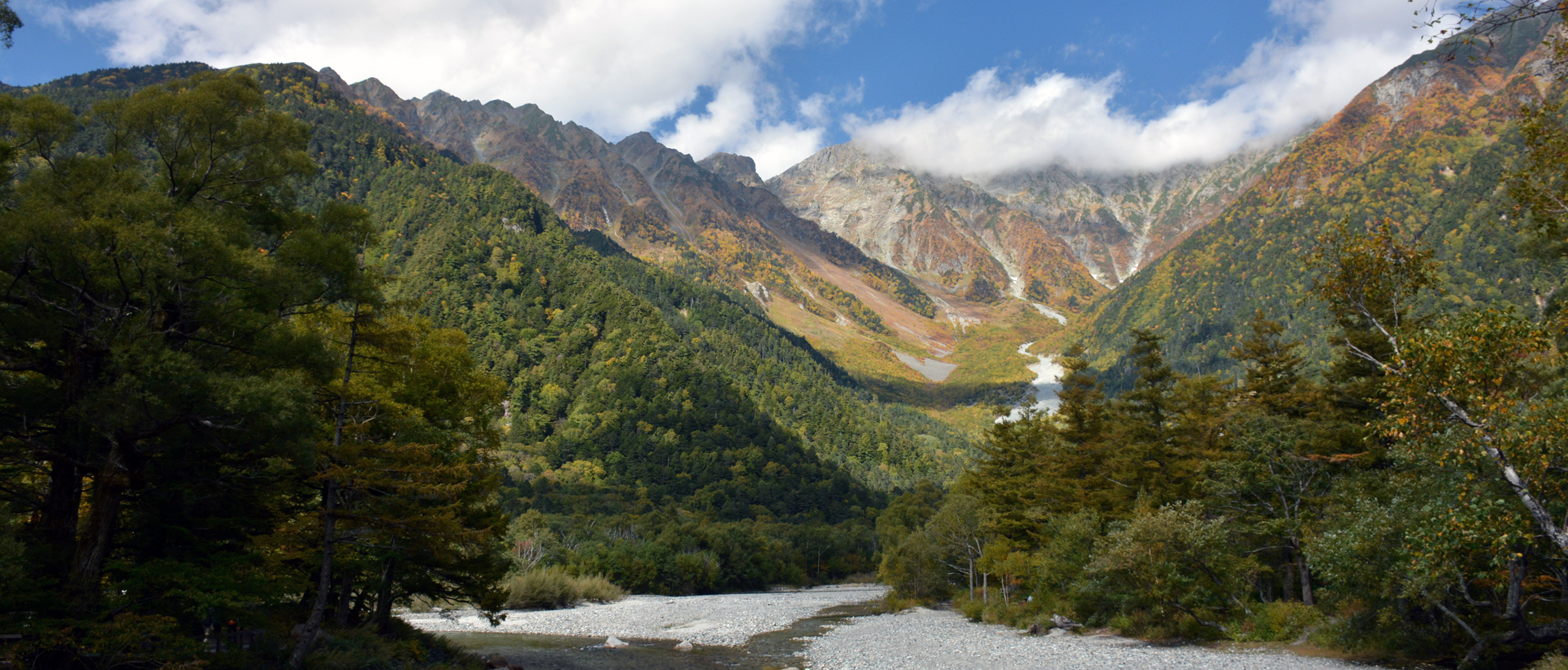
The Heart of the Japanese Alps
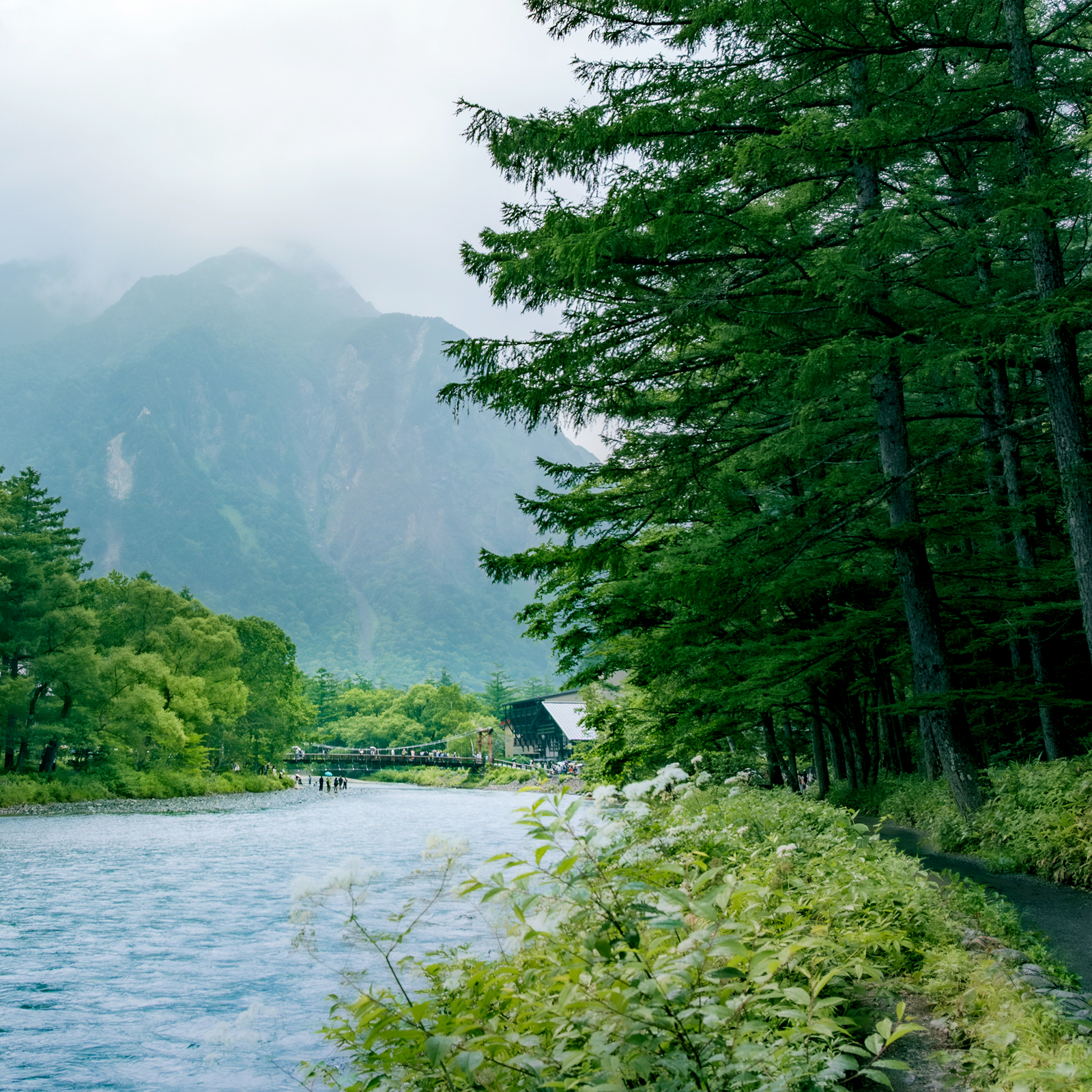
Nagano
High-Altitude Alpine Springs & Granitic Mountain Purity
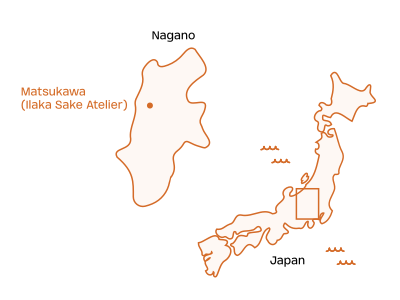
Nagano is the heart of the Japanese alps within the Chūbu region. Here, alpine peak snowmelt and high elevation nurtures some of the nation’s most celebrated water and rice-growing.
Home of the 1998 Winter Olympics, the historic 7th-century Zenko-ji Temple, and the famous wild snow monkeys bathing in the geothermal hot springs of Jigokudani, Nagano houses tranquility framed by the drama of Japan’s highest peaks. As of 2025, there are 67 sake breweries in Nagano, the second most within a prefecture in all of Japan.
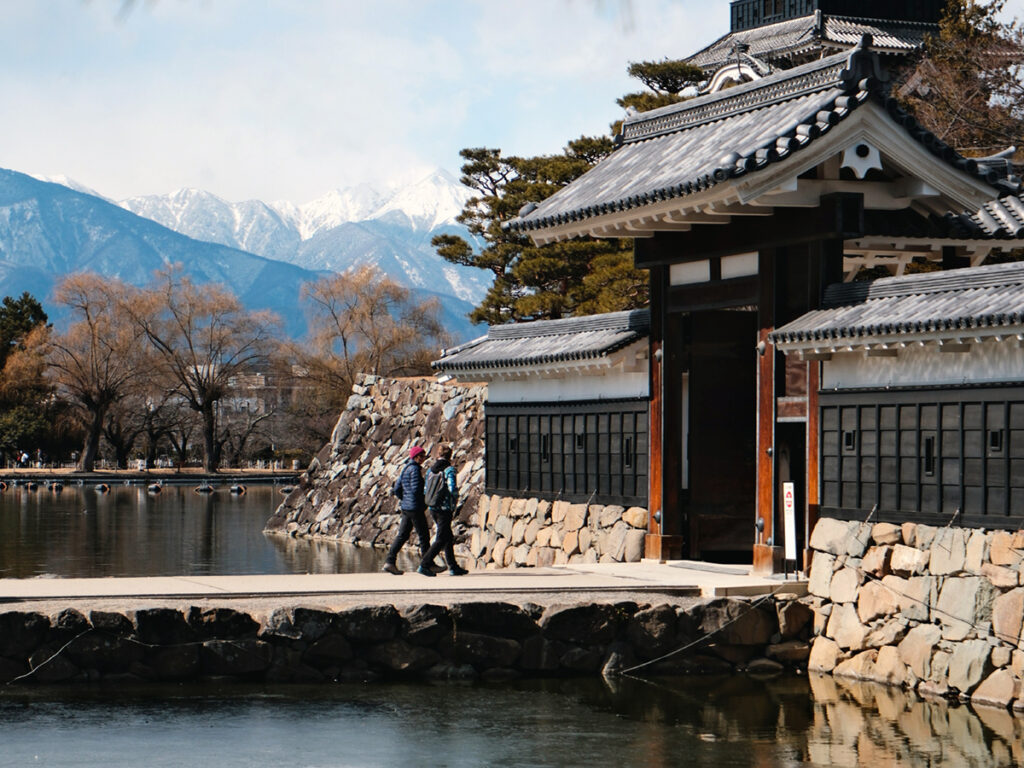
Elements of Nagano
Shikomi-sui: Water Source
Mineral-balanced, extremely soft mountain spring water filtered down through the granitic soils of the Japanese Alps.
Sakamai: Local Rice Strains
The local Nagano rice varieties are: Miyama Nishiki, Hitogokochi, Kinmon Nishiki, and Sankei Nishiki. At the apex of quality, these rice varieties yield well-structured, elegant, and highly aromatic sake with precise clarity and long, crystalline finishes.
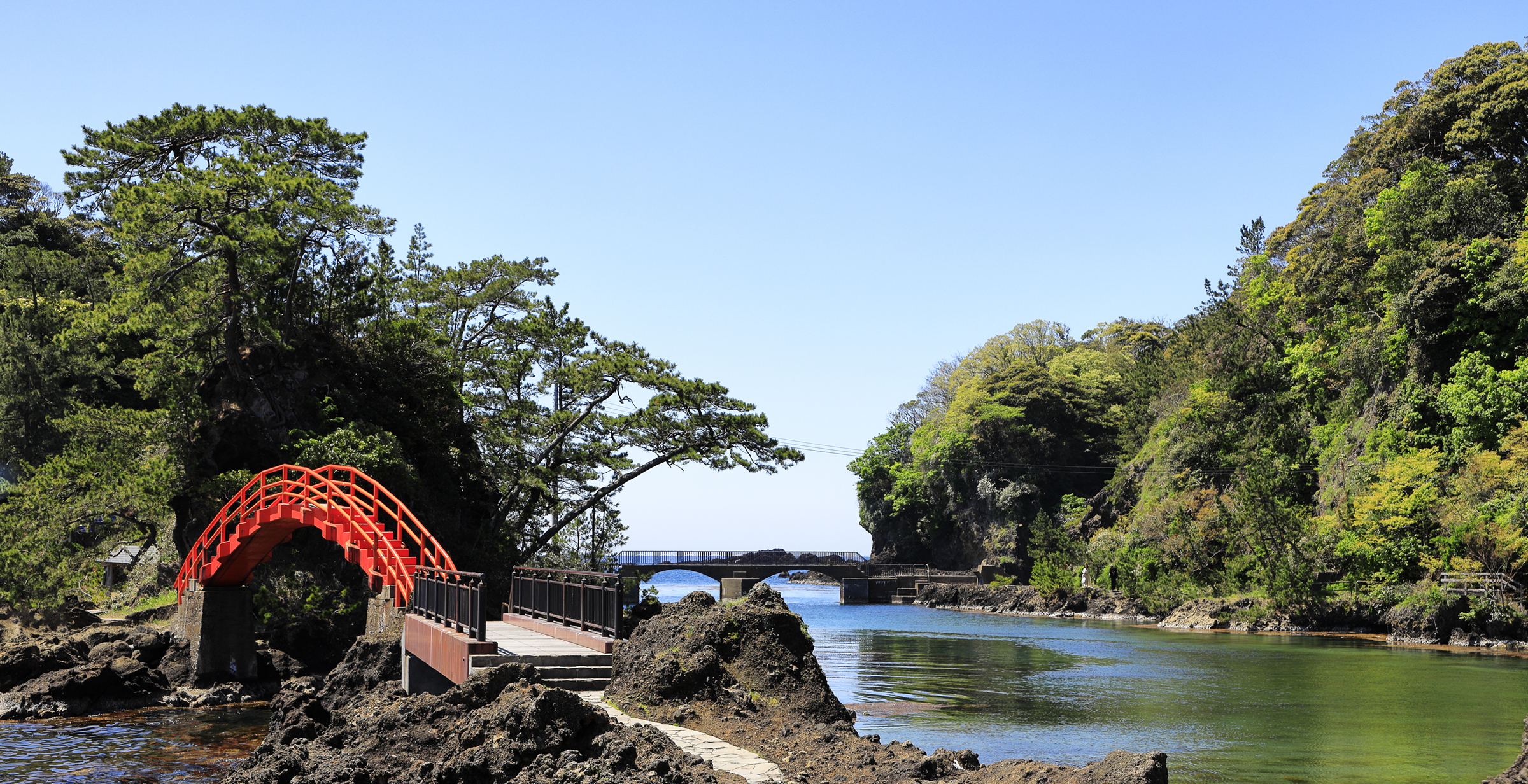
Natural Preserve
Sado Island, Niigata
Ocean Air & Eco-protected Rice Growing
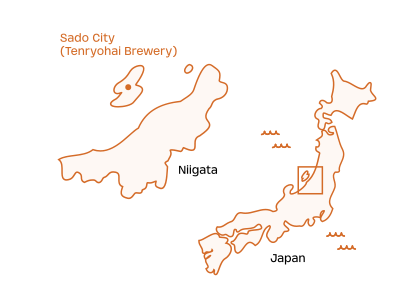
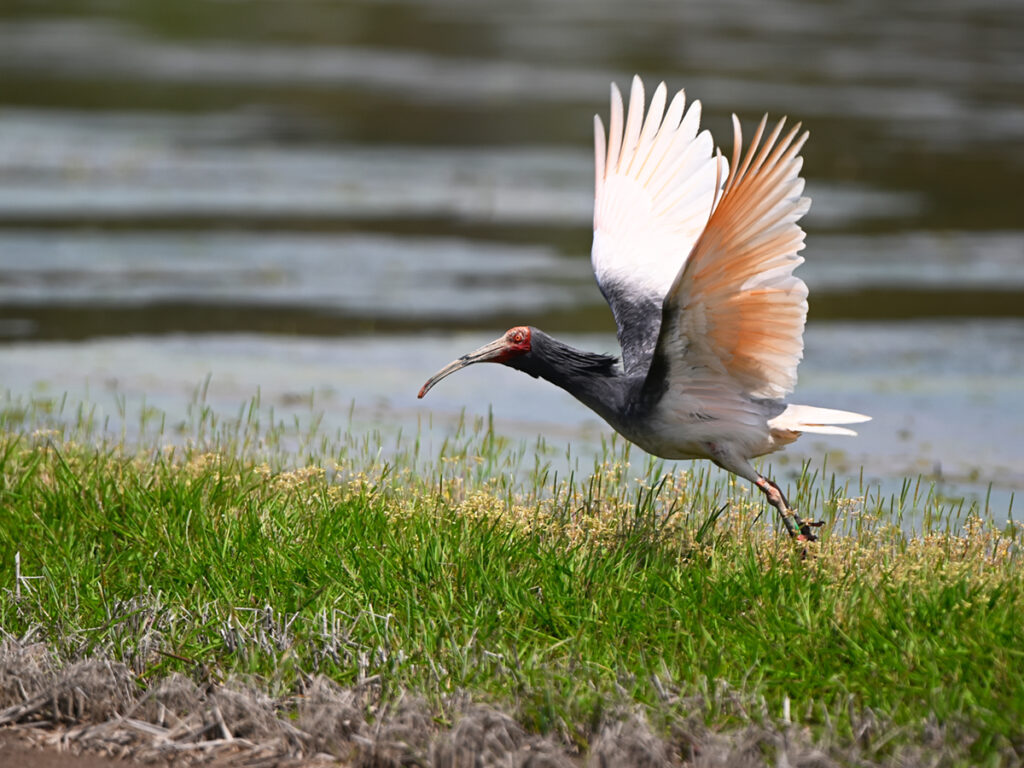
Sado Island is an island sanctuary off the coast of the Niigata prefecture in the Sea of Japan within the Chūbu region. On this protected island, coastal winds, mountain aquifers, and sustainable eco-farming yield an unmatched purity. For decades, Sado Island has significantly reduced non-organic inputs to protect the Toki, a historically important Crested Ibis rewilded after near extinction.
Sake brewing is a significant cultural tradition on Sado Island, where it still dominates local life. Though there are only a few breweries, the Sado Island reputation is one of extremely high quality due to the low-to-no chemical use on the rice fields in pursuit of the preservation of the environment. As of early 2026, there are five sake breweries on Sado Island and approximately 80 breweries in Niigata prefecture.
Elements of Sado Island
Shikomi-sui: Water Source
Snowmelt of Mt. Kinpoku, the tallest mountain of Sado Island (1172m), filtered through volcanic rock, granite and a swathe of limestone through underground spring water. This medium soft water has a high proportion of calcium that gives a strong umami taste and almost no magnesium, a water mineral makeup that is unique to Sado Island.
Sakamai: Local Rice Strains
Island-cultivated Niigata rice varieties Koshi Tanrei, Ipponjime, and Gohyakumangoku grown using eco-friendly, ibis-safe farming methods.
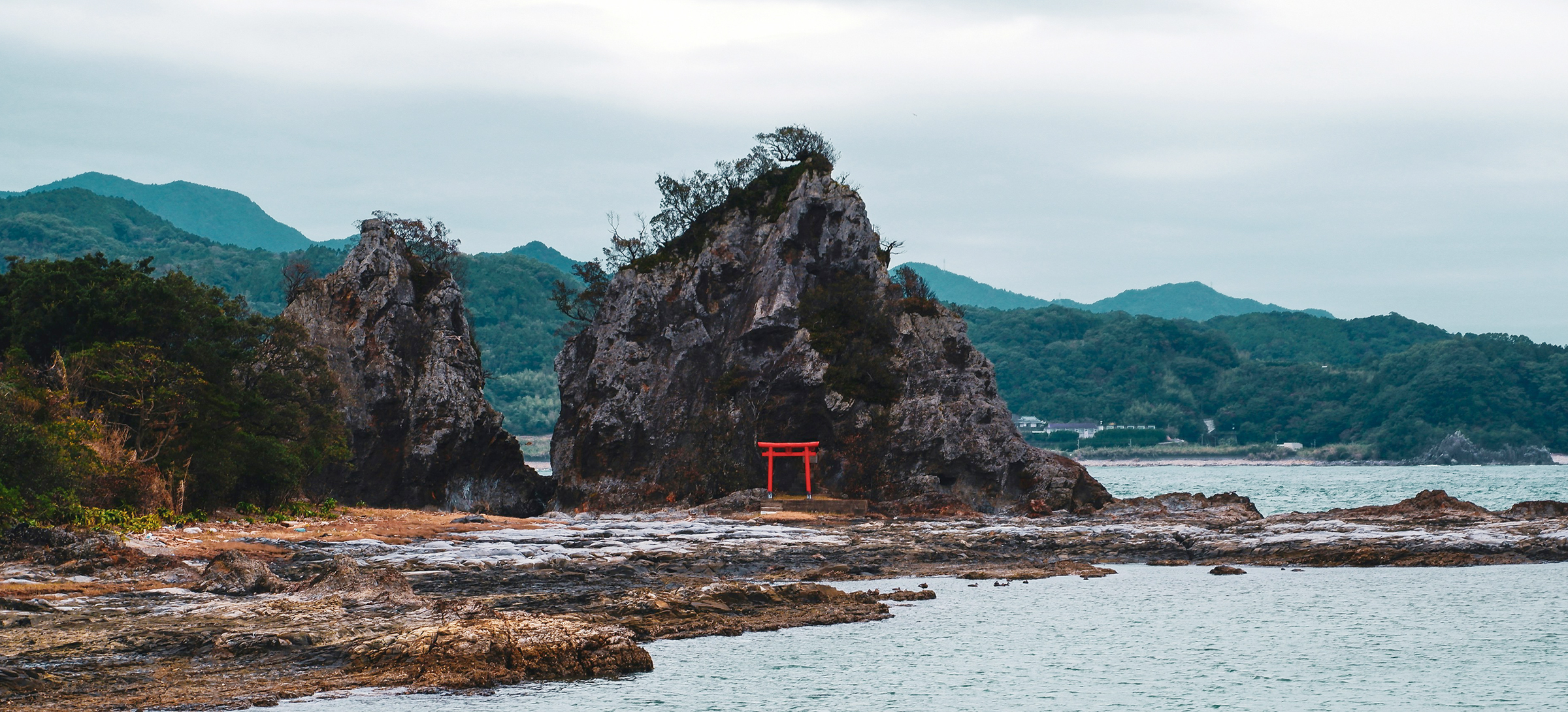
A Spiritual Prefecture of Pilgrimage and Awe-inspiring Nature
Wakayama
Sacred River Basins & Warm Coastal Richness
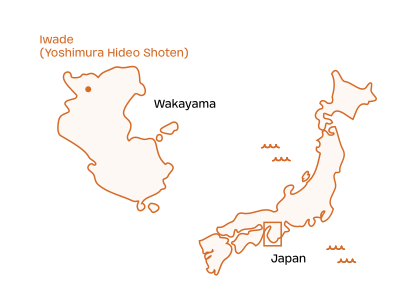
Located on the southern coast of the Kansai region, Wakayama is a sacred southern peninsula where mystical mountain river basins meet warm Pacific breezes to cultivate rich, umami-driven sakes.
Famed for the UNESCO Kumano Kodo pilgrimage trails, the temple mountain of Mt. Koya, and the historic birthplace of Japanese soy sauce (shoyu), Wakayama is regarded as a spiritual heartland and gastronomic center, renowned for leading national production of persimmons, mandarins, and plums (Umeboshi!).
As of 2025, there are nine sake breweries in Wakayama, many with histories reaching back more than a century.
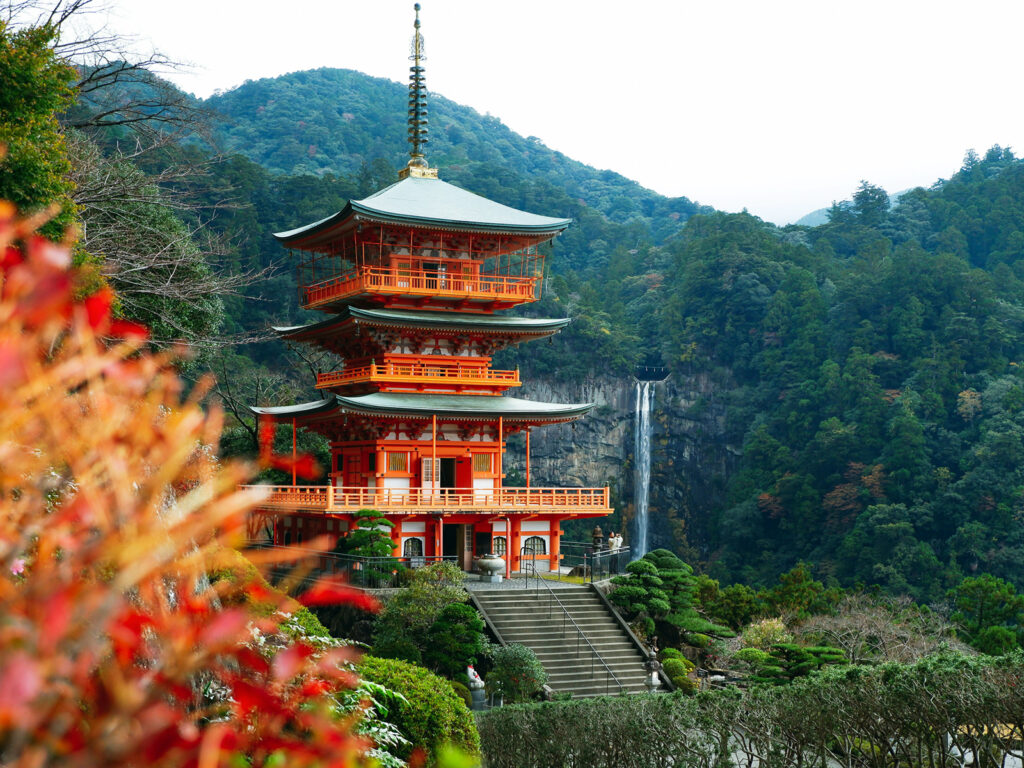
Elements of Wakayama
Shikomi-sui: Water Source
Soft, subterranean water drawn from the sacred flows of the Kinokawa river.
Sakamai: Local Rice Strains
Local coastal varieties of Yamada Nishiki, Miyamanishiki, and regional specialty, Tamasakae have the potential to yield intense, rich-flavored, rounder in tone sake with deep umami notes, a gentle sweetness, and a soft, lingering finish.
Producers
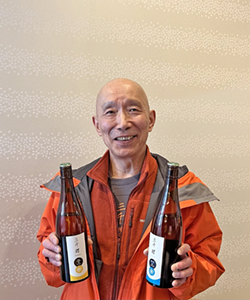
Michizakura Brewery
Higashikawa, Hokkaido
Representing the legacy and forward-thinking vision of 6th generation owner and master brewer, Koji Yamada, Michizakura specializes in brewing textural sake, honoring the town of Higashikawa, with nothing extraneous or unmastered in the process.
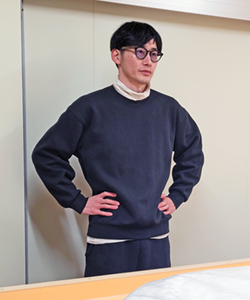
Tenryohai Brewery
Sado Island, Niigata
Near the ferry port on Sado Island off the coast of Niigata, Tenryohai is framed by dramatic grey/green snow-capped mountains buffeted by brisk, salt-filled winds. Master brewer Toji Senichi Kato has revitalized this brewery that was nearing closure in 2018, earning renown for its compelling, crisp, category-defining sake.
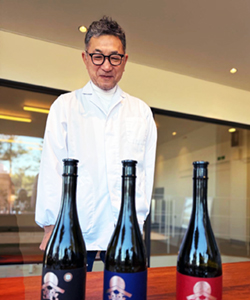
Ilaka Sake Atelier
Matsukawa, Nagano
Master brewer Toji Katsumi Tanaka leads this world-class sake brewery, originally founded in 1665 and relocated in 2024 in the town of Matsukawa. Built to focus solely on quality, using only rice sourced from within 5km of the brewery and the ultra soft, pure water of the region, Ilaka’s limited sakes embody the purity of this pristine place.
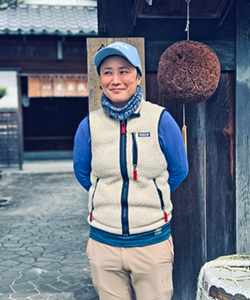
Yoshimura Hideo Shoten
Iwade, Wakayama
This small, historic, traditional brewery in the southern prefecture of Wakayama, is led by master brewer Toji Ms. Akiko Fujita, a student of the legendary Mr. Naohiko Noguchi. Voted as one of the most beautiful breweries in all of Japan, Yoshimura Hideo Shoten specializes in umami-rich sakes of intensity and breadth.