



Hauts-de-France
Northeast France

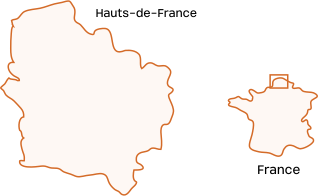
Hauts-de-France (in English, “Upper France”) is France’s northernmost region, where a climate too cold for viticulture and a cultural connection to the Low Countries created the perfect conditions for grain fermentation & distillation to become de rigueur.

The region has a consistent climate throughout the year, due to the sea: mild winters, cool summers, lots of rain.
Neighbors & Subregions
Where France Looks Northward
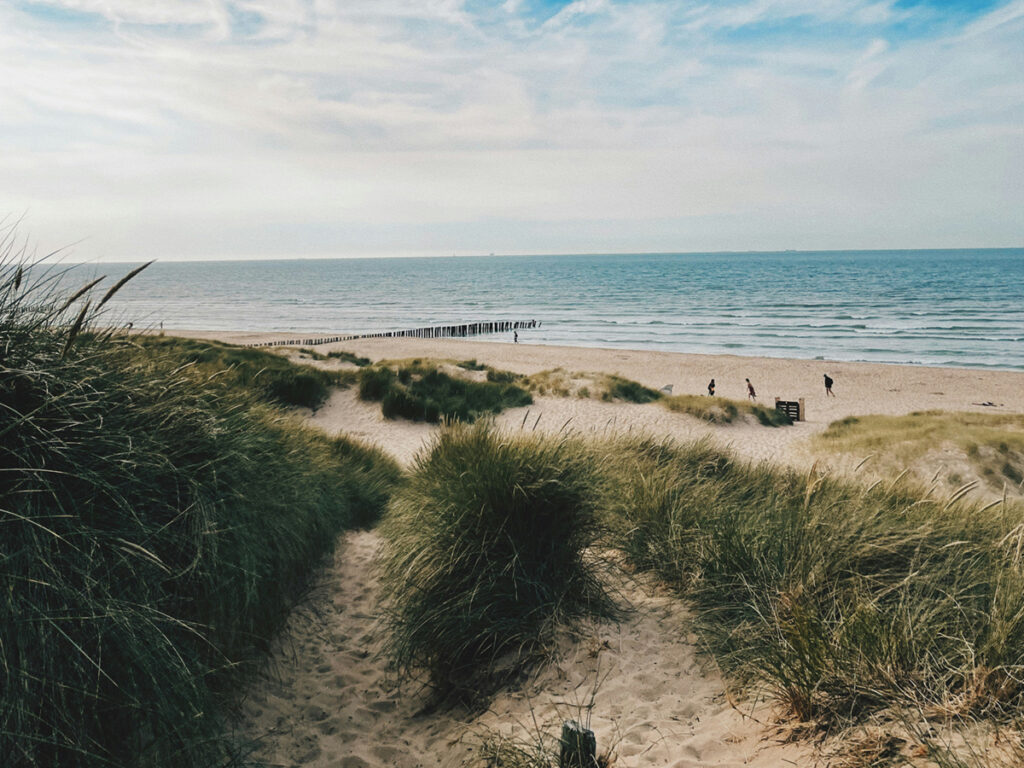
This place that has hosted centuries of war has now become best-known for the symbol of peace that is the Channel Tunnel, which connects France to its historic rival, England. Hauts-de-France also borders Belgium to the northeast, with the North Sea to the north and the English Channel to the west. Its five divisions (Aisne, Nord, Oise, Pas-de-Calais, and Somme) are full of place names that are synonymous with famous battles, sites of peace treaties, and international military cemeteries. The land itself is quite flat, with rolling hills inland and lofty dunes with epic, chalk cliffs in the Côte d’Opale on the North Sea coast.
Culture & History
A Crossroads of Cultures
Like many of its European neighbors, the modern nation of France was formed from a number of regions that had their own strong cultures and languages. Many of them are relative newcomers to the French language, historically speaking. Even today, Hauts-de-France hosts a substantial number of native speakers of the Picard language (Ch’ti), as well as the French dialect of Flemish. The Picard and Flemish cultures are very present as well, making Hauts-de-France a cultural blend that owes as much to the Low Countries as to what we might consider definitively French.
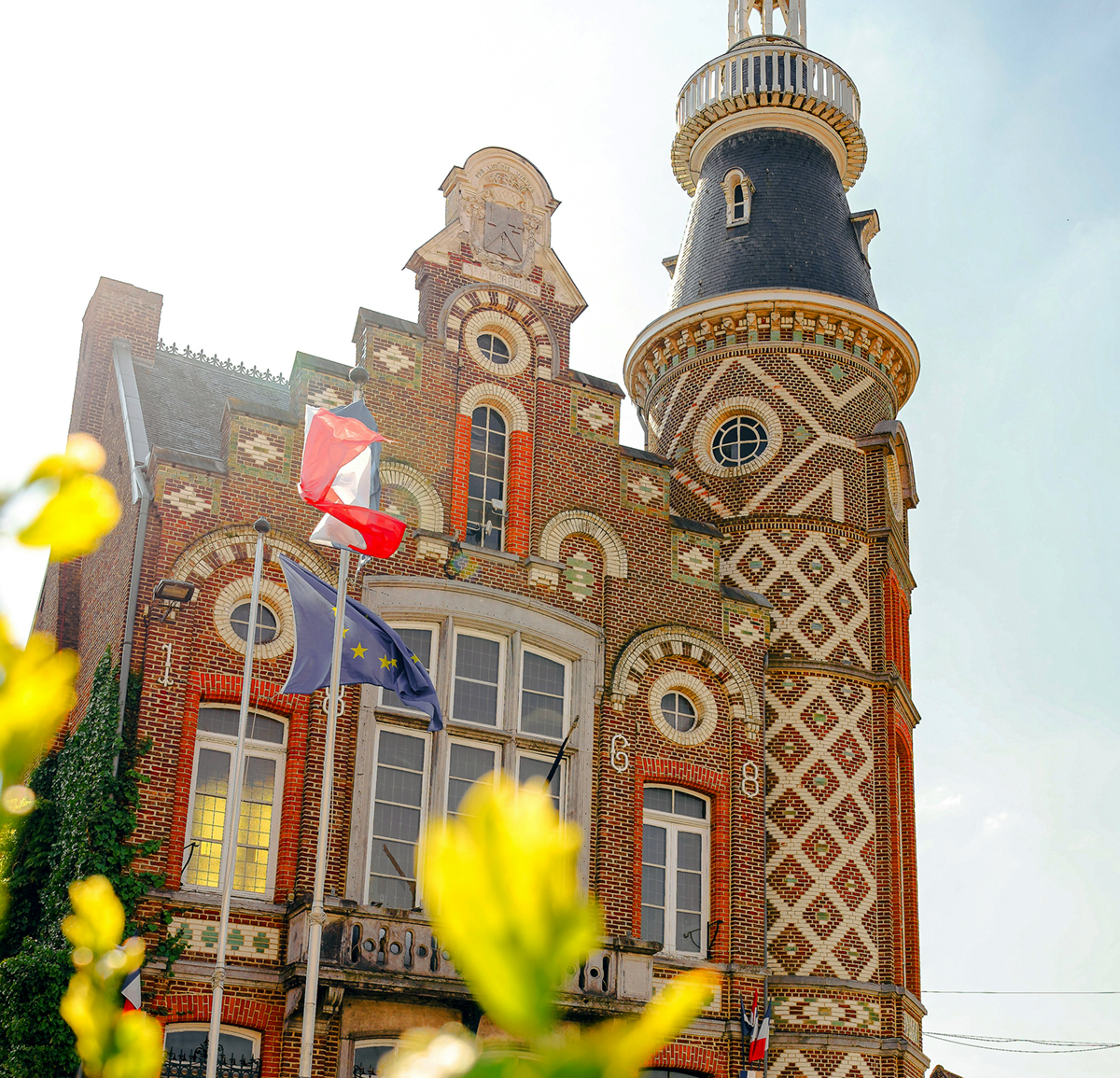
The all-time highest-grossing French film domestically is Bienvenue chez les Ch’tis, which pokes fun at the presumption that Hauts-de-France is a cultureless, freezing cold backwoods. A sun-loving Provençal postman is reassigned against his will to a small, post-industrial northern village. There, he quickly overcomes his initial despair as he realizes that les Ch’tis are friendly, welcoming, and undeniably delightful. This characterization is a point of pride for denizens of Hauts-de-France, who enjoy surprising unsuspecting visitors with their delicious beer, incredible architecture, and hospitable ways.
Labor & Economics
Conflict & Commerce
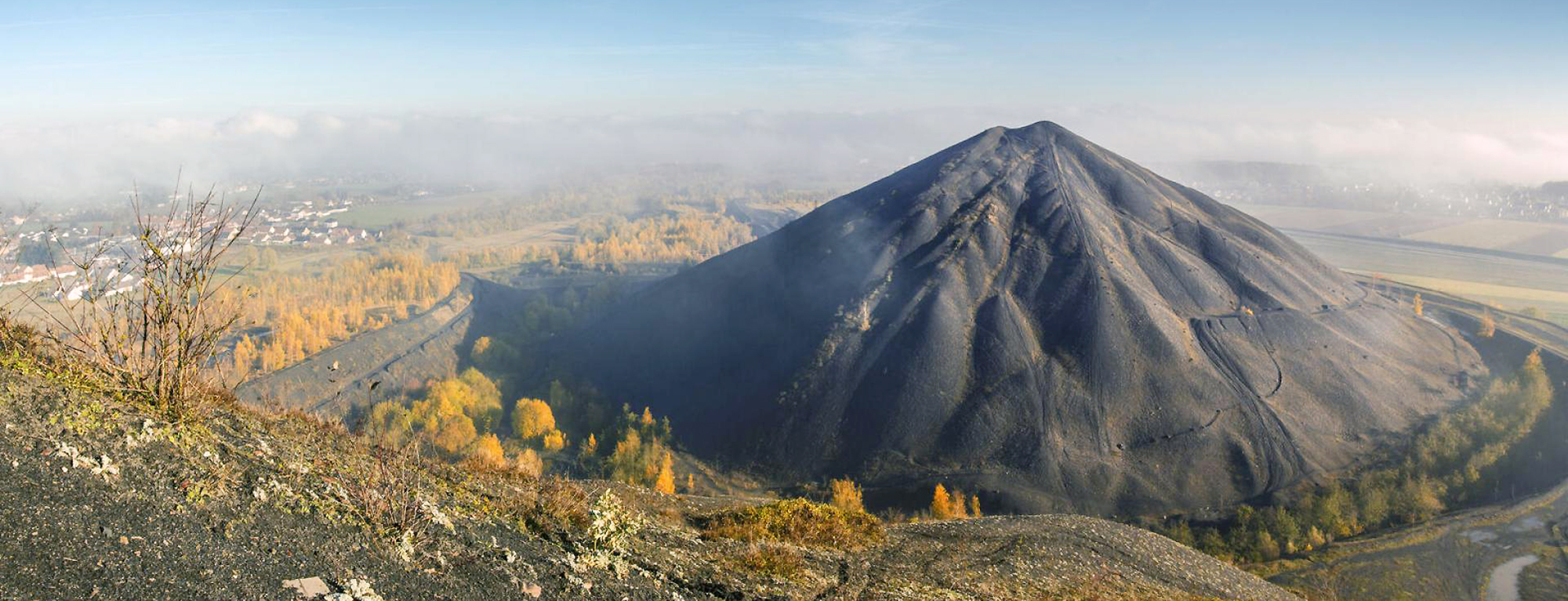
Hauts-de-France is the third most populous region in France and the second-most densely populated region in metropolitan France after Île-de-France, a fact that might come as a surprise to those in the United States. Especially near Lille and the Belgian border, trade with northern Europe, the UK, and beyond has buoyed Hauts-de-France’s population and wealth. This helped it to bounce back after the devastation of both World Wars and as its coal, steel, and textile mills gradually disappeared toward the second half of the 20th century. The slag heaps that remain as monuments to this history are now UNESCO sites and popular hiking destinations.
Terroir & Style
Well Above the ‘Wine Line’
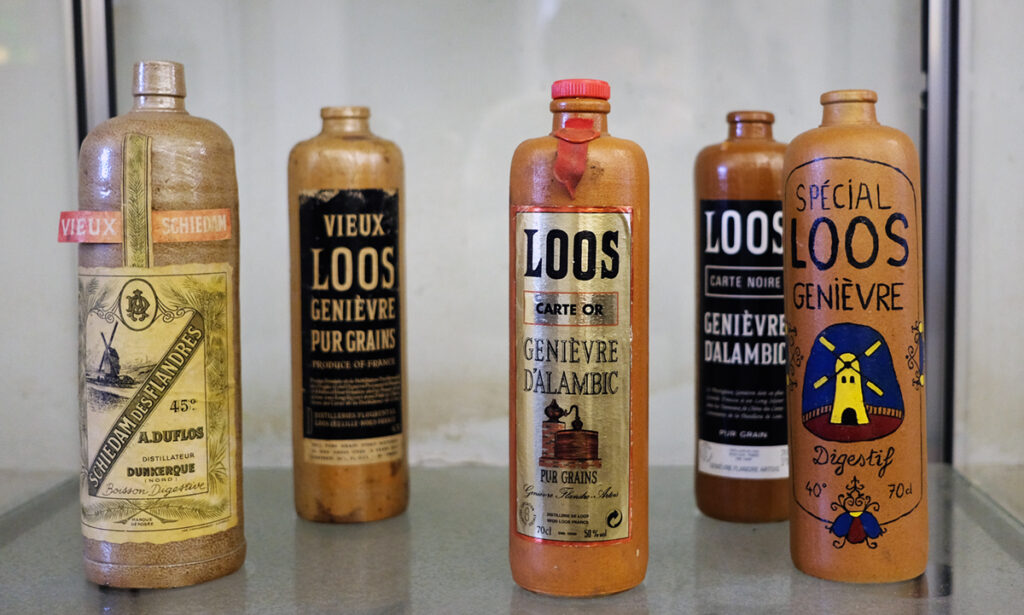
Hauts-de-France has historically been a center for grain production, as even its southern extreme is too far north for viticulture. The Flemish connection to brewing and distilling traditions of the Netherlands and the formerly-Spanish territory that is now Belgium meant that aromatic ales and juniper-inflected genever assumed the place of wine and brandy in the taverns of Calais and Amiens.
Locally-grown barley, wheat, and rye were brewed, distilled, and sold in enormous volumes both abroad and to local miners and mill workers. The bière de garde style of beer is most strongly associated with Hauts-de-France—as is genièvre, the local version of genever, the malty and rich ancestor of dry gin. Though popularity of these traditional spirits has waned in recent generations, there is still a dedicated cohort of consumers, along with a groundswell of curious newcomers intrigued by the novelty of drinks steeped in local culture.
Producers
Spirits from Hauts-de-France
T.O.S. Distillerie
Aix-Noulette
Brewers-turned-distillers reviving Flemish spirits culture, leveraging their fermentation savoir-faire into superb, nuanced grain spirits.