



Cognac
Southwestern France

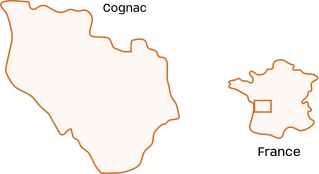
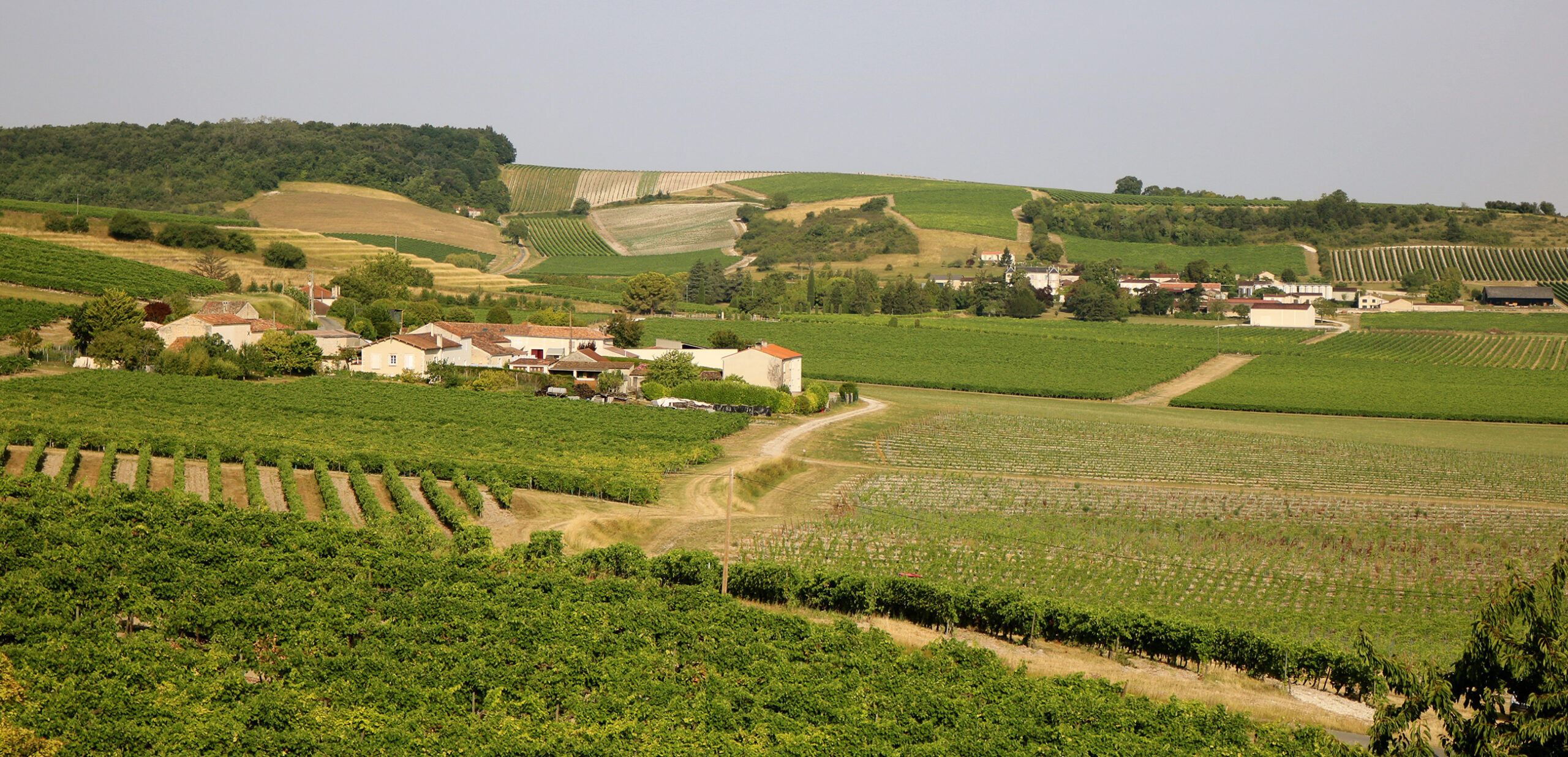
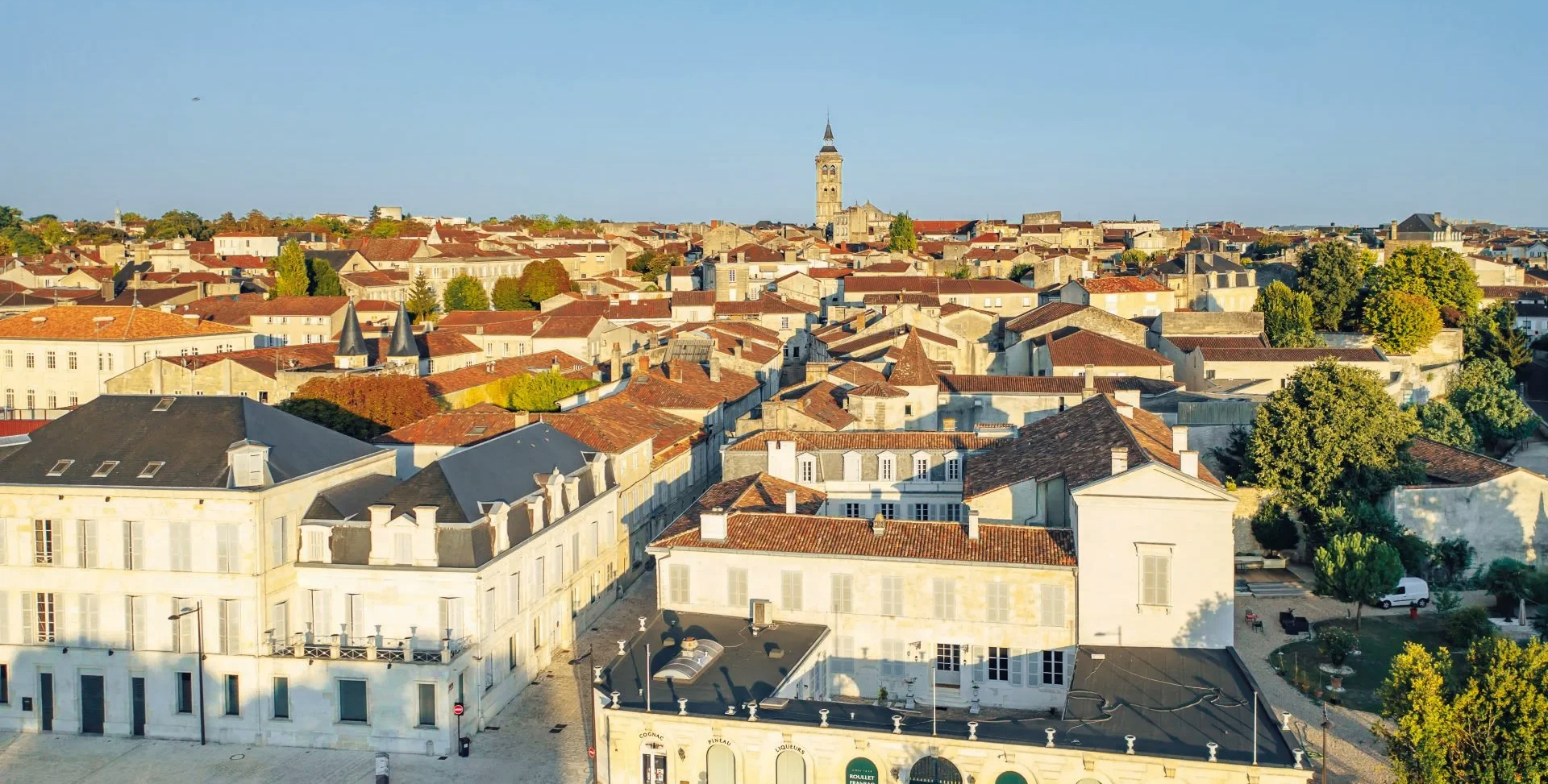
Cognac is a rural region of southwestern France defined by chalk-rich soils, Atlantic influence, and centuries of agricultural specialization. Centered around the Charente River, its landscape of gentle
hills and vineyards developed in close relationship with trade routes, shaping
a regional identity rooted as much in geography and history as in distillation.

Temperate maritime climate influenced by Atlantic proximity and gentle elevations.
Location & Origins
Trade routes and early influence
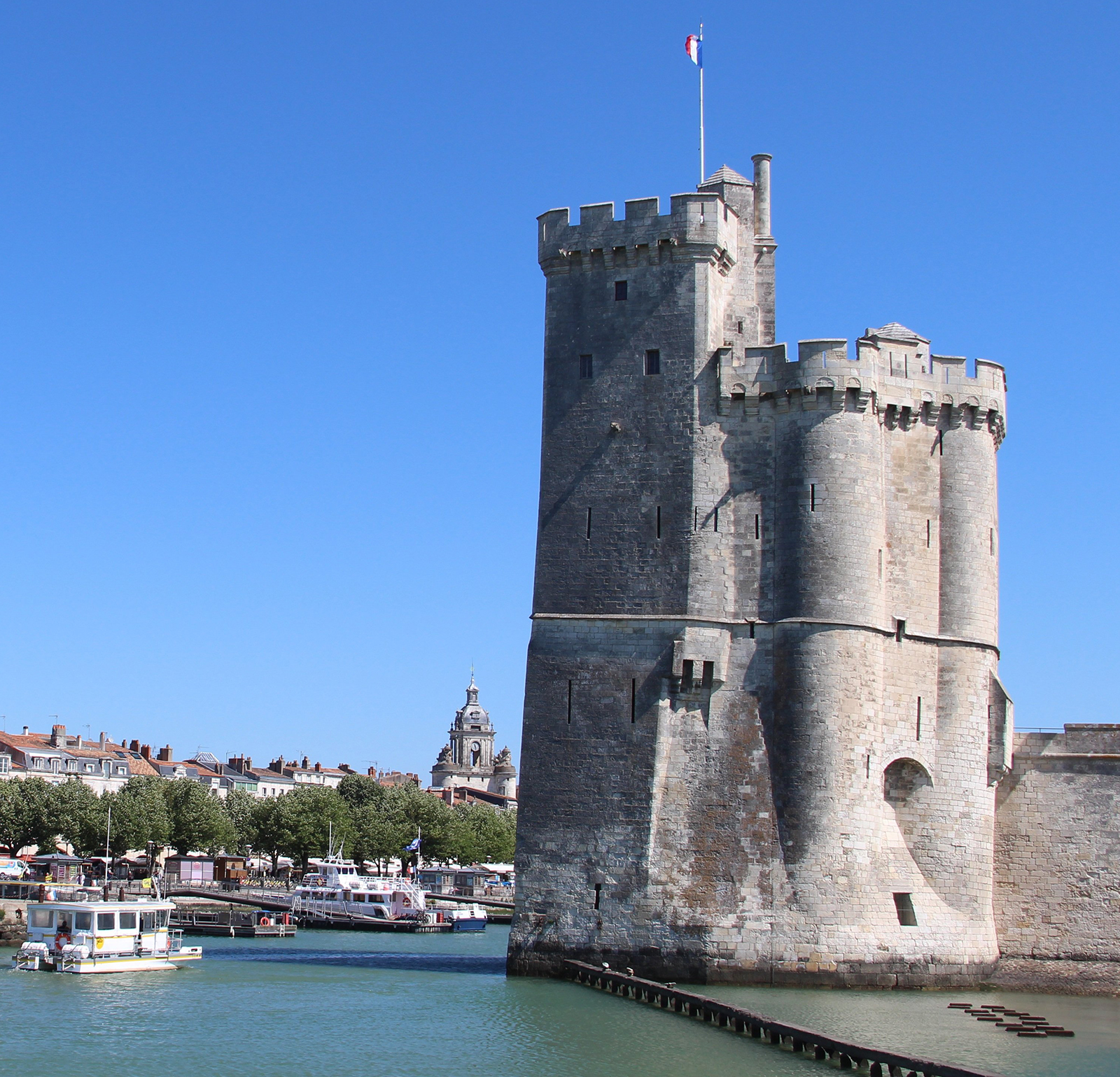
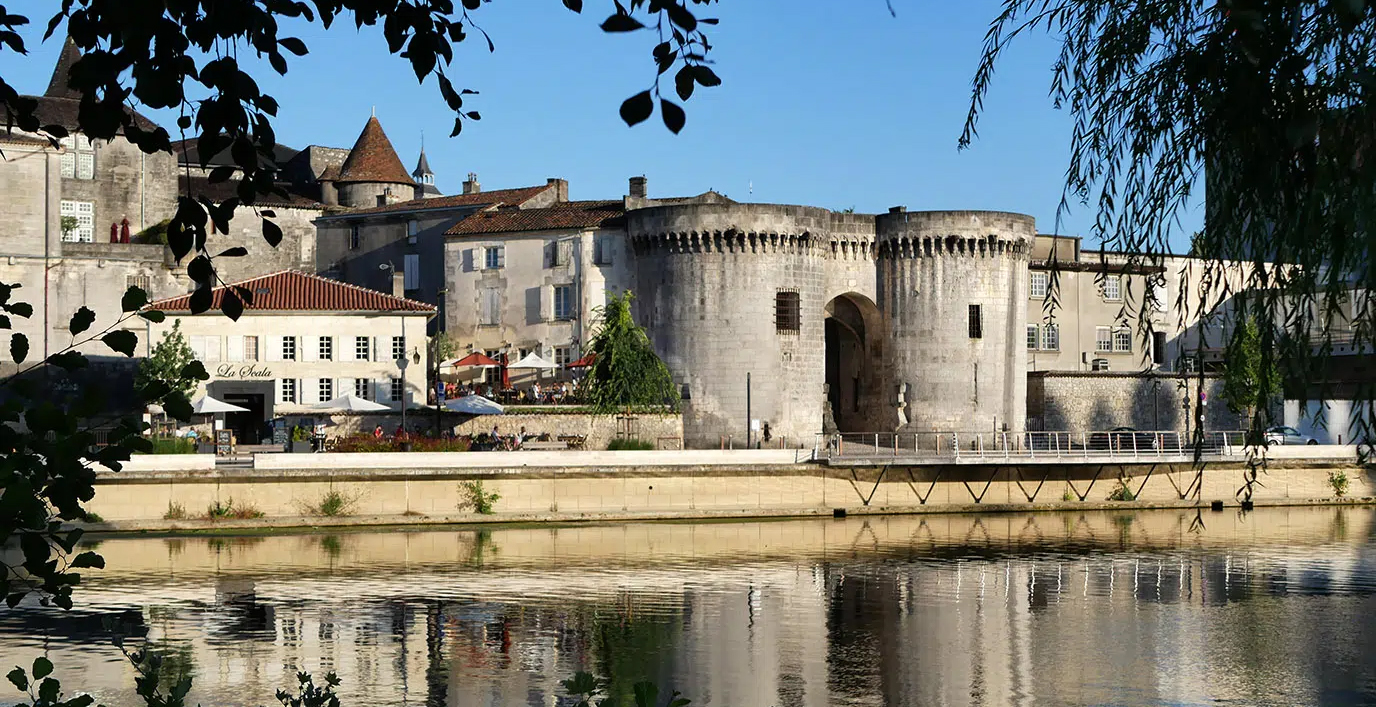
Doubtless the most famous brandy in the world, cognac is a spirit from the commune of Cognac, made with grapes grown in the Charente and Charente-Maritime departments. Located north of Bordeaux along the Gironde estuary, cognac (the spirit) became internationally known thanks to its location along the navigable Charente river, which opens out to the Atlantic between Île d’Oléron and La Rochelle, offering opportunities for trade with the United Kingdom and northern Europe. Those relationships were established long before the brandy came into renown, as much of the surrounding area had been ruled by the Angevin Empire, which controlled most of England, Normandy, and western France down to the Pyrenees.
Early Commerce & Distillation
From fortified wine to brandy
In the early modern era, enterprising Dutch wine traders set up shop in the port cities along France’s west coast, and their dual technologies of land reclamation and distillation followed. These merchants created export markets for sweet wines fortified with brandewijn (‘burnt wine’ in Dutch) for strength and stability, as was the preferred style at the time—likely the ancestor of pineau des charentes, which remains popular in the Low Countries to this day. Shifts in political and economic circumstances eventually diminished this fortification industry, but the stills remained, along with vineyards planted for yield rather than quality. After the Nine Years’ War, the Dutch were expelled and supplanted by British merchants, who, along with newly-empowered domestic French distillers, elevated the reputation of these brandies, now enjoyed in their own right. As with many other commodity goods, the wealth of the British established and reinforced the high regard and regional specificity of cognac, which it still benefits from today.
Crus & Geography
From Champagne to coastal zones
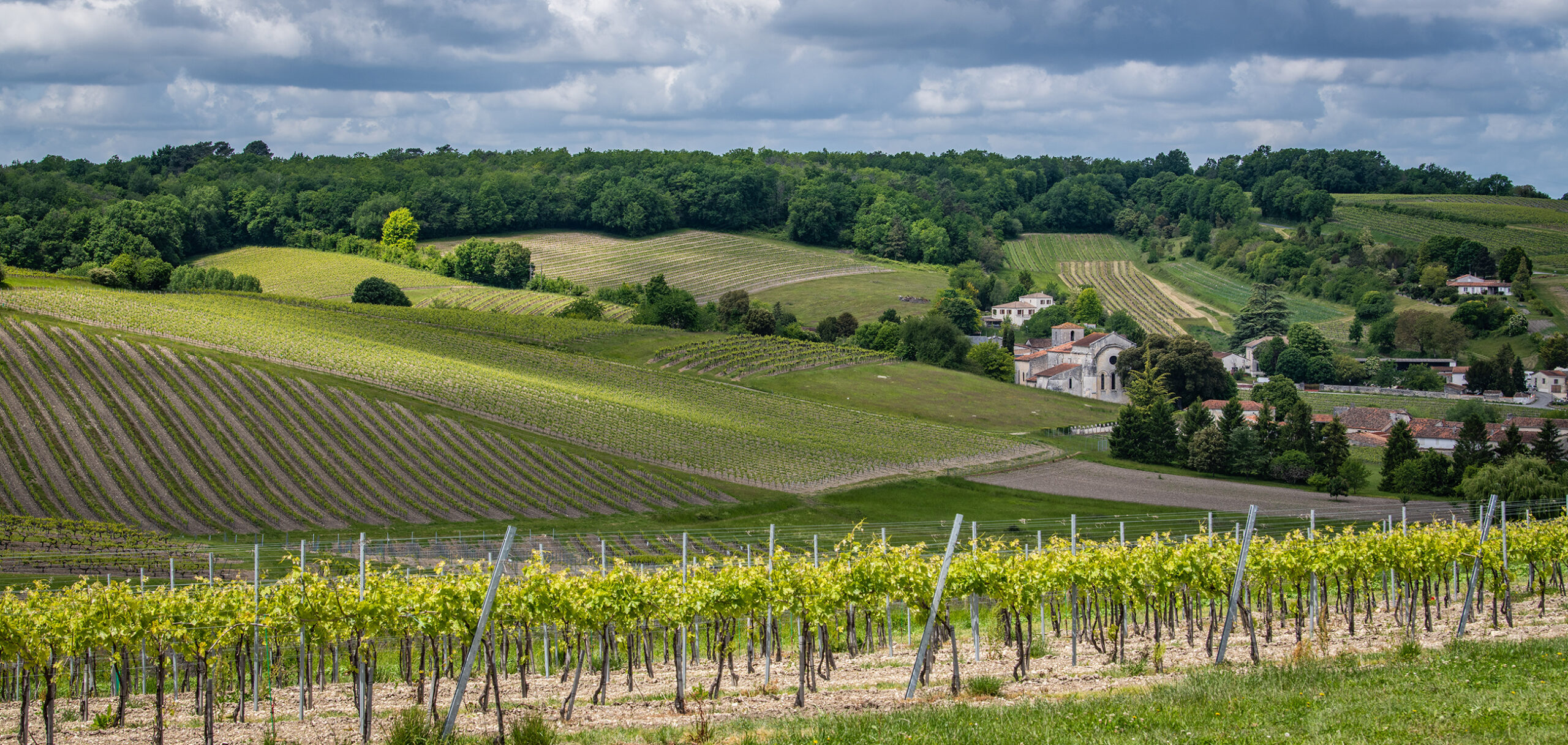
The Cognac AOC’s crus radiate outward roughly from the town of Cognac—the small, elite trio of Grande Champagne, Petite Champagne, and Borderies at the center, then into Fins Bois, and beyond into Bons Bois and Bois Ordinaires. The former three represent traditionally the most desirable vineyard land, with favorable microclimates and limestone and chalk soil, while those qualities are perceived as less prevalent further outward. Notably, while there is some correlation between soil type and cru, one will note that the proximity to Cognac’s port on the Charente (and therefore, more economical shipping to wealthy export markets, ensuring a quicker return on investment) is at the center of the most highly-regarded subregions.
Grape Varieties
Ugni Blanc and acidity-driven distillation
The principal grape used for cognac production is Ugni Blanc, the local name for Italy’s Trebbiano, which must comprise 90% of the blend to qualify as cru cognac (Colombard, Folle Blanche, and other less common grapes are also permitted). Ugni Blanc’s potential for acidity is its defining characteristic, which is highly desirable for a wine destined to be distilled. This quality is enhanced by the soils of the most well-regarded vineyard sites, with their preponderance of chalk and limestone.
Aging & Classification
Oak, time, and designation
Aging is done exclusively in oak casks grown in the nearby Tronçais and Limousin forests. Wood staves for the barrels are seasoned through exposure to the open air for at least eight seasons. Barrels are constructed and toasted to the desired specifications by local tonneliers. The eau-de-vie becomes cognac only after two years in barrel, at which point it qualifies as a VS. The youngest brandy in a given blend defines the age designation: four years for VSOP, six for Napoléon, and ten for XO.
Industry Scale
Exports, consolidation, and blending
Cognac is big business—the numbers that define the industry are astounding. 98% is exported, mostly to the US and China. 90% of market share is held by just four multinational companies, with the vast majority of that being just one brand. 98% of eau-de-vie production destined to become cognac is made by négociants who do not age or bottle their own brandy. That spirit will be blended with dozens of others of varying vintage, representing perhaps hundreds of vineyards, in the pursuit of a finished cognac that is nearly indistinguishable from year to year, thanks to the skill of a master blender.
Estate Cognac
Single-vintage, single-vineyard expression
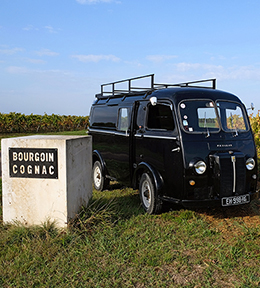
Of course, there are notable exceptions hidden within the remainder of those percentages. Our own Bourgoin stands in defiance of almost all other cognac—a fully estate product, where viticulture, vinification, distillation, aging, and bottling are all performed on site. Where, furthermore, each bottling is of a single vintage and single vineyard, unblended geographically or temporally. Unlike the goal of the larger, mainstream brands of consistency above all, Bourgoin is a clearly agricultural product, proudly showcasing variation across vintages. Their quality instead depends on their uncompromising viticulture on deep chalky soils, distilling savoir-faire gained through generations of practice, and barrel wood selected by Frédéric Bourgoin himself based on grain width and the soil type the tree grew in. While, as a baseline, cognac is a delicious spirit, this level of passion and intentionality elicits a product that is simply far more compelling than the overwhelming majority of the category.
Producers
Our Cognac
Bourgoin Cognac
Fins Bois | Cognac
Estate cognac producer crafting single-vineyard, single-vintage bottlings that emphasize agricultural origin, vintage variation, and meticulous distillation.