



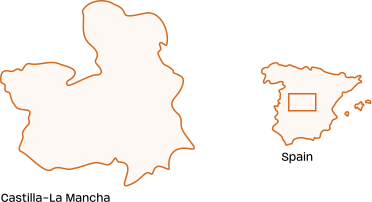
Castilla-La Mancha
Southern-Central Spain

Castilla–La Mancha spans Spain’s south-central interior, a vast high-altitude landscape shaped by extreme temperatures, wide-open plains, and centuries of agricultural tradition. Long associated with volume production, the region is now redefining itself through ambitious growers exploring its diverse soils and microclimates.

Hot, dry continental climate with intense summers, cold winters, and wide day-night swings.
Setting & Identity
Location, reputation, and scale
Castilla-La Mancha is a large region that lies south and east of Madrid, Spain’s capital. Commonly known for well-priced table wines from a multitude of grape varieties, this vast and fertile landscape is highly productive from an agricultural standpoint—conditions that tend to produce a large volume of relatively generic wine.
A substantial proportion also provides the raw material to be distilled into spirits such as Brandy de Jerez. More than half of Spain’s grapes are grown here, and it is one of the most sparsely populated of Spain’s regions.
Climate & Geography
Extreme temperatures and high-altitude landscapes
The climate has a strong continental influence with extremely wide temperature variation, from day to night and between seasons. In summer, temperatures can reach over 100°F, and temperatures consistently remain below freezing during the long, cold winters.
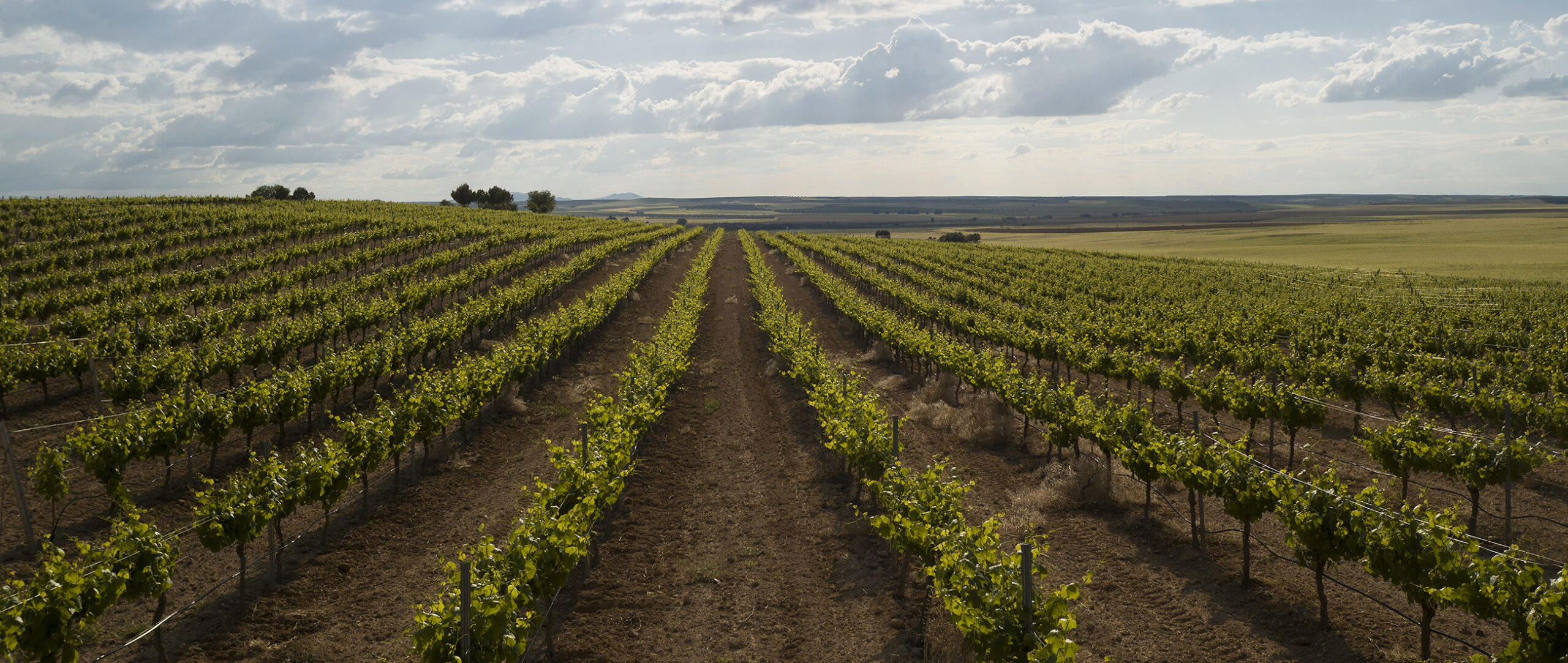
This remote region has a very high altitude and mountains in every direction, including the Sistema Central in the north, the Sistema Ibérico in the northeast, and the Sierra Morena and Montes de Toledo in the south. The vineyards typically sit between 500 and over 700 meters, but some are planted up to 1300m. The westward-flowing Tagus, Guadiana, and Guadalquivir rivers provide crucial water to the region, as do the Júcar and Segura rivers that drain into the Mediterranean Sea.
Winemaking Today
From bulk production to ambitious new projects
The La Mancha region is in the process of transformation, having previously been known for producing bulk wine, where the producers focused on quantity rather than quality. However, this situation has been rapidly changing in the past twenty years, as La Mancha is an exceptionally large and diverse area with many microclimates that are being explored by the current generation. There are many newcomers with great ambitions who are investing in the region, transforming and unlocking its potential.
Grape Varieties
Traditional heat-tolerant grapes and expanding plantings
Traditionally, only grape varieties that can tolerate hot, dry conditions were planted. The white grape variety airén is still the most widely planted grape in Castilla-La Mancha. It used to be the most planted variety in all of Spain, but has recently been overtaken by Tempranillo. Red grapes of La Mancha include tempranillo, cabernet sauvignon, merlot, petit verdot, garnacha, garnacha tintorera, monastrell, syrah, and bobal.
Culture & Heritage
Historic sites, literature, and protected landscapes
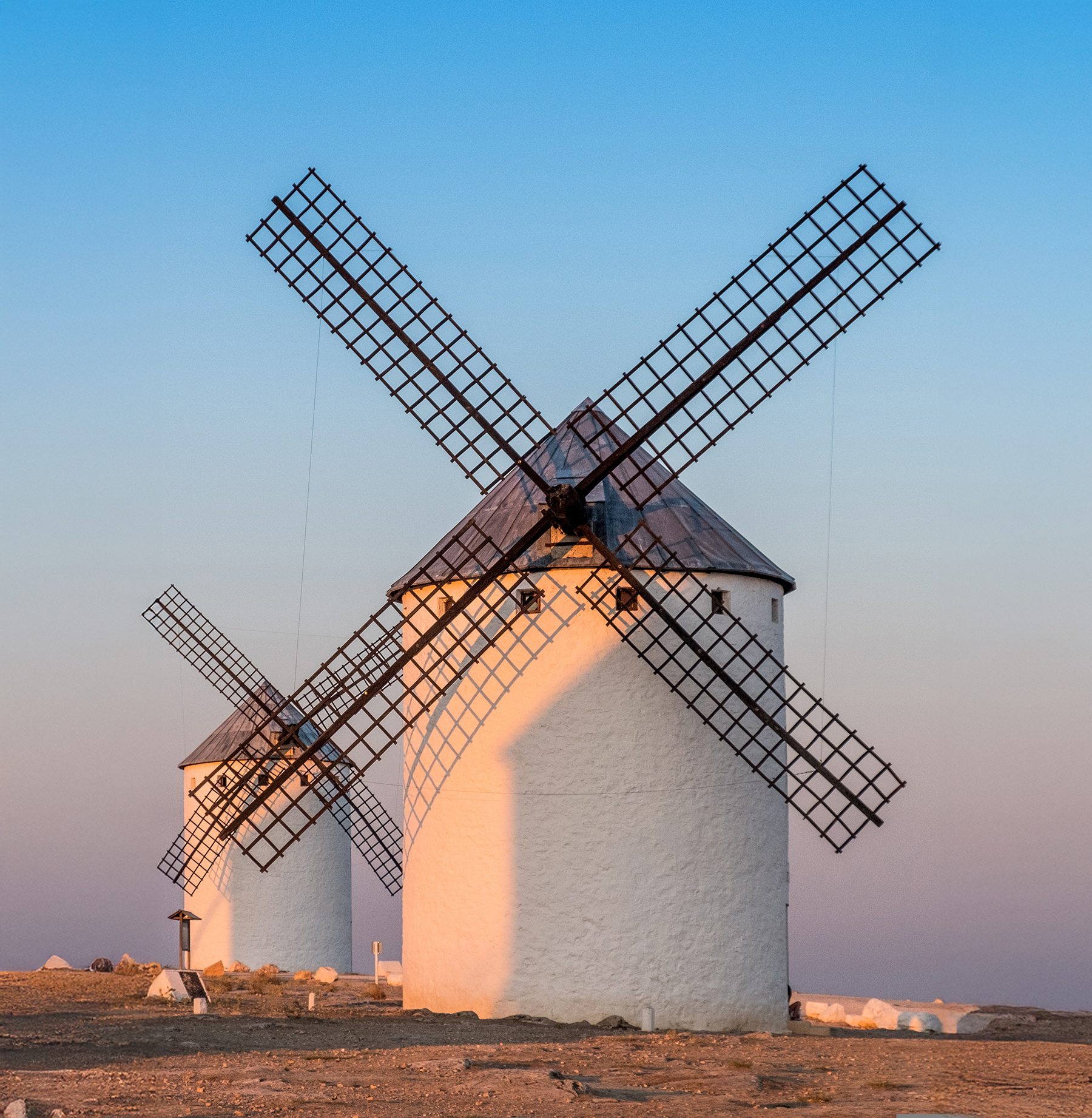
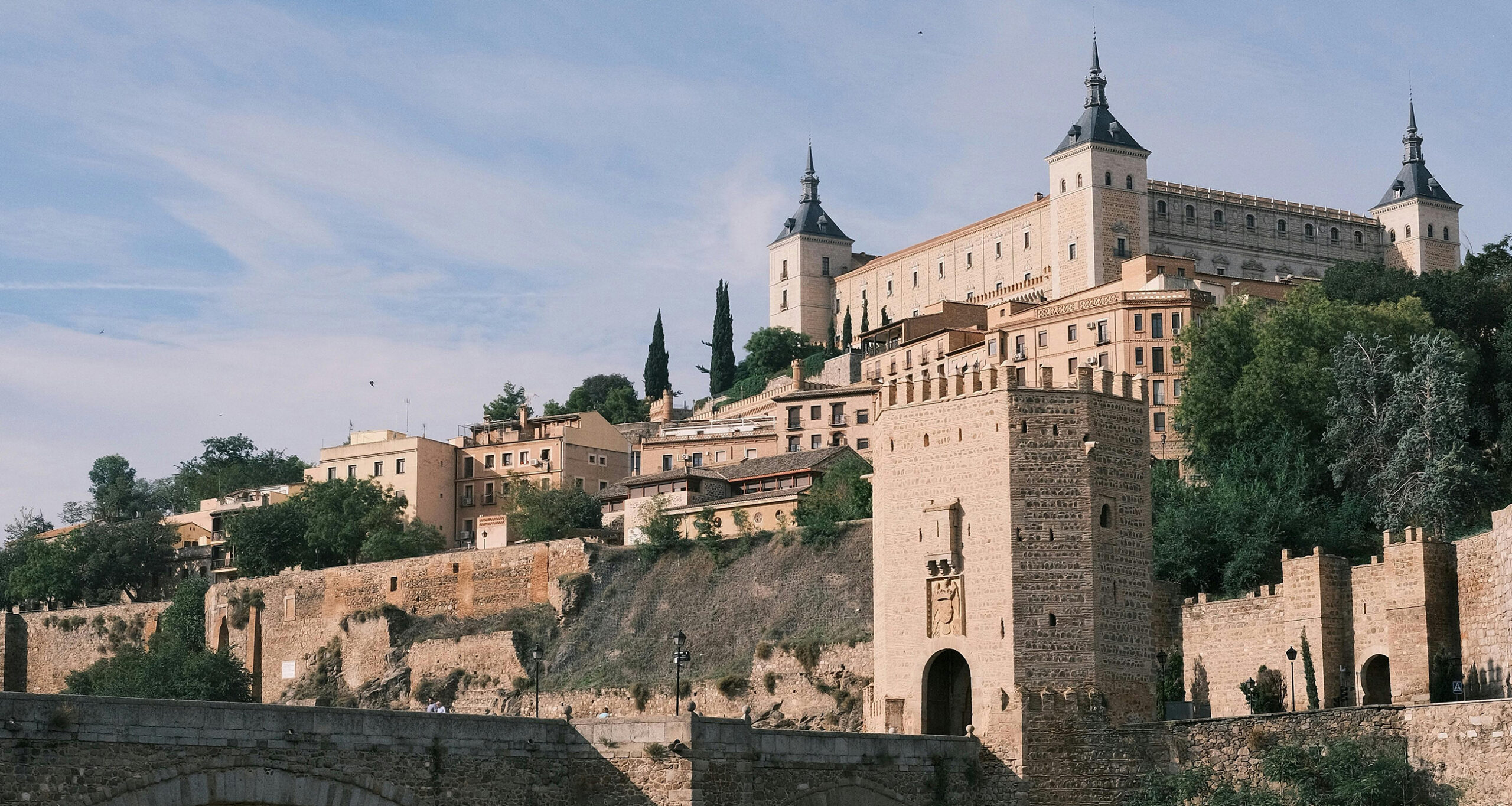
Castilla-La Mancha has a deep, broad cultural history, including the setting for the literary classic Don Quixote, as well as the place where many historic battles were fought, giving birth to the modern Spanish state in 1492. Culinarily, it is famous for sheep’s milk Manchego cheese. Scattered throughout the region are various World Heritage sites, including medieval castles, Stone Age rock paintings, and the historic cities of Toledo and Cuenca. Castilla-La Mancha has the largest number of officially designated nature reserves, nature areas, and national parks in Europe.
Producers
Wine from Castilla-La Mancha
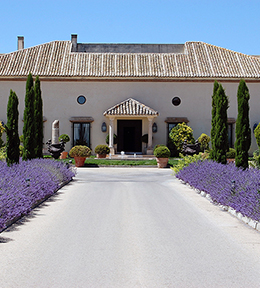
Martúe
Toledo | Castilla-La Mancha
Family-run winery in Castilla-La Mancha crafting expressive, terroir-driven wines that elevate local varieties with careful vineyard selection and thoughtful winemaking.