



Brittany
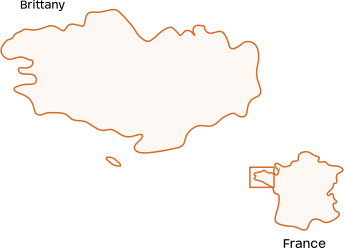
Northwest France

The Armorican peninsula, jutting out from the northwest corner of France, contains a language, history, and culture all its own, influenced heavily by both the surrounding seas and proximity to and membership of the community of Celtic nations.

Cool, damp, and consistent year-round, Brittany’s climate is moderated by the sea. It is generally sunnier and milder than its latitude would seem to suggest.
Location & Setting
Northwest Passage
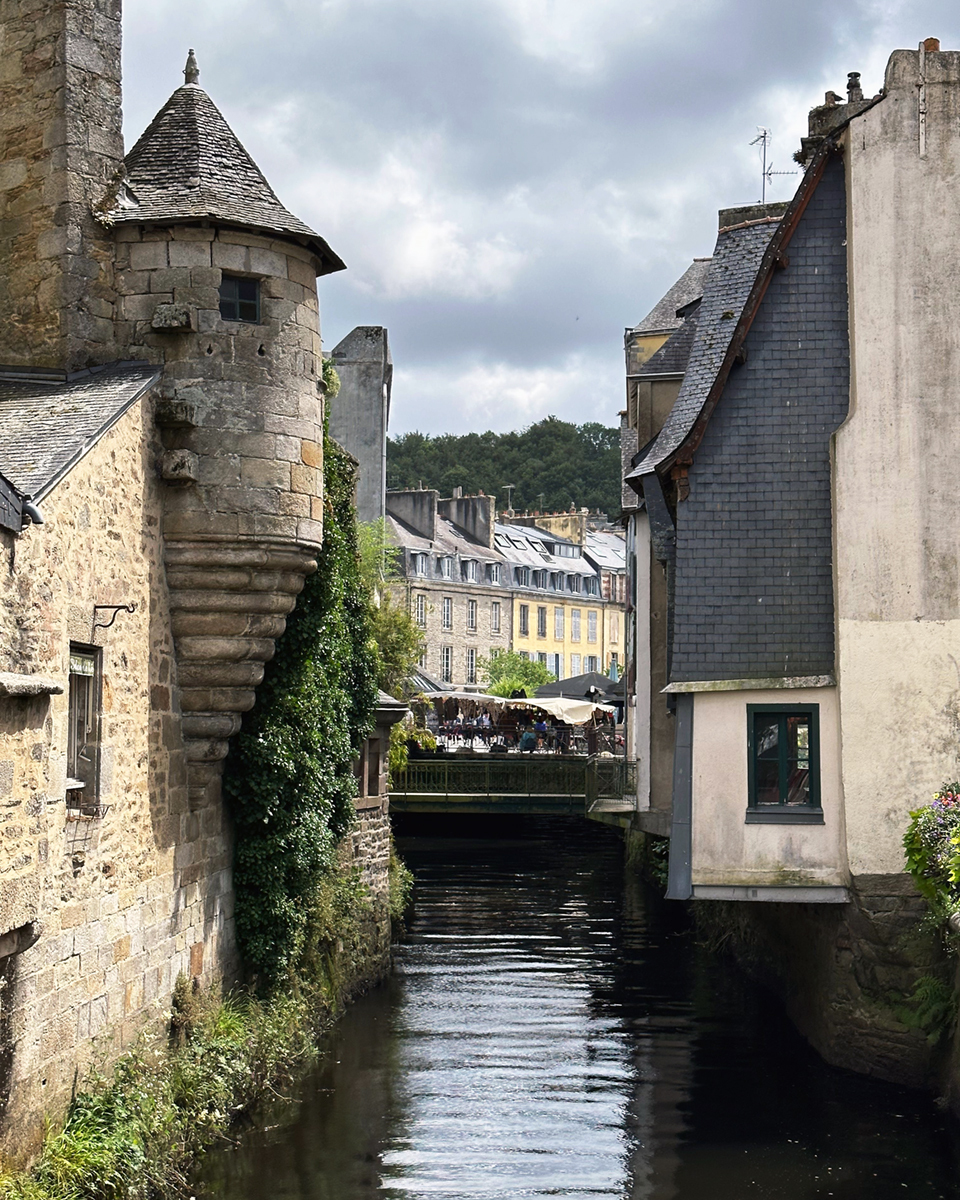
Bordering Pays de la Loire and Normandy, Brittany is both a cultural and an administrative region, the westernmost in metropolitan France. The traditionally Breton cities of Nantes (the capital of Pays de la Loire) and Rennes (capital of Brittany) are located at the base of the peninsula, while Quimper and Brest are at the western tip, appropriately called Finistère—the edge of the world. In the north, overlooking the English Channel, is the fortified medieval village of Saint-Màlo, rebuilt meticulously after its destruction in WWII. In the south, the similarly walled town Vannes stands sentinel on the Gulf of Morbihan and its many islands.
Culture & History
Beyond Striped Shirts
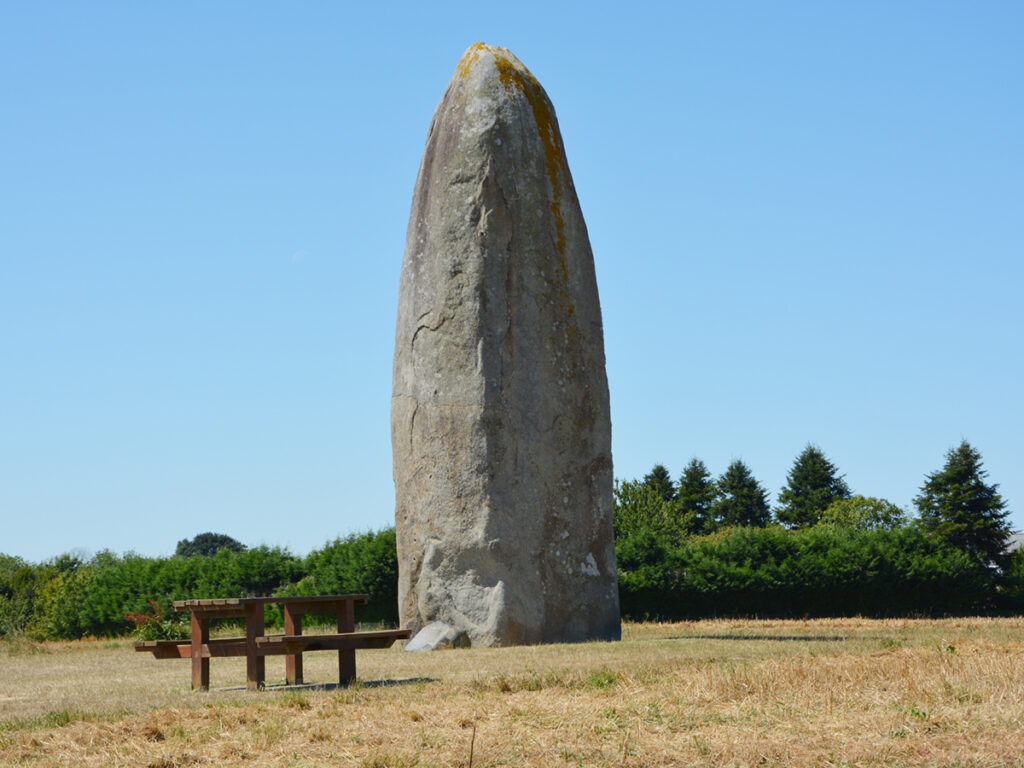
The land called Brittany, Bretagne, or Breizh has been perceived, both from within and from the rest of France, as a separate place, for much of its human history. There is a preponderance of Neolithic architecture in the region, dating as far back as 5000 BC, including megalithic grave mounds and Stonehengelike menhirs and dolmen that stand to this day. The Romans called the greater region Armorica, after the Celtic term meaning ‘by the sea.’ As the local Celtic tribes never fully Latinized, the region became a preferred destination for Celtic Britons (largely from the geographically similar Southwest Peninsula of England).
After undergoing Frankish, Viking, and Angevin raids across the centuries, Brittany became a duchy in union with the French Crown in 1532, while maintaining some level of autonomy. And despite near-continuous attempts to fully integrate the region into French culture, today, the Breton language is gaining speakers with Bretons taking great pride in their specific identity. So, while today, Brittany is nominatively and legally France, it remains probably the least culturally “French” and certainly the most Celtic part of l’Hexagone.
Geology & Geography
Rocky Seas & Shifting Tides
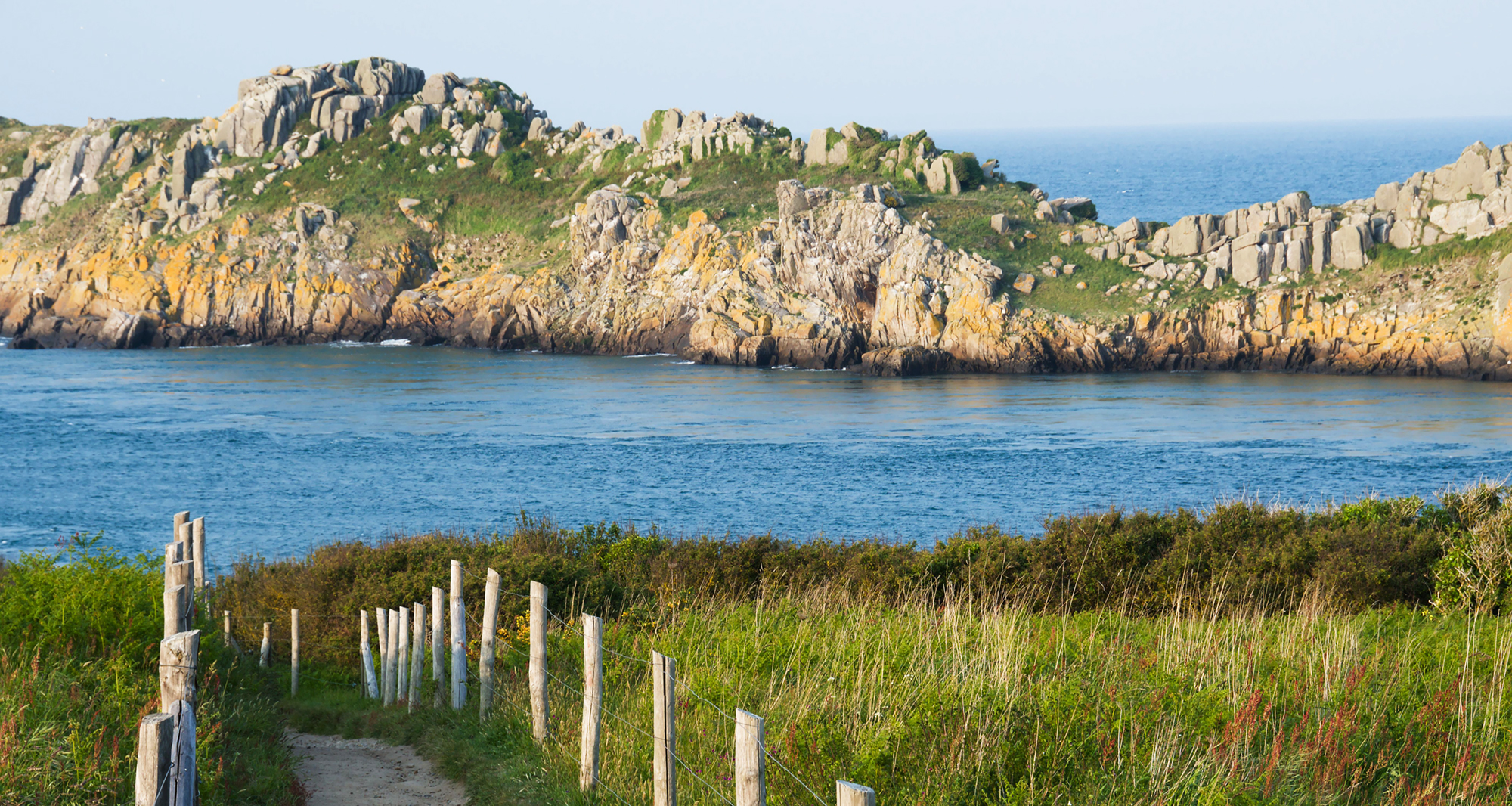
The Armorican Massif has been a site of nearly continuous geological change across time, shaped by volcanic activity, turbid seas, and the formation of the Alps & Pyrenees. Once an island, the opening of the Bay of Biscay during the Cretaceous Era caused the land to rise and meet the rest of the European continent, while contributing to the jagged-edged, rocky coastline that the North Atlantic continuously pummels to this day. Complicated by enough rías, capes, bays, and tidal islets to make fishermen wince, the varied composition of the Bretagne coast is on full display: predominantly granite, with some sandstone, and the blue schist that features prominently in local buildings.
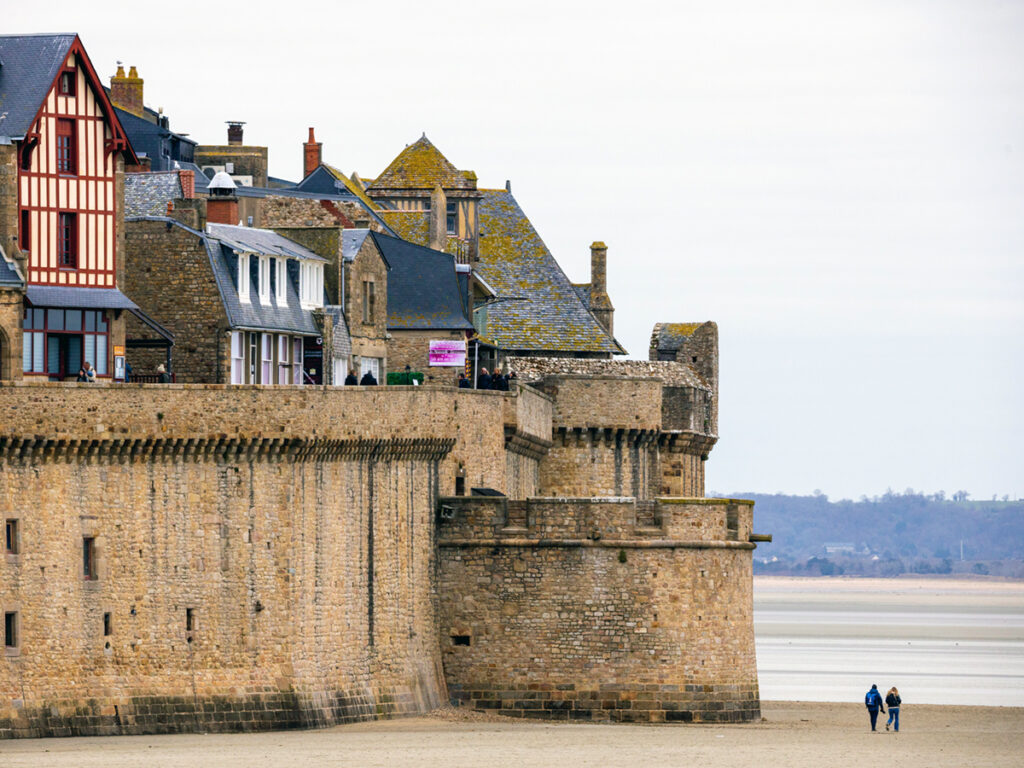
Inland, the ancient massif has been smoothed by time, from rugged mountains to a terrain of endless rolling hills, dotted with farms in the flatlands and valleys, as well as bogs. The north coast of Brittany mirrors the cliffs of the Cornish coastline across the English Channel. Rounding the Finistère department and its major city, Brest, at the westernmost edge of metropolitan France, and heading south toward the Loire estuary, past Saint-Nazaire, Breton culture and terrain gives way to the historic Angevin lands of Western France.
Terroir & Style
Grains & Apples
While Brittany abuts the famous Western Loire wine regions of Muscadet and Anjou, the Breton heartland has traditionally not been considered a productive viticultural area. Climate and culture have conspired to make this a land where fermentation and distillation were fueled by grain and apples. Brittany is France’s highest-volume cider producing region (sorry Normandy), where it’s often consumed out of the teacup-like, ceramic bolée. Cidre Breton remains the local beverage of choice, produced from hundreds of local apple varieties in sweet and dry styles with a certain characteristic rusticity. The apple mistelle pommeau de Bretagne and distilled eau de vie de cidre (called lambig in Breton) are produced here as well.
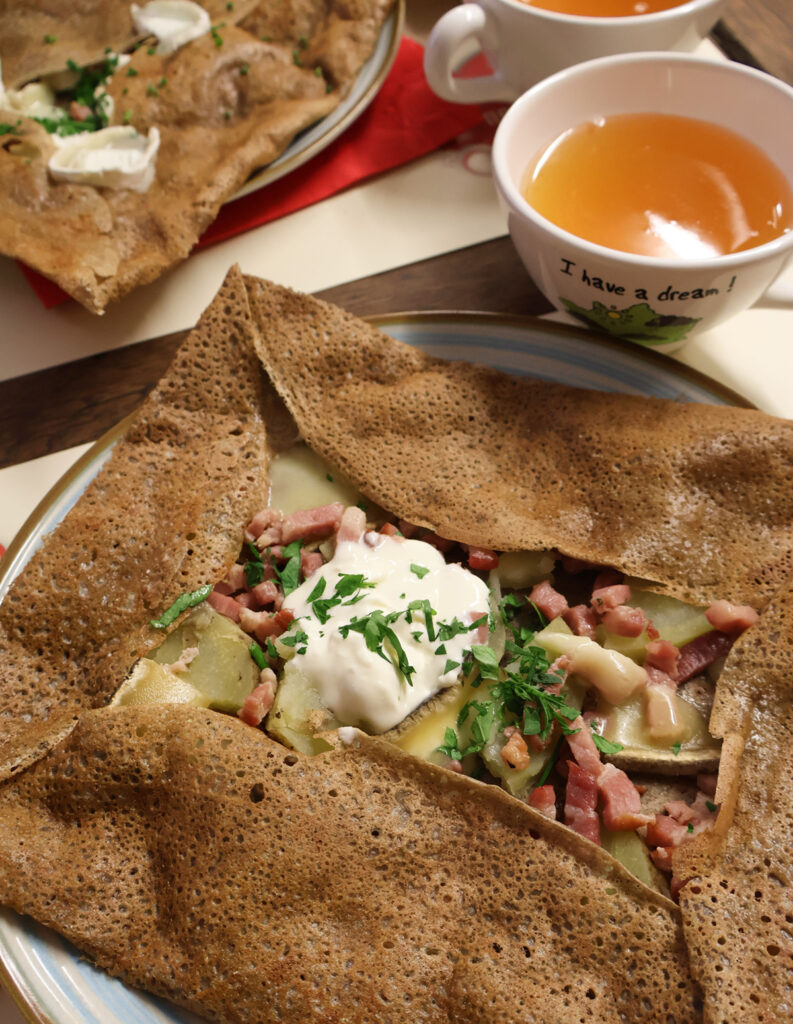
The French whisky boom has found one of its two primary loci in Whisky de Bretagne (the other being Whisky d’Alsace), where the modern movement began at Warenghem in 1983, with its first bottles released in 1987. Recent years have seen overwhelming growth in number of distilleries, production volume, and both local and international adoption of barrel-aged French grain spirits. The calling-cards of Whisky de Bretagne are primarily the pre-existing cultural connection with other Celtic whisky-making nations, and the signature Breton grain, buckwheat. Called eddu in Breton and sarrasin or blé noir in French, buckwheat features prominently in the cuisine of Brittany, especially its famous galettes. As it pertains to whisky-making, though, buckwheat is notably far less efficient than traditional barley—both in terms of yield per hectare at the farm, and in alcohol-producing potential in the still. That said, its impact on aroma and flavor is profound, even when only a portion of a blend.
Producers
Spirits from Brittany
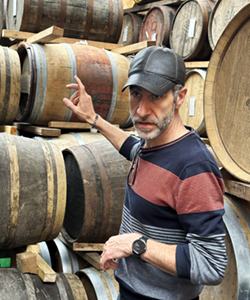
Naguelann Distillerie
Languenan
Lénaïck Lemaitre’s deeply personal study of whisky, connecting the Celtic cultures of Brittany and Scottish through distilling and aging traditions.