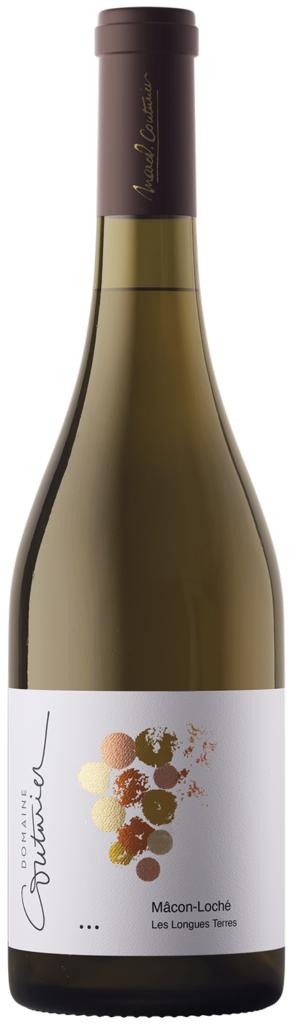
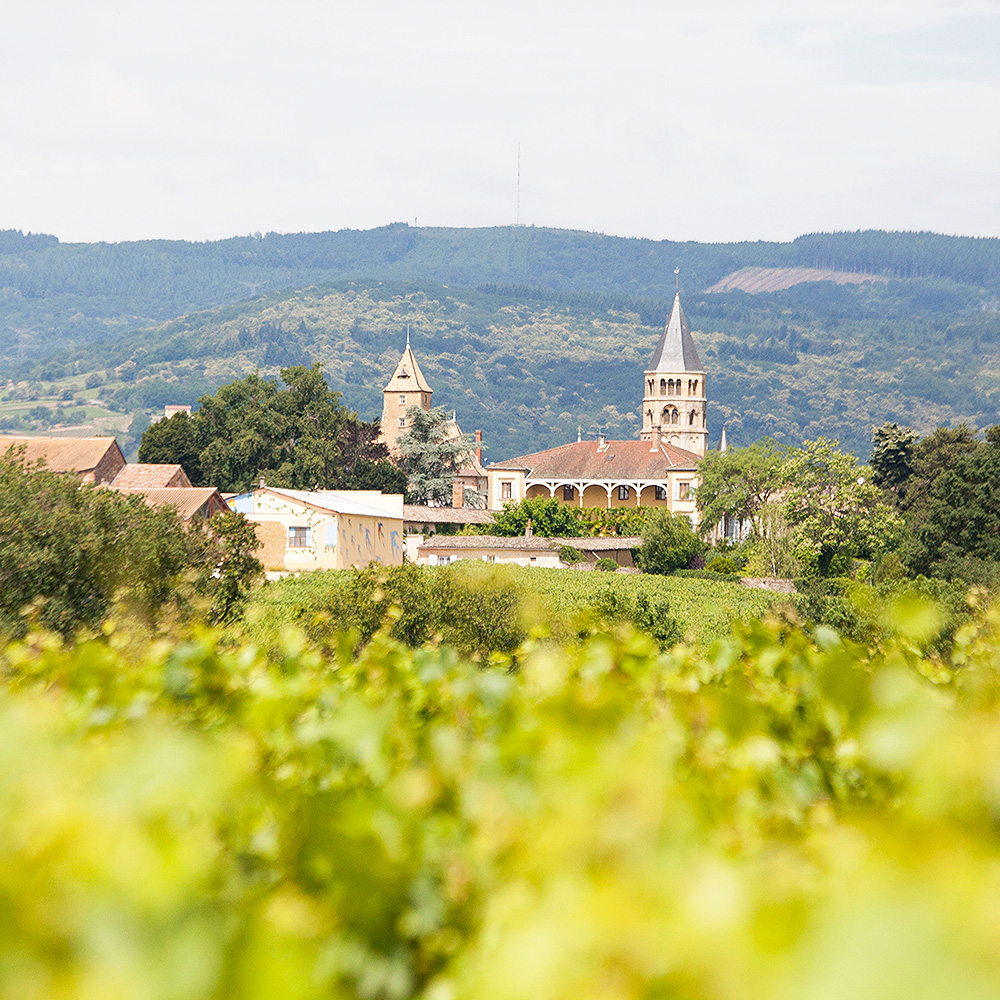
Domaine Couturier
Mâconnais | Burgundy

In the heart of the Mâconnais, Domaine Couturier makes biodynamic white wines that redefine what southern Burgundy can achieve on both the national and international stage. Together with his children Auxence and Cladie, Marcel Couturier uses regenerative farming and a deeply non-interventionist approach in the cellar to allow his vineyards to speak with clarity and precision.
Introducing the Estate
A Legacy of Southern Burgundy Excellence
Domaine Couturier is a family winery that blends generations of expertise with a progressive approach to farming some of the region’s oldest chardonnay vines. Meticulous, regenerative vineyard practices and a hands-off, non-interventionist winemaking philosophy allow for a degree of terroir expression that is rarely seen in the Mâconnais. From their elegant Bourgogne Blanc to their rare Vieilles Vignes cuvées, the Couturiers consistently deliver white Burgundies that combine freshness, depth, and remarkable longevity.
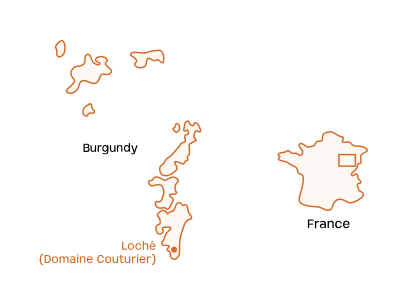
History & Origins
Raising the Bar in the Mâconnais
The Couturier family has been tending vineyards in the Mâconnais for generations, passing down plots of old-vine chardonnay and a profound understanding of the region’s soils and microclimates.
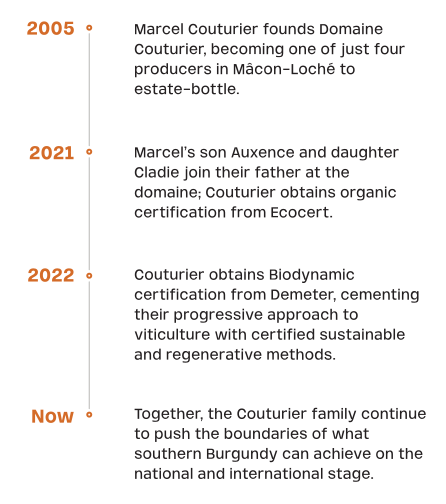
In 2005, Marcel Couturier established Domaine Couturier, becoming one of just four producers in Mâcon-Loché estate-bottling their wines. In the years since, Marcel has built a reputation across France and beyond for crafting wines that far exceed what conventional wisdom once believed the Mâconnais was capable of producing.
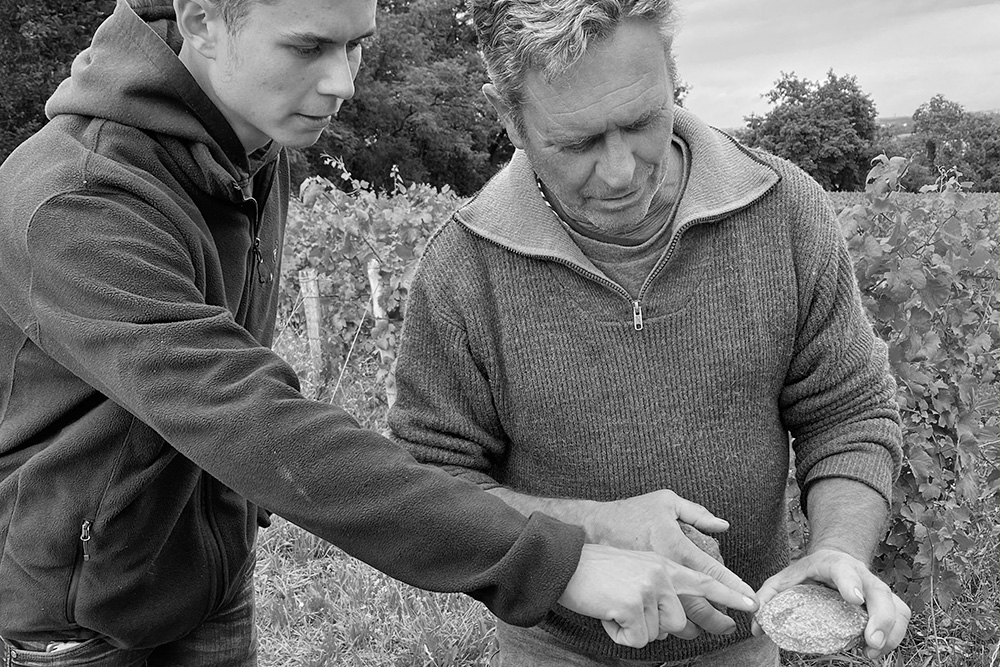
Marcel has passed on his craftsmanship and deep respect for the land to his daughter, Cladie, who oversees the winery operations, and his son, Auxence, who shares vineyard management and winemaking responsibilities with him.
The Vision Behind Domaine Couturier
Nature, Time, and Terroir
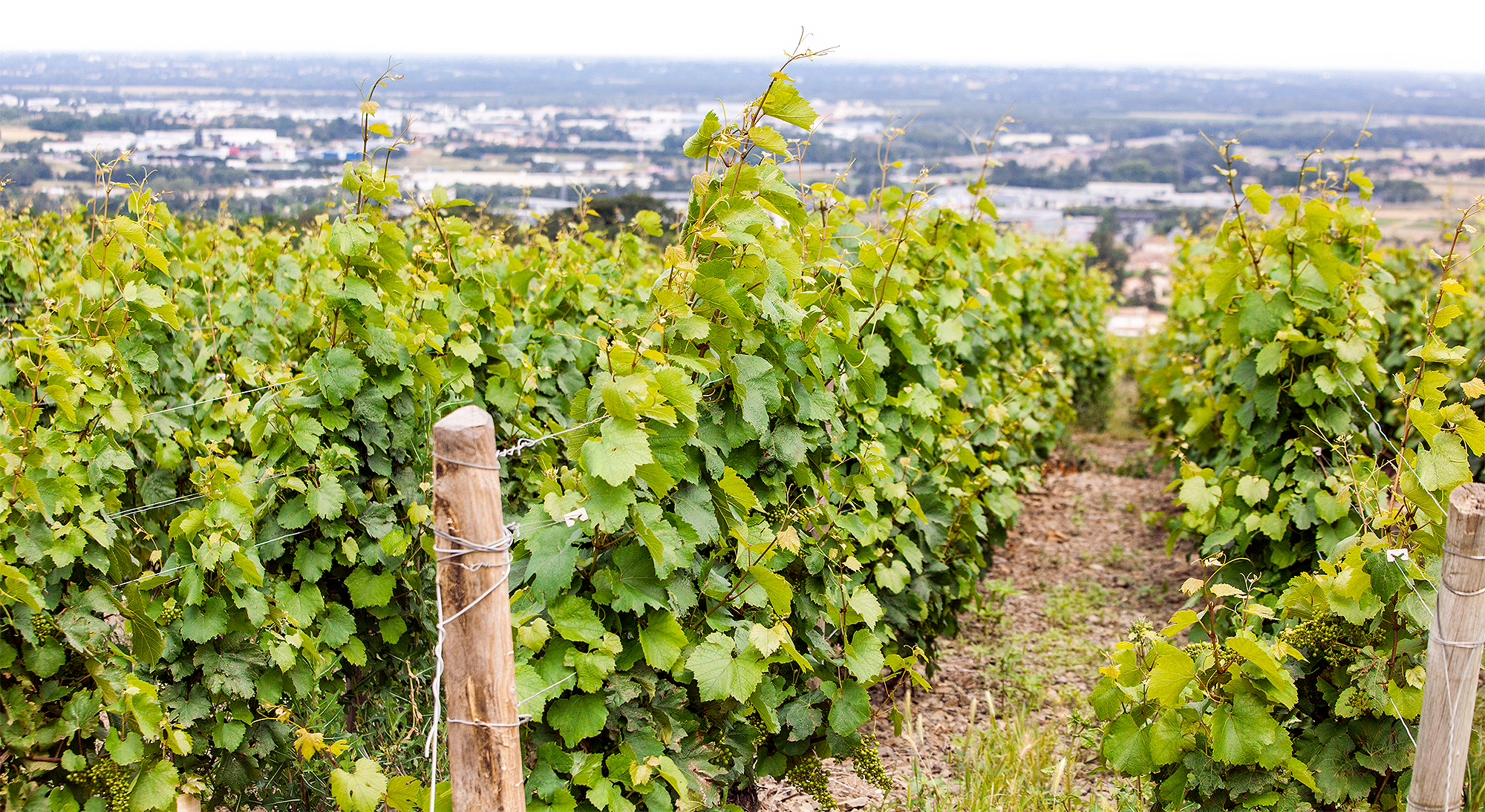
Domaine Couturier’s vineyards lie within a fault zone, where several soil types from sandstone and schist to limestone and clay coexist within a small area. Many of their vines are over 70 years old, while their “young” vines average 30–40 years of age. Couturier farms using certified organic (Ecocert 2021) and certified biodynamic (Demeter 2022) methods, planting ground cover between rows to help regenerate the hard, poor clay soils, which benefit from aeration and the introduction of native organic matter. Chickens and ducks roam freely through the vineyards, providing natural pest control and contributing valuable nitrogen to the soils.
Biodynamic compost, made at the estate with grape pomace and horse and cattle manure, is added to the green compost planted between the rows to improve the soils. This method provides a significant supply of naturally occurring nitrogen and humus, due to the mix of cover crops planted between the rows (clover, field pea, radish, fava bean, and rye).
The cover crops also serve to lower the ground temperature near the vines up to ten degrees in the heat of summer, which makes a big difference in preserving acidity in chardonnay. The goal is always to have the most outstanding healthy soil and natural conditions to produce exceptional, refined fruit with a balanced structure and the ability to age for a decade or more.
From Father to Son
Trust in Experience
In the cellar, Marcel and Auxence take a non-interventionist approach. After hand-harvesting and pressing whole clusters, they allow the must to settle for up to two days. No sulfur is added at this stage, and the wine undergoes a long, cool, spontaneous fermentation with native yeasts. Both alcoholic and malolactic fermentations occur naturally in traditional Burgundian barrels. A portion of the gross lees is retained during fermentation, allowing for a small amount of skin contact during both fermentation and élevage. The wines ferment and age in the same barrels without bâtonnage, are racked only once prior to bottling, and receive only minimal sulfur dioxide — added only when necessary.
Products
Wine
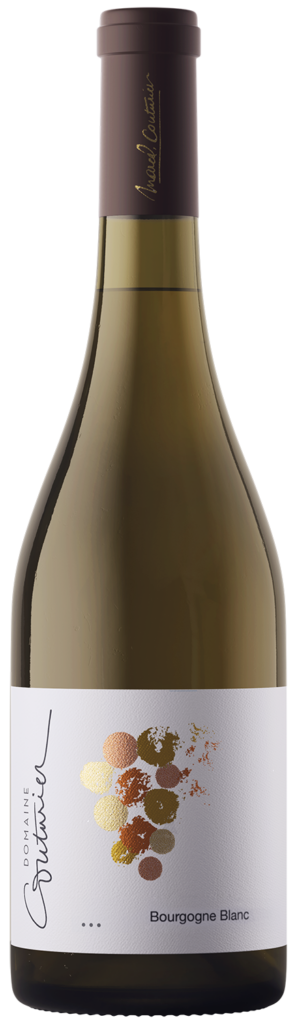
Domaine Couturier Bourgogne Blanc 2023
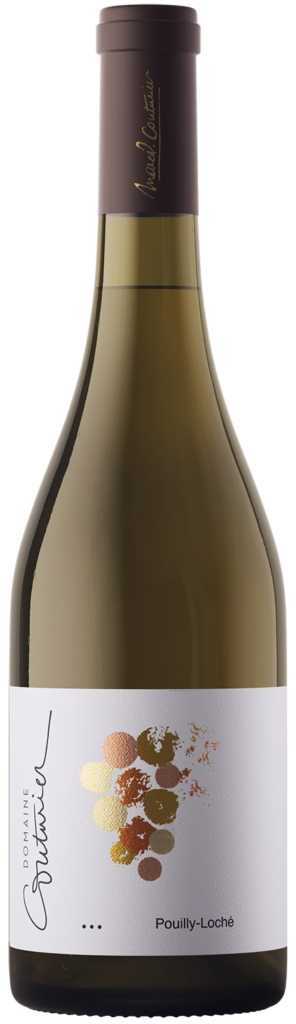
Domaine Couturier Pouilly-Loché 2022
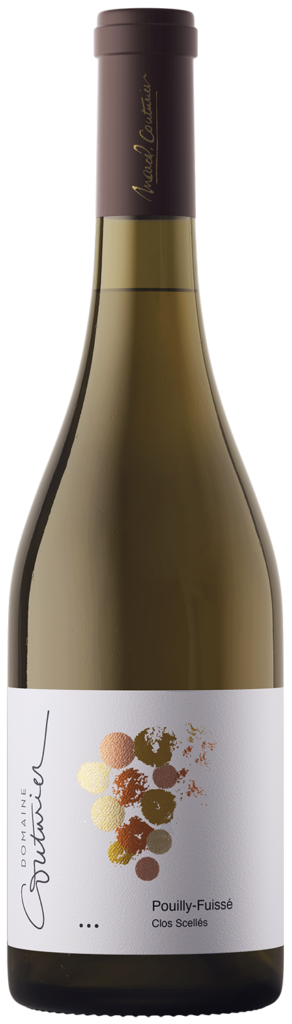
Domaine Couturier Pouilly-Fuissé ‘Clos Scellés’ 2022
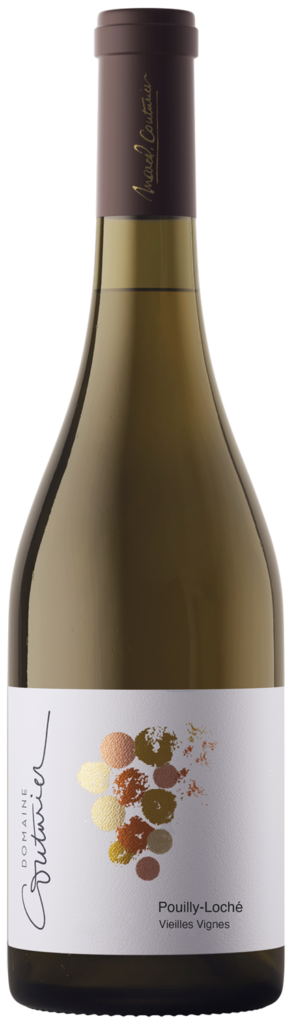
Domaine Couturier Pouilly-Loché ‘Vieilles Vignes’ 2022
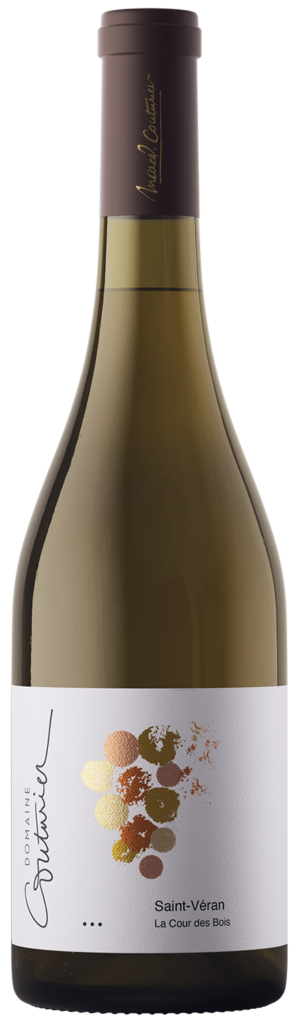
Domaine Couturier Saint-Véran ‘La Cour des Bois’ 2022