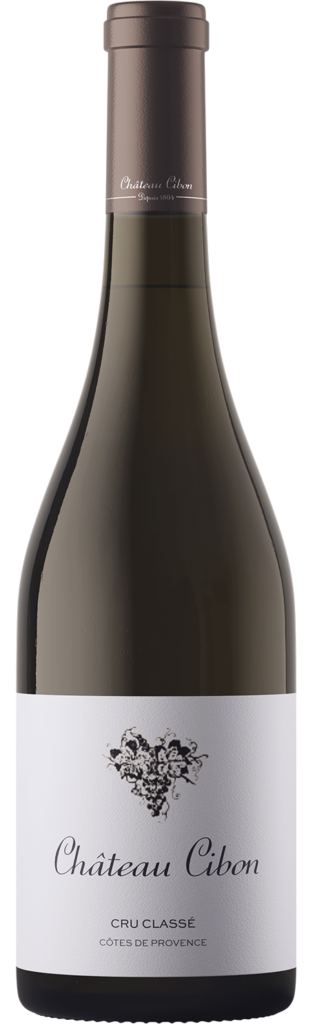
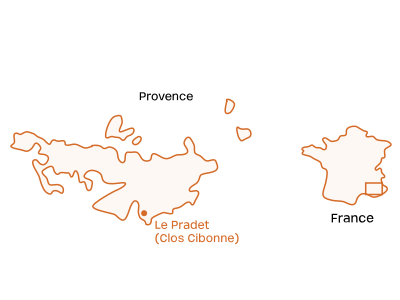
Clos Cibonne
Côtes de Provence | Provence

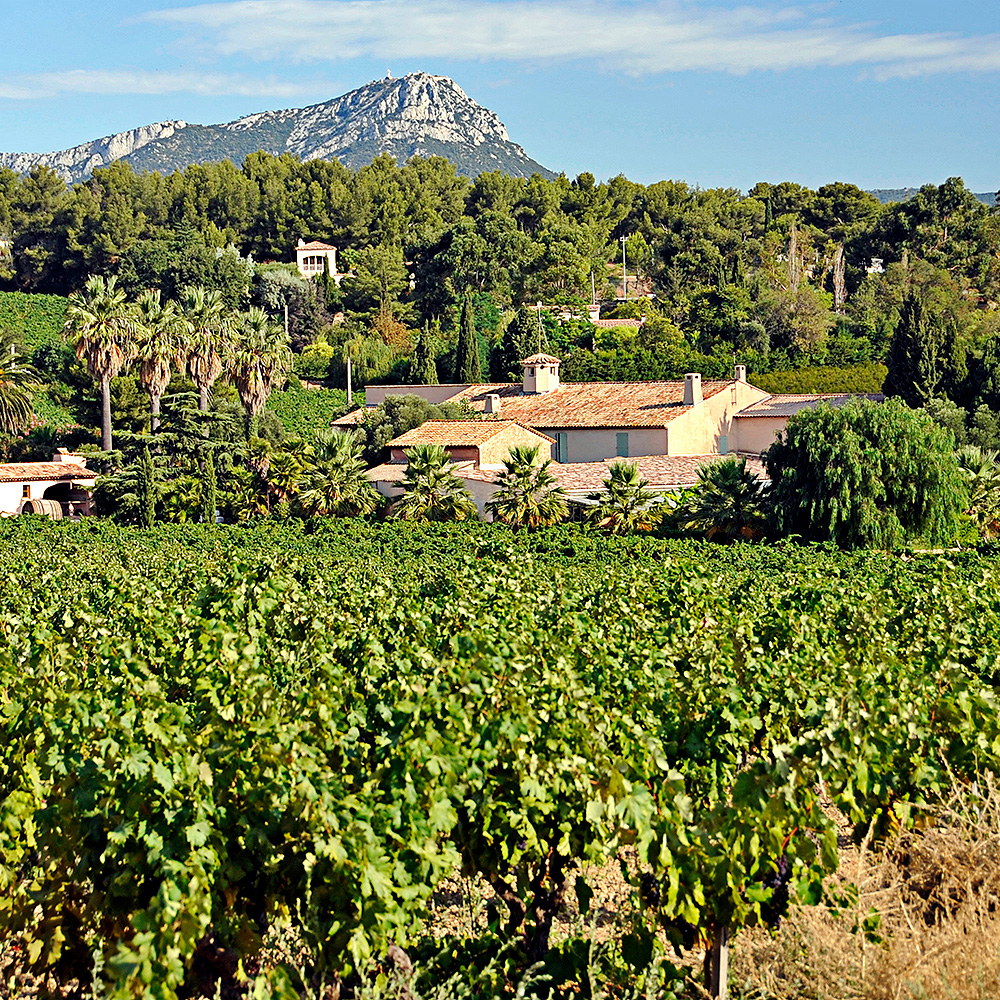
Clos Cibonne is a historic Provençal estate renowned for making age-worthy rosé wines from the rare tibouren grape.
Introducing the Estate
Team Tibouren
In the early 20th century, André Roux planted almost his entire property in the Provençal village of Le Pradet to the tibouren grape, just as the variety was falling out of favor. A century later, the world is grateful for that decision, as his descendants craft wines of character and profound ageability that consistently rank among the best rosés in the world.
History & Origins
Of Clos and Crus
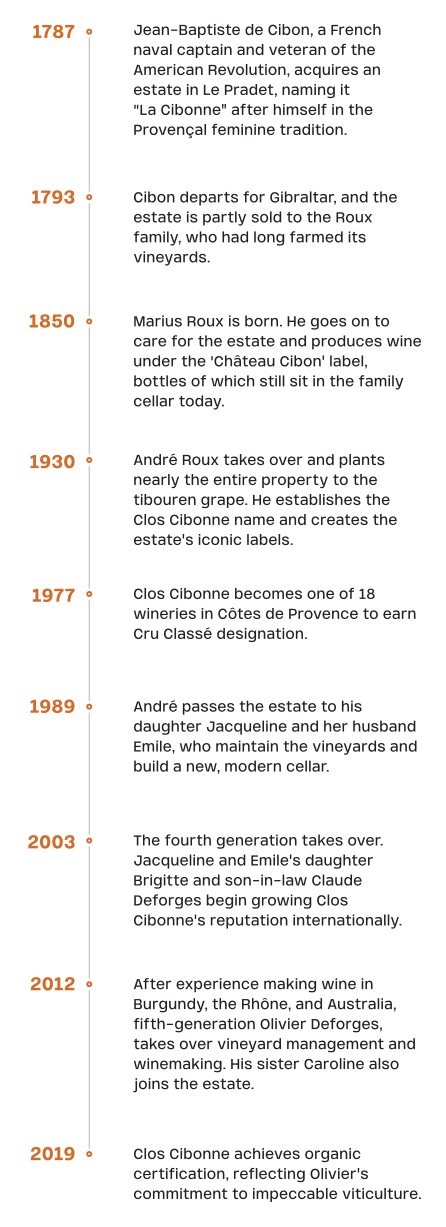
In 1787, Jean-Baptiste de Cibon, a captain in France’s royal navy who had served under the Marquis de Lafayette in the American Revolution, acquired an estate in the village of Le Pradet. Following an old Provençal tradition, he named it “La Cibonne”—the surname of its owner put into the feminine.

In 1793, Cibon left Toulon bound for Gibraltar, where he would live until he passed away three years later. Upon his departure, the Cibonne estate was partly sold to the Roux family, who had farmed its vineyards for years. The vines would be passed down to Marius Roux, born in 1850, who cared for the estate until his death. Bottles of the wine he made under the ‘Château Cibon’ label still sit in the family cellar today.
When Marius’s son, André Roux, took the reins in 1930, he decided to plant almost the entire Cibonne property to a very old grape variety known as tibouren. He began making wine under the Clos Cibonne name and created the winery’s iconic labels that remain unchanged to this day. Along with 18 other growers, his excellence in viticulture and winemaking was rewarded via a ministerial decree authorizing Clos Cibonne to use the designation ‘Cru Classé’. Later, André would be instrumental in the creation of the Côtes de Provence appellation in 1977, and made sure it included his beloved tibouren grape.
In 1989, André left the property to his daughter Jacqueline who, along with her husband Emile, maintained its vineyards and built a new, modern cellar.
The Vision Behind Clos Cibonne
A New Generation Takes the Lead
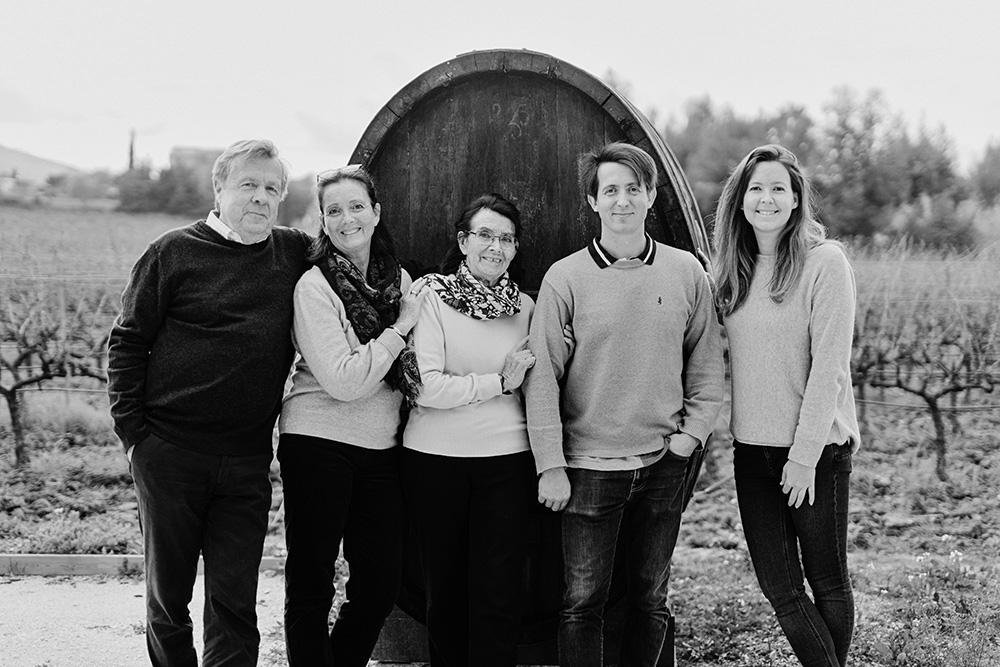
In 2003, Jacqueline and Emile’s daughter, Brigitte, and son-in-law, Claude Deforges, took over the day to day operations of the estate. They began to grow Clos Cibonne’s reputation both at home and abroad, reacquainting the world with one of the most unique rosé wines on the planet.
In 2012, after studying viticulture and enology in Bordeaux, agronomy in Montpellier, and working at wineries in Burgundy, the Rhône, and Australia, their son Olivier Deforges took over as vineyard manager and winemaker. Since then, Olivier has focused his energy on impeccable viticulture: Clos Cibonne has been certified organic since the 2019 vintage. Since graduating with a degree in Business, Olivier’s sister Caroline has also taken on a role in the operations of the estate, and Olivier’s young daughter may someday be the sixth generation to make wine in Le Pradet. Thanks to the Deforges family, Clos Cibonne continues to occupy one of the most respected positions in Provence.
Process & Philosophy
Singular Wines from a Singular Grape
Tibouren is believed to be a very old grape variety, originally grown in Mesopotamia and propagated by the Greeks before being transported by the Romans to Italy, where it’s found in the Liguria region today under the name rossese.
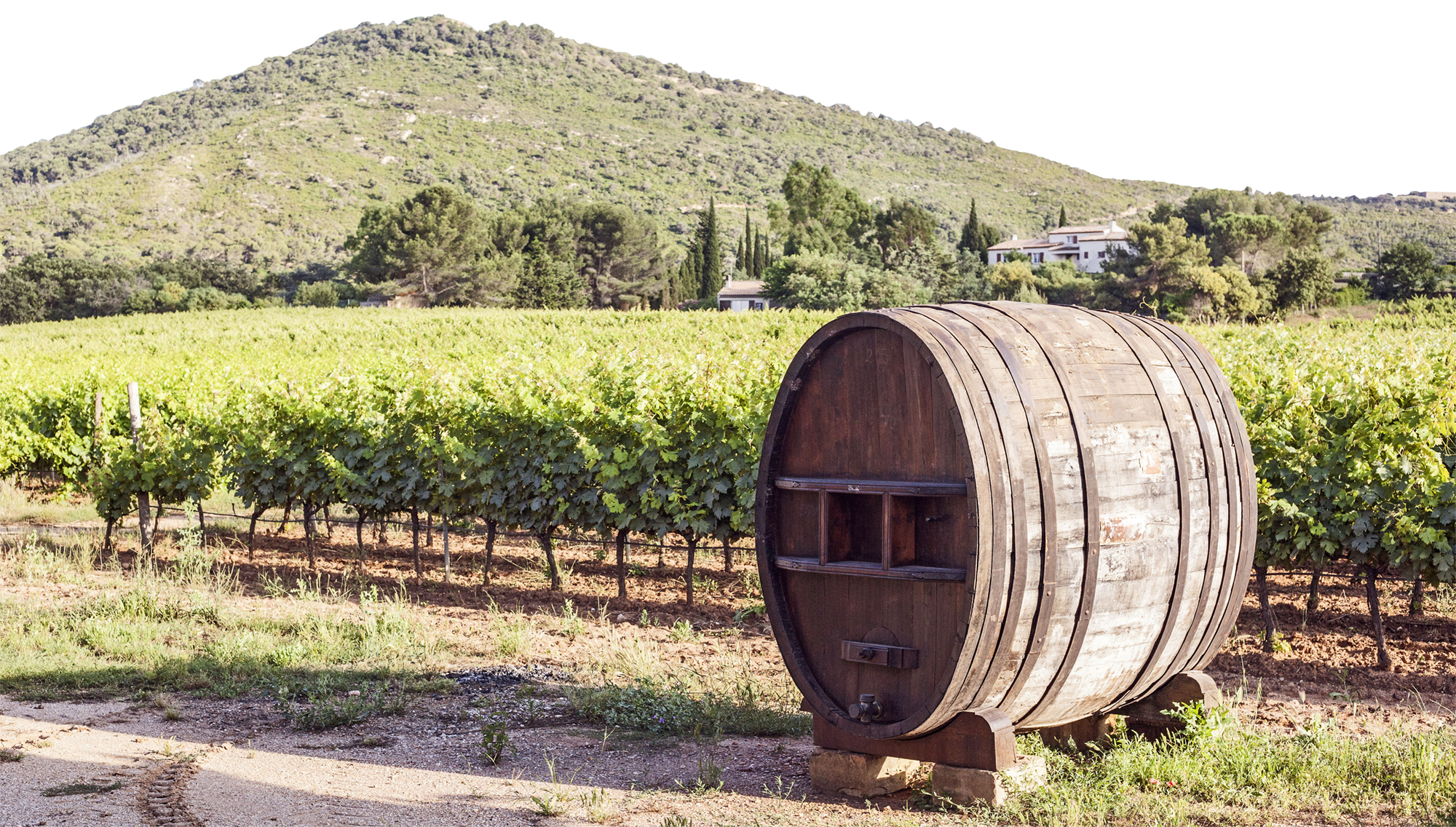
Clos Cibonne’s 24 hectares of traditional, goblet-trained tibouren are located just 800 meters from the coast, surrounded by hillsides. The drying winds of the mistral that sweep over the estate make it perfect for the finicky tibouren, whose thin skins require a lot of ventilation to avoid issues with rot.
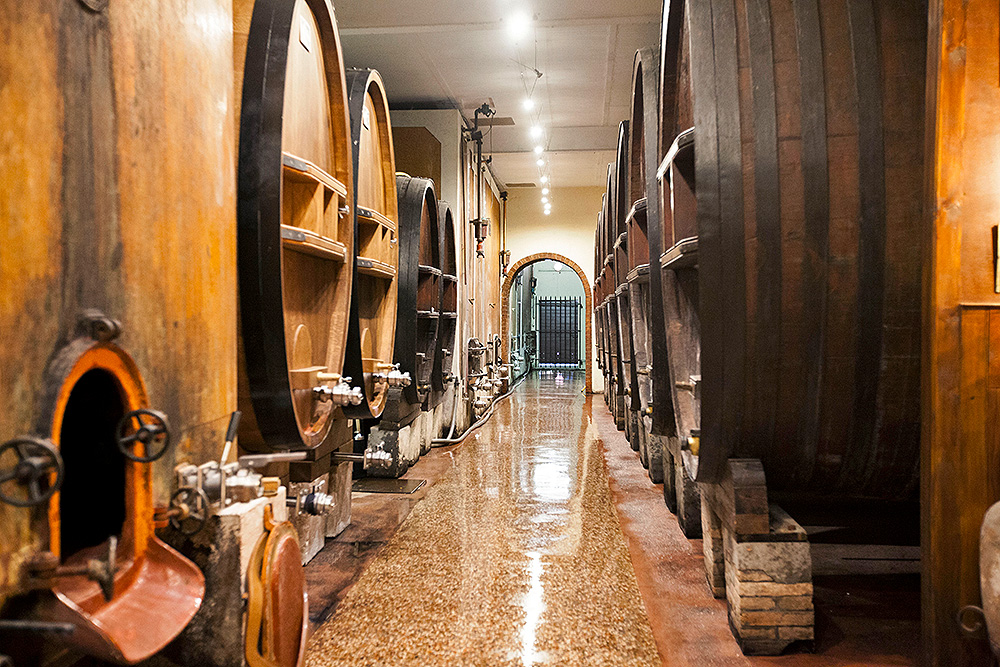
After harvesting by hand, the wines are directly pressed and fermented in stainless steel. The wine is then aged under fleurette (a thin covering of yeast, similar to the process in Jerez or the Jura) in 120-year-old, 5,000L foudres for one year. The resulting wines have impeccable balance & freshness, with incredible structure and superb drinkability over many years.
Products
Wine
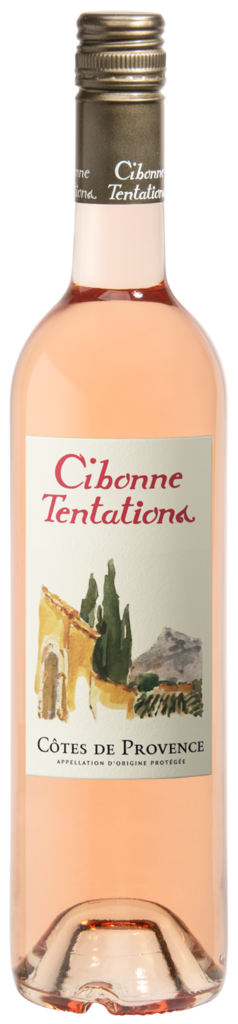
Clos Cibonne Tentations Rosé 2025
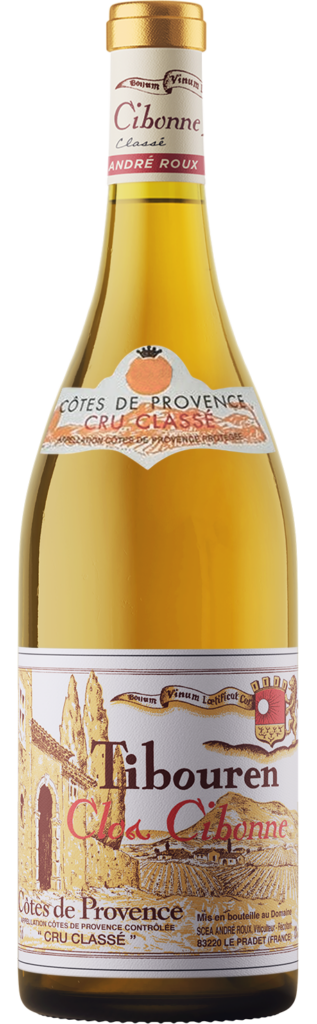
Clos Cibonne Cuvée Tradition 2024
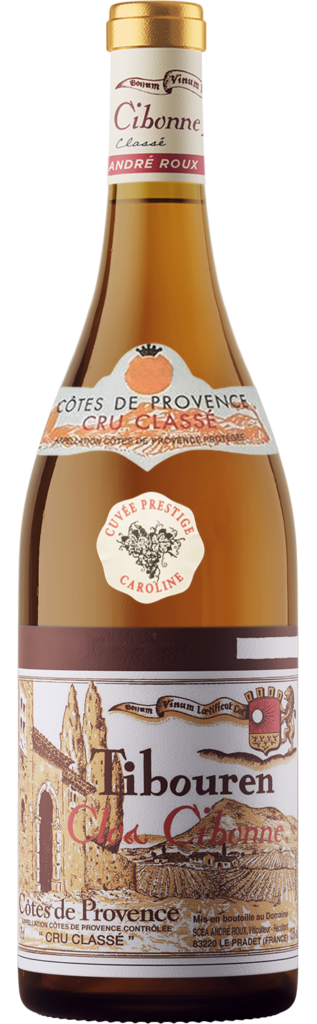
Clos Cibonne ‘Cuvée Prestige Caroline’ Rosé 2024
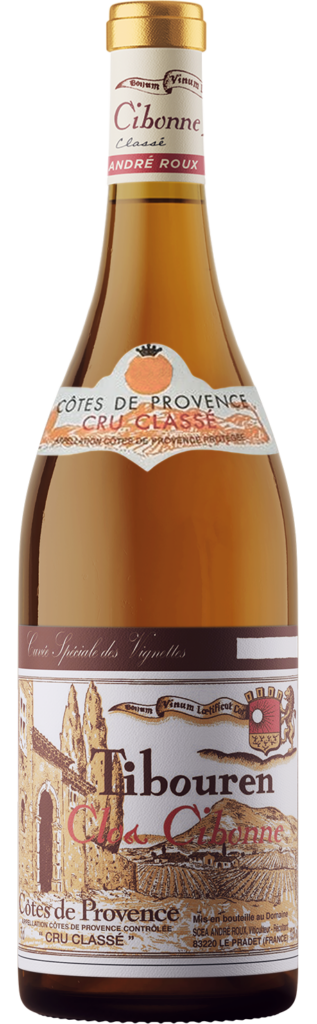
Clos Cibonne Cuvée Spéciale des Vignettes 2024
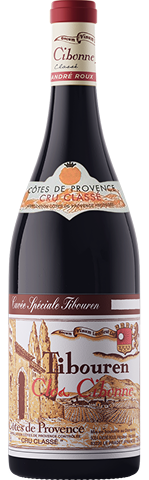
Clos Cibonne ‘Cuvée Spéciale Tibouren’ Côtes de Provence Rouge 2025