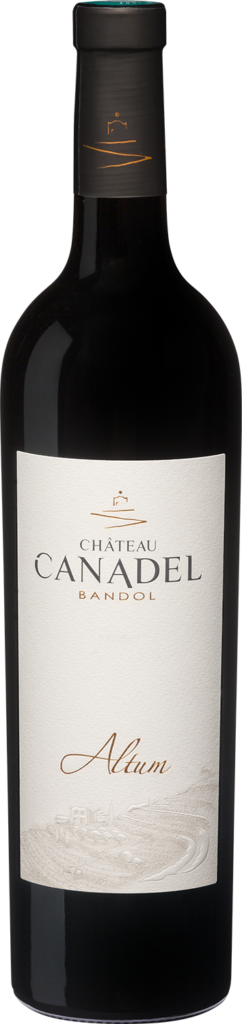
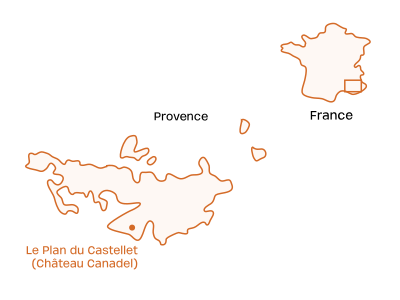
Château Canadel
Bandol | Provence

Château Canadel is a small, family-owned estate whose vineyards are located on singular terroir within the famed terraces of Bandol. Time, patience, and meticulous farming are hallmarks of their elegant and joyous wines.
Introducing the Estate
Time and Terrances
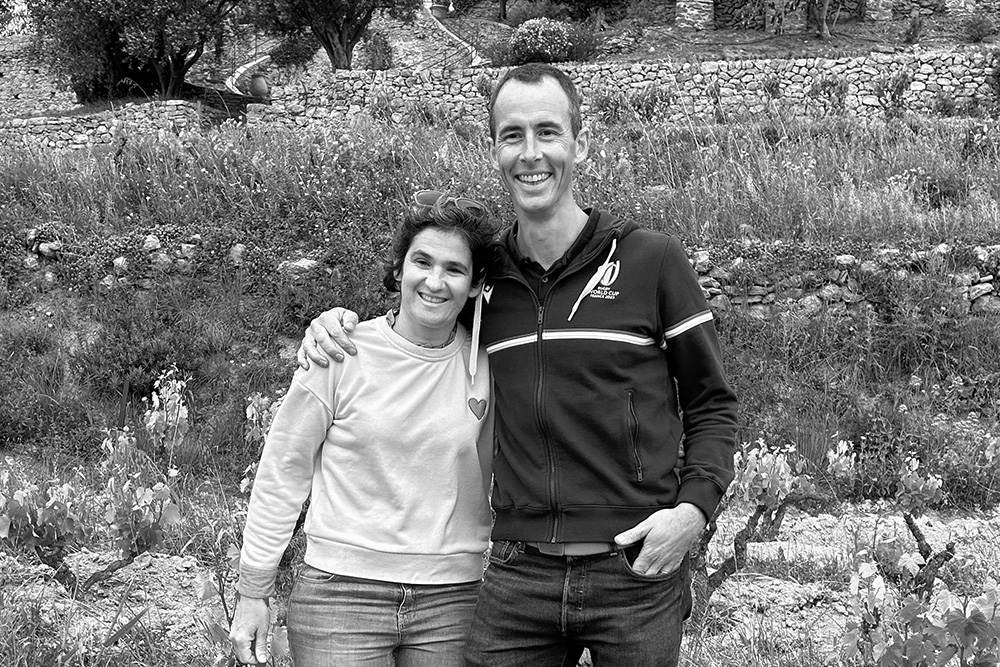
Château Canadel is owned and operated by agricultural engineer Laure Benoist and her husband, agronomist and enologist Vianney Benoist, who both oversee its vineyards and make the wines. Farming organically on some of the oldest soils in Bandol, they make incredible terroir-driven Bandol Blanc and Rouge, and have become particularly well-known for their ageable Bandol Rosé.
History & Origins
A Chapel and its Canals…
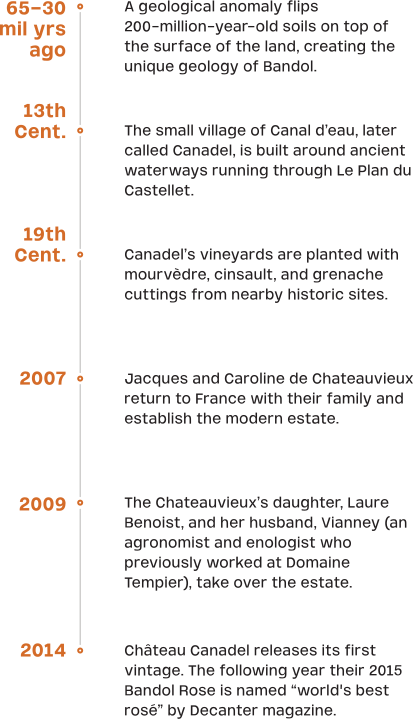
Château Canadel is really a small village of historic houses, built around a chapel and ancient water canals that date back to the 13th century. These canals gave the estate its name: “Canal d’eau” became “Canadeau”, and finally “Canadel”. After phylloxera, the property’s vineyards were planted with cuttings of mourvèdre, along with cinsault and grenache, from historic local estates, chosen for their quality and clonal diversity. Throughout the 20th century, the estate’s grapes were sold to Domaines Ott.
In 2007, Jacques and Caroline de Chateauvieux purchased the property after returning from the island of Réunion. They began the revitalization of the old château, and in 2009, the winery passed into the hands of their daughter Laure and son-in-law Vianney, who had just come off a four-year stint making wine at Domaine Tempier. There, Vianney learned the art of making soulful, cinematic red wines befitting of the Bandol appellation. After 5 years of hard work in the vineyards, Laure and Vianney made their first vintage in 2014. Over a decade later, those first wines still show incredible depth, vivacity, and terroir expression.
Vinyards & Soils
Singular Soils
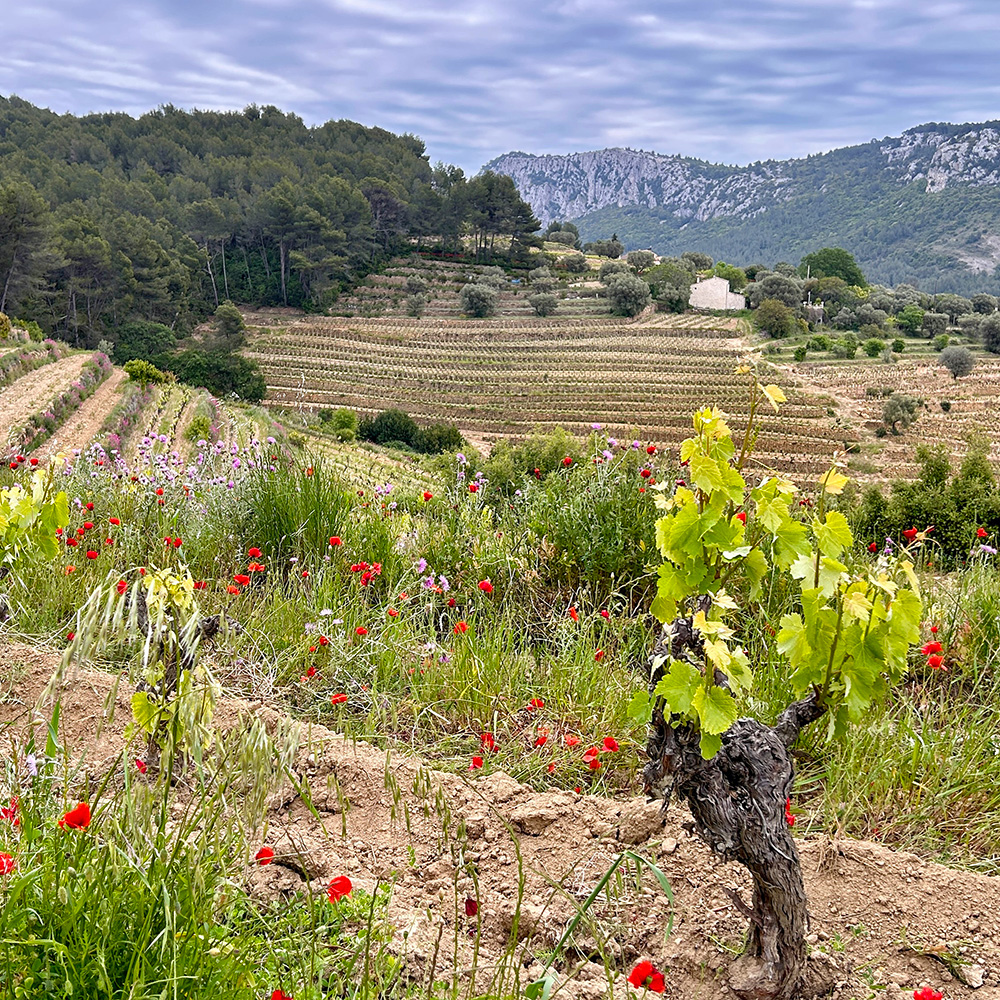
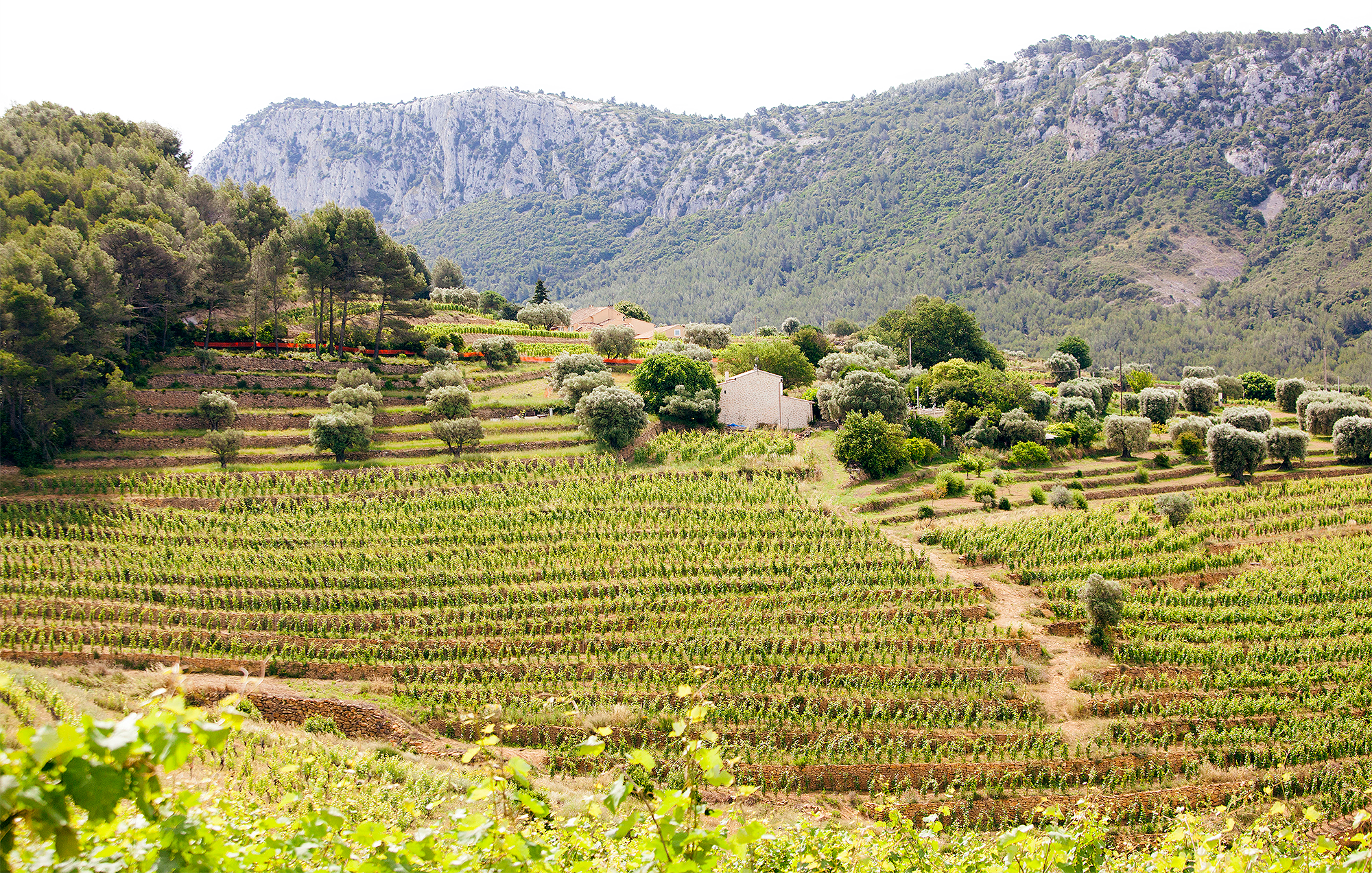
Canadel’s vineyards are planted on some of the oldest soils in all of Bandol, unearthed during the Renversement du Beausset, a geological anomaly in which 200-million-year-old Triassic soils were flipped on top of the much younger Cretaceous layer. The limestone and clay soils are particularly good for water retention in an otherwise arid region. The vineyards are planted on south-facing restanques (terraces), directly facing the Massif du Gros Cerveau, which blocks rain and provides an ideal climate for mourvèdre to fully ripen. With their unique soil and position within Bandol, Laure and Vianney are able to make long-lived Bandol Rouge, as well as small amounts of elegantly-structured Bandol Rosé and Blanc.
They practice organic viticulture and use biodynamic principles in their vineyards, and all work is done by hand. In the winery, they move the wine via gravity, and bottle unfiltered. The young, hard-working spirit behind this estate is poised to claim a place among the greats of Bandol.
Products
Wine
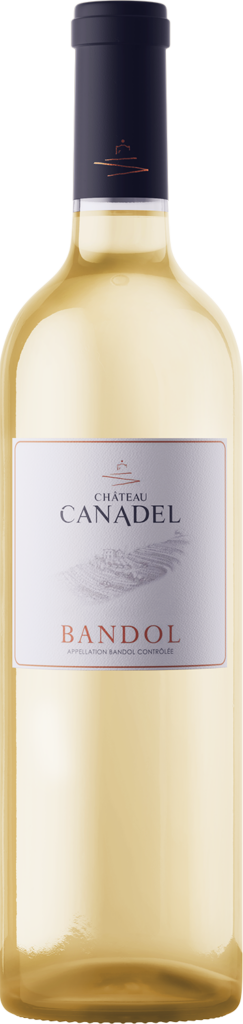
Château Canadel Bandol Blanc 2021
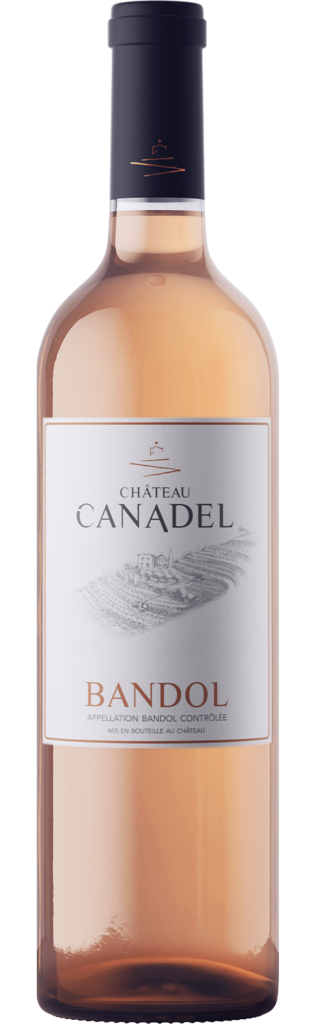
Château Canadel Bandol Rosé 2025
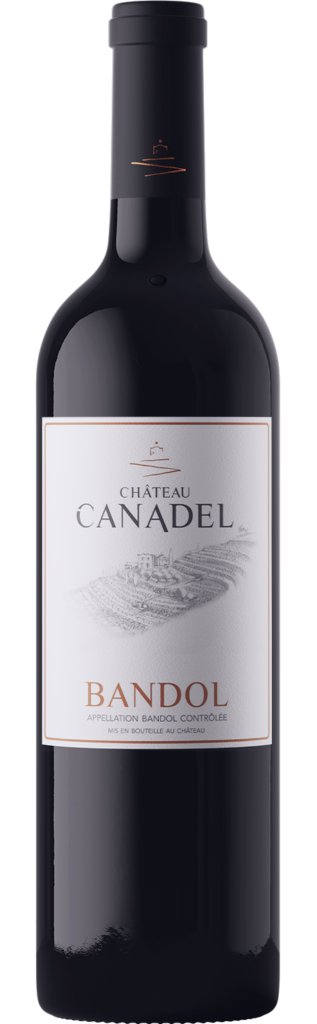
Château Canadel Bandol Rouge 2020