César Florido
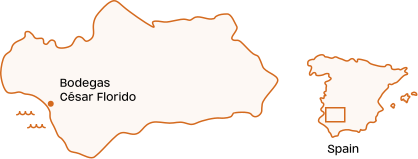
Chipiona | Andalucía

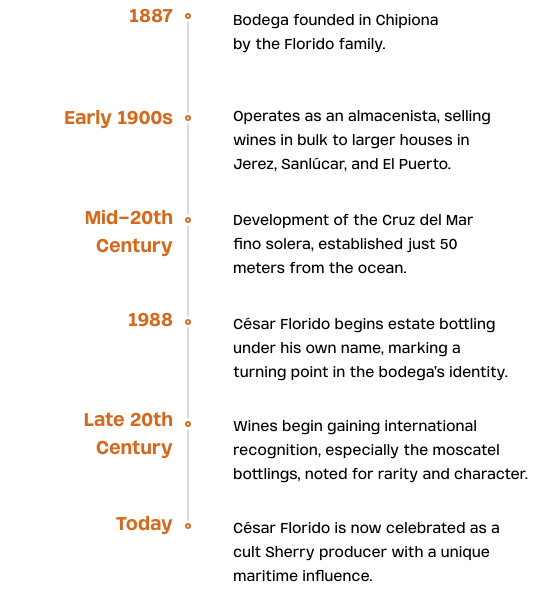
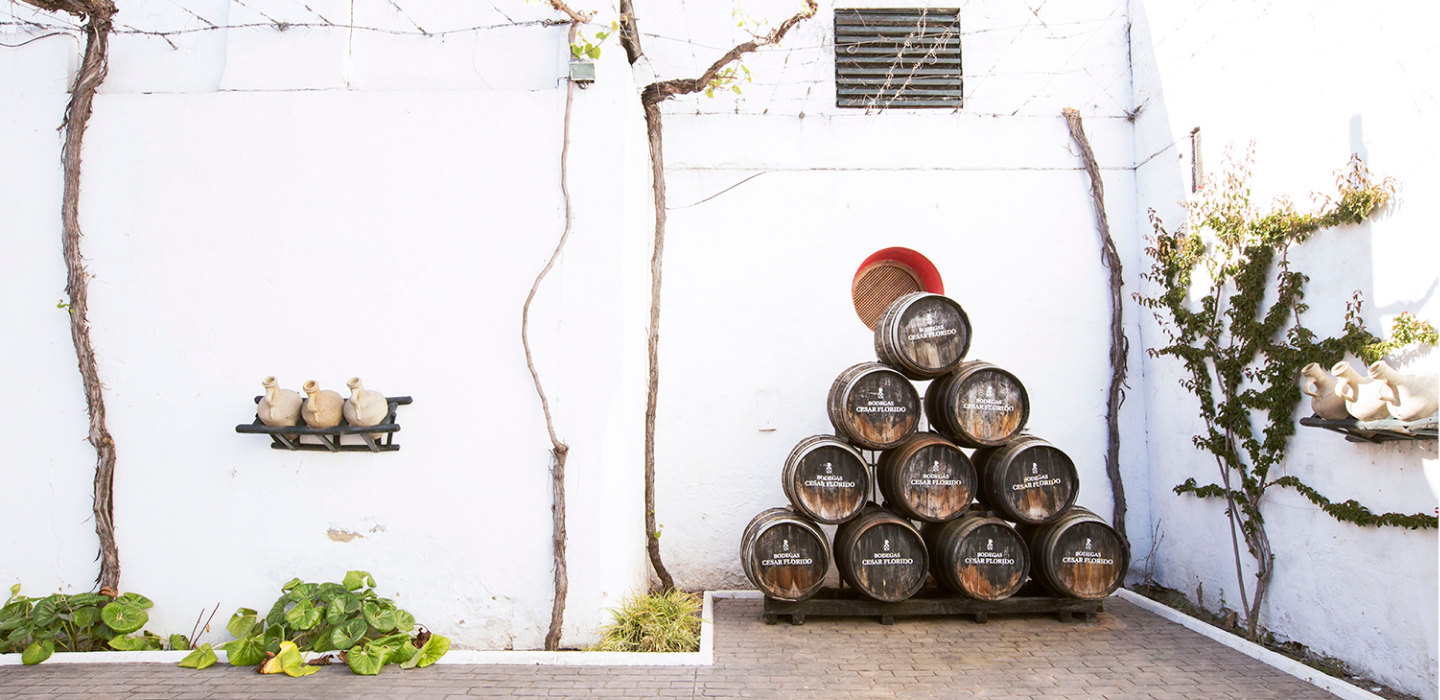
Founded in 1887, César Florido is one of the oldest family wineries in Chipiona. Now run by the fifth generation, they’ve become widely known for their iconic Moscatel.
Introducing the Estate
A Sherry Legacy by the Sea
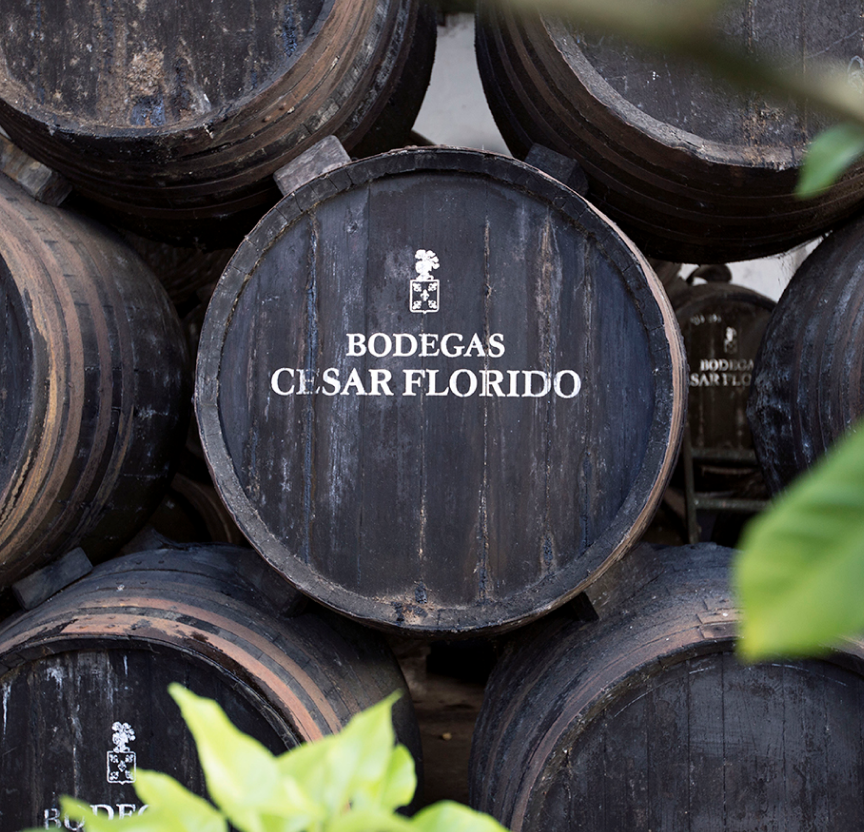
At the edge of the Atlantic, Bodegas César Florido has defined winemaking in Chipiona for more than a century. Established in 1887 and still family-owned, it is one of only two bodegas in Chipiona that are still operating outside of the cooperative system. The combination of heritage, maritime influence, and native-yeast fermentation gives its wines both tradition and personality.
History & Origins
Oldest Bodega in Chipiona
For over 135 years, the Florido family have been guardians of Chipiona’s Sherry heritage. César Florido began as an almacenista, a winery that supplied wines to the producers in Jerez, El Puerto de Santa María, and Sanlúcar de Barrameda, who would then bottle and export the wines under their own labels.

In 1988, the family shifted course, choosing to estate-bottle under their own name. That decision transformed César Florido from a quiet supplier to a cult Sherry producer, revered for its flor-driven Cruz del Mar fino and its world-famous Moscatels.
The Bodeguero Behind the Cellar
Shepherding a Five-Generation Legacy

Today, fifth-generation bodeguero César Florido continues his family legacy, guiding his winery with a steady hand. César presses his own grapes from family vineyards planted to Palomino Fino, alongside grapes purchased from long-time growers. Utilizing native-yeast fermentation, the young wines rest before entering the solera system, where they gain depth and complexity under the influence of Chipiona’s maritime climate.
César’s role is not only to maintain the soleras and craft the house’s range of Sherries, but also to safeguard Chipiona’s heritage as the birthplace of Moscatel. These are naturally sweet and produced with the moscatel de alejandria grape, which makes up just two percent of plantings in Sherry. The musts are so thick and sugary they hardly ferment, and fermentation is stopped by fortification to retain the sugars.
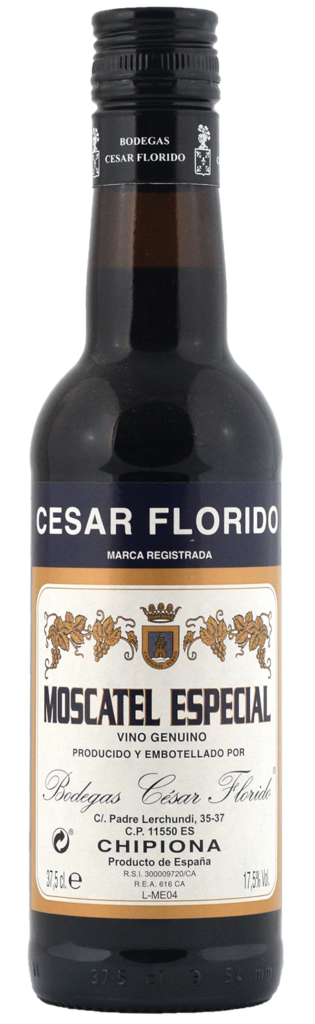
His Moscatel Dorado is the reference point for the classic, balanced sweet wines of the zone, characterized by notes of orange blossom, jasmine, and a honeyed, raisiny palate. His Moscatel Especial is produced with the ancient method of adding arrope (must reduced through cooking) after fermentation, which can be traced back at least as far as ancient Greece.
From Mosto to Estate Bottling
Crafting Sherry in Chipiona
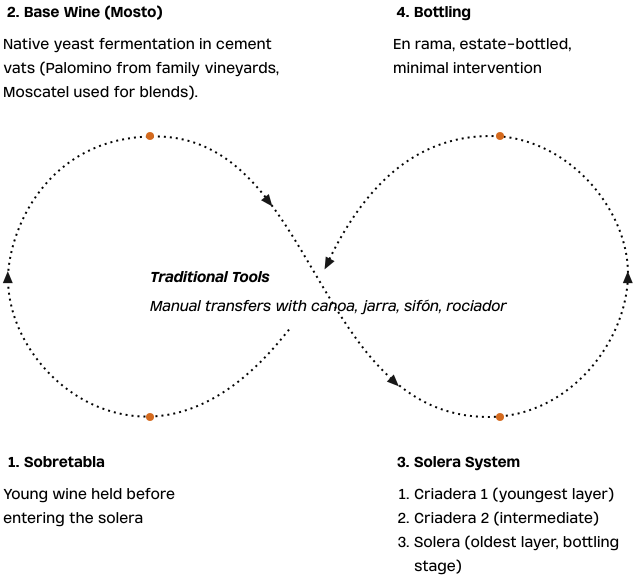
César Florido presses his own mosto from family vineyards planted to Palomino Fino, alongside grapes purchased from long-time growers. Utilizing native-yeast fermentation, the young wines rest before entering the solera system, where they gain depth and complexity under the influence of Chipiona’s maritime climate. A longtime almacenista, Florido began estate bottling in 1988, marking a turning point in the bodega’s history and establishing it as one of the few independent, estate-bottling producers in the region.
The Cruz del Mar Solera
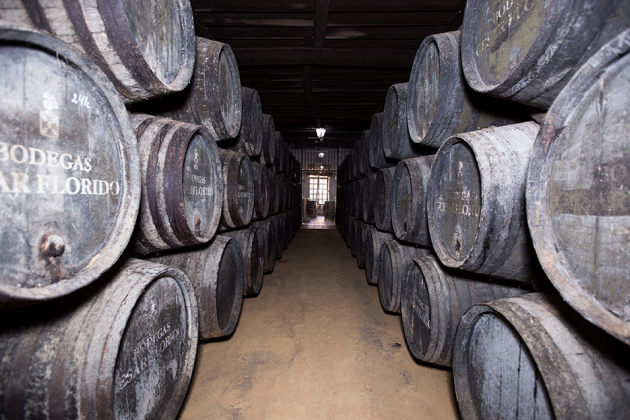
At Bodegas César Florido, Palomino-based sherries age through the Solera System just steps from the Atlantic. Fortified at different stages depending on style, from flor-aged Fino to oxidative Oloroso, the wines circulate through cascading criaderas and soleras. This infinite process ensures consistency, depth, and a true expression of Chipiona’s maritime climate.
Traditional Moscatel Craft
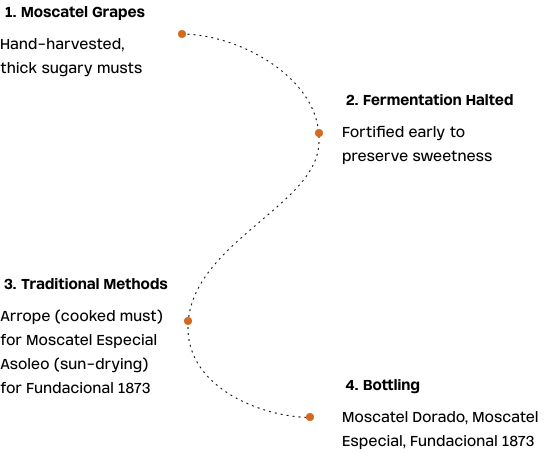
Late-harvest Moscatel grapes from Chipiona undergo spontaneous fermentation before being fortified to preserve natural sugar. In the Especial, arrope (a cooked, reduced must aged in its own solera) is added for depth, while the Fundacional 1873 uses asoleo sun-drying for concentrated raisin-like character. All age briefly in solera, resulting in sweet, floral, and honeyed profiles.
Products
Sherry
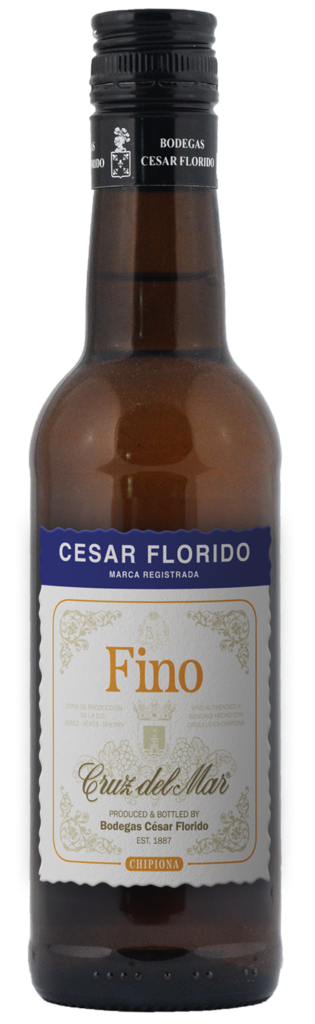
César Florido Fino Cruz del Mar
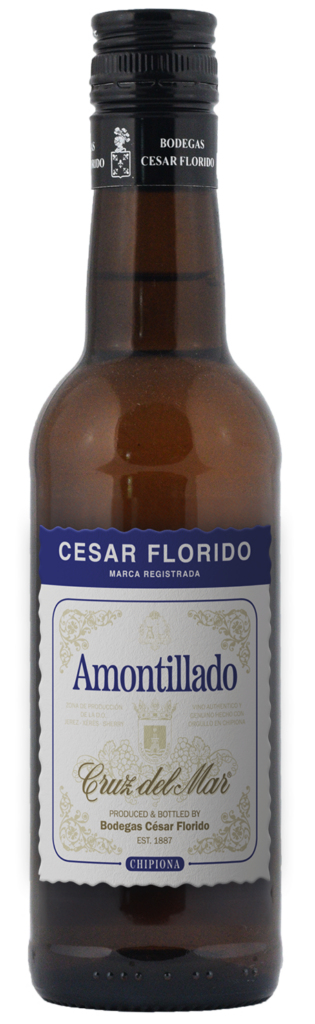
César Florido Amontillado Cruz del Mar
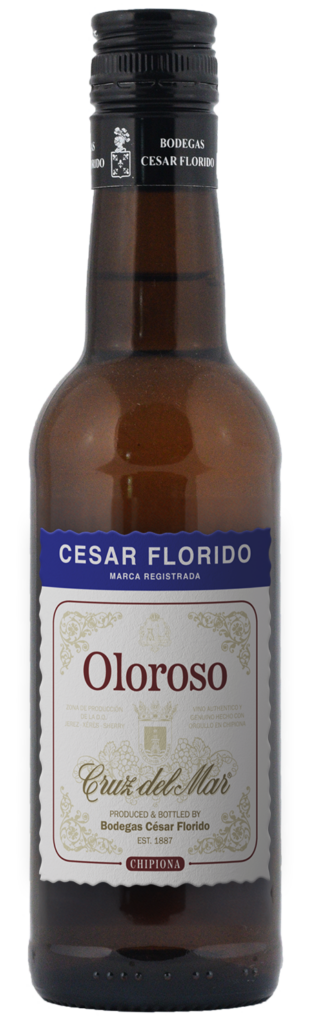
César Florido Oloroso Cruz del Mar
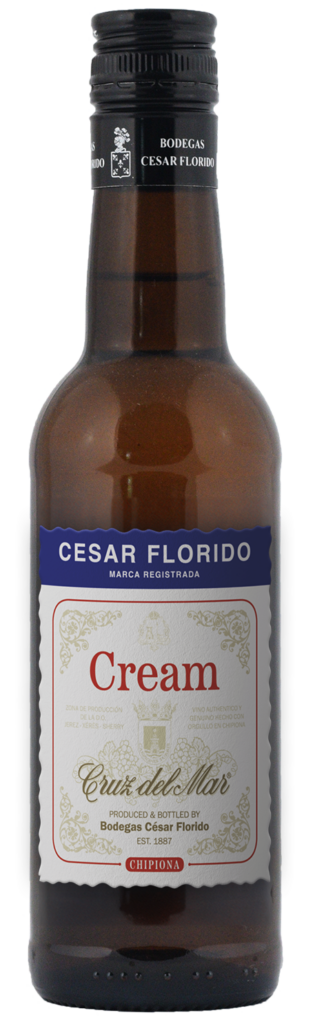
César Florido Cream Cruz del Mar
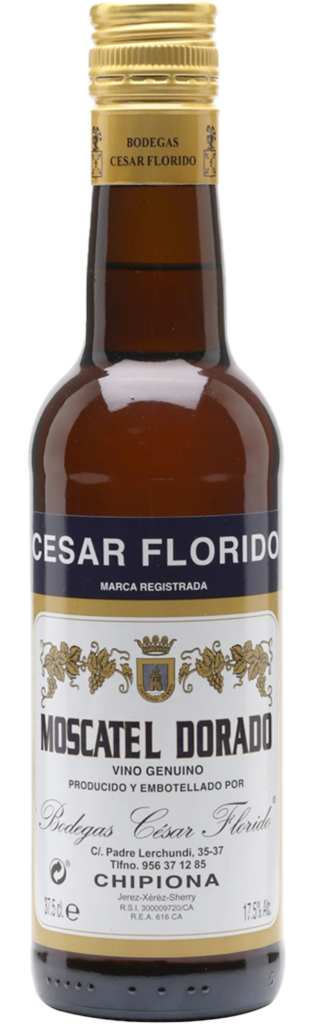
César Florido Moscatel Dorado
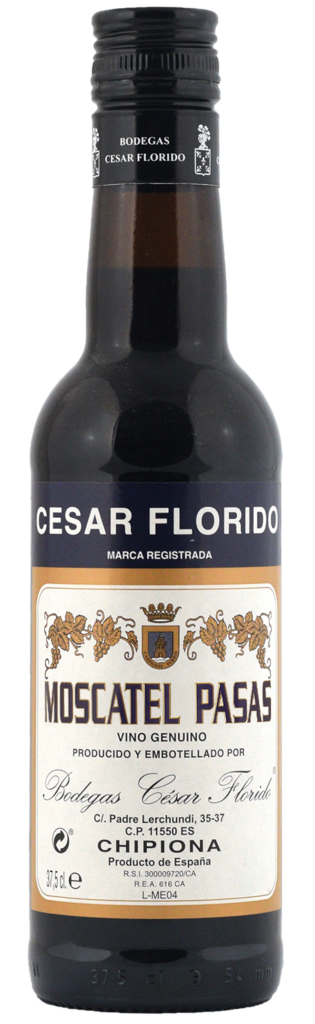
César Florido Moscatel Pasas