Pegaso
Sierra de Gredos | Castilla y León

Pegaso is a pioneering winery in the Sierra de Gredos, known for making ethereal expressions of mountain garnacha. Founded by winemaking partners Telmo Rodríguez and Pablo Eguzkiza in 1999, the winery helped launch the careers of many of Gredos’ household names.
Introducing the Estate
Pueblo de Paso
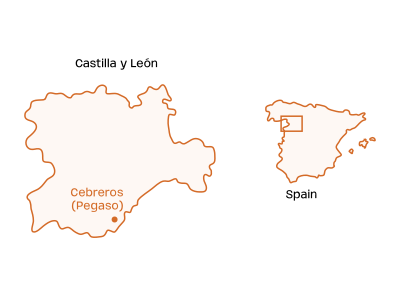
Cebreros is a pueblo de paso, a crossroads town that has welcomed both kings traveling on the Imperial Road from Toledo to Valladolid and farmers prodding their animals along the cañadas reales, traditional cattle routes that cross Spain from north to south.
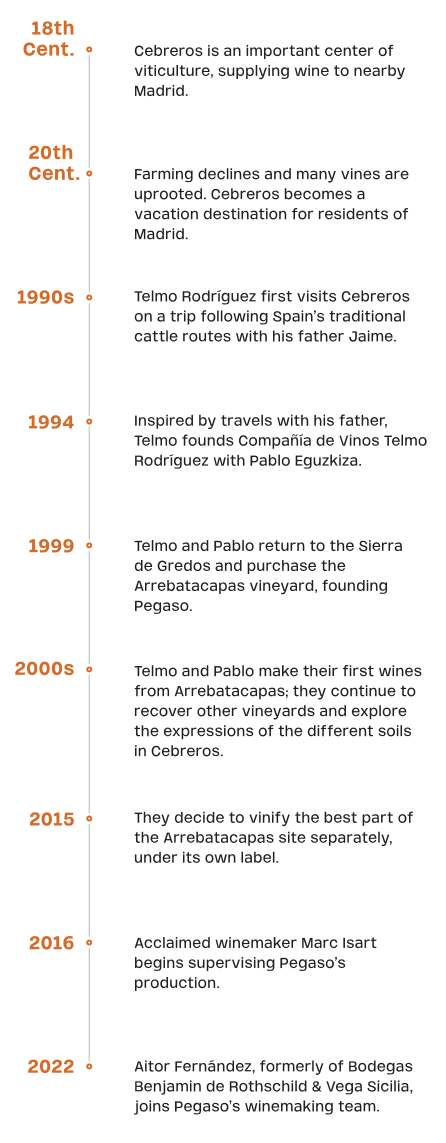
Located in the Sierra de Gredos, a remote region described by writer and philosopher Miguel de Unamuno as “the roof of Castile and the stone heart of Spain”, Cebreros is also a place whose identity has often been in flux: in the 1500s, it was the home of glass and wood workshops that supplied the monastery of El Escorial, but an 18th-century economic crisis ended that boom. Later, it began to be known for its winemaking, but by the 20th century, farming declined, people began to emigrate, and Cebreros became a popular spot for weekend and holiday visitors from nearby Madrid.
History & Origins
The Winery That Launched the Gredos Revolution
Toward the end of the 20th century, a father and son reached this crossroads town at the heart of Spain on an expedition in search of the forgotten landscapes of Iberia. They were Jaime and Telmo Rodríguez, winemaker and heir apparent of Granja Nuestra Señora de Remelluri, in Rioja. That summer, Telmo and his father crisscrossed Spain, following the cañadas reales and seeking out forgotten vineyards along the way. Those travels with his father inspired Telmo to rescue historic, neglected vineyards across Spain, and in 1994 he founded Compañía de Vinos Telmo Rodríguez with his winemaking partner, Pablo Eguzkiza.
When he returned to the Sierra de Gredos a few years after founding Compañía, Telmo was the first to see the greatness waiting to be unleashed there. Taken with the old vines of garnacha, extreme altitudes, and varied soils, he and Pablo began searching for vineyards that would allow them to make the wine they knew the region could deliver.
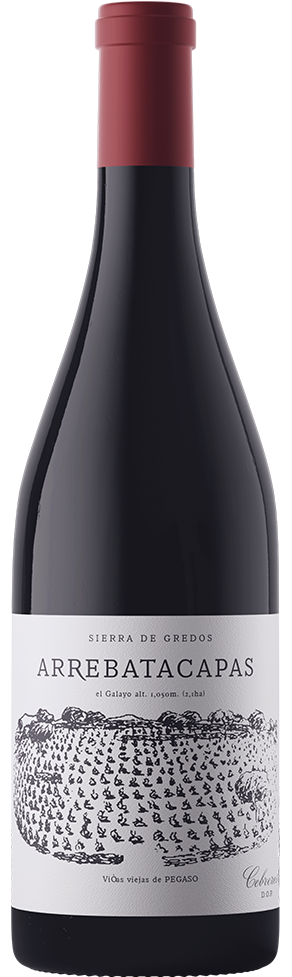
In 1999, they purchased Arrebatacapas: an extraordinary 2.1-hectare hillside vineyard planted in 1953 on a vein of red slate, which was completely abandoned when they discovered it. They began to make wine from it and named their project Pegaso, drawing a parallel between the durable but sleekly-designed Pegaso trucks found across the Spanish countryside and garnacha, a common, hardy Spanish grape that was still capable of finesse.

After restoring Arrebatacapas, they made their first wine, Barrancos de Pizarra, from its vineyards and two other sites called La Redonda and La Curva.
Later, they discovered other sites with granite soils in El Robledillo and El Mojón, from which they began making Pegaso Granito. Rounding out the Pegaso range is Zeta, made from a combination of slate and granite soils in El Robledillo, El Mojón, and a parcel called Presidente.
In 2015, they decided to vinify the best part of Arrebatacapas separately, in a bottling that shares the name of the parcel.
Following Telmo and Pablo’s lead, a new generation entered Gredos. A decade later, names like Daniel Ramos, Raúl Pérez, Marc Isart, Daniel Landi, and Fernando García would build on the path Compañía had already forged, helping lift garnacha from Gredos to international fame. Today, thanks to the pioneering work of Compañía de Vinos Telmo Rodríguez, Cebreros has become a fully-fledged Denominación de Origen, and its wines have claimed their rightful place alongside other top wine regions focused on producing world-class grenache.
The Vision Behind Pegaso
Recovering a Lost Viticultural Legacy
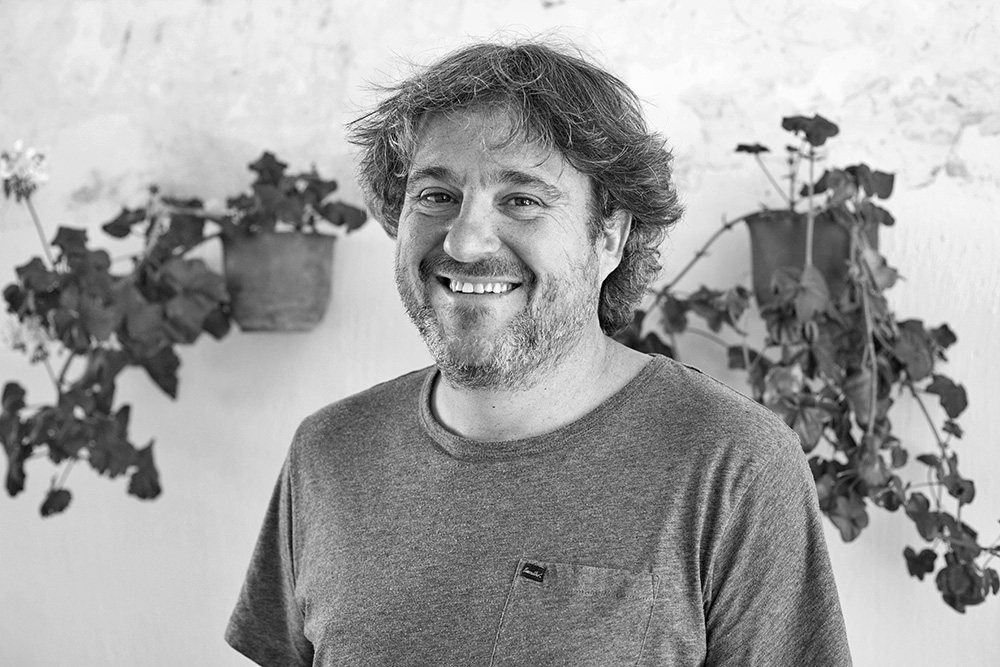
Though it bears only Telmo’s name, Compañía de Vinos Telmo Rodríguez, or simply Compañía, is co-owned by winemaking partners Telmo Rodríguez and Pablo Eguzkiza. Founded in 1994, their mission has been the recovery of Spain’s old, forgotten vineyards: garnacha in Cebreros, sweet moscatel from Malaga, and the reds and whites of the Bibei Valley, in Galicia’s Valdeorras region.
In contrast to “flying winemakers” who are involved in their projects in name only, Telmo and Pablo rack up hundreds of thousands of miles each year, crisscrossing Spain and visiting their projects to ensure both viticulture and winemaking meets their rigorous standards. In each project, the duo partners with local growers and winemakers to ensure their wines are in the most knowledgeable hands.
In 2016, winemaker Marc Isart, known for his work at Bernabeleva, began supervising production at Pegaso. Known to many as one of the most knowledgeable and talented winemakers working in Gredos, Marc has shepherded Pegaso into an incredible new clarity of expression. Under his guidance, the wines are not overly light and vegetal nor overbearing and alcoholic. Instead, they speak confidently and clearly of the slate and granite mountains, fresh air and pine trees. In 2022, Marc was joined by Aitor Fernández, formerly of Macán, the joint venture between Vega Sicilia and Baron Benjamin de Rothschild in Rioja.
Process & Philosophy
A Study in Soils
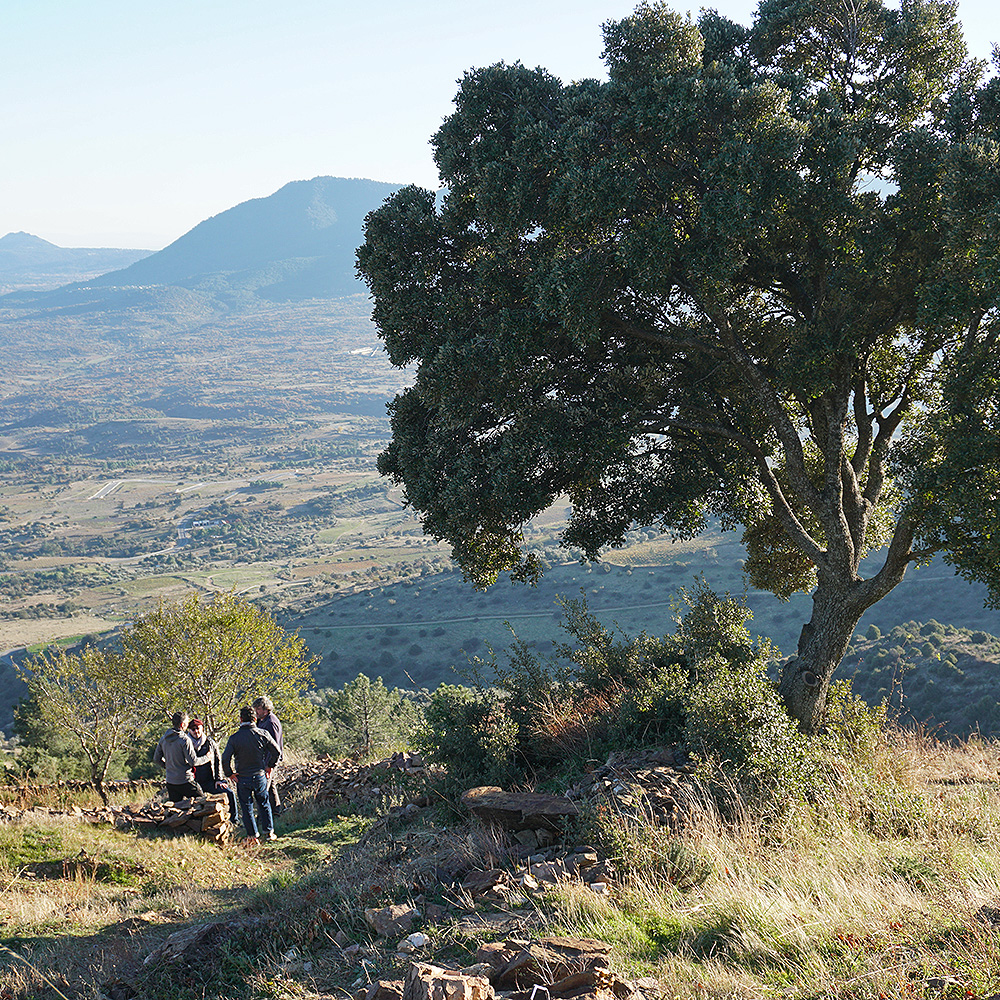
The Sierra de Gredos is a mountainous region located on the continental divide of Spain. It is a transitional zone where Northern Spain gives way to Southern Spain. Here, Pegaso farms 15 hectares of vineyards surrounded by junipers, rosemary, lavender, and pine nut trees.
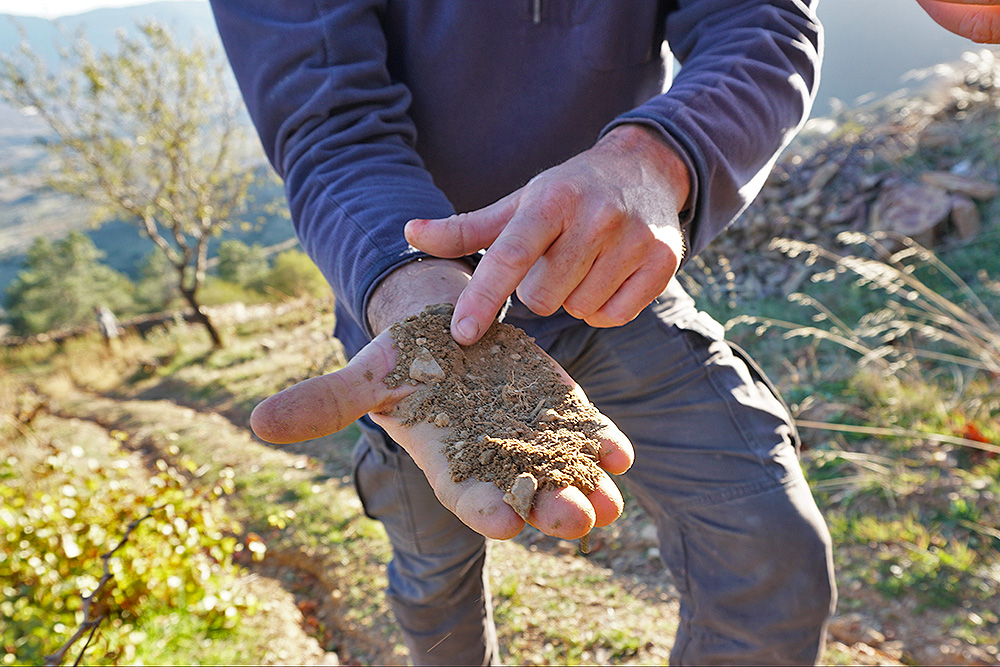
The wines are a study in soils, living proof of terroir’s ability to shape the many different faces of the same grape. In the Arrebatacapas vineyard, which Telmo and Pablo consider to be the most important slate expression in all of Gredos, red-brown metamorphic slate soils lend freshness, aromatic intensity, minerality, and structural depth. Granite soils, commonly found throughout the Sierra de Gredos, give elegance, tension, and clarity, and the volcanic soils of the El Robledillo and El Mojón vineyards that go into the Granito cuvée give it a silky texture, bright fruit, and approachability. The combination of slate and granite soils, as in Zeta, adds complexity and a balance between fruitiness and structure.
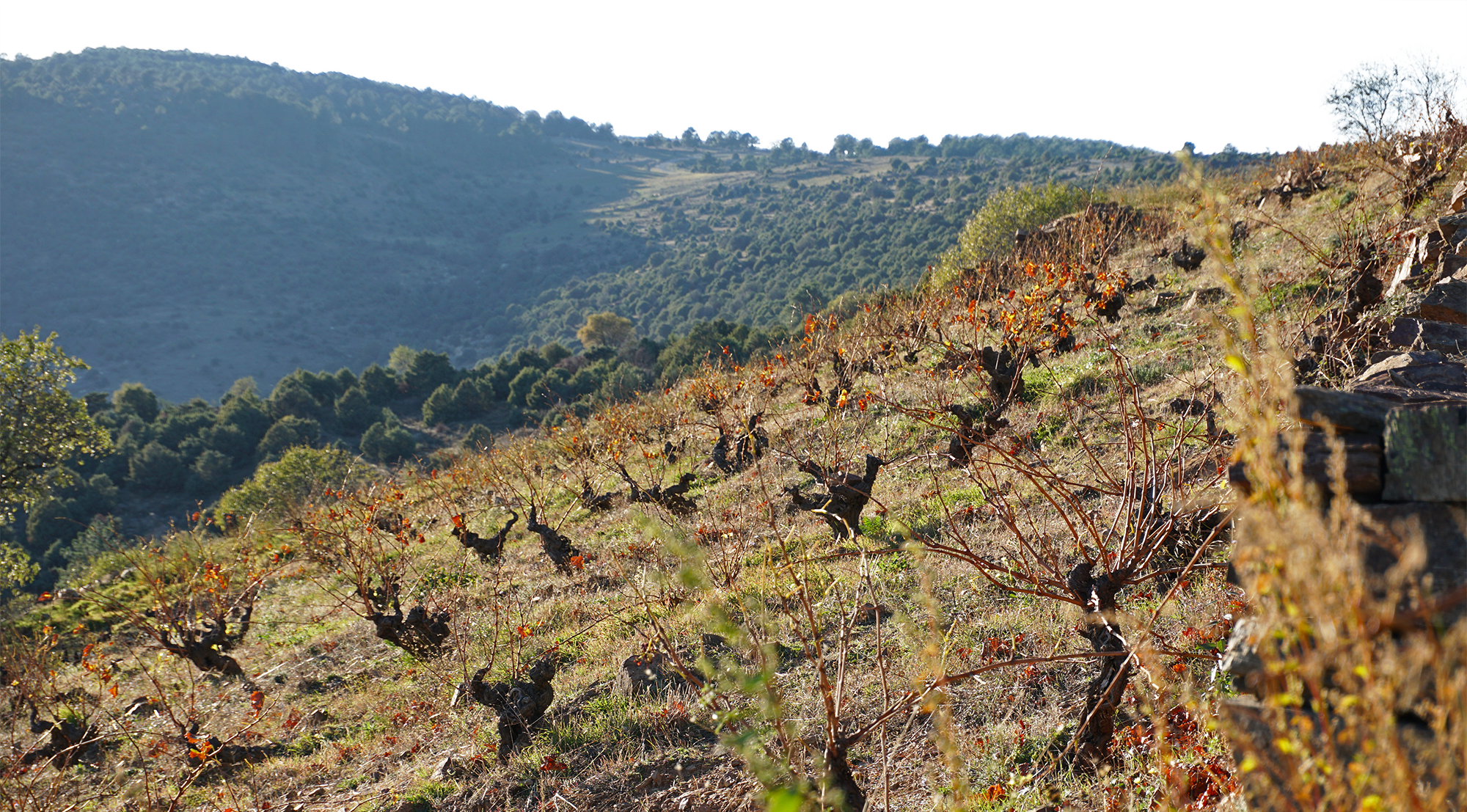
Viticulture strictly honors the old bush-trained vines and is certified EU organic. They replant vines where needed, and they continue to restore the original stone walls of the terraced hillside plots.
In the winery, each parcel undergoes spontaneous fermentation with native yeasts in large French oak foudres or barrels ranging in size from 400 to 600 liters. After fermentation, wines spend months in foudre, French oak barrels, and stainless steel tanks depending on the bottling, and all are released only when fully ready. Across the Pegaso range, the emphasis is on expressing the character of the old garnacha vines, the mountain influence of high-altitude vineyards, and the elegance, freshness, and complexity of the Sierra de Gredos.
Products
Wine
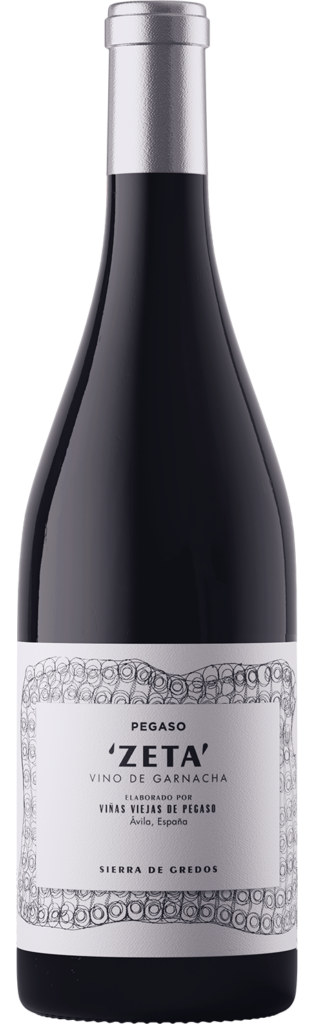
Pegaso ‘Zeta’ Garnacha Cebreros 2023
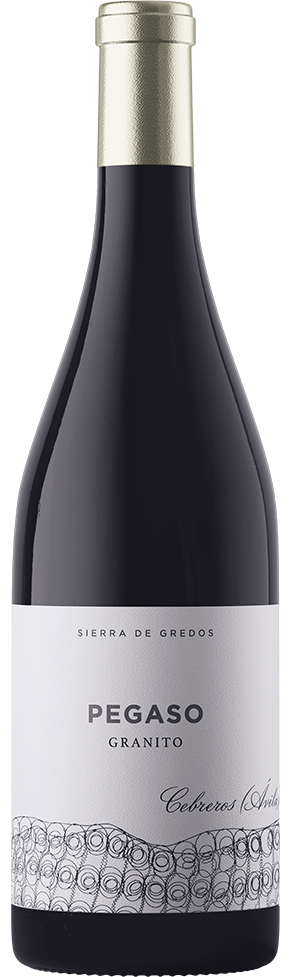
Pegaso ‘Granito’ Cebreros 2022
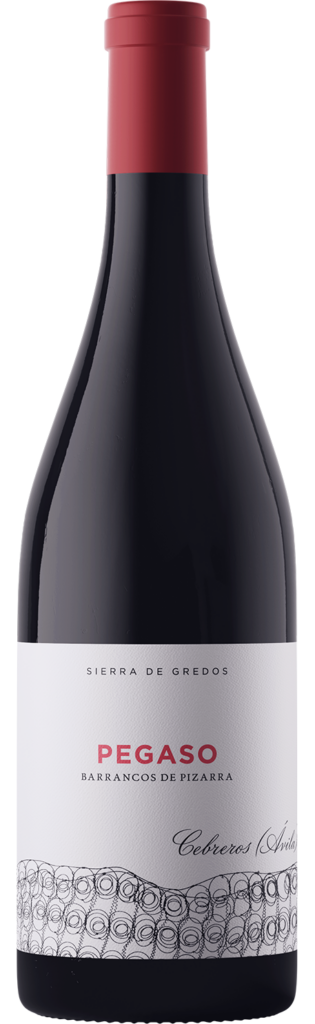
Pegaso ‘Barrancos de Pizarra’ Cebreros 2022