Molino Real
Málaga | Andalusia

Inspired by Telmo Rodriguez and Pablo Eguzkiza’s lifelong search to restore the former glory of Spain’s historic wine regions, Molino Real makes rich, long-lived, sweet wines that honor the tradition and history of Málaga’s mountain wines.
Introducing the Producer
The Ancient Mountain Reborn
In the final chapter of his memoir A Life in Wine, Hugh Johnson describes tasting a sweet wine from Málaga that he calls “the top wine of his life.” For a few years in the 1830s, Johnson writes, a wine called Molino del Rey was sent to England, but no more was known.
Historically less famous than their Andalucian neighbors in Jerez, the sweet wines of Málaga were made in rugged, mountainous inland terrain, rather than close to a major port. This substantial economic disadvantage meant they eventually faded into obscurity after phylloxera. As part of their quest to elevate Spain’s once-great wine regions, Telmo Rodríguez and Pablo Eguzkiza began making wine in Málaga in 1996, with the goal of restoring the sweet wines’ former glory.
When Johnson tasted the wine they made, “it was like seeing a ghost,” he writes. “It was the ancient mountain reborn. The unique flavour of a wine I found perfect had been lying in the soil for nearly two hundred years, waiting for a curious vintner to give it life again.”
History & Origins
Resilience & Renewal
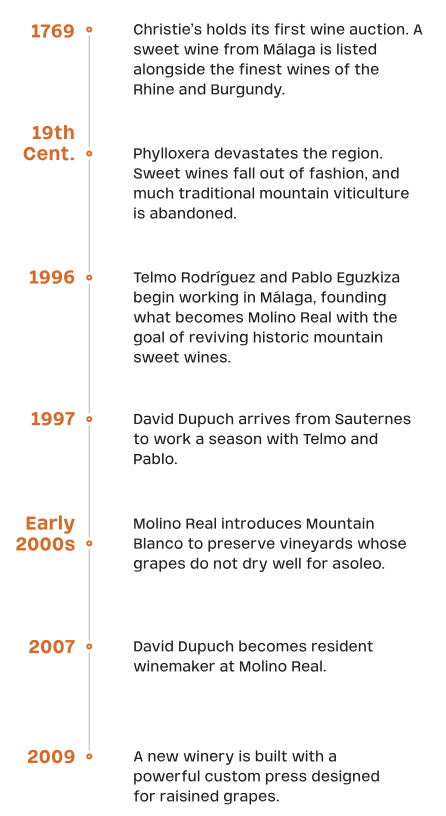
Think of the great sweet wines of Europe, and Tokaji, Sauternes, or Madeira might come to mind. But in its very first auction in 1769, the sweet wine that Christie’s placed alongside the finest wines of the Rhine and Burgundy was from Málaga. The region was once home to 115,000 hectares of vineyards, and its sweet wines were consumed throughout Spain and even exported to the rest of Europe. But in the wake of the devastation caused by phylloxera, Málaga’s sweet wines fell out of fashion, and much of its traditional viticulture was abandoned.

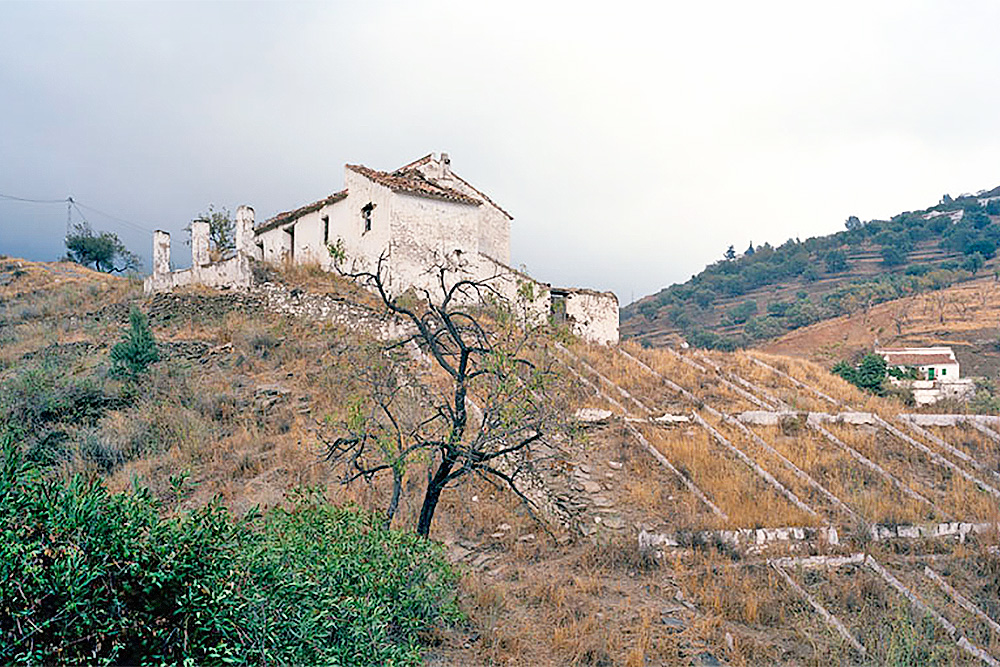
It’s a miracle that the old Muscat of Alexandria vineyards farmed by Molino Real have survived. The oldest were planted over a century ago, and the youngest in the 1980s. Still, for the past 25 years, Málaga has seen its vineyards steadily disappear. Farming on the steep slate slopes is difficult; little by little older growers retire and their vineyards are abandoned or ripped up when there’s no one to replace them.
It’s still hard work to make wine like Molino Real does, but Telmo and Pablo consider it an honor and a privilege to bottle the mysteries of these mountains and their history. Inspired by the remote and forgotten landscape of Málaga, they began making wine in 1996.
The Story of the Project
Rooted in History

Though it bears only Telmo’s name, Compañía de Vinos Telmo Rodríguez, or simply Compañía, is co-owned by winemaking partners Telmo Rodríguez and Pablo Eguzkiza. In contrast to “flying winemakers” who are involved in their projects in name only, Telmo and Pablo rack up hundreds of thousands of miles each year, crisscrossing Spain and visiting their projects to ensure both viticulture and winemaking meets their rigorous standards. In each project, the duo partners with local growers and winemakers to ensure their wines are in the most knowledgeable hands.

In 1997 Frenchman David Dupuch arrived to work with Telmo and Pablo for a season, initially planning to return to his family estate in Sauternes. He found Andalucía particularly welcoming and started spending more and more time in Spain, and eventually became the resident winemaker in 2007.
Process & Philosophy
Dedication & Dessication
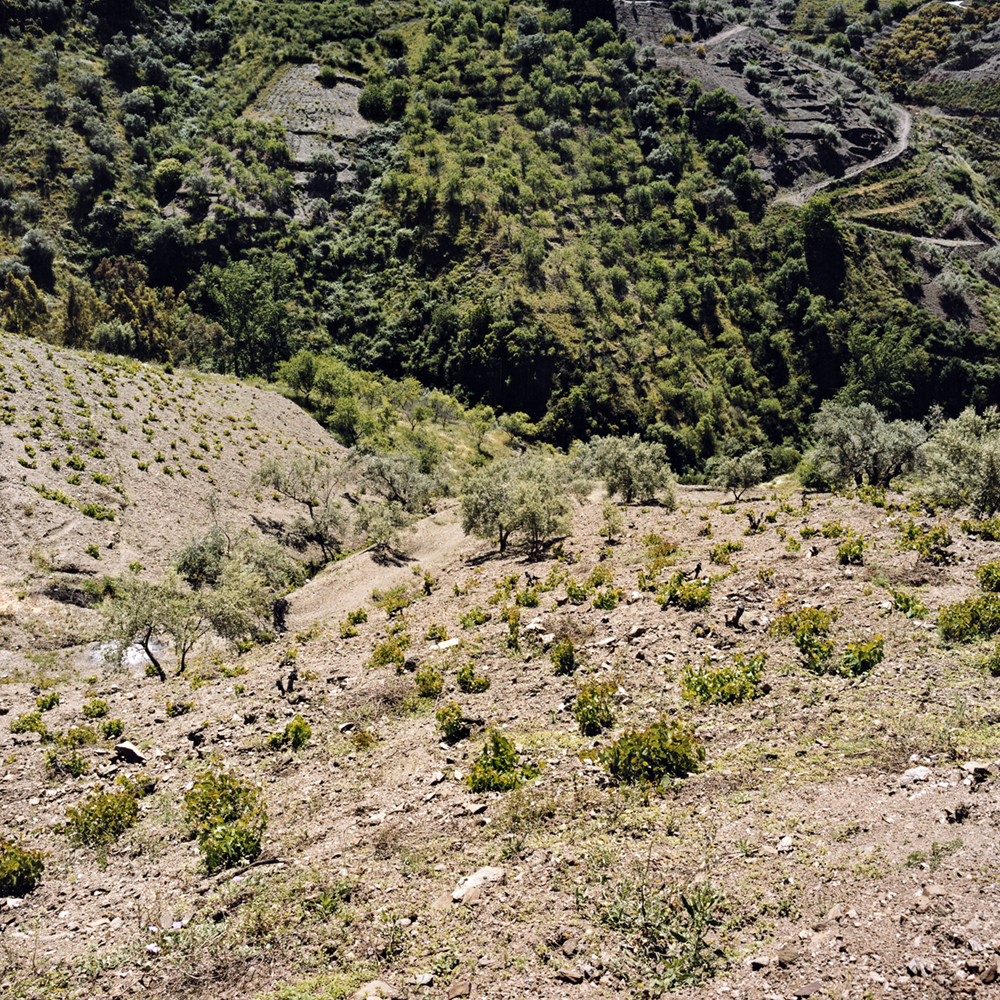
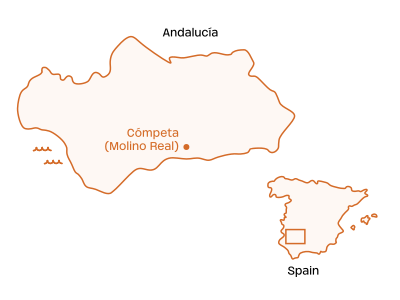
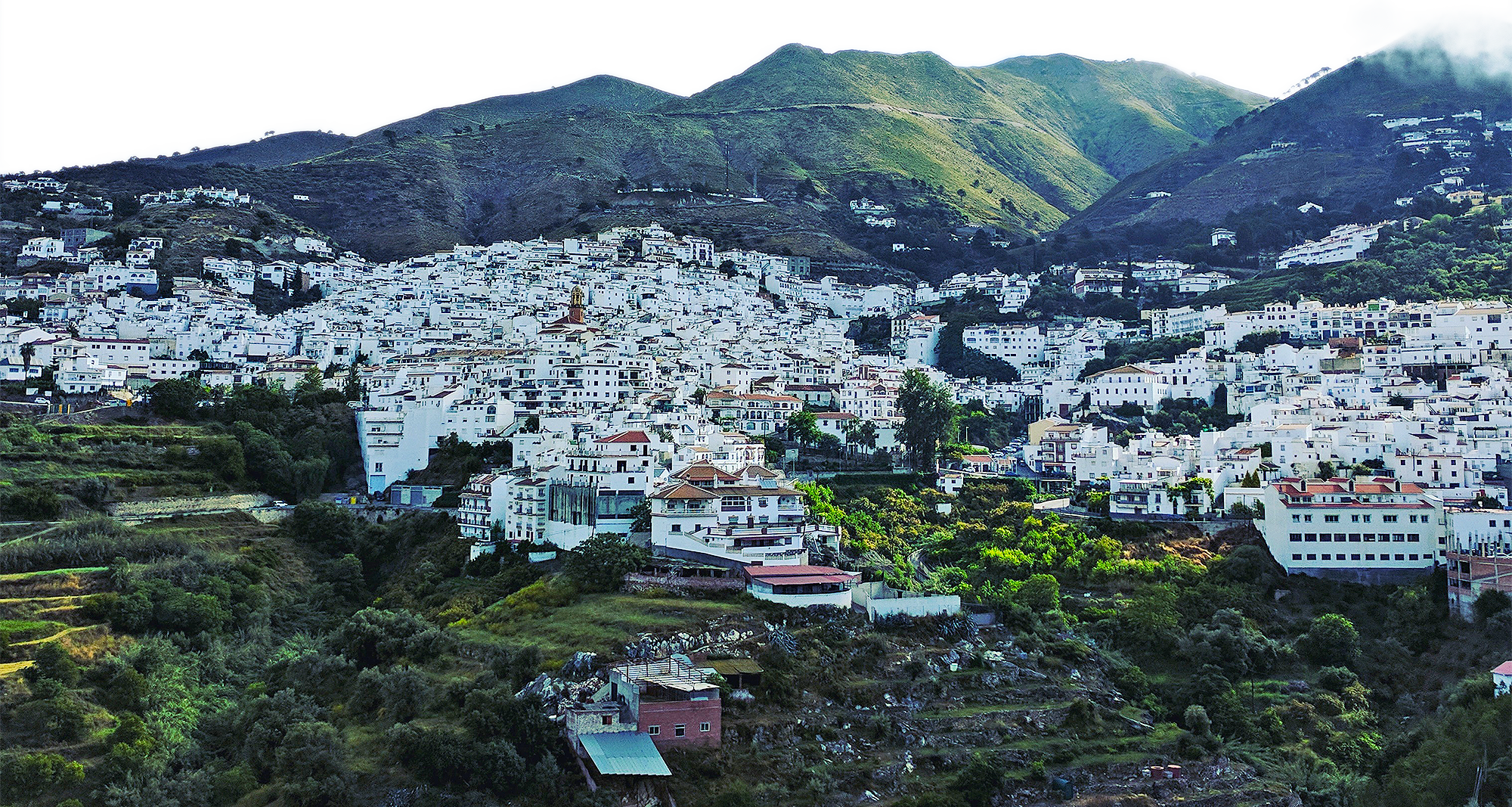
The Muscat of Alexandria grapes for the flagship Molino Real wine come from nine hectares of bush-trained vines on steep slate slopes at elevations between 350 and 1,000 meters, located around the village of Cómpeta in the rugged Axarquía region of Málaga. Facing the Mediterranean sea, with terraced vineyards on steep slate cliffs, the vistas draw comparisons to Priorat or Banyuls. As is traditional, the grapes for the sweet wines are sun-dried on reed mats called cañas. Frames are set up so that temporary roofing can be used in case of rain.
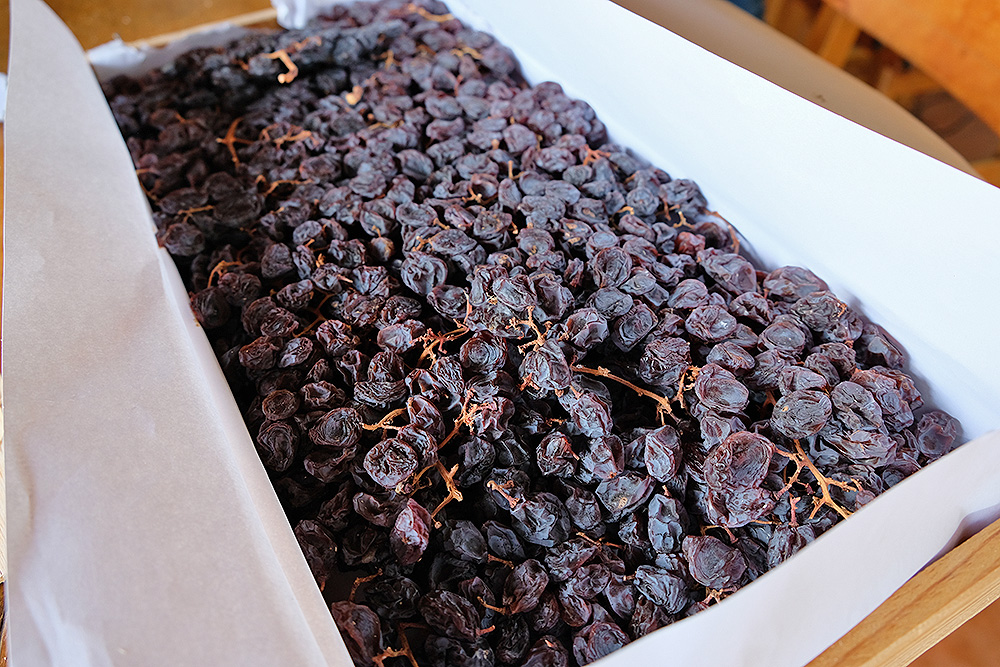
The sun-drying process, called asoleo, is a tough manual job. After hand-harvesting grapes on slopes with 40-60% incline, undamaged bunches are carefully placed in crates and carried up the mountain to the winery, where they are laid on the mats and turned regularly to ensure even dehydration. The process takes four to five days with warm weather, but can take up to three weeks when the weather is cloudy and the grapes don’t dehydrate on the vine.
Extracting the concentrated nectar from the dried grapes is even more difficult. Most of the harvest is lost to dehydration: they need 10 kilos of grapes to produce 2.5 kilos of raisins, which yield just one liter of must. Once the bunches reach the desired degree of dehydration, they are pressed in layers separated by grass mats. In 2009, they built a small new winery outfitted with an extremely powerful custom-built press to replace the old olive oil presses formerly in use.
The must is fermented in 225-liter oak barrels, where the wine later rests at low temperature for 20 months. The result is a rich, long-lived, sweet wine that honors the tradition and history of the mountain wines of Málaga.
More to Muscat
Adaptation in the Name of Preservation
Molino Real made only sweet wines until the early 2000s, when they found that some of the muscat grapes their growers brought them didn’t dry well. Not wanting those vineyards to disappear if they stopped buying grapes, they decided to use the fruit to make a refreshing, dry table wine they called Mountain Blanco.
The parcels best suited for making a dry wine change from year to year: one vineyard might be ideal in a wet year but much better for a sweet wine in a hot, dry vintage. Grapes for the dry wines are picked around three weeks earlier, and the pressing doesn’t need to be as powerful as for the dense must of the raisined grapes.
Reviving the Ghost
‘Our Life’s Top Wine’
“A few years ago, Christie’s sold some of the property of the Duke of Wellington. The last items from the cellar were several lots of a dozen bottles of a wine simply called Molino del Rey… I bid, and bought them.
I opened the first bottle (and years later, the last) with the finest judge of wine I know, Len Evans. It was greeted with a good Australian oath. What on earth? The wine, well into its third half-century, was extraordinarily sweet and creamy with a smoky softness but a clear tang of oranges. Was it wine at all? Could it be an orange liqueur that the Duke’s butler did not know what to do with? But no, it reminded me of one of the last bottles of another legendary Muscat, Constantia from the Cape, I had drunk thirty years earlier: the same flavour of fresh oranges in a bath of warm cream.
Not long after, I chanced on a magazine article about the estates in Spain and Portugal that were presented to the Duke of Wellington after the Peninsula campaign by the two nations he had liberated from the French. Among them was one with the name Molino del Rey, in the mountains above Malagá. Mountain, in fact, was the name in use for Malagá in England. Hearing it had vineyards, the Duke dispatched a wine-grower from Bordeaux to advise on operations. For a few years in the 1830s barrels of the wine were sent to England. No more is known. Evidently some of the bottles were forgotten in the Apsley House cellars.
Len and I discussed the last bottle far into a summer night in 2003…We were as dazzled as ever. Len pronounced orange rind; I said only freshly squeezed juice had the liveliness. “Honeyed heaven,” I wrote, “for texture and softness. Touches of cloves and cinnamon and creamy smoke. It simply defies age: there is no sign of oxidation, no creeping volatility. Len and I agree: our life’s top wine!” When I woke at four in the morning, I could still taste it.
The story has a happy ending. Telmo Rodriguez is a wine-maker from Rioja who carries his passion to other parts of Spain. He had heard my story of Molino del Rey, went searching and found a vineyard of ancient Moscatel vines in the hills above Malagá. He questioned the old people about their memories. Did they know how the wine was made in their grandparents’ time?…When I first tasted what he calls Molino Real, it was like seeing a ghost. It was the ancient mountain reborn. The unique flavour of a wine I found perfect had been lying in the soil for nearly two hundred years, waiting for a curious vintner to give it life again.”
— Hugh Johnson, “A Life in Wine”
Products
Wine
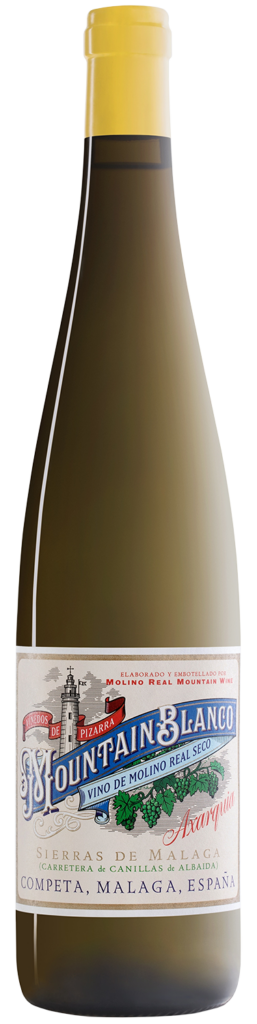
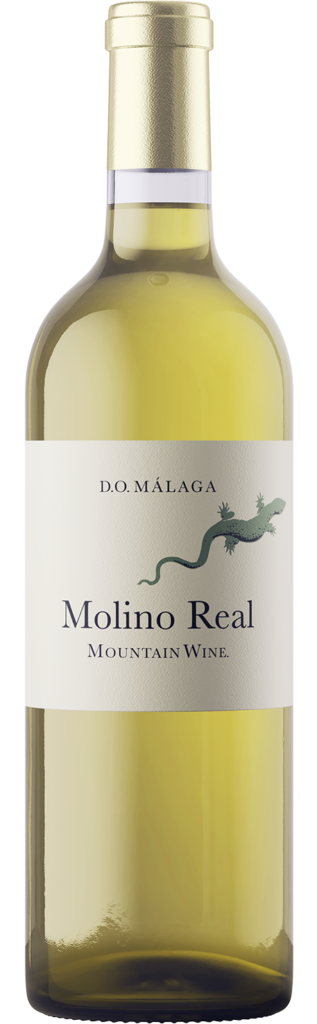
Molino Real ‘Mountain Blanco’ Sierra de Málaga 2022
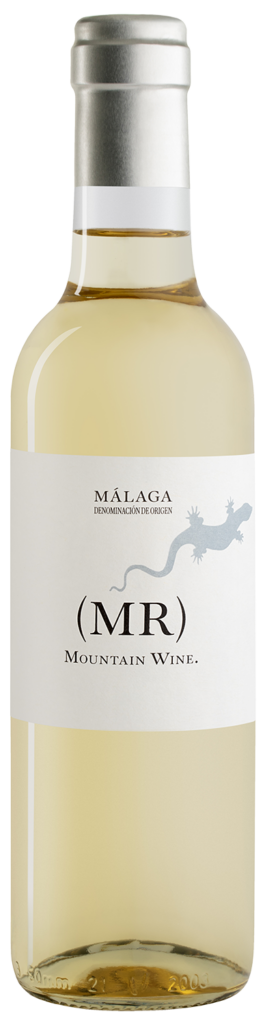
Molino Real ‘MR’ Málaga 2024