Ladeiras do Xil
Valdeorras | Galicia

Ladeiras do Xil is a winemaking project in Valdeorras, Galicia, producing tiny amounts of single-vineyard wines that showcase the incredible terroir of the Bibei Valley.
Introducing the Estate
A Landmark Project in Valdeorras
Named for the hillsides surrounding the Sil River, Ladeiras do Xil (“Slopes of the Sil”), is a single-vineyard wine project founded in 2002 by Pablo Eguzkiza and Telmo Rodríguez. The estate produces extremely low-production, site-specific wines from field blends of indigenous varieties planted high above the Bibei River, an area widely considered to be the most exciting place for world-class viticulture in Valdeorras.
History & Origins
A Story of Recovery
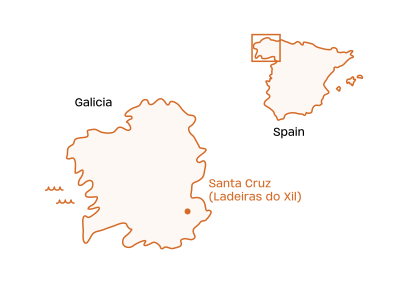
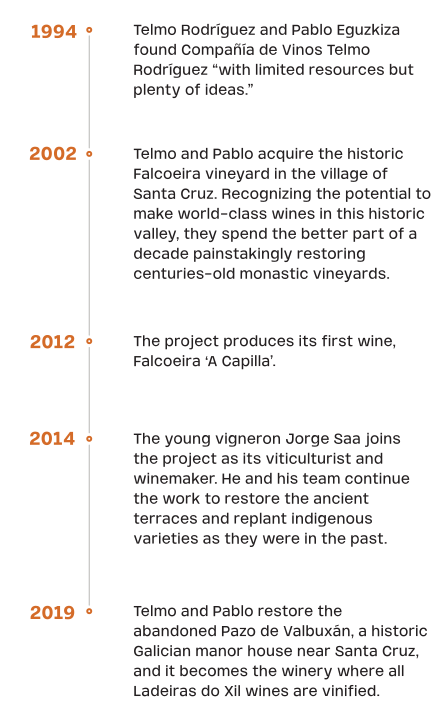
Telmo Rodríguez and Pablo Eguzkiza began working in the Bibei Valley in 2002, when they acquired the historic Falcoeira vineyard in the village of Santa Cruz. Recognizing the potential to make world-class wines in this historic valley, they spent the better part of a decade painstakingly restoring centuries-old monastic vineyards.

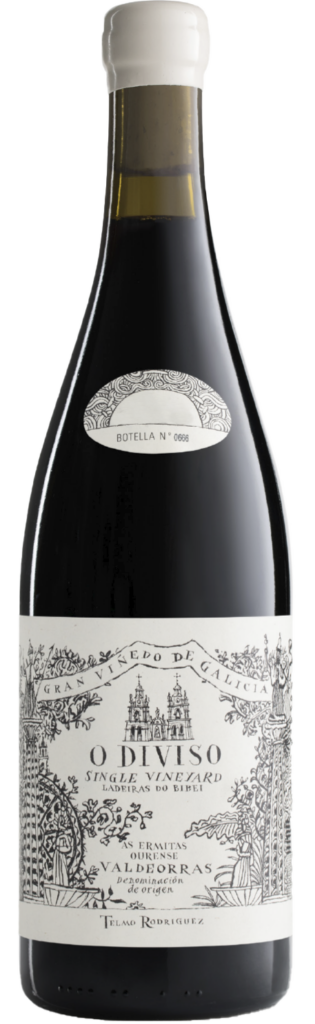
The project produced its first wine, Falcoeira ‘A Capilla,’ ten years later. Later, they began bottling the historic As Caborcas vineyard, highlighting the remarkable differences between that vineyard and nearby parcels Falcoeira and O Diviso.
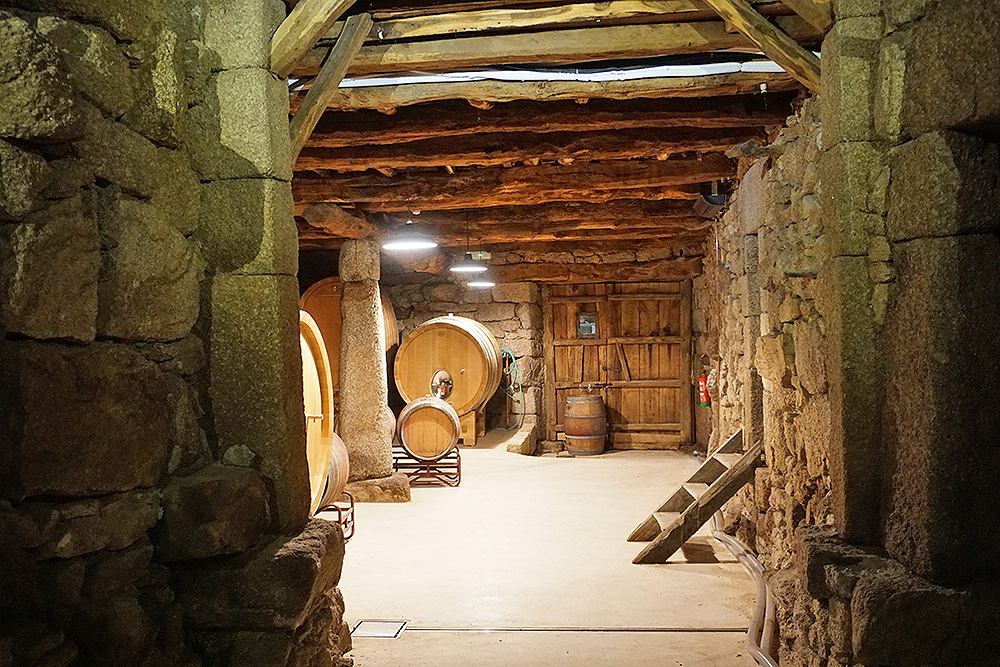
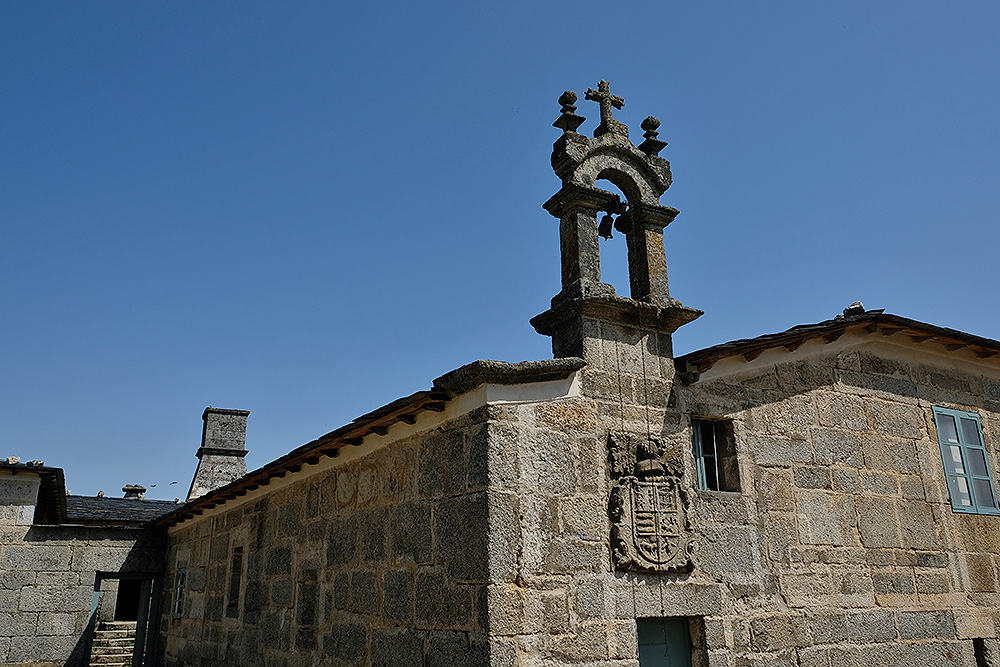
In the late 2010s, Pablo and Telmo discovered the abandoned Pazo de Valbuxán, a historic Galician manor house near Santa Cruz. They restored the vineyards, estate, and historic cellar, and by 2019, it became the winery where all Ladeiras do Xil wines are vinified.
Restoring the old pazo has not only revived a historic cellar but also inspired the team’s vision for the future, grounding their revival of traditional winemaking in a building carved from the very granite in which their vines grow.
The Vision Behind Ladeiras do Xil
Champions of Vineyard Revival
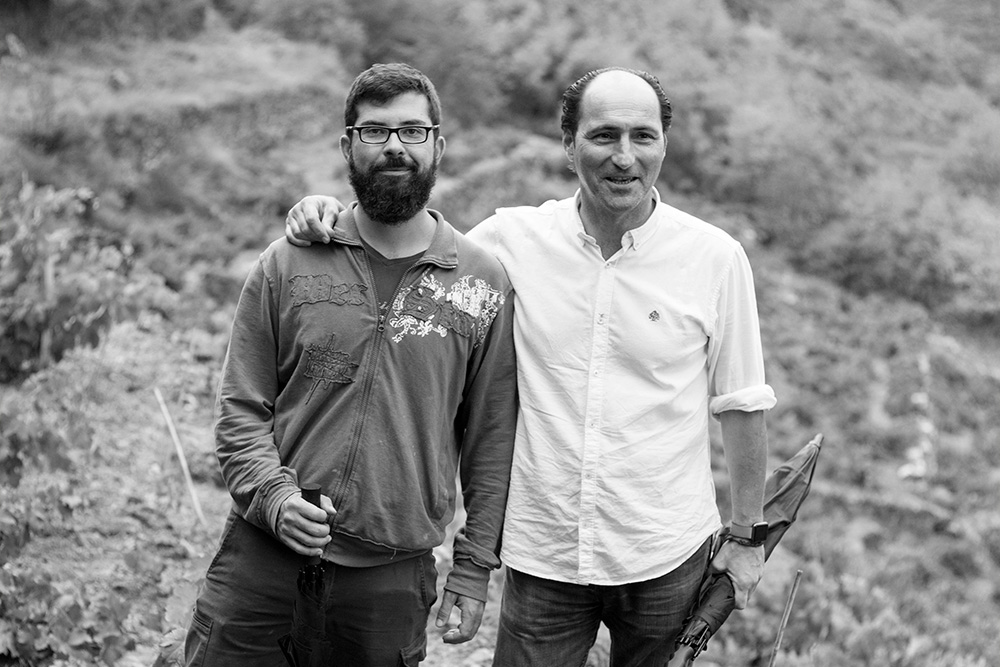
Though it bears only Telmo’s name, Compañía de Vinos Telmo Rodríguez, or simply Compañía, is co-owned by winemaking partners Telmo Rodríguez and Pablo Eguzkiza. Founded in 1994, their mission has been the recovery of Spain’s old, forgotten vineyards: garnacha in Cebreros, sweet moscatel from Malaga, and the reds and whites of the Bibei Valley, in Galicia’s Valdeorras region.
In contrast to “flying winemakers” who are involved in their projects in name only, Telmo and Pablo rack up hundreds of thousands of miles each year, crisscrossing Spain and visiting their projects to ensure both viticulture and winemaking meets their rigorous standards. In each project, the duo partners with local growers and winemakers to ensure their wines are in the most knowledgeable hands.
Since 2014, Ladeiras do Xil has been led by young vigneron Jorge Saa. He and his team have continued the work to restore the ancient terraces and replant indigenous varieties as they were in the past.
The Vineyard & Land
Historic Terroir
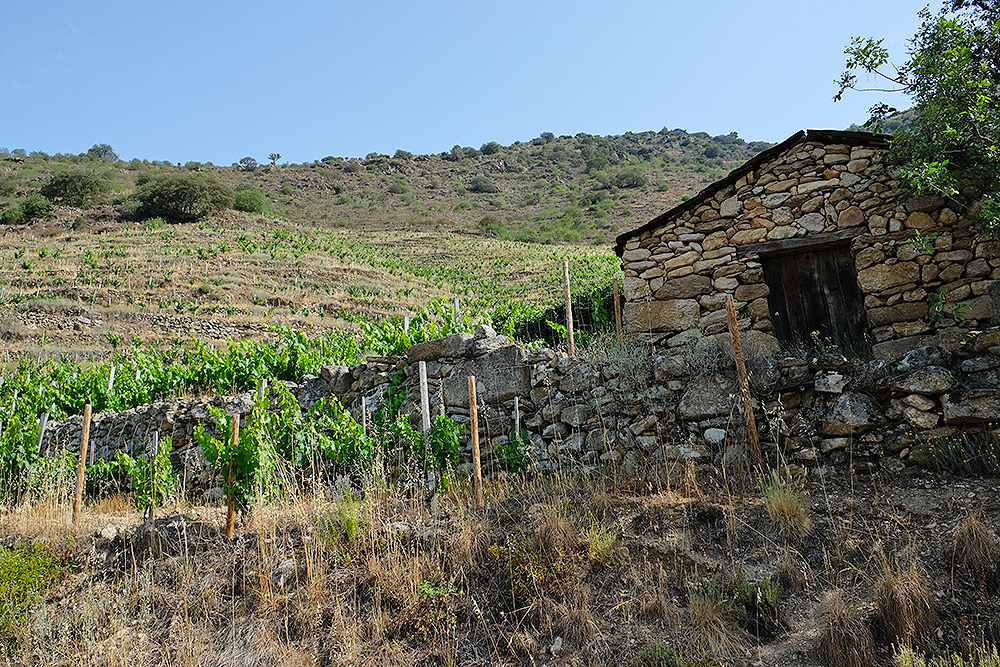
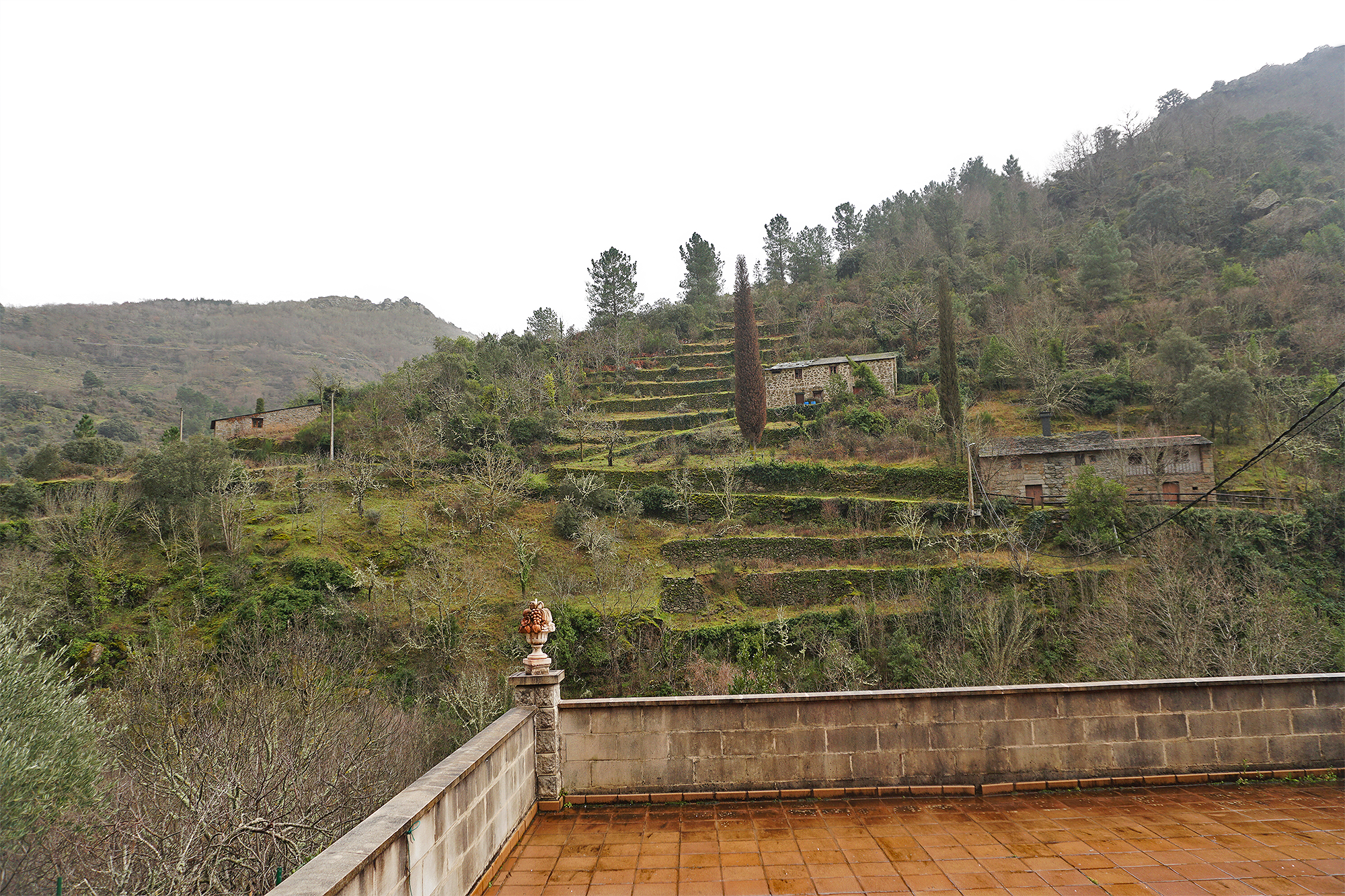
The vineyards are located high above the Bibei River (a tributary of the Sil) near the village of Santa Cruz and the ancient monastery of As Ermitas, where fantastic terraces cling to vertiginous cliffs on both sides of the river. This valley in the southern part of Valdeorras, on the border of the Bibei subzone of Ribeira Sacra, is considered the most important and exciting area for world-class viticulture in Valdeorras.
This region is exceptionally rural and biologically diverse: vines are completely surrounded by dense chestnut forests and animal life. Vineyards have existed here since the Roman era, with viticulture further refined and perfected by Cistercian monks. Soils are shallow, acidic, and coarse-textured due to varying proportions of decomposed granite with naturally low fertility.
Co-planting is essential in this region, and they employ a number of varieties including merenzao, sousón, mencía, godello, treixadura, godello tinto, brancellao, doña blanca, garnacha, and palomino. As a rule, Ladeiras do Xil uses only indigenous grape varieties, mindful of the history of the vineyards and the ecology of the surrounding area.
Winemaking Philosophy
Vineyard First, Winery Second
Ladeiras do Xil follows a “vineyard first, winery second” philosophy. The focus is on recovering abandoned terraces, restoring historic vineyards like Falcoeira and As Caborcas, and co-planting indigenous varieties in their original, bush-trained style.
Across all the wines, Telmo, Pablo, and Jorge follow a philosophy of low yields, organic farming, gentle handling, and minimal technological interference, letting the diverse expression of the soils, grape varieties, and microclimates shine through. Every decision is guided by respect for the land, its history, and the microclimates of the Bibei Valley, allowing the ancient terroir to shape wines of exceptional complexity and authenticity.
Grapes are hand-harvested in small crates, from parcels with varying altitudes, ages, and exposures. Fermentation occurs spontaneously with native yeasts, typically in stainless steel or neutral French oak barrels or foudres, depending on the wine.
Whites are aged on their fine lees for several months without bâtonnage and do not undergo malolactic fermentation, preserving freshness, minerality, and natural acidity. Aging for the reds ranges from 12 to 15 months, sometimes blending small barrels and large foudres, with fining using egg whites. All the wines are bottled unfiltered to maintain complexity and texture.
Heroic Viticulture
Perseverance and Respect
“It’s been an emotional experience reliving how our ancestors worked the land, moving tons of earth and stone, shaping the landscape and carving out plots and terraces that now lie practically abandoned but which could become some of the best vineyards in the world,” says Telmo. “We have learned how they used endless combinations of different varieties to adapt to the diversity of the land and climate. We have learned a lot. We have reflected and understood that respect for this heritage will be the foundation of all our work for the future.”
Ladeiras do Xil is poised to craft the wines of the future, informed by this forgotten region’s illustrious past.
Products
Wine
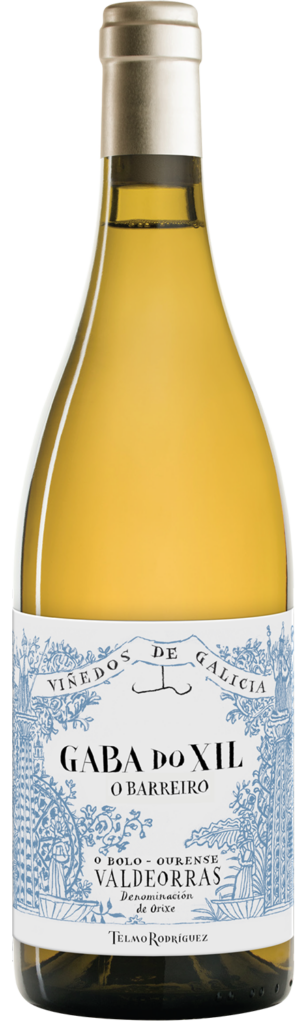
Gaba do Xil ‘O Barreiro’ Branco Valdeorras 2024
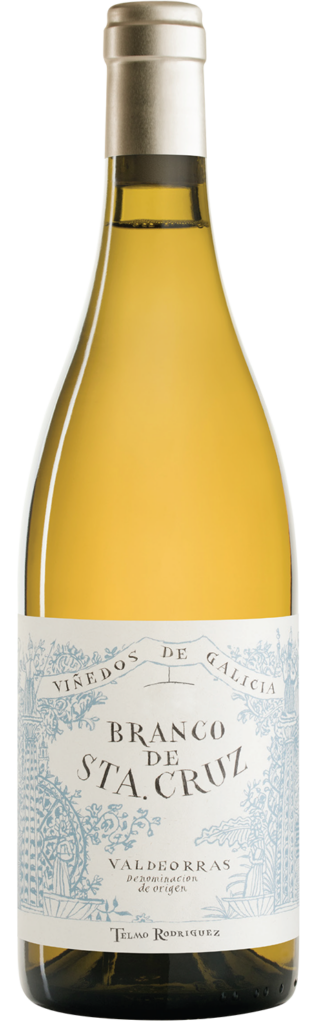
Ladeiras do Xil ‘Branco de Santa Cruz’ Valdeorras 2021
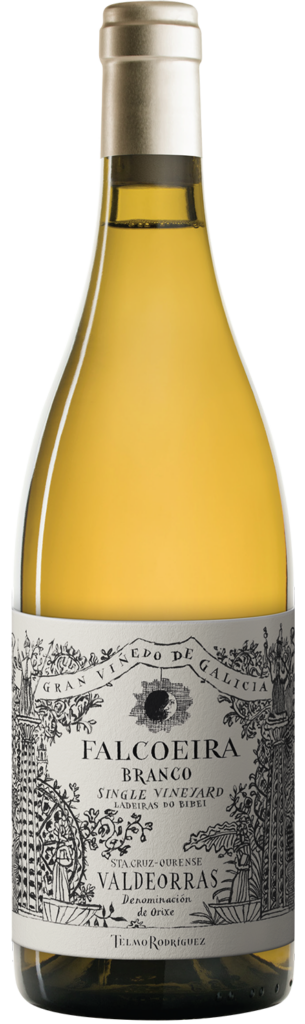
Ladeiras do Xil ‘Falcoeira Branco’ Valdeorras 2022
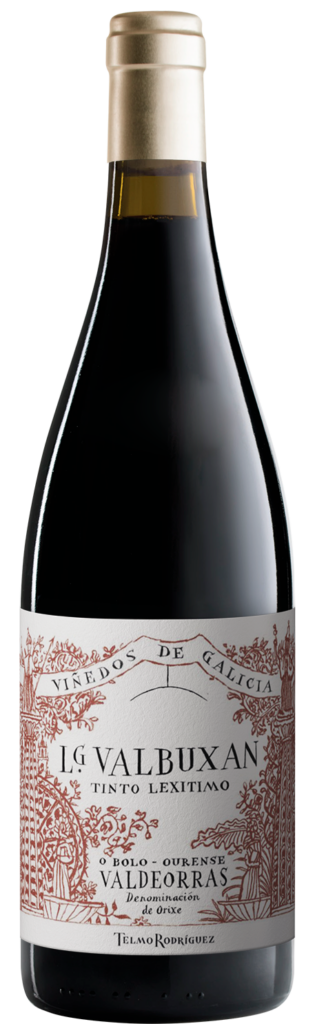
Ladeiras do Xil ‘Lg. Valbuxán Tinto Lexítimo’ Valdeorras 2020
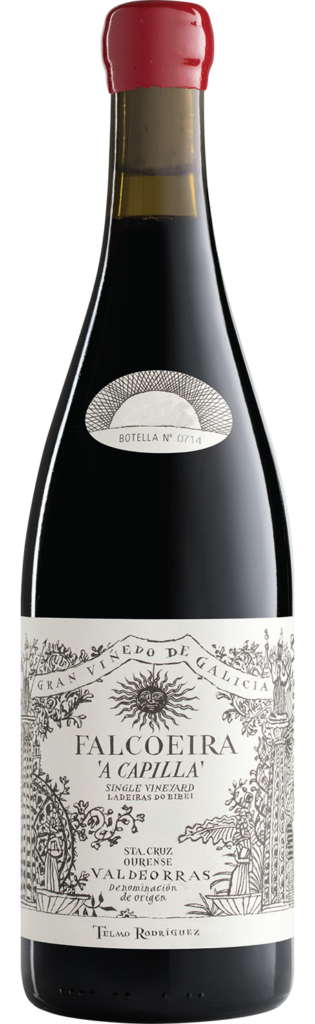
Ladeiras do Xil Falcoeira ‘a Capilla’ Valdeorras 2021
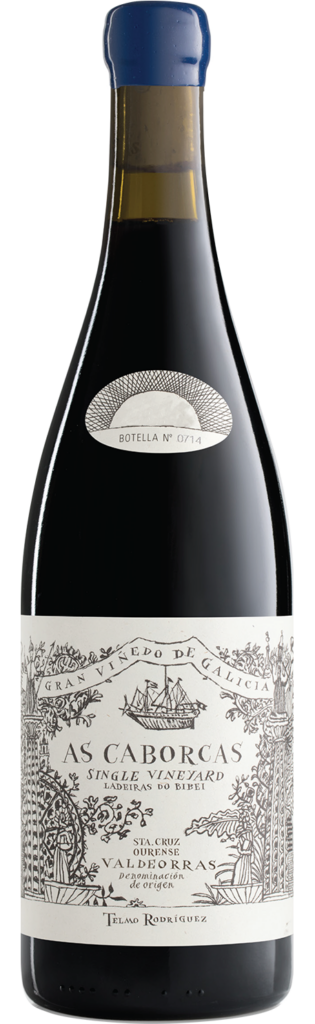
Ladeiras do Xil ‘As Caborcas’ Valdeorras 2022