Conde de Hervías
Rioja Alta

Conde de Hervías is an incredibly unique micro-winery in northern Rioja Alta, whose sole focus is producing high quality single-vineyard wines from historic vineyards in the village of Torremontalbo.
Introducing the Estate
A Hidden Gem in Rioja
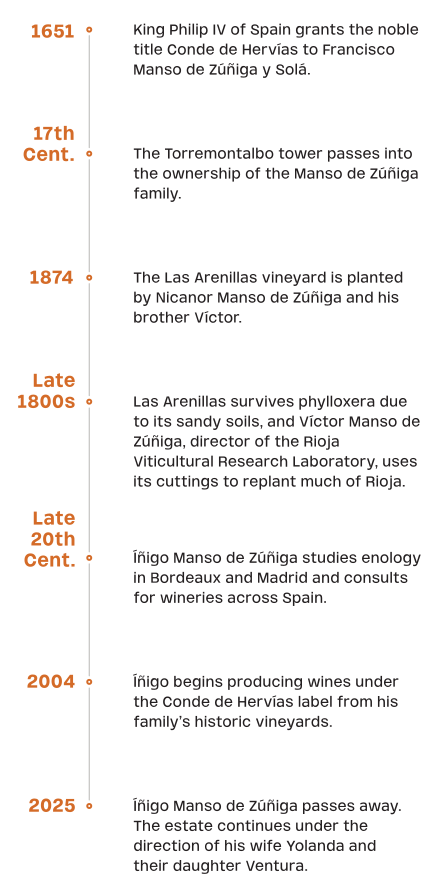
Conde de Hervías (Count of Hervías) is a real title that was first granted to Francisco Manso de Zúñiga y Solá by King Philip IV of Spain in 1651. Three centuries later, the eleventh Count of Hervías, Íñigo Manso de Zúñiga Ugartechea, began making wines from his family vineyards after a career consulting for wineries throughout Spain.
The project remains one of Rioja’s hidden gems, produced from estate vineyards that carry an important, irreplaceable genetic heritage, pre-dating the industrialization of Rioja. The centerpiece is Las Arenillas, the region’s oldest prephylloxera vineyard, planted in 1874 by Íñigo’s great-great-grandfather Nicanor Manso de Zúñiga and his brother Victor.
A sincere, soft-spoken country gentleman who exuded warmth, class, and timeless elegance, Íñigo passed away in 2025. Since his death, the estate’s work has been carried on by his wife Yolanda, also a winemaker, and their daughter Ventura. The philosophy remains focused on crafting wines that are both elegant and complex, offering immediate enjoyment while promising a world-class experience for those with the patience to give them time in the cellar.
History & Origins
Icons of Rioja Winemaking
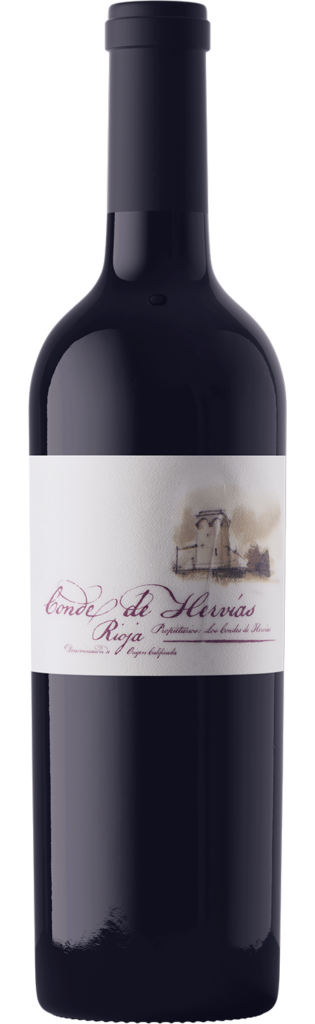
The label of the flagship Conde de Hervías wine features the emblematic tower of Torremontalbo, a village dating back to 1096. The current tower was built in the 15th century over the ruins of a Roman castle, and has belonged to the Manso de Zúñiga family since the 1600s.
Íñigo Manso de Zúñiga’s ancestors were at the epicenter of viticulture in the Rioja region during a time of great change. His great-uncle, Víctor Cruz Manso de Zúñiga, was director of the Rioja Viticultural Research Laboratory in Haro in the late 1800s, and was instrumental in rebuilding Rioja’s vineyards after phylloxera.
As the American louse devastated the rest of the region, to Victor’s amazement, the Las Arenillas vineyard survived. He later determined that this was due to the sandy nature of the soil, and grafted tempranillo and graciano cuttings from Las Arenillas onto many of the American rootstocks used to rebuild Rioja’s vineyards in the wake of phylloxera.
Following in his ancestors’ footsteps, Íñigo studied winemaking at the University of Bordeaux and the Polytechnic University of Madrid, where he learned to respect balance and restraint over power and concentration. After consulting for wineries in Andalucía and Ribera del Duero, he began making Conde de Hervías in 2004.
The Vision Behind Conde de Hervías
Building a Legacy
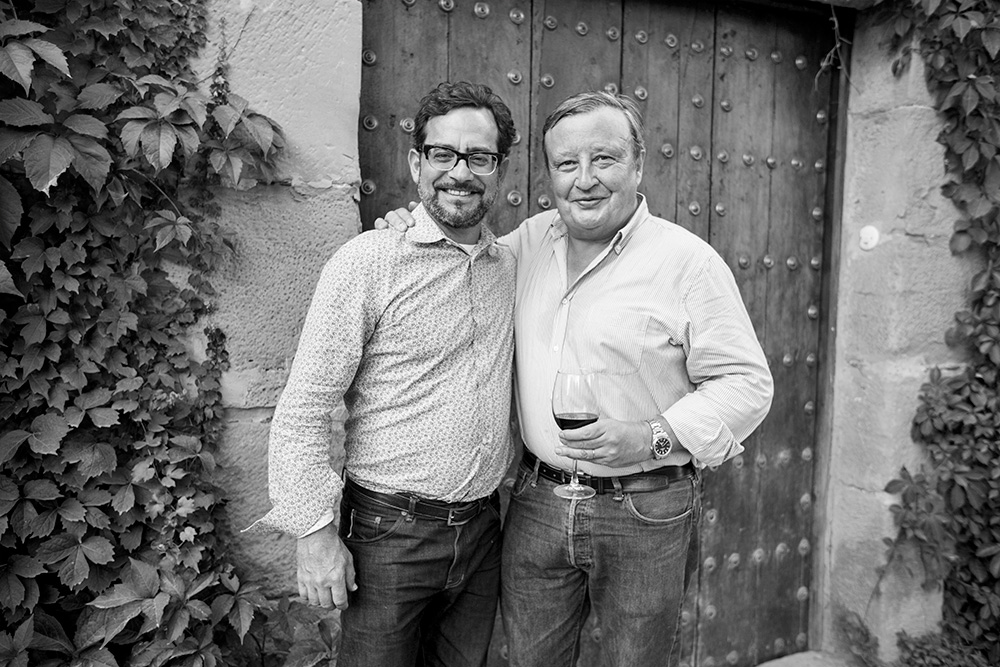
Conde de Hervías was Íñigo’s personal project, with no separation between the individual and his wines. Like the winemaker himself, the wines exhibit a confident air of sophistication, elegance, and authenticity. As it passes into the hands of the second generation, this incredible winery stands as the legacy of one man’s quest for excellence in viticulture and the elevation of terroir in his native Rioja.
Process & Philosophy
The Heart of Rioja
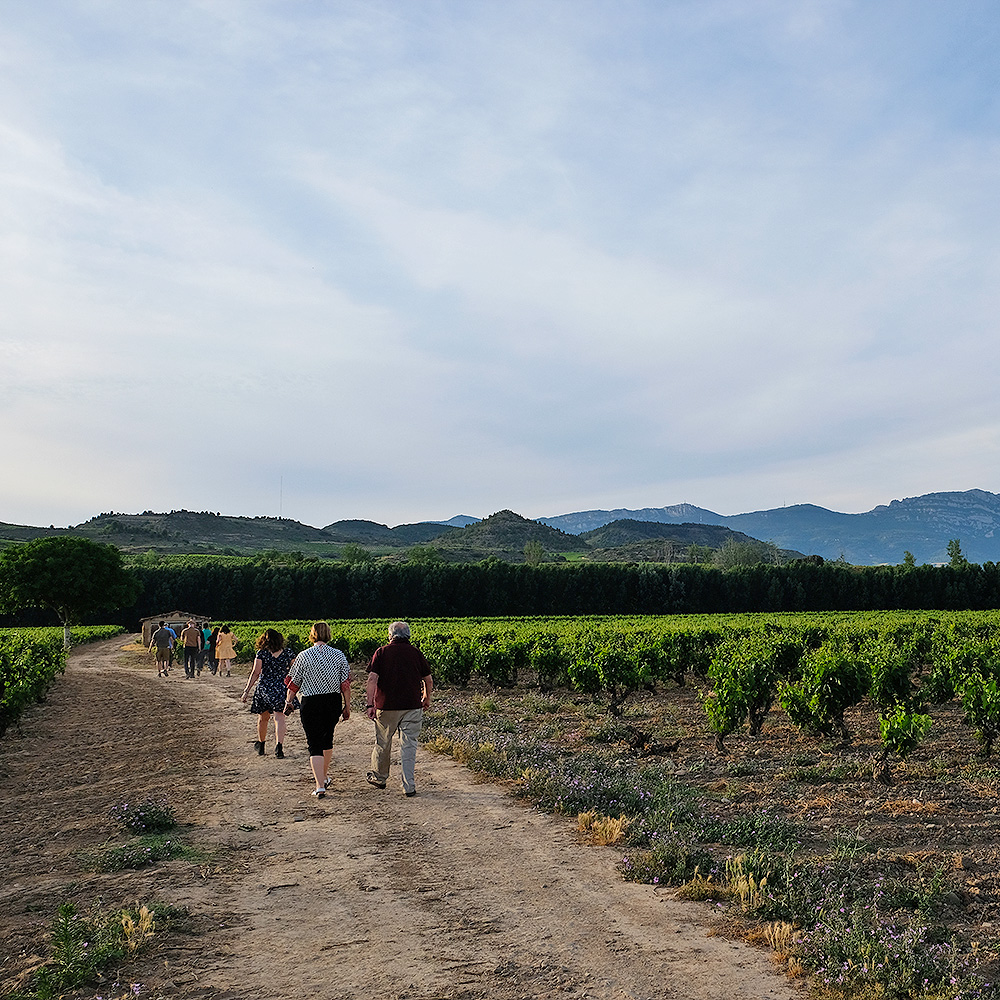
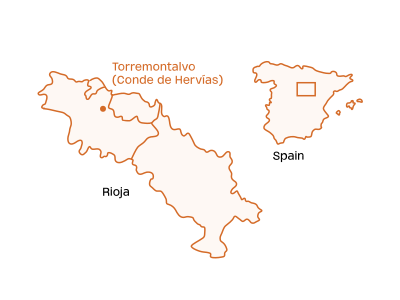
Torremontalbo lies on the right bank of the Ebro River, close to the famous village of Haro, where Atlantic climatic influences dominate and wines have outstanding aging potential.
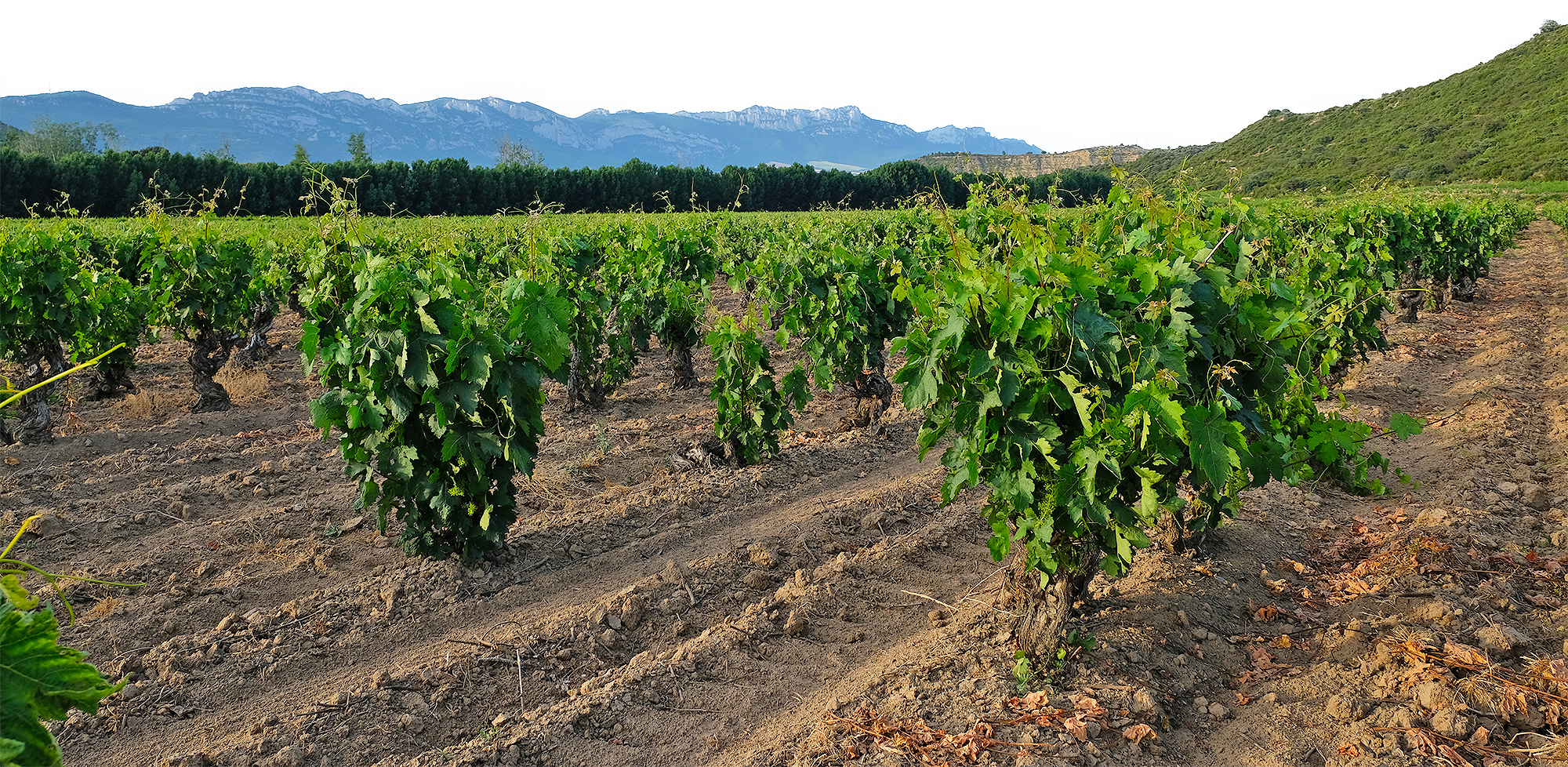
The jewel of the Manso de Zúñiga family vineyards is Las Arenillas, planted in 1874 at 475m, on the right bank of the Ebro River. Cuttings from Las Arenillas were used to re-plant all of the other single vineyards in the Manso de Zúñiga estate: Llano Alto, planted in 1958 in iron-rich clay soils with large river rocks, and Romero, planted in 1978 in pure chalky clay.
All the vineyards are planted in the traditional goblet method, which helps preserve acidity and freshness and guards against heat damage. The vineyards are co-planted, with 90 percent tempranillo and 10 percent graciano. Viticulture is organic, with no chemical intervention, as things have been done as far back as anyone can remember. In the winery, only the best grapes are selected and spontaneously fermented with indigenous yeasts. They use a method called integrated fermentation, where alcoholic and malolactic fermentations happen simultaneously, bringing great harmony to the wine.
The aging process is never hurried, and small quantities of each wine are released only when the time is right for each one to express its personality. Although the releases could be labeled as Crianza, Reserva, or Gran Reserva, Íñigo chose to forgo the traditional focus on time spent in barrel to remain free to focus on terroir and doing what is best for the wines.
Products
Wine
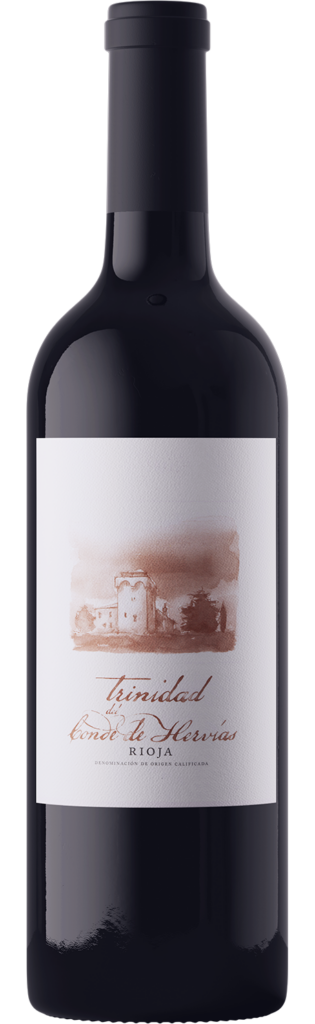
Conde de Hervías ‘Trinidad del Conde de Hervías’ Rioja Alta 2019
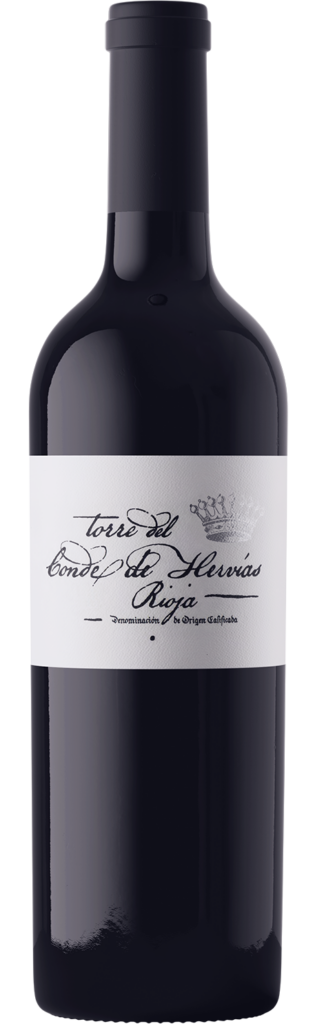
Conde de Hervías ‘Torre del Conde de Hervías’ Rioja Alta 2015