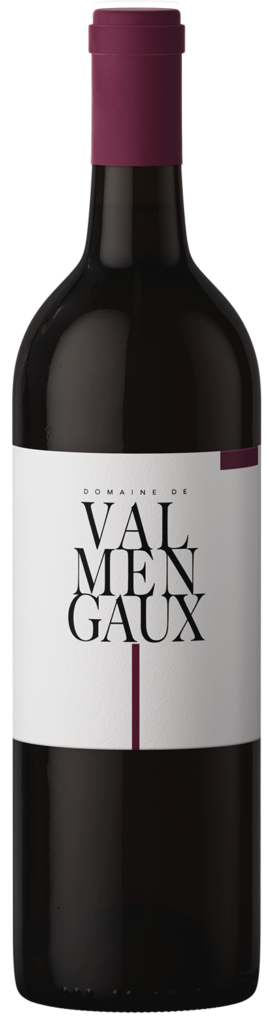
Domaine de Valmengaux
Right Bank | Bordeaux

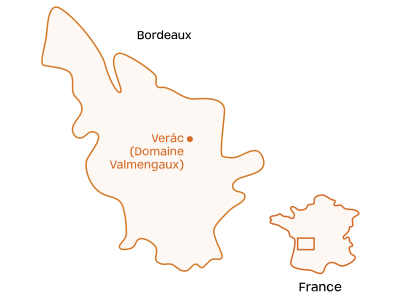
Domaine de Valmengaux is a pioneering winery created in the year 2000 on Bordeaux’s Right Bank. Stripping away the artifice and pageantry that has come to be associated with Bordeaux, they deliver unadulterated, fresh wines via organic viticulture and low-intervention winemaking.
Introducing the Estate
A Measured Rebellion on the Right Bank
It takes tenacity and courage to exist outside of the control of the courtiers and négociants of La Place de Bordeaux. Just a stone’s throw from the prestigious appellations of Pomerol and Saint-Émilion, Domaine de Valmengaux has become a pioneer of the “New Bordeaux” movement, intentionally distancing itself from the rigid, chemical-heavy, monolithic traditions of the region’s négociant system.
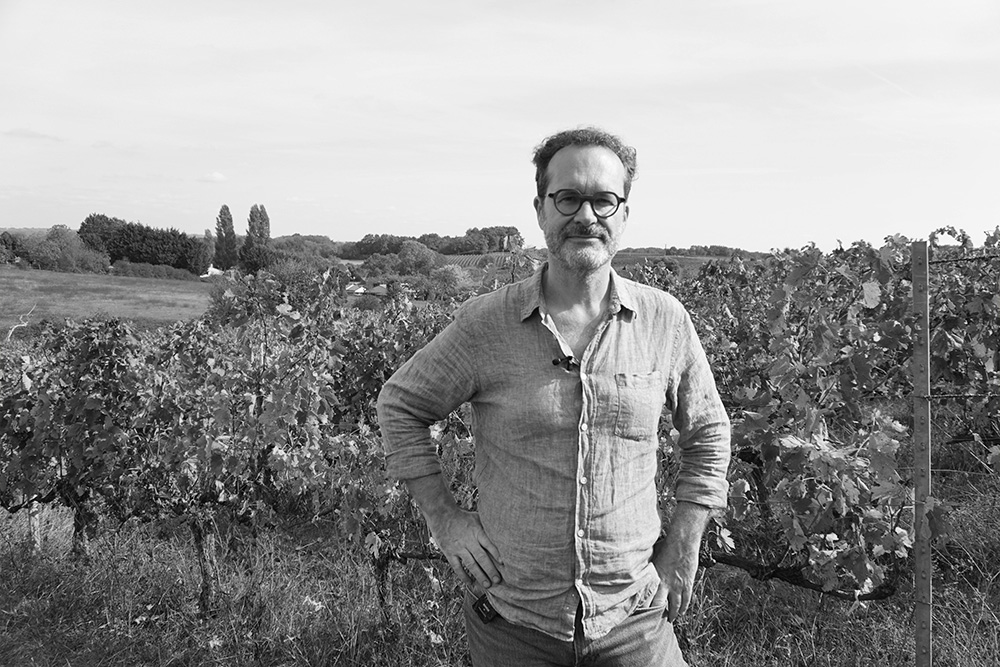
On the outskirts of the tiny village of Vérac, husband and wife team David & Valérie Vallet farm the single, contiguous four-hectare vineyard that makes up Valmengaux. Together, they are proving that Bordeaux can be as soulful and artisanal as any honest wine from Burgundy or the Loire.
Vérac exemplifies the slower-paced country life of Bordeaux’s Right Bank, worlds away from the glamorous châteaux of more famous neighboring villages. By considering themselves farmers first, the Vallets are slowly breaking apart preconceived ideas of where Bordeaux’s future lies and returning to what originally made the region great.
History & Origins
Architects of an Honest Bordeaux
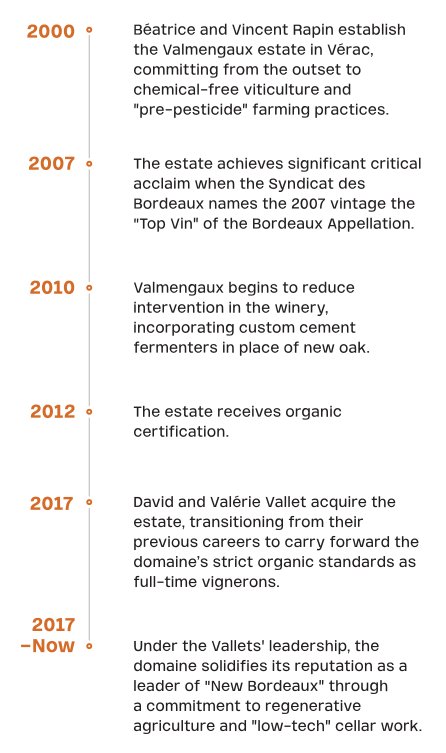
Domaine de Valmengaux was founded in 2000 by Vincent and Béatrice Rapin, who combined the names of their children—Valentin, Clémentin, and Margaux—to create the name of their new estate: “Valmengaux.” Their goal was to make great Bordeaux outside of the control of the region’s negociant system while using organic farming methods. They were very successful in this endeavor, showing that chemical-free farming is not only possible in Bordeaux, but can result in wines with incredible energy, freshness and profound depth.

In 2017, trading careers in IT and social work for the life of the vigneron, David & Valérie took over the estate from the Rapin family, continuing their ethos of handcrafting terroir-driven wines via organic and regenerative farming. In the intervening years, the couple has breathed new life into the domaine, elevating Valmengaux to be an example of viticulture to follow among a landscape dominated by grand châteaux and corporate winemaking.
Farming & Philosophy
Principled Restraint
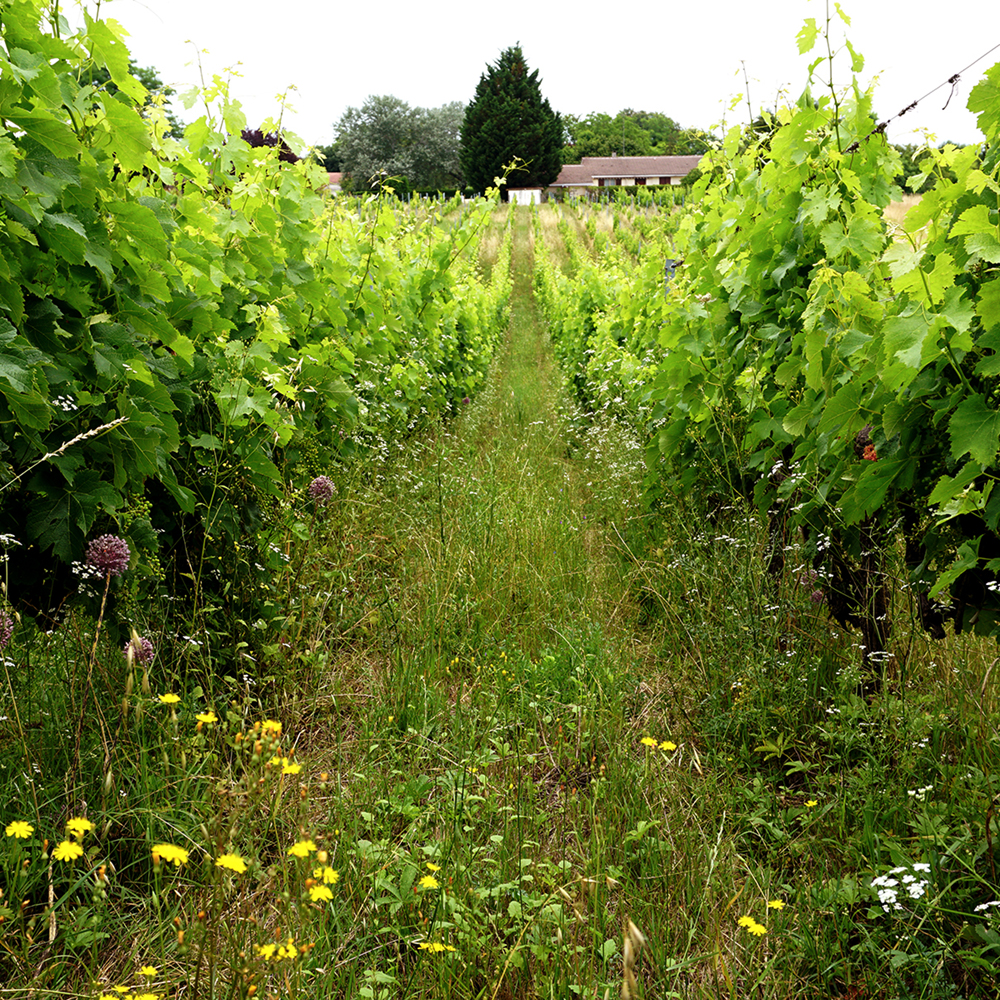
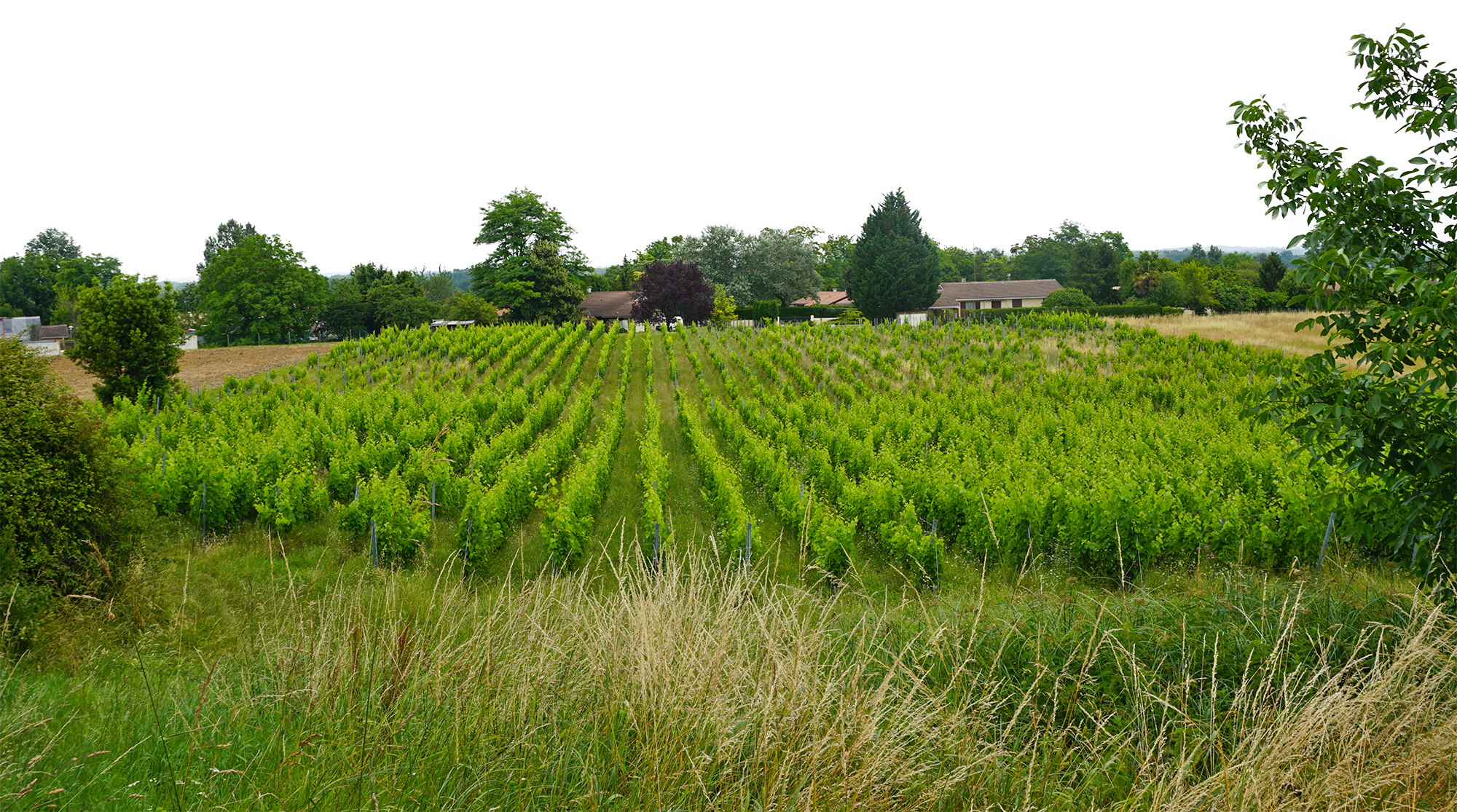
Domaine de Valmengaux’s property has been planted with vines since the time of the Romans. Though the estate makes up a total of four hectares, only two and a half are currently under vine. Northeast- and northwest-facing slopes of well-draining clay-limestone soils are home to mostly cordon-trained, old-vine merlot, with cabernet franc and cabernet sauvignon making up about 10 percent of the total. As they lose some vines due to age and with an eye towards climate change, David and Valérie have begun planting malbec for its heat and drought resistant qualities.
Since the Rapin family’s purchase of the property in 2000, the estate has never seen chemical herbicides or pesticides, and production has been certified organic since 2012. Cover crops and native grasses are planted between rows, and tilling is kept to an absolute minimum.
Process & Production
One Wine, Two Ways
The estate is small enough to harvest completely in one day and the cellar is located directly next to the vineyard, so grape quality is always exceptional. Grapes are hand-harvested and sorted bunch by bunch, then destemmed, crushed and fermented with indigenous yeasts in large, temperature-controlled cement fermentation tanks similar to those used in Beaujolais.
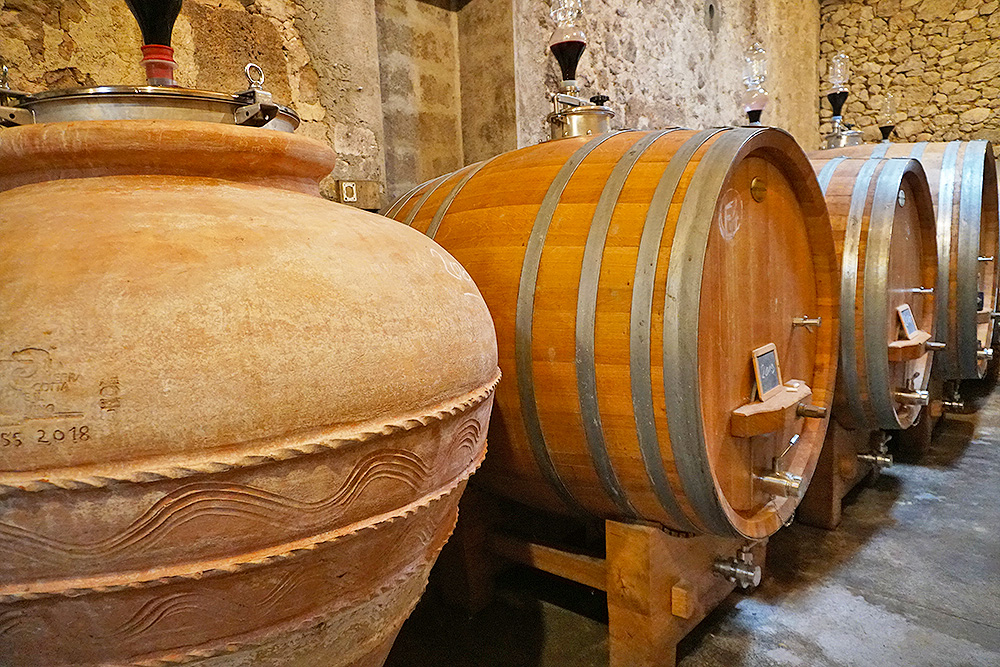
They produce two wines: “En Foudre” and “En Jarre”. As the names would suggest, En Foudre is aged in used, 1,200- and 2000-liter used Stockinger oak foudres, and En Jarre is aged in 500-liter clay amphorae. Each method of élevage provides a different expression of the property while clearly delineating the expression and freshness of Valmengaux’s terroir.
Products
Wine