Château Lestage-Darquier Grand Poujeaux & Château Anthonic
Moulis-en-Médoc | Bordeaux

Two projects of the Cordonnier family, pioneers in agroforestry and regenerative viticulture in Bordeaux. These artisan estates offer a fresh perspective on hand-crafted, left-bank Bordeaux that is progressive in both farming and philosophy.
Introducing the Estate
Pioneers in the Heart of the Médoc
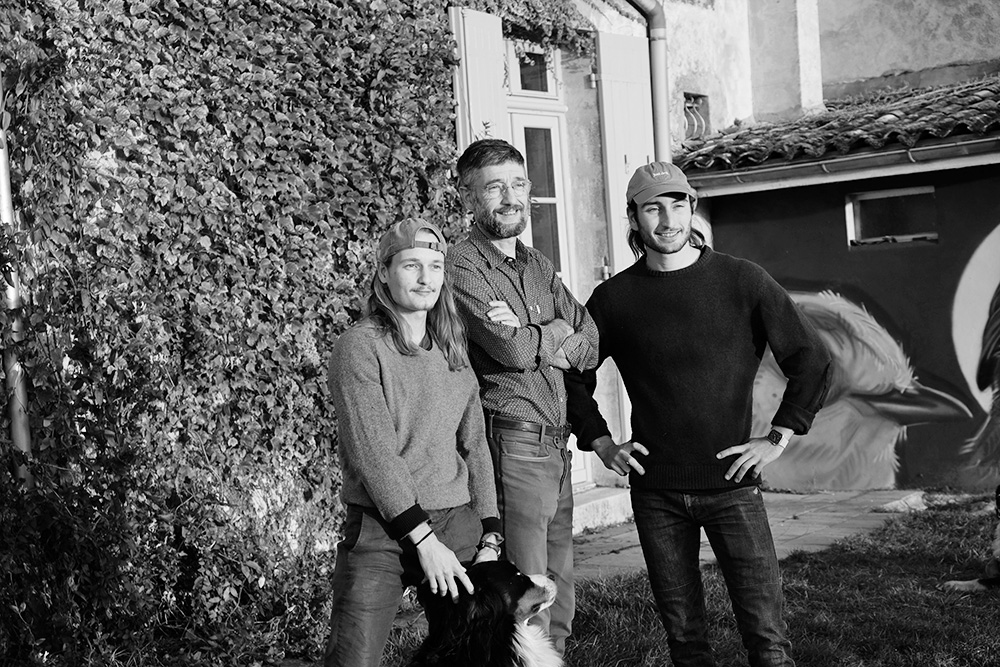
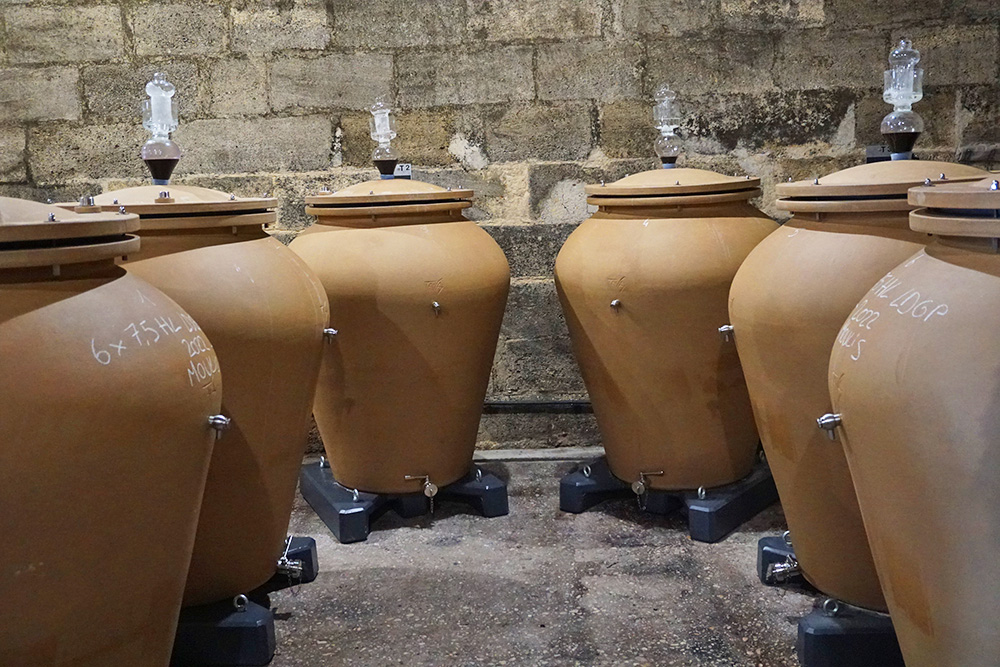
Jean-Baptiste Cordonnier and his son Théophile are leaders in the agroforestry and regenerative farming movements, working hand in hand with nature in the vineyard to improve biodiversity and soil health and fight climate change. Along with their family’s meticulous organic farming strategy, they use progressive aging methods that respect the personality of the soils, making what we consider to be the Bordeaux of the future.
History & Origins
In Search of Biodiversity
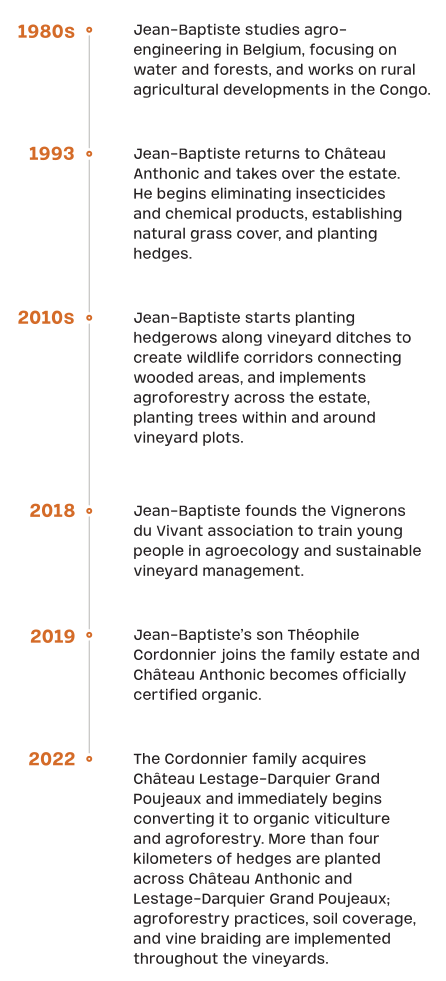
During a childhood spent in the vineyards of his family winery, Château Anthonic, Jean-Baptiste Cordonnier was surrounded by a wealth of biodiversity: reptiles, toads, frogs, insects, and orchids all flourished within the vines. These formative experiences inspired his career choice as an engineer of forests and water resources.
Up until the late 1980s, Jean-Baptiste’s father had practiced farming methods that were strikingly close to today’s organic standards. But over time, he gradually stopped ploughing the soil, and chemical products replaced traditional copper and sulphur treatments.
When Jean-Baptiste took over Château Anthonic in 1993, he was dismayed at the decline in biodiversity. Determined to recover the vineyards of his childhood, he began eliminating insecticides and planting natural grass cover. Although he initially reduced the use of chemical products, over time he became convinced that only the complete rejection of chemical methods would restore a genuinely balanced environment and the health of the vines.
In 2010, Jean-Baptiste began to plant hedgerows between the vineyards, creating corridors which connect the wooded areas and make uninterrupted passageways for wildlife. When it’s time to replant vines, the team at Anthonic removes two rows to introduce a row of deciduous trees for every 20 rows of vines.
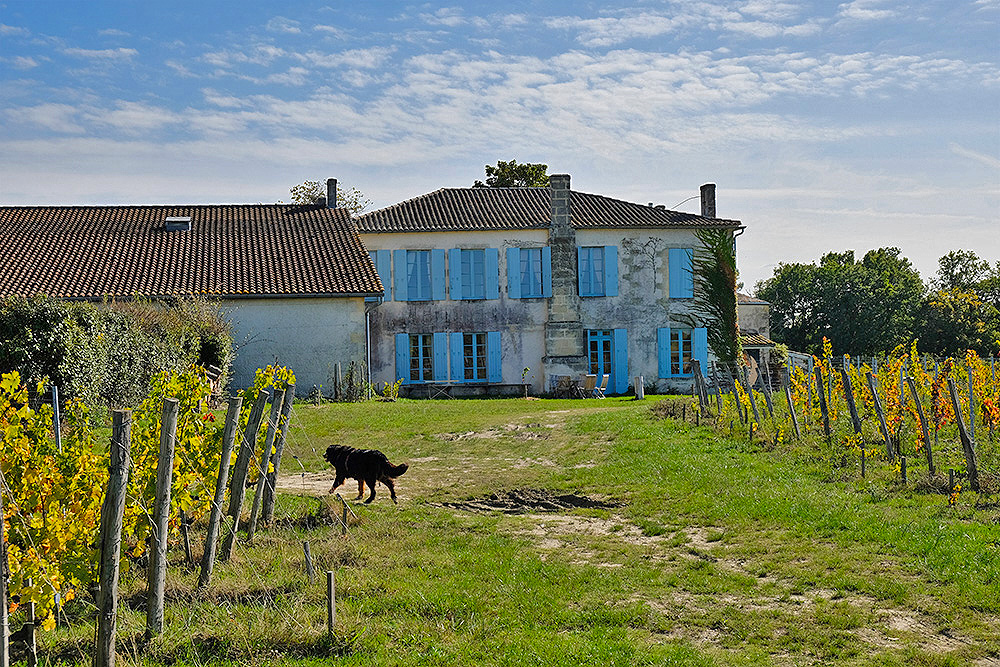
Jean-Baptiste’s son Théophile joined the family estate in 2019, the same year Château Anthonic received organic certification. After several years, the opportunity arose to purchase the nearby Château Lestage-Darquier estate. It was an easy decision: the previous owners had already ceased chemical treatments and were certified by Terra Vitis, and at 7,000 vines/ha, the planting density was identical to that of Château Anthonic. Jean-Baptiste and Théo immediately set about converting Château Lestage-Darquier to organic viticulture and agroforestry, systematically designing new vineyard plantations to have trees in the middle and at the edges of the plots. As of 2022, they have planted more than four kilometers of hedges that crisscross their vineyards from Château Anthonic to Lestage-Darquier Grand Poujeaux.
Terroir Context: The Grand Poujeaux Plateau
Location, location, location
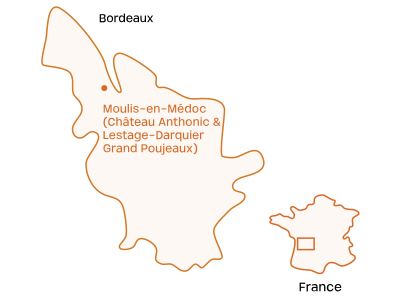
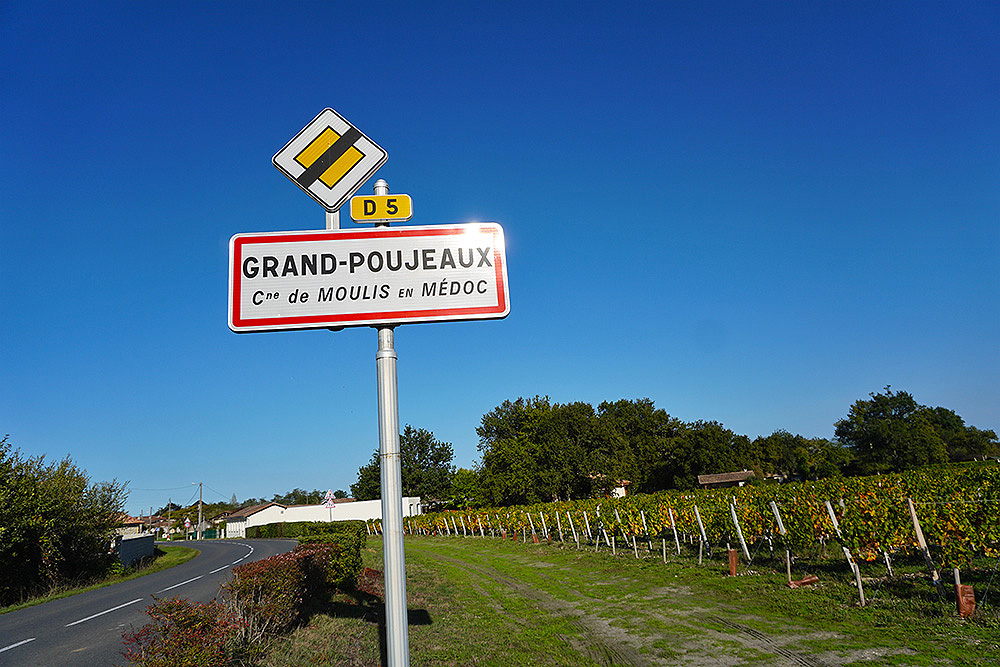
Situated three kilometers from the Gironde estuary, halfway between Margaux and Saint-Julien in the heart of the Médoc, Moulis-en-Médoc takes its name from the many wind and water mills that used to be found in the area. It is the smallest of the six Médoc communes, but among the most geologically diverse. The Moulis-en-Médoc AOC is located on a narrow band stretching 7km from east to west, with its vineyards protected from the harsh Atlantic winds by the Landes forest to the west.
Château Lestage-Darquier’s vineyards are on the Grand Poujeaux plateau on the easternmost side of the appellation, one of the Médoc’s most privileged terroirs. Here, Garonne gravel sits atop the same limestone found in Saint-Estèphe, Margaux, and Pauillac. The result is a soil with exceptional drainage, ideal ripening conditions, and the potential to produce wines of first-class stature in the hands of skilled viticulturists like the Cordonniers.
Rigorous Plot Management
A Singular Focus on Excellence
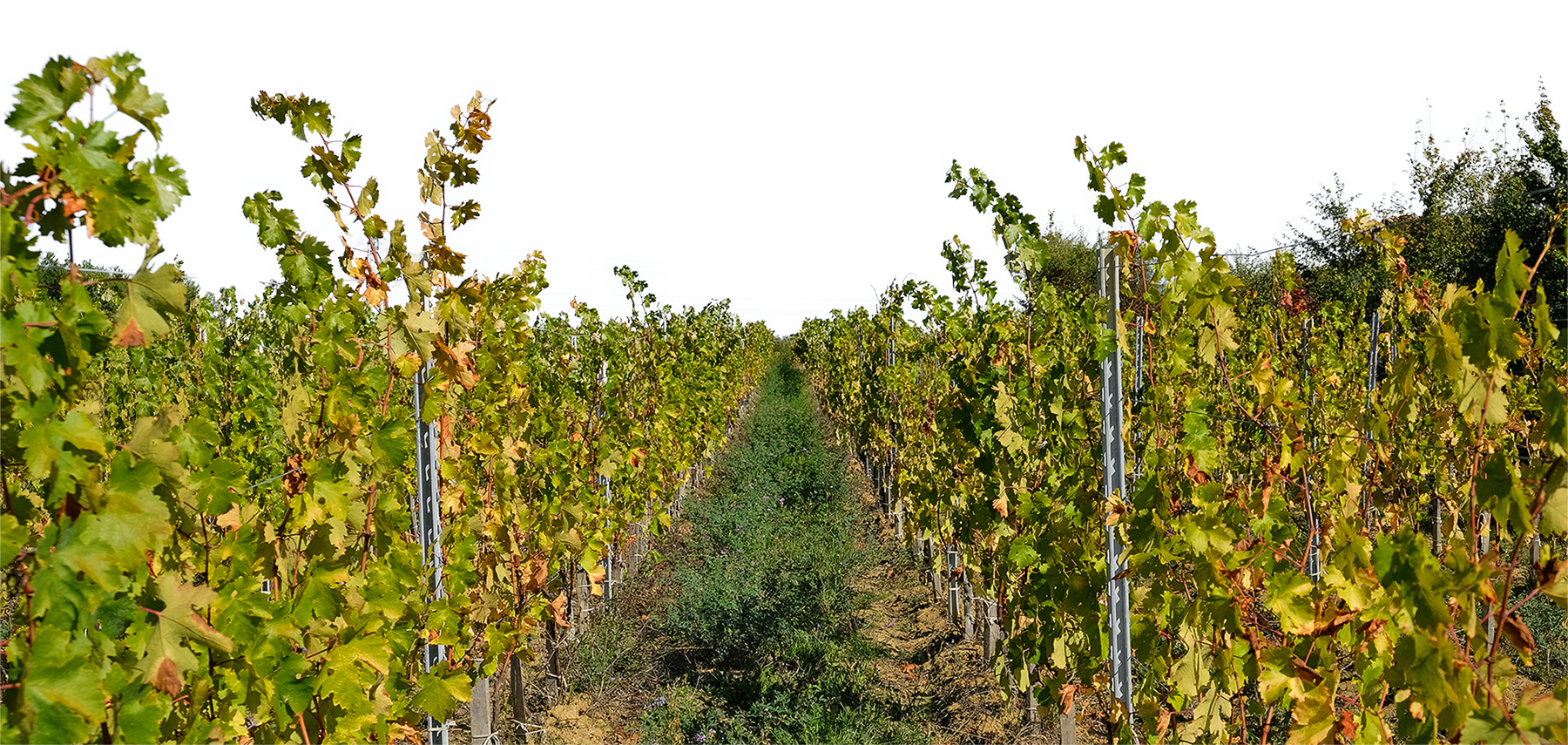
Following the purchase of Château Lestage-Darquier, Jean-Baptiste and Théophile began to focus on elevating both family estates to a new qualitative level. They began with an intensive study of the Lestage Darquier estate, alongside its conversion to organic farming and the introduction of agroforestry—a natural extension of decades of innovation at Château Anthonic.
Of the 10 hectares on the Lestage-Darquier estate, only 3.5 hectares are reserved for production of the Grand Vin, Château Lestage-Darquier Grand Poujeaux. The heart of the blend comes from a parcel of cabernet sauvignon planted in the 1980s near the Larrayaut river, adding great finesse and length. The other selected parcels are planted to cabernet sauvignon, merlot, cabernet franc, petit verdot, and newly-grafted white bouysselet, all on Garonne gravel over limestone bedrock. This produces a wine more akin to those of Saint-Julien than a typical Moulis-en-Médoc.
The remaining 6.5 hectares from the Château Lestage-Darquier property have been integrated into Château Anthonic, expanding its vineyards from 26 to 32.5 hectares and strengthening the synergy between the two estates and their expanding agroforestry network in Moulis.
Organic & Regenerative Viticulture
At the Forefront of Bordeaux’s Future
Jean-Baptiste’s work at Château Anthonic and Château Lestage-Darquier can be summed up as an ongoing dialogue between man and nature. He believes that the Bordeaux wine community “must build an integral ecology that includes environmental respect, happiness for people we work with, and profitable business.”
In 2018, he co-founded Vignerons du Vivant, a collective with peers including Châteaux Latour, Lafon-Rochet, and Paloumey, dedicated to training new generations in agro-ecological vineyard management.
After decades of careful work at Château Anthonic, Jean-Baptiste has realized his dream of restoring the biodiversity of his youth, and he is now transforming the vineyards of Château Lestage-Darquier via a radical, holistic approach to agroforestry.
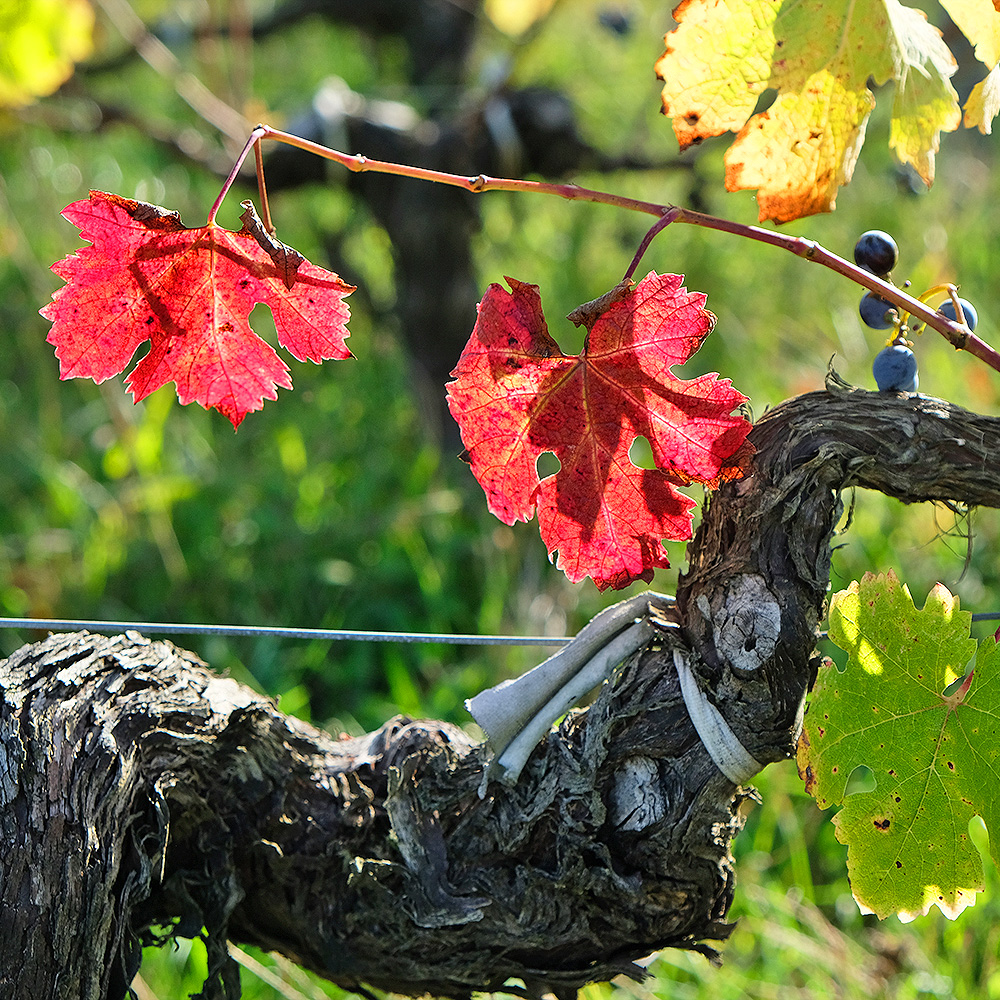
Hedges provide corridors for wildlife to pass between the forested areas on the edges of vineyard plots, which shade the water in the ditches and allow plant and animal life to flourish. Birds in the hedges and trees are natural predators of vineyard pests like moths, and the trees are also vital for bat colonies, which provide an important service as natural pest deterrents.
Jean-Baptiste and Théophile manage a mixture of plants and grasses that they use to cover the soils between the vine rows by “rolling” the plant cover in late spring. Rolling breaks the plant by pinching it at the base, causing it to dry out naturally and pass through an intermediate stage of mulch cover that continues to protect the soil from drought, enriching it with organic matter as it degrades. Seeding for the next year is done immediately following harvest.
The hedges, trees, and groundcover provide insurance against a rapidly changing climate: they make ground temperatures as much as 10 degrees cooler than bare soil. This means that despite the rising temperatures in Bordeaux, the Cordonniers can produce wines of exceptional elegance and grace.
Sustainable Packaging & Artistic Identity
Thoughtful Design from Vineyard to Bottle
The Cordonnier family has put as much thought, energy, and attention to detail into the packaging and sales of their wines as they put into their vineyards.
In line with their commitment to sustainability and carbon-fixing, their bottles weigh just 450g, lighter than the standard 550g Bordeaux bottle.
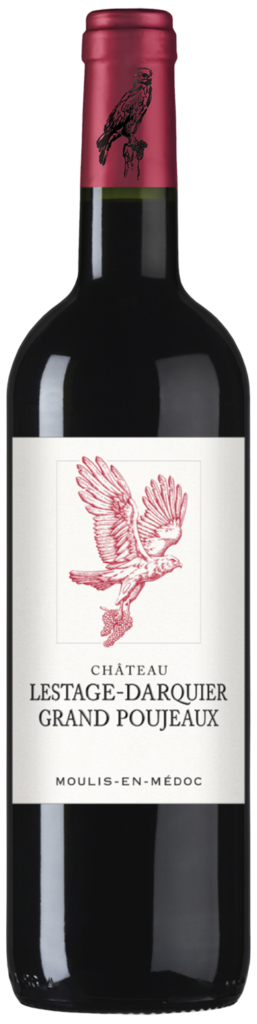
Jean-Baptiste’s son Pierre-Louis Cordonnier, alias Picor, is an artist who designed the beautiful label and the image branded on each wooden box for Château Lestage-Darquier Grand Poujeaux. Two eagles perform a dramatic aerial dance—an impressive sight the Cordonniers witness from time to time over their vineyards.
These elements reinforce the deeply personal connection this family has to this project, and their committed stewardship of their land.
A Radical Approach to Distribution
A Progressive Philosophy
The Cordonnier family has taken a brave, progressive step in their sales philosophy, befitting such an ambitious project. They have gone against the traditional, byzantine system of courtiers and negociants that makes up La Place de Bordeaux, and have chosen to export their wines to the US through a singular national importer instead.
De Maison Selections is proud to count Château Anthonic and Château Lestage-Darquier in our portfolio of Bordeaux producers who are breathing new life into a wine region desperately in need of change. We’re confident that the Cordonnier family is crafting the Bordeaux of the future and we are thrilled to bring these exciting new wines to your table.
Products
Wine
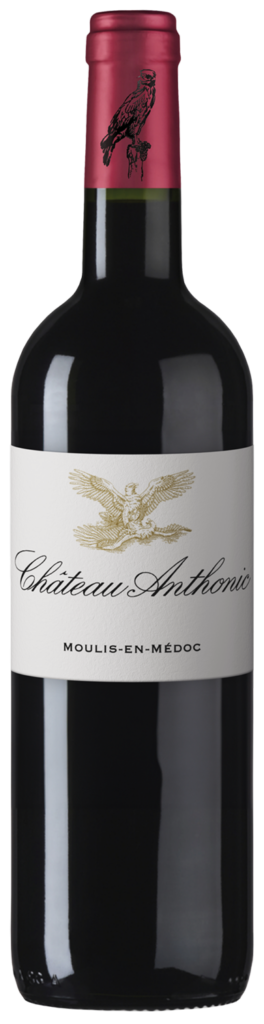
Château Anthonic Moulis-en-Médoc 2022