Yoshimura Hideo Shoten
Wakayama | Japan

A historic brewery led by Toji Akiko Fujita, a protégé of legendary brewer Naohiko Noguchi, Yoshimura crafts umami-forward sakes with exceptional clarity and balance.
Introducing the Producer
A Sanctuary of Craft & Tradition
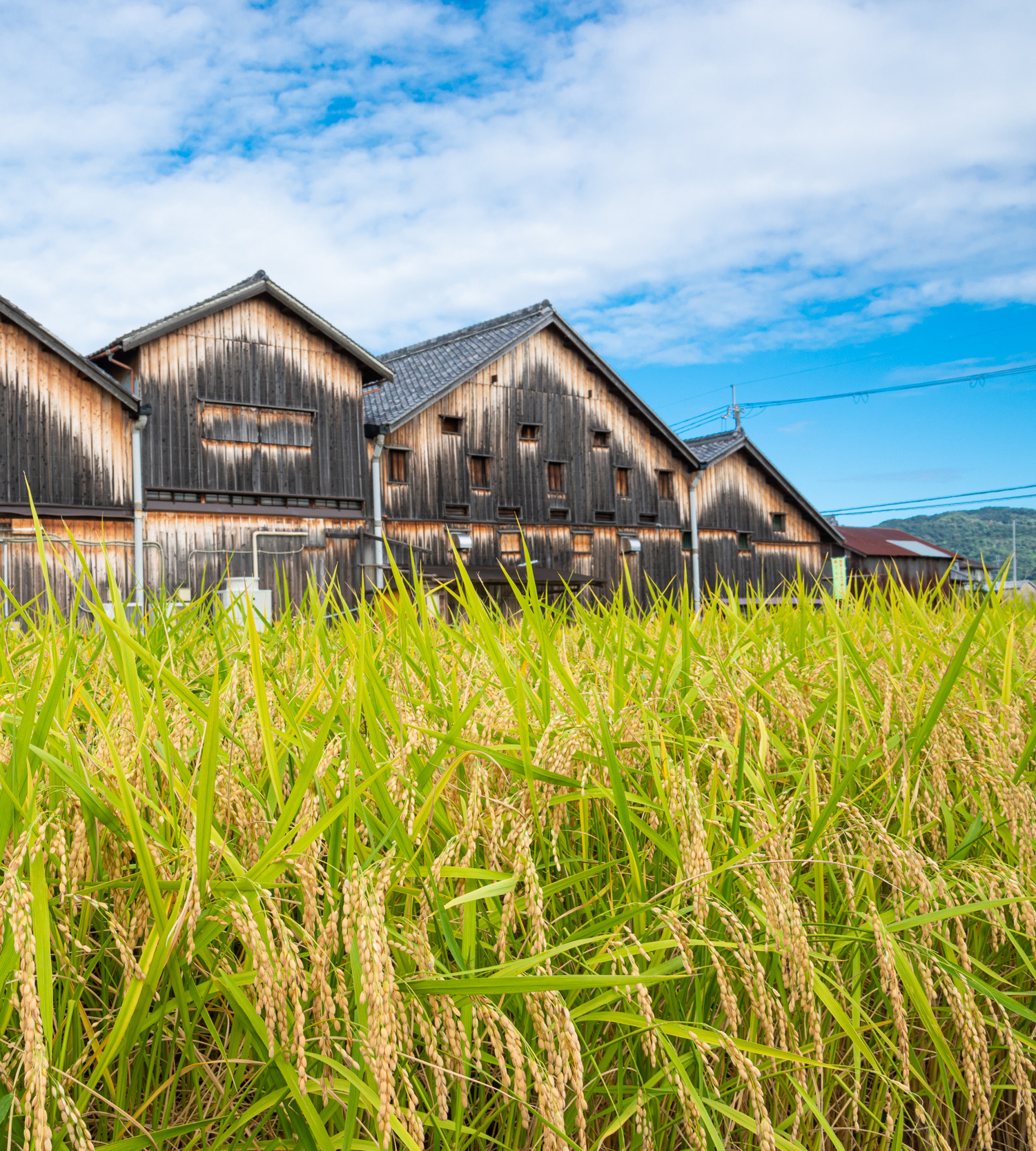
Stepping off the quiet stretch of Kurumazaka Road in Iwade into the tranquil garden of Yoshimura Hideo Shoten feels like stepping back in time.
Voted one of Japan’s most beautiful breweries and one of only nine active producers in Wakayama, the estate produces rich, deeply umami and expressive sakes.
Master Brewer Akiko Fujita crafts these expressions from local and contract-grown rice via labor-intensive, traditional kimoto and yamahai methods. She was instrumental in developing the proprietary Kodo sake yeast, named after Wakayama’s UNESCO World Heritage Kumano Kodo pilgrimage routes.


History & Origins
Resilience & Rebirth
In 1915, after honing his craft in Kobe’s famous Nada brewing district, founder Hideo Yoshimura returned home to Wakayama and transformed what was originally an artisanal kimono workshop into a sake brewery.

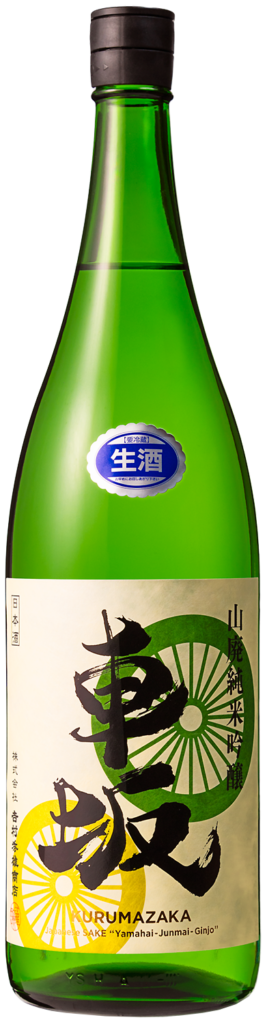
During the Showa Era, the brewery expanded into Nada with its popular Nihonjo brand. After sustaining severe damage during the 1995 Great Hanshin-Awaji Earthquake, operations relocated permanently to Iwade. In 2017, the brewery launched Kurumazaka, a flagship line named after the historic pilgrimage slope (kuru = “to arrive,” zaka = “slope”) to symbolize the brewery’s rebirth.
Master Brewer Bio
Toji Akiko Fujita

Production is led by Toji Akiko Fujita, the first female brewer from Ishikawa Prefecture’s esteemed Noto Toji Guild.
Her path began with a chance meeting at a Tokyo tasting with Naohiko Noguchi, the master brewer credited with the revival and resurgence of the yamahai method. Captivated by his sake, Akiko wrote to Noguchi, asking to study under him. Though her request was initially declined, she traveled with her parents to demonstrate her commitment. Impressed by her perseverance, Noguchi accepted her, beginning a nine-year mentorship. Through her work with Noguchi, Akiko was inspired by the umami flavors of rice to learn to make the true yamahai and kimoto styles.
Since joining Yoshimura Hideo Shoten in 2016, Akiko’s patience and focus has translated clearly to every aspect of the sake brewing approach: led by the umami of koji and working through the lens of tradition, she hones every elemental aspect of sake to the highest level of quality.

Process & Philosophy
Fermentation as a Living Dialogue
At Yoshimura Hideo Shoten, the focus is on sake that fully expresses the natural umami of rice while finishing with remarkable clarity and freshness. They use the soft, slightly sweet subterranean water from the Kinokawa River for brewing, and their rice is grown by both contract farmers and the brewery itself.
There are two primary styles of sake produced at Yoshimura Hideo Shoten: the sokujo styles and the traditional Yamahai and Kimoto styles produced in limited batch quantities.
“Sake is a miracle.”
Toji Akiko

Toji Akiko’s approach to sake brewing is a dialogue with the microorganisms of sake production; it is life in the midst of fermentation. Her view is that brewing sake is not about forcing rice or microorganisms to behave according to our own intentions, but about walking alongside them toward the style of sake one aims to create.
The Centrality of Patience
Bottle Aging as Harmonization
Rather than viewing vintage and seasonal differences in rice as flaws, Yoshimura Hideo Shoten allows growing seasons to reveal the individuality of each vintage. They maintain a strict policy of not blending sake across different brewing years.
They also lean into the idea that sake is not complete the moment it’s pressed: even after bottling, it continues to evolve. For certain styles and vintages, Yoshimura Hideo Shoten encourages this evolution by resting their sake in the bottle in their underground cellar.

In the cellar, temperatures change gradually with the seasons, with an upper end of 68 degrees. Rather than holding the sake at an artificially constant temperature, it is allowed to mature alongside the changing seasons. For sake intended to harmonize over time, this environment is invaluable. Toji Akiko describes the quality maturation at Yoshimura Hideo Shoten as “a gift from God.”
The aging period generally ranges from one to three years, but the final timing depends upon the style of sake, its individual character, and the qualities of that particular vintage. Only once the sake has achieved harmony and balance of umami is it released.
Data Points
Yoshimura at a Glance

● Founded in 1915 in Iwade, Wakayama Prefecture
● Toji: Akiko Fujita
● Water: Mid-soft water from the Kinokawa River
● Rice: Yamadanishiki (Hyogo-grown), Tamasakae (Wakayama-grown by the brewery and contract farmers), Gohyakumangoku (brewery-grown)
● Moto: Sokujo, Yamahai and Kimoto
● Koji: Yellow Koji / So-haze and Tsukihaze type
● Yeast: 901, 1401
● Yabuta Press
● One-time hi-ire by plate heater (Nama Chozo – pasteurized once), brief time at temperature depending on the rice and fermentation
● Filtered by cloth (not active charcoal filter or super filter)
● Aged in the Brewery at a cold temperature or in underground cellar at room temperature followed by season with select sake rested until the umami is fully realized and in harmony
Products
Sake
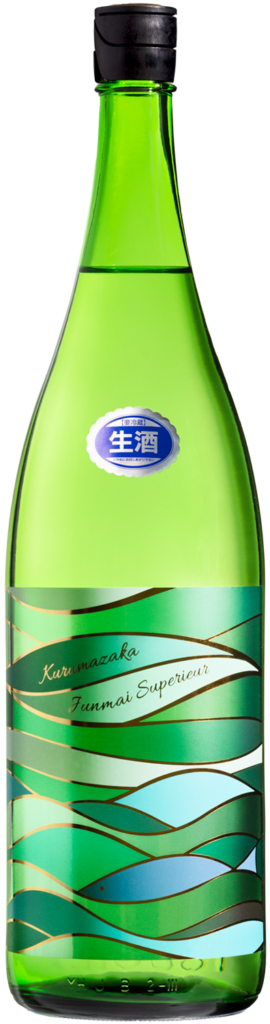
Kurumazaka Junmai Superieur
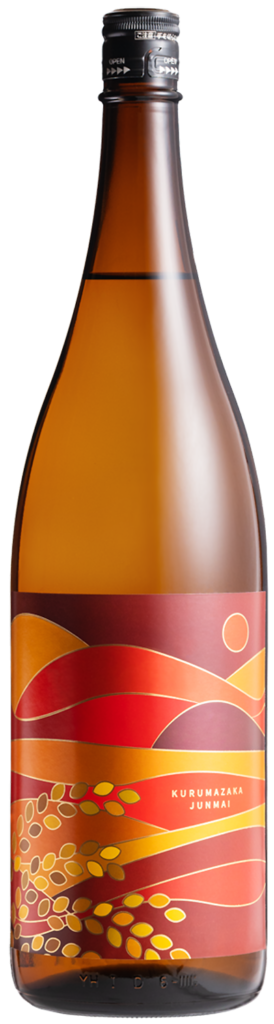
Kurumazaka Junmai
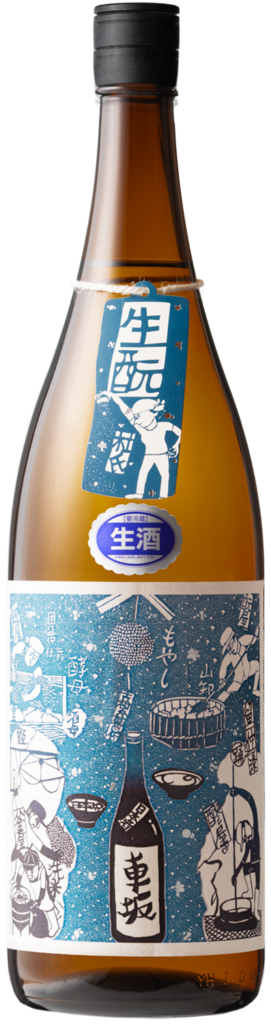
Kurumazaka Kimoto Junmai