


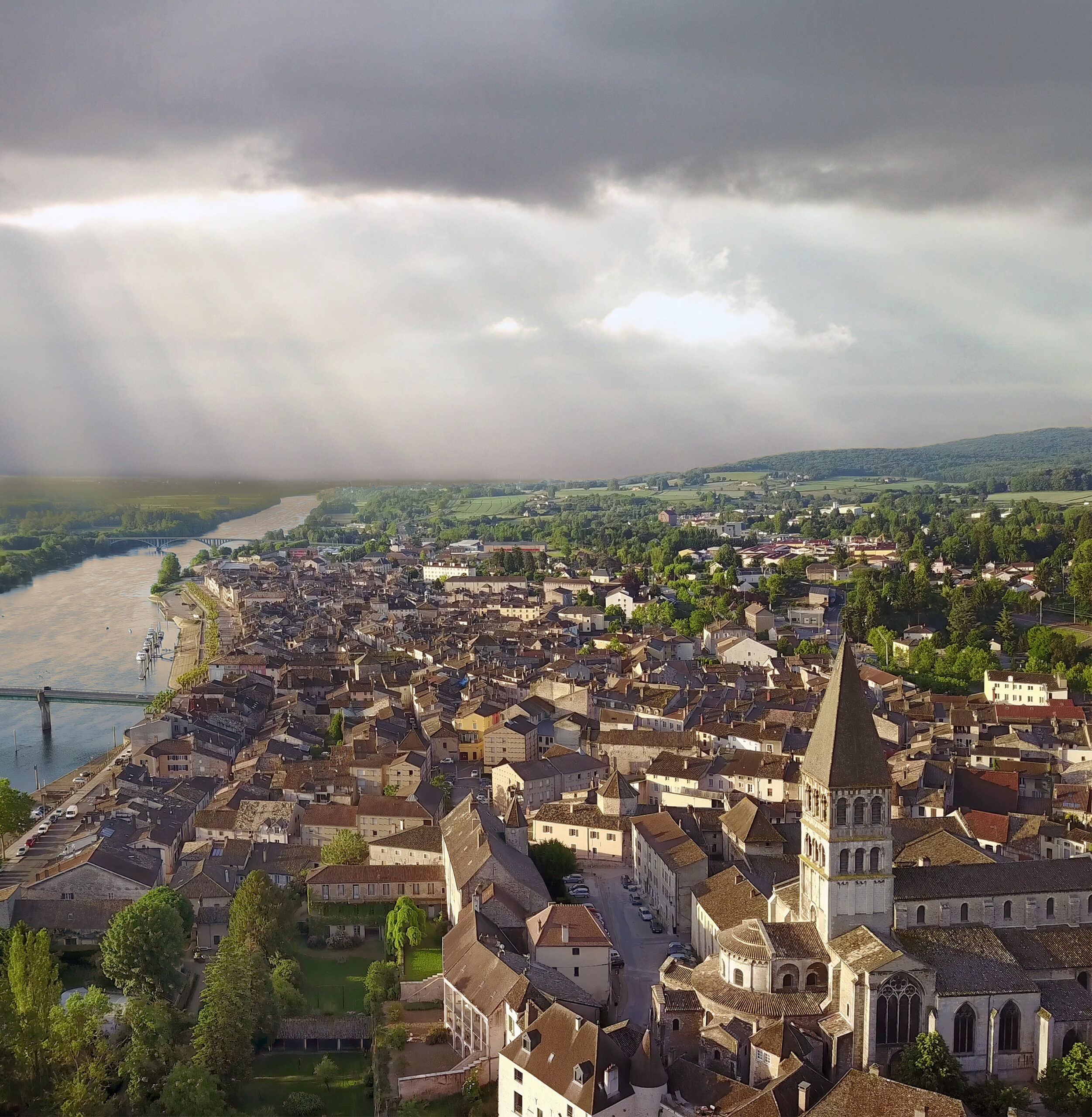
Burgundy
Eastern France

Burgundy is a historic wine region defined by chardonnay and pinot noir, where centuries of meticulous vineyard work have shaped the modern understanding of terroir and quality.

Cool continental climate favoring long ripening cycles and precise site expression.
Identity & Grapes
The benchmark for chardonnay and pinot noir
Burgundy is the source of some of the most famous wines in the world. It is the spiritual home of two of the world’s most noble grapes: chardonnay and pinot noir. These grapes reach some of their greatest expressions when grown in the cool climate of these fabled terroirs.

History & Terroir
Monastic origins and the birth of the clos

Grape-growing and wine-making have a long history here. While evidence points to viticulture as early as the second century CE, it is with the monks of the middle ages that the Burgundy we know really starts to take shape. The Cistercians, in particular, were well ahead of their time in recognizing specific select vineyards and walling them off, creating the first clos in the fourteenth century. This level of attention and detail would not be seen for centuries in the rest of the wine world. In fact, Burgundy is arguably the only region, until the nineteenth century, to view wine as a quality specialty good, rather than an everyday agricultural product. The legacy of this attitude lives on today, as no other region can boast a track record of multiple centuries with an emphasis on quality. Today, the complexity of Burgundy wines can seem dizzying, but it all comes from the attention to detail over the course of countless generations.
Beyond Wine
Food, liqueurs, and distillation
In addition to wine, Burgundy is well-known for several other products: escargots (these are actually subject to their own appellation), Charolais beef, cheeses such as Epoisses and Chaource, fruits such as blackcurrants and peaches, and more. The fruits of the region are traditionally preserved in various liqueurs, the most famous of which is cassis (needed to make classic Burgundian apéritif kir). These are made through the maceration of fresh fruits in neutral spirits and are the descendants of the much older ratafias, which have been made for centuries. Additionally, though these have fallen out of favor in recent decades, the region produces some celebrated marcs, or pomace brandies. These are made by distilling the leftovers from Burgundy’s most famous product, then aging them for years in cool cellars, creating an aromatic and complex digestif. While various pomace brandies are made throughout the wine-making world, only in Burgundy is the craft pushed to this level, with an emphasis on quality raw ingredients and long, patient aging. This is a rough, agricultural product, born from the impulse to not waste, elevated to an elegant, world-class product.

Mâconnais
Southern Burgundy
Reevaluation and renewed focus
Long thought of as a poor substitute for the great Chardonnay whites made further north in Burgundy, the Mâconnais area is experiencing a revival of sorts these days, with plenty of producers working hard to value the terroir of this region on its own terms. In particular, the cluster of appellations at the southern end of the region is the home to many great sites, which at their best produce structured, dense wines that have nothing to envy their more heralded Burgundian cousins.

Beaujolais
Transition Zone
Between Burgundy and the Rhône
Extending to the south of the Mâconnais until just above Lyon, Beaujolais is considered both a part of Burgundy, as well as a separate region with its own traditions, winemaking styles, and identity. Culturally and climatically, it is a bridge between the cooler north and the more temperate and dramatic Rhône Valley to the south.
Contemporary Beaujolais
Gamay, diversity, and new energy
Beaujolais is an incredibly exciting wine region in the midst of an evolution, with the third wave of young and energetic producers taking the lead in family businesses that stretch back for generations. The region’s strength lies in its great diversity of soil types, elevations, and exposures, allowing for an impressive array of expressions to be made with two primary grapes: the red gamay and white chardonnay.
As with Burgundy proper, Beaujolais is also an agricultural area famed for its orchard fruits and berries, which of course in turn are made into local spirits that seek to capture in a bottle the freshness and terroir of the region.
Producers
Wines from Mâconnais

Domaine Couturier
Mâconnais | Burgundy
Small Burgundy producer crafting precise, terroir-focused wines rooted in traditional vineyard work and minimal intervention.
Wines from Beaujolais

Camille Mélinand
Fleurie & Chiroubles | Beaujolais
Family estate in Beaujolais crafting precise, site-driven Gamay that reflects the region’s granite soils and evolving, terroir-focused approach.

Prunelle de Navacelle
Lantignié & Régnié | Beaujolais
Beaujolais producer focused on expressive Gamay, emphasizing site character and traditional vineyard work over stylistic intervention.

Domaine Les Roches Bleues
Brouilly & Côte de Brouilly | Beaujolais
Beaujolais producer working with old-vine Gamay, focused on honest, terroir-driven wines shaped by traditional farming and minimal intervention.
Spirits from Beaujolais

Jacoulot
Burgundy | Eastern France
Burgundy-based distillery producing traditional marc and brandies sourced from Beaujolais wines and long-standing regional partnerships.